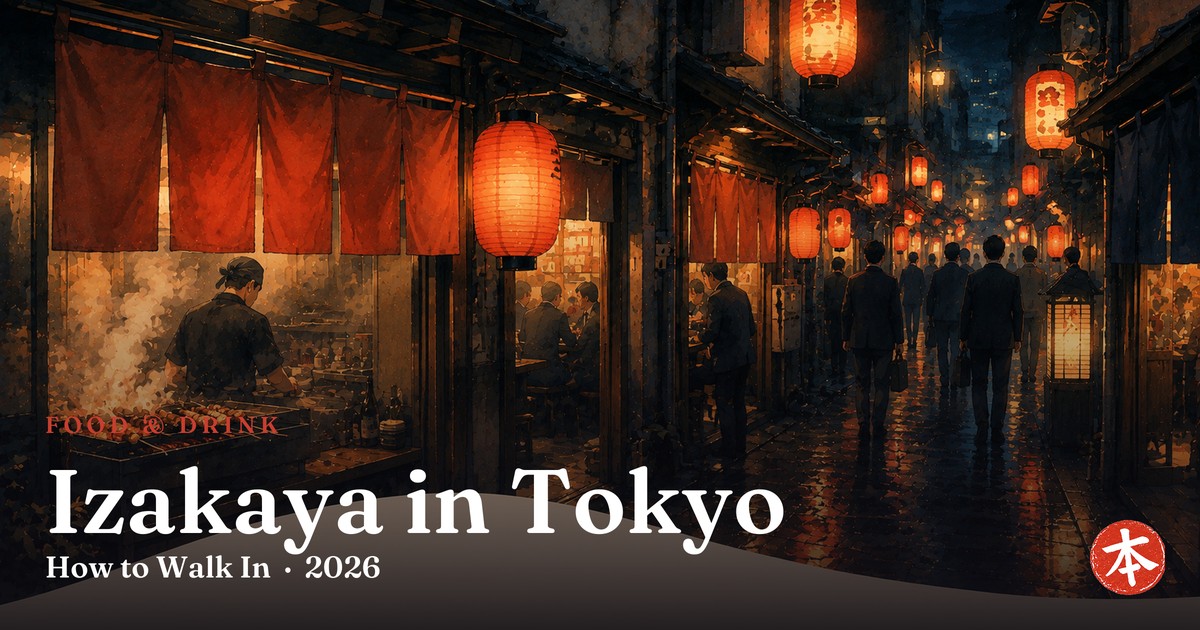
Here's the real barrier to eating well in Tokyo: it isn't money and it isn't language. It's standing outside a doorway with a cloth curtain and warm noise behind it, not knowing whether you're allowed to just walk in. You are. And the room behind that curtain — the izakaya — is where Japan actually eats and drinks, at prices that make restaurant dinners look silly.
This guide is the operating manual: the seating charge nobody warns you about, how ordering actually flows, what to get at a yakitori counter, and which alleys reward the walk.
The izakaya, at a glance
| What it is | Japanese pub — drinks plus a rolling stream of small shared plates, for hours |
|---|---|
| The surprise charge | Otoshi — a small dish auto-served as a seating fee, usually unavoidable |
| Ordering | Drinks first, then food in waves. Touch panels · picture menus · "sumimasen" |
| Yakitori starters | momo (thigh) · negima (thigh & leek) · tsukune (minced) — salt or glaze |
| Where | Golden Gai · Omoide Yokocho · the track arches at Yurakucho/Shimbashi · any station backstreet |
| Payment | Card acceptance is improving, but carry cash for older, smaller places |
Otoshi: the charge that upsets everyone
It generates more visitor complaints than anything else in Japanese dining, purely because nobody explains it in advance. Reframe it as a cover charge — the same thing European restaurants do with bread and service — and it stops being annoying. Want to avoid it entirely? Standing bars (tachinomi) usually have no otoshi, which is part of why locals love them.
How a night actually flows
The rhythm is consistent enough to memorize. You're seated and asked for drinks immediately — order a first round before you've even opened the menu; that's expected, not rude. Beer is the default opener (the reason "toriaezu nama" — "a draft for now" — is practically a national catchphrase). Then order food in waves: three or four small plates, eat, order more. Nobody orders the whole meal up front, and the kitchen sends things as they're ready rather than in courses. When you're done, you usually pay at the register on the way out, not at the table. Tipping doesn't exist.
The yakitori counter
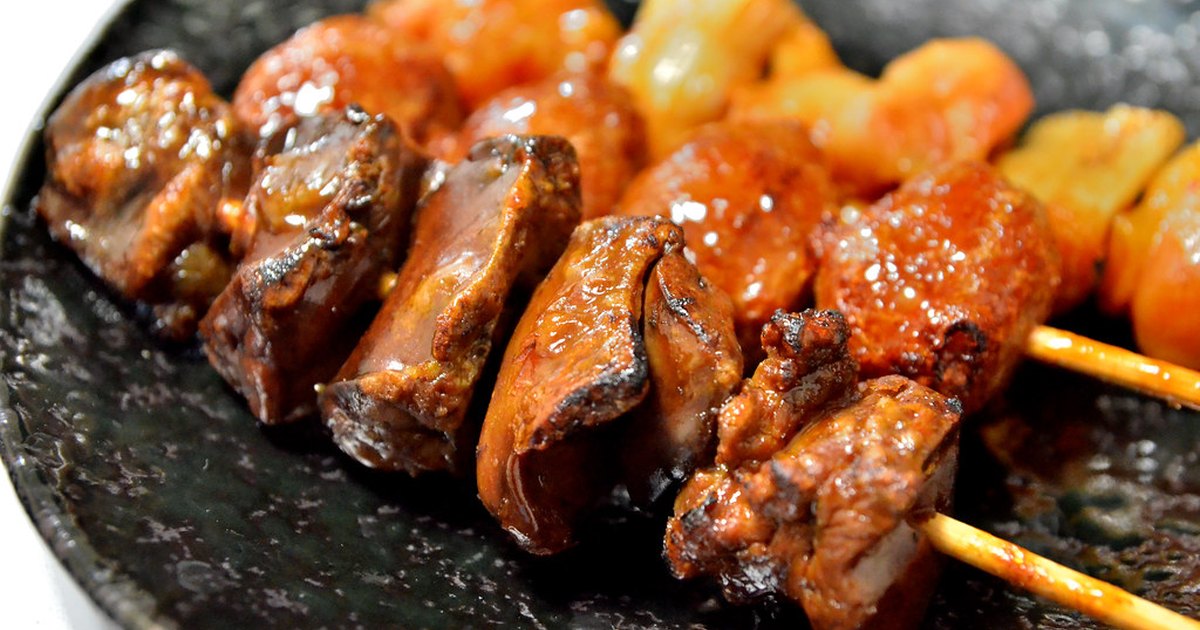
Yakitori shops are izakaya narrowed to one obsession: chicken over charcoal, one skewer at a time. Start with momo (thigh) and negima (thigh alternated with leek), add tsukune (minced chicken patty, often with a raw egg yolk to dip) and kawa (crisped skin) — then, if you're game, the organ cuts that regulars consider the real menu. You'll be asked shio (salt) or tare (sweet soy glaze): salt for the better cuts, tare when you want richness. Order a few at a time so they arrive straight off the grill; ordering ten at once defeats the entire format.
Beyond chicken: the specialist izakaya
The same walk-in logic applies across a family of single-focus places. Tempura counters fry pieces to order in front of you — utterly different from the soggy version served abroad, and worth doing once at a proper counter. Wagyu and yakiniku restaurants put the grill on your table and let you cook thin slices yourself; the good ones will tell you the grade and cut, and the price ladder is steep but honest. Standing bars compress everything into twenty minutes and no seating charge. Different rooms, same rule: walk in, order a drink, point at things.
Where to go
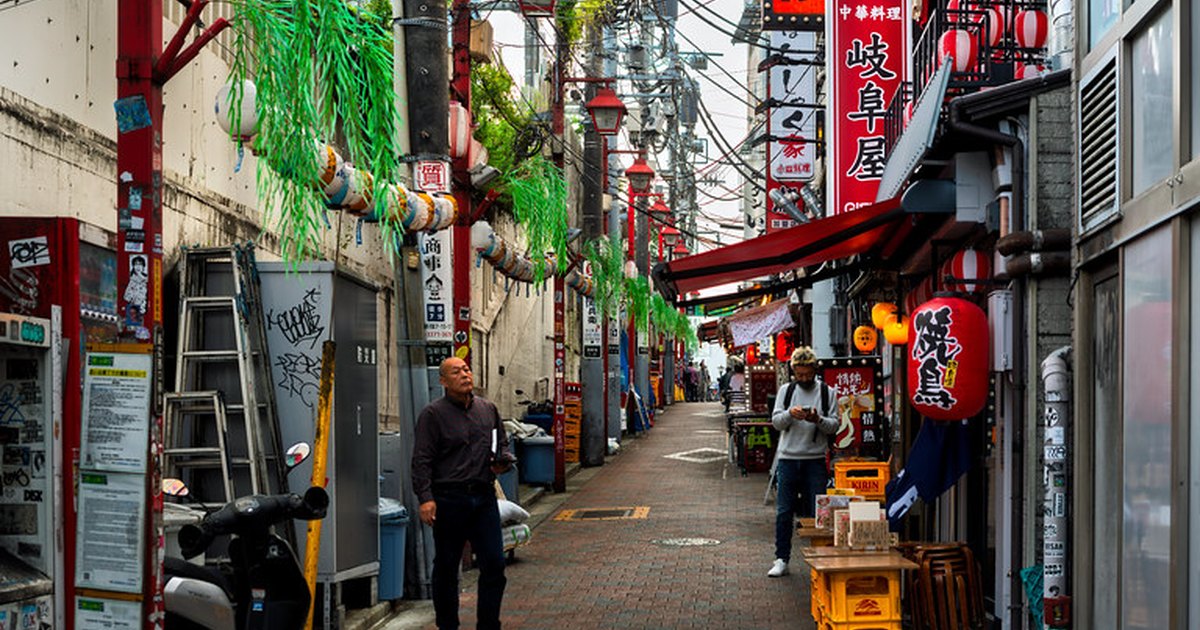
- Golden Gai (Shinjuku) — a warren of tiny bars, several seats each, fiercely atmospheric. Note that some charge a cover; check the sign at the door.
- Omoide Yokocho (Shinjuku) — the smoky yakitori alley beside the station. Cramped, loud, exactly what you came for.
- Under the tracks at Yurakucho & Shimbashi — izakaya built into railway arches, full of after-work crowds. The most quintessentially Tokyo drinking you can do.
- Ebisu, Nakameguro — a notch more polished and less touristed.
- Any station backstreet — genuinely. Walk two blocks off the main road near wherever you're staying and you'll find where locals actually go.
Where this sits in Tokyo eating
Izakaya is the evening default; the rest of the day has its own guides. Ramen at Shibuya's bowls or Tokyo Station's ten-shop corridor, sushi across every format and price tier, and the market-and-festival end of things in the street food guide. Learn the izakaya walk-in and the whole city opens up — that curtain is the only real door.
(The same otoshi custom runs the tiny bars of Shinjuku's Golden Gai, where the official seat charge is ¥500–1,500 and some bars are open to regulars only — see our Golden Gai guide.)
(Rather have a local order for you the first night? A guided evening covers the izakaya ropes before you go solo — we compare the options in our Tokyo food tour guide.)
(Want to understand the sake list before the izakaya night? The official tasting center pours 50 bottles from ¥100 a cup — our sake tasting guide maps the whole circuit.)
(One chain opts out of the otoshi convention entirely — our Torikizoku guide covers the flat 390-yen menu and the no-cover-charge policy the company states outright.)
(For gyoza with a drink: our gyoza in Tokyo guide notes that Benitora Gyozabo in Marunouchi adds a 330-yen otoshi table charge when you order alcohol.)
FAQ
What is an izakaya?
What is otoshi, and can I refuse it?
How do I order at an izakaya if I don’t speak Japanese?
What should I order at a yakitori place?
Where are the best izakaya areas in Tokyo?
How much does an izakaya cost?
Bottom line (2026) — Tokyo’s best eating opens up once you know the room: otoshi is a seating charge nobody warns you about, you order drinks first, pay at the register on the way out, and no tipping. At yakitori counters the choice is shio or tare, and no specific restaurants are recommended because small places change too fast.
Sources
Customs described here (otoshi as a seating charge, the drinks-first ordering rhythm, shio/tare at yakitori counters, pay-at-the-register, no tipping) are long-standing, widely documented features of Japanese dining. District characters are stable. No individual restaurants are named or recommended, deliberately — small establishments change too fast for a guide to keep honest. Prices are described as patterns; check menus on the door. As of August 2026.
Some links on this page may be affiliate links, which means we may earn a commission if you book or buy through them — at no extra cost to you. See our affiliate disclosure.
Tokyo to Osaka, Tokyo to Kyushu, Tokyo to Hokkaido — day by day — plus seven places most visitors never reach.
- 12 pages, 80 photographs, every stop linked to its guide
- Every price and opening hour read from the official page
- Re-issued monthly, so it does not go stale in your inbox
Free. One email a month, plus the rare change that matters. Unsubscribe with one click in any email. By subscribing you agree to our privacy policy.