Things to Do– category –
Theme parks, experiences and activities
-

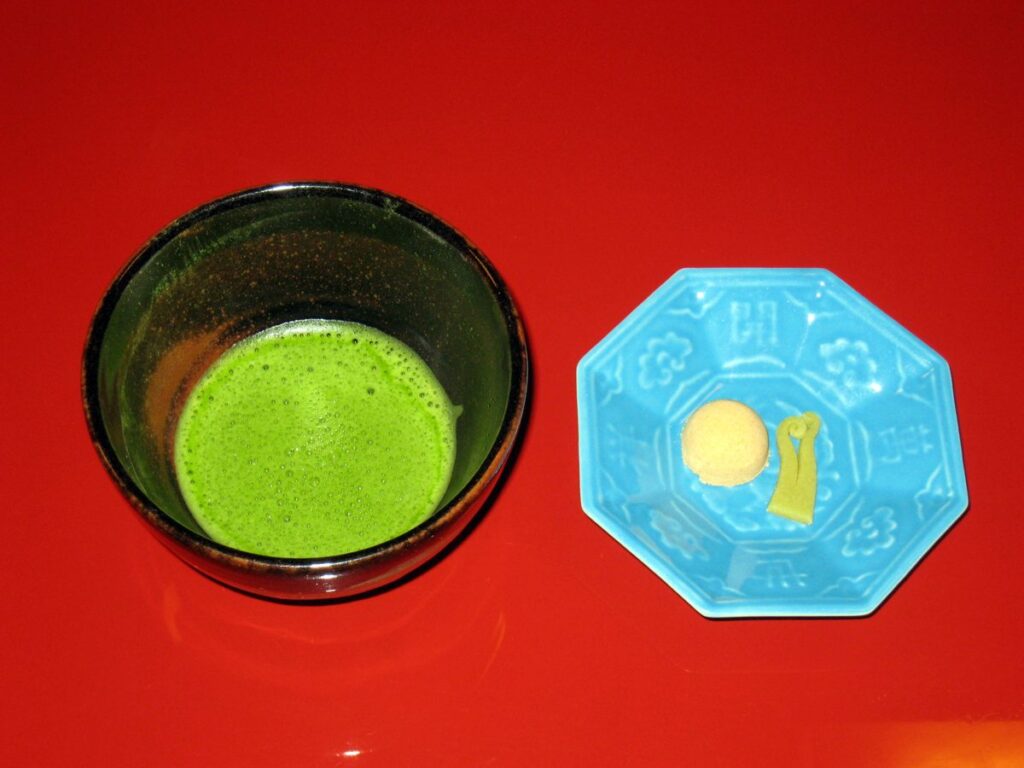
Marukyu Koyamaen (2026): Which Grade, and Why Sold Out
Same 40g tin, 3,888 yen or 43,200 yen depending on the grade. Every matcha is sold out, the maker publishes a list of unauthorized resellers, and it deducts 10 percent if it thinks you are reselling. Here is how to read the catalog. -
Free Things to Do in Tokyo (2026): 17 Places, Hours, Days
17 places in Tokyo you can walk into without paying, each checked on its official site: hours, closed days and the catches, like gardens shut on Mondays and Fridays and a museum open only on weekdays. Plus three free spots on older lists that have closed or now charge. -
Late Night in Tokyo (2026): 14 Places Open After 9 PM
Already in Tokyo and wondering what is still open tonight? 14 places checked on their official sites, in order of last entry: observation decks to 22:30, teamLab, 24-hour baths, karaoke until 5 a.m., plus the catches, like Shibuya Sky selling out on the day, and when the last trains leave. -
Rainy Day in Tokyo (2026): 12 Indoor Places, Hours, Tickets
Raining in Tokyo? 12 indoor places checked on their official sites: which ones you can reach from the station without going outside, which sell tickets on the day, opening hours and adult prices, and the rainy-day catches, like no refund at Tokyo Skytree when clouds hide the view. -
Strawberry Picking in Japan (2026-27): 9 Farms and Prices
Strawberry picking in Japan runs from about December to May. Nine farms near Tokyo, Kyoto and Shiga compared from their official pages: season dates, price by month, the time limit (30 minutes to no limit), whether you must book, and who takes only cash. Only one farm has posted 2026-27 prices so far. -
Japan Tax Refund on a Cruise (2026): Where You Get Checked
Leaving Japan by cruise ship after November 1, 2026? If your cruise starts and ends abroad, you do the tax-free customs check at the last Japanese port before you hand over your luggage. On a fly-and-cruise from Japan, you do it once, at the airport you fly home from. -
Hatsumode (2026-27): The New Year Shrine Visit, by the Rules
About 80 percent of Japan visits a shrine at New Year, according to the association that runs them. Here is what hatsumode is, the exact bow-and-clap sequence Meiji Jingu publishes, the normal gate hours, and what the shrines have not announced yet for 2027. -
Laundry in Japan (2026): Coin Laundries Run on a 1983 Guidance Note, Not a Law
Japan's coin laundries are governed by a health ministry guidance note from 1983, amended in 2022 - administrative advice rather than statute. It tells operators to clean the handles daily and to post a named hygiene manager on the wall. Here is what to look for. -
Gluten Free in Japan (2026): The Labeling Law Does Not Cover Restaurants
Japan requires wheat to be declared on packaged food. It does not require it in restaurants - the Consumer Affairs Agency says so plainly. And the soy sauce on the table is made from wheat, soybeans, salt and water. -
Hakata Ramen (2026): Seven Words for Noodle Firmness, and Why Seconds Exist
Fukuoka's official tourism site lists seven firmness levels, from raw to very soft, and explains why kaedama was invented at all: the noodles are too thin to survive a big bowl. Hakata, Nagahama and Kurume are also three different things. -
Fuji-Q Highland (2026): Entry Is Free, and the Big Coasters Have a Maximum Age
Getting into Fuji-Q costs nothing - the park says so on its own ticket page. What costs money is the rides, at 2,000 yen each, and the day pass swings from 6,000 to 7,900 yen depending on the date. Two of the four headline coasters also turn you away at 55. -
Beppu Hells: The Official Site Contradicts Its Own Price
Umi Jigoku's own website gives two different admission prices on two different pages - 500 yen on the fee page, 450 on the facility page. This guide has both, plus the 2,400 yen combined ticket for seven hells, why the water is blue, and the reason the Japanese coach tour was invented here in 1928.