Honto Japan Editorial– Author –

-

Can You Shop Tax-Free Online in Japan? The Official Answer
Can you shop tax-free online in Japan? No. Japan's National Tax Agency says a website is not a tax-free sales location. The exceptions are shops that ship your purchase overseas themselves, which is up to each shop. Mailing tax-free goods home yourself ended on March 31, 2025. -
Sapporo Food Beyond Ramen (2026): Jingisukan, Soup Curry
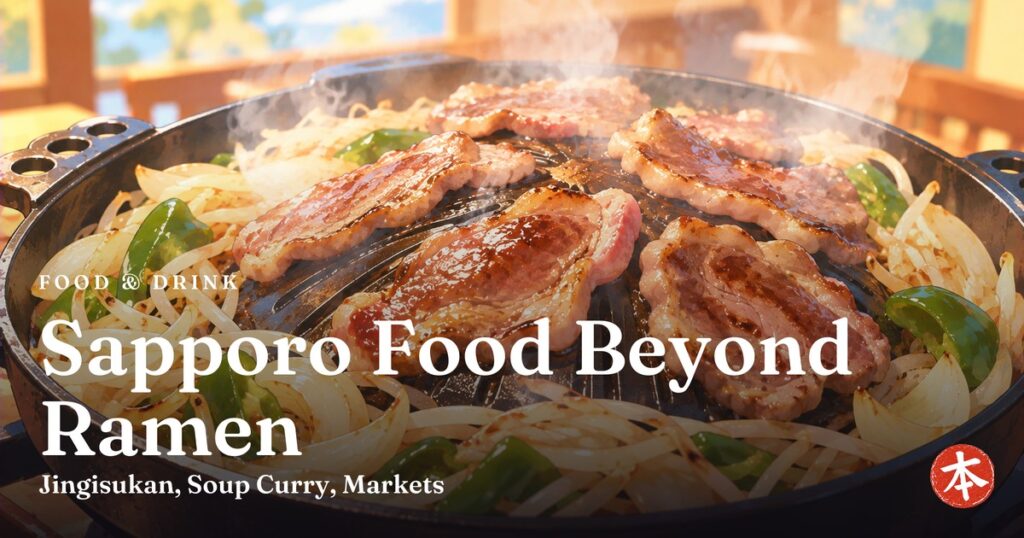
What to eat in Sapporo besides ramen, from each shop's own official site: jingisukan at Sapporo Beer Garden and Daruma, soup curry at GARAKU and Suage+, Nijo Market, and Rokkatei's shop-only ice sandwich, with prices, hours and payment rules. -
Ekoin, Koyasan (2026): Temple Stay Rules, Baths, Fees
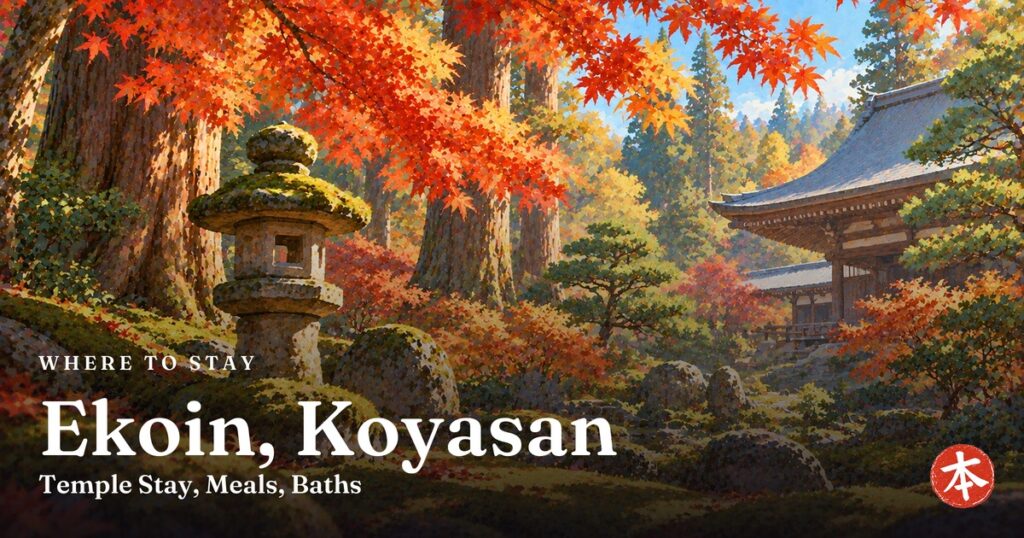
Ekoin temple lodging on Koyasan, before you book: every official plan is prepaid by card, the large bath is heated spring water rather than an onsen, the two cheapest room types have no private toilet or bath, meals are vegan with no onion or garlic, the temple site says last check-in is 7 p.m. but the booking page warns dinner may be lost without a refund after 5:30 p.m., and the Okunoin night tour is booked separately. From the official pages. -
HOSHINOYA Okinawa (2026): Typhoon Plan, Pool, Fees
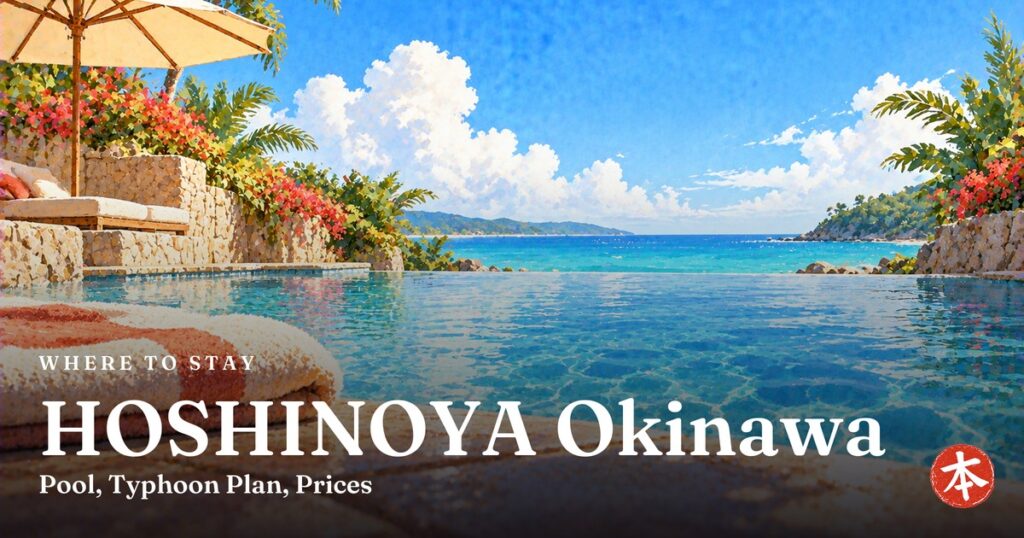
HOSHINOYA Okinawa in Yomitan, before you book: there is no onsen or large bath, the pool is open 24 hours all year, tattoos are allowed but you may be asked to wear a rash guard you bring yourself, the 2026 Typhoon Peace-of-Mind plan covers official-site bookings made 5 days ahead, there is no free shuttle, and breakfast is 5,300 yen including tax and service. From the official pages. -
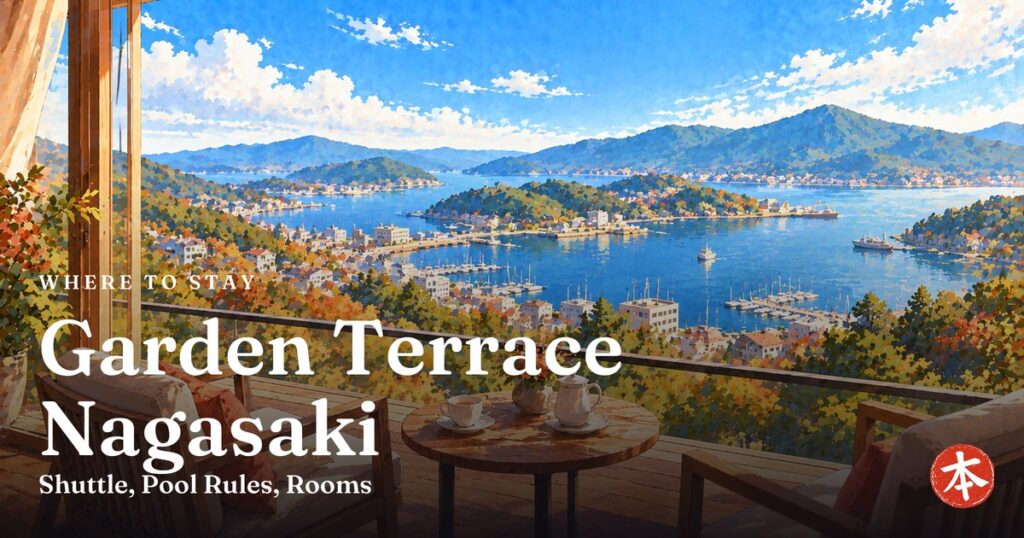
Garden Terrace Nagasaki (2026): Shuttle, Pool, Rules
Garden Terrace Nagasaki above Nagasaki Port, before you book: check-in is 4 p.m., the free shuttle leaves from the west exit of JR Nagasaki Station with no reservation, the infinity pool is for guests only and refuses guests with tattoos or who have been drinking, it closes for cleaning December 7 to 9, and the breakfast restaurant is closed on Tuesdays. From the official pages. -
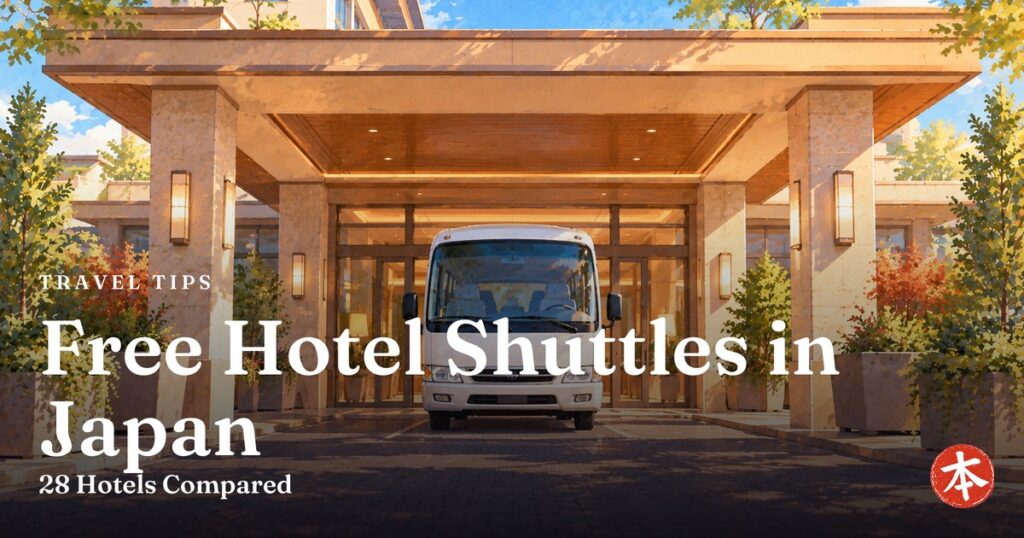
Free Hotel Shuttles in Japan (2026): 28 Hotels Compared
Which Japanese hotels run a free shuttle, and what is the catch? We read the official pages of 28 hotels: 26 say the shuttle is free, 11 can need a booking or a phone call, and the Haneda airport hotels skip Terminal 2. -
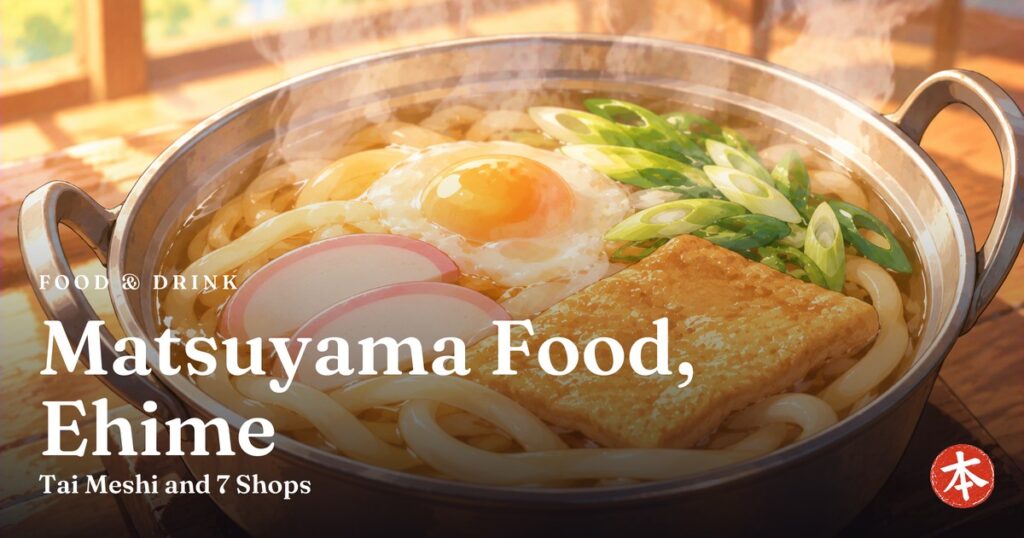
Matsuyama Food, Ehime, Japan (2026): Tai Meshi and 7 Shops
What to eat in Matsuyama, Ehime, on Shikoku, from each shop's own official site: two kinds of tai meshi at Akiyoshi, Gansui and Kadoya, nabeyaki udon at Dogo Uotake, Botchan dango at Tsuboya and mikan juice from a tap, with prices, hours and payment. -
Hotel Metropolitan Sendai (2026): Rooms, Fees, Rules
Hotel Metropolitan Sendai at JR Sendai Station's West Exit, before you book: the standard terms charge 50 percent two days before and 80 percent the day before, a 15 percent service charge and the 300 yen Miyagi accommodation tax apply, parking rose to 2,000 yen a night in April 2026, smoking rooms remain, and the partner gym and spa bars tattoos. From the official pages and terms. -
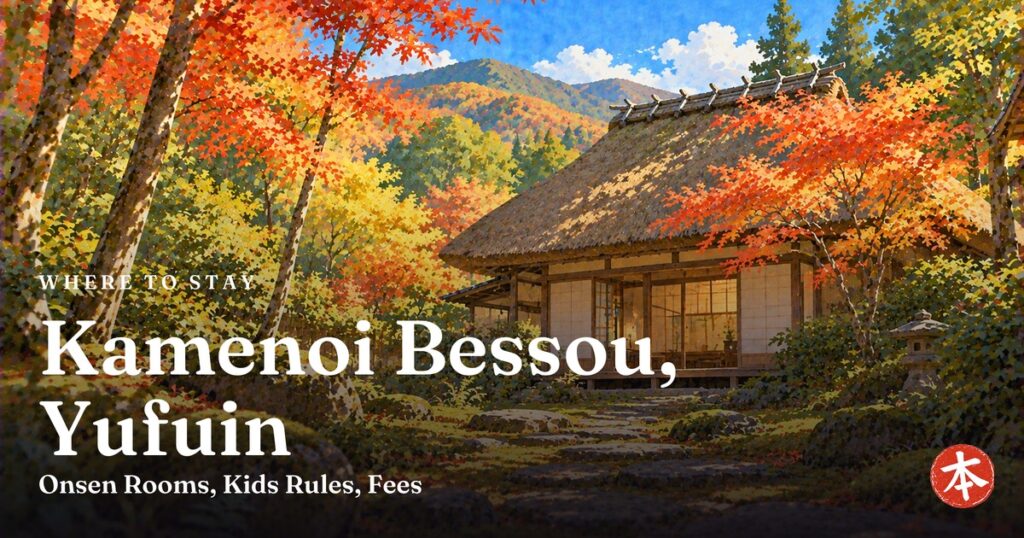
Kamenoi Bessou, Yufuin (2026): Rooms, Onsen, Fees
Kamenoi Bessou by Lake Kinrin in Yufuin, before you book: every room has its own free-flowing onsen bath, the main building takes no children of elementary school age or younger and has stairs only, the bathing tax is 250 yen per person per night, the lowest rate shown was 53,900 yen per adult with two meals, and the Japanese and English booking pages set different online cancellation deadlines. From the official pages. -
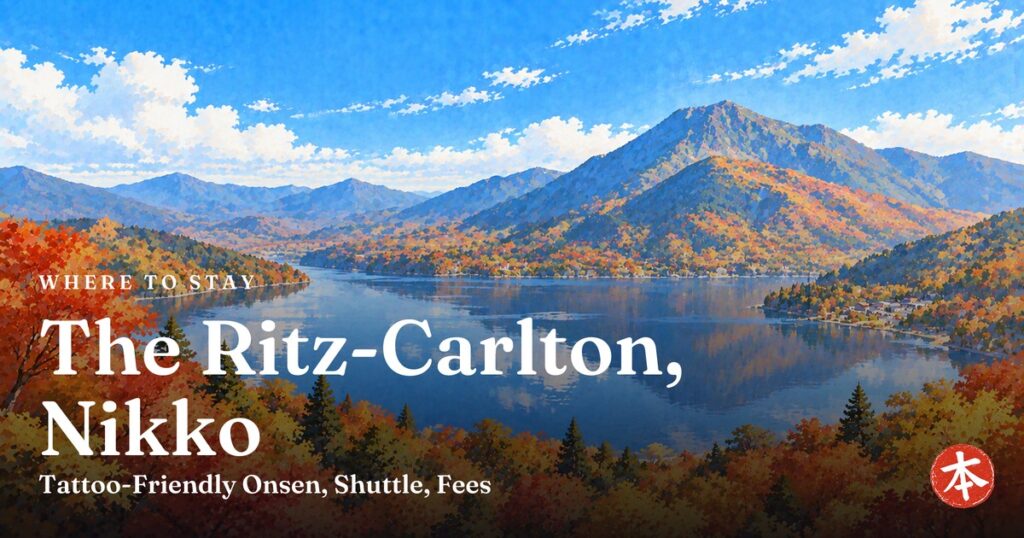
The Ritz-Carlton, Nikko (2026): Onsen, Shuttle, Fees
The Ritz-Carlton, Nikko on Lake Chuzenji, before you book: tattoos are welcome in the onsen, which is free for guests from 5:30 to 23:00, the free Nikko Station shuttle is only for Marriott Bonvoy members who reserve, it runs a reduced timetable from October 10 to November 15, parking is 3,000 yen a day, and check-in is 18 and over. From the official pages. -
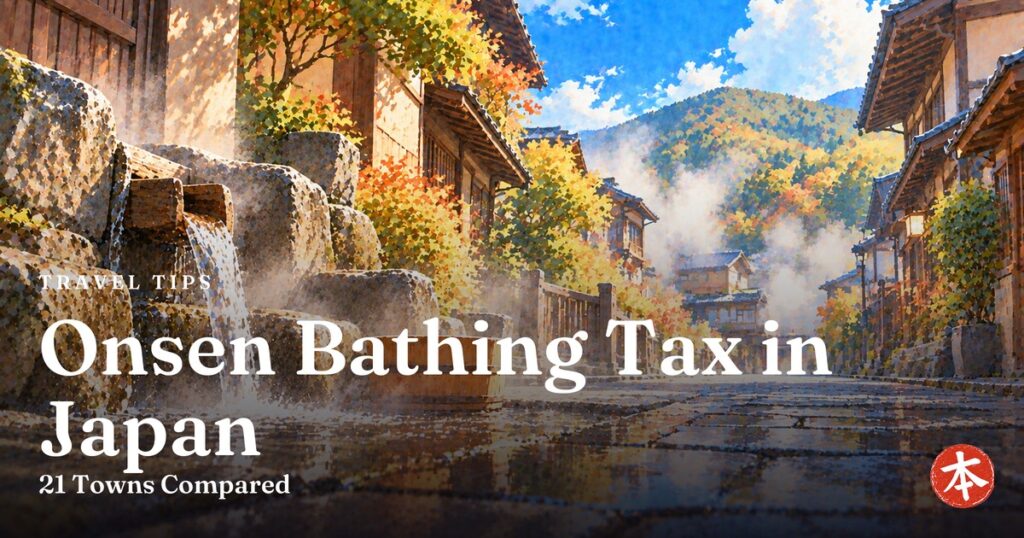
Onsen Bathing Tax in Japan (2026): 21 Towns Compared
What does Japan's onsen bathing tax cost? We read the official pages of 21 hot-spring towns: 14 charge a flat 150 yen per night, four charge more (up to 500 yen in Beppu), and Hakodate cut its rate to 100 yen in April 2026. Most exempt children under 12. -
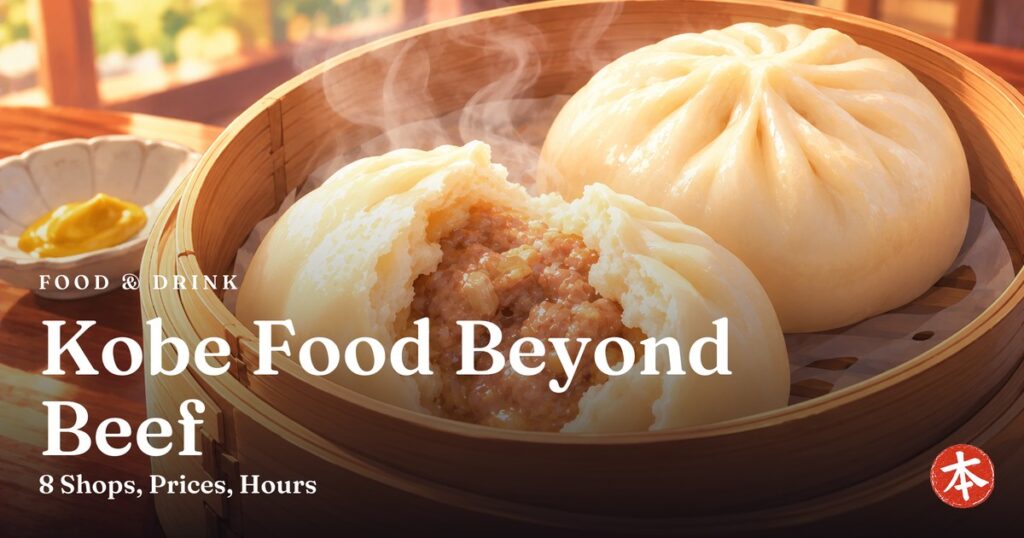
Kobe Food Beyond Beef (2026): 8 Shops, Prices, Hours
What to eat in Kobe besides the beef, from each shop's own official site: Roshoki pork buns, YUNYUN and Gyozaen in Nankinmachi, Nagata Tanksuji sobameshi, akashiyaki at Yokoi and Kimuraya, and Kobe Fugetsudo and Kannonya sweets, with prices, hours and rules.