Food & Drink– category –
What locals actually eat
-

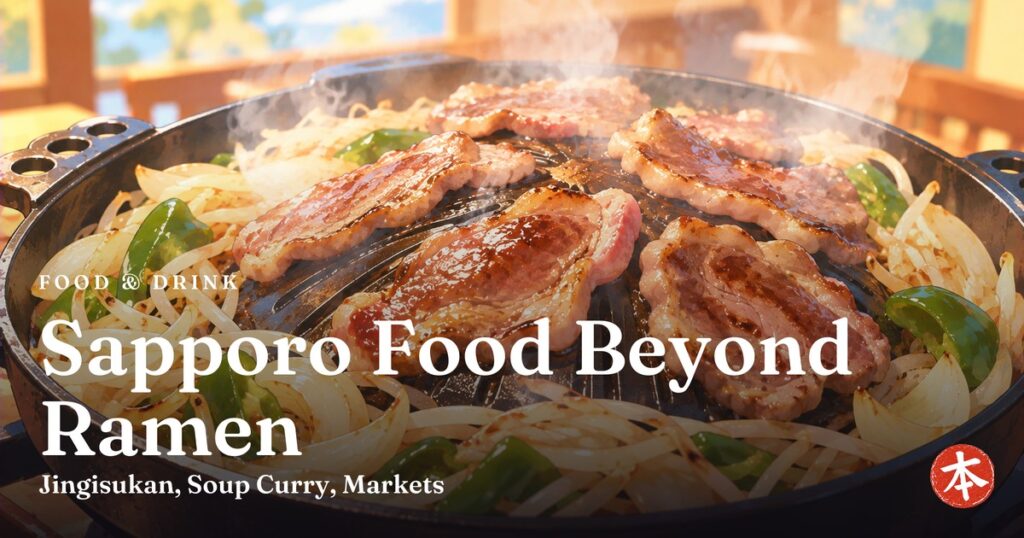
Sapporo Food Beyond Ramen (2026): Jingisukan, Soup Curry
What to eat in Sapporo besides ramen, from each shop's own official site: jingisukan at Sapporo Beer Garden and Daruma, soup curry at GARAKU and Suage+, Nijo Market, and Rokkatei's shop-only ice sandwich, with prices, hours and payment rules. -
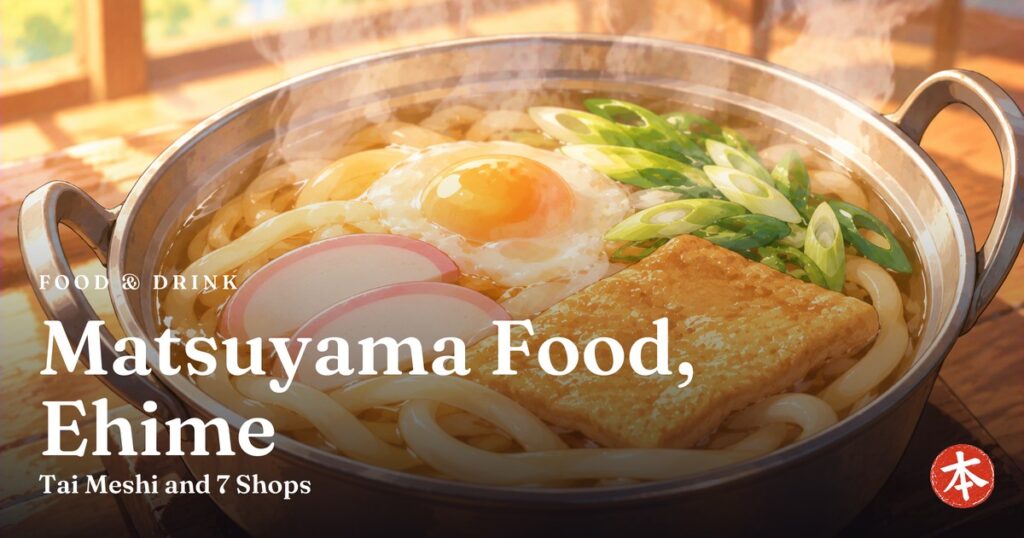
Matsuyama Food, Ehime, Japan (2026): Tai Meshi and 7 Shops
What to eat in Matsuyama, Ehime, on Shikoku, from each shop's own official site: two kinds of tai meshi at Akiyoshi, Gansui and Kadoya, nabeyaki udon at Dogo Uotake, Botchan dango at Tsuboya and mikan juice from a tap, with prices, hours and payment. -
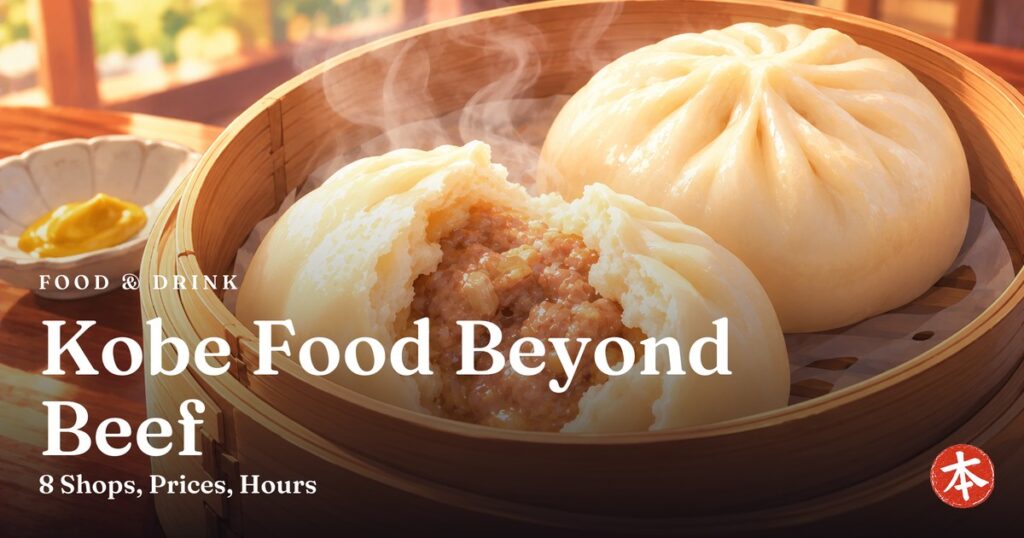
Kobe Food Beyond Beef (2026): 8 Shops, Prices, Hours
What to eat in Kobe besides the beef, from each shop's own official site: Roshoki pork buns, YUNYUN and Gyozaen in Nankinmachi, Nagata Tanksuji sobameshi, akashiyaki at Yokoi and Kimuraya, and Kobe Fugetsudo and Kannonya sweets, with prices, hours and rules. -
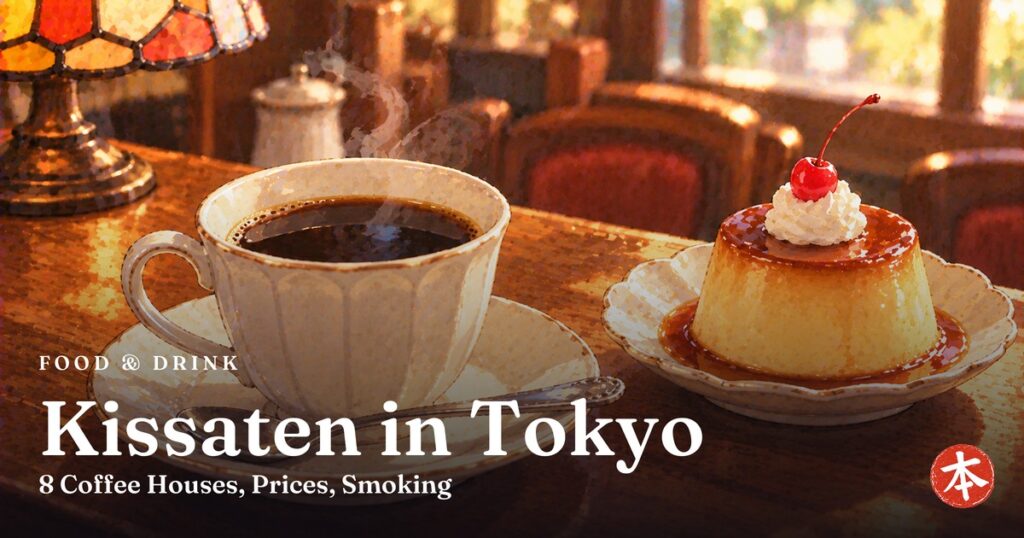
Kissaten in Tokyo (2026): 8 Coffee Houses, Prices, Smoking
Eight classic kissaten coffee houses in Tokyo, from their own official sites: Cafe de L'ambre, Ginza West, Cafe Paulista, Kugutsusou, Tajimaya, Coffee Seibu, Tsubakiya and Coffee-Kan, with coffee prices, hours, booking, cash and each shop's smoking rule. -
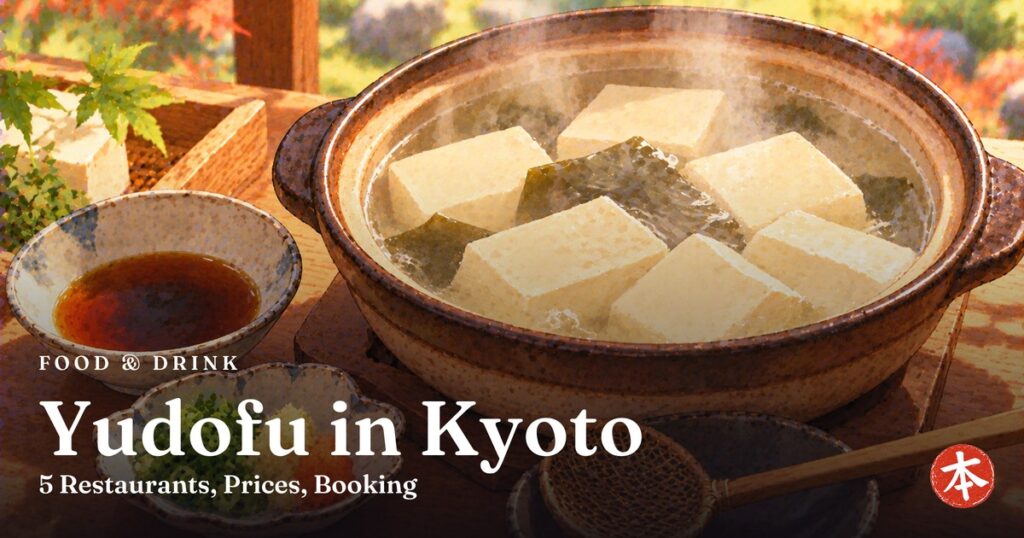
Yudofu in Kyoto (2026): 5 Restaurants, Prices and Booking
Where to eat yudofu, Kyoto's simmered tofu, from the restaurants' own official sites: Nanzenji Junsei, Kiyomizu Junsei Okabeya, Yudofu Sagano, Shoraian and Tousuiro, with set prices, tax, hours, booking rules, children and what goes into the stock. -
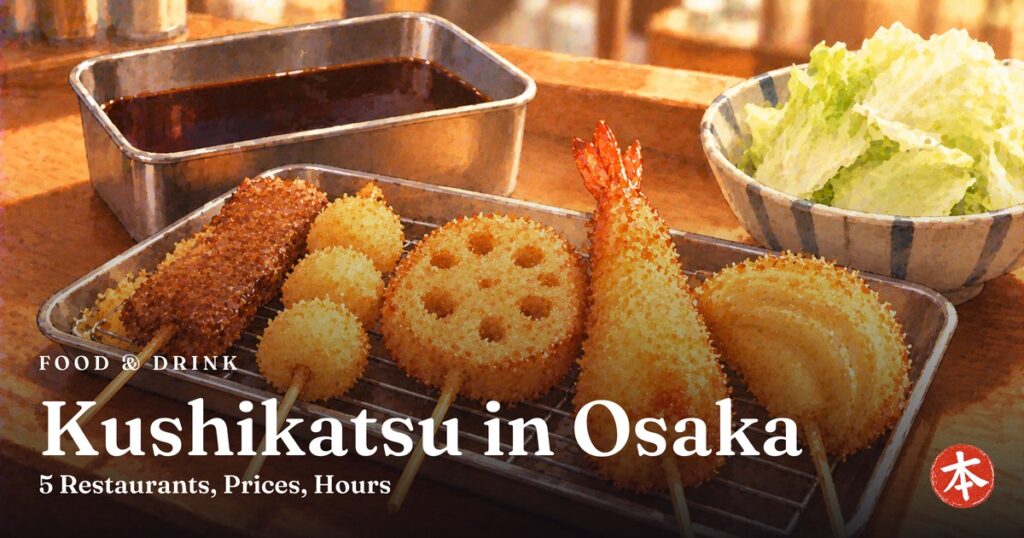
Kushikatsu in Osaka (2026): 5 Restaurants, Prices and Hours
Where to eat kushikatsu, Osaka's deep-fried skewers, from the restaurants' own official sites: Daruma, Yokozuna and Ittoku in Shinsekai, Shiruhisa and Kushikatsu Tanaka, with prices per skewer, tax, hours, booking, payment and each shop's own sauce rule. -
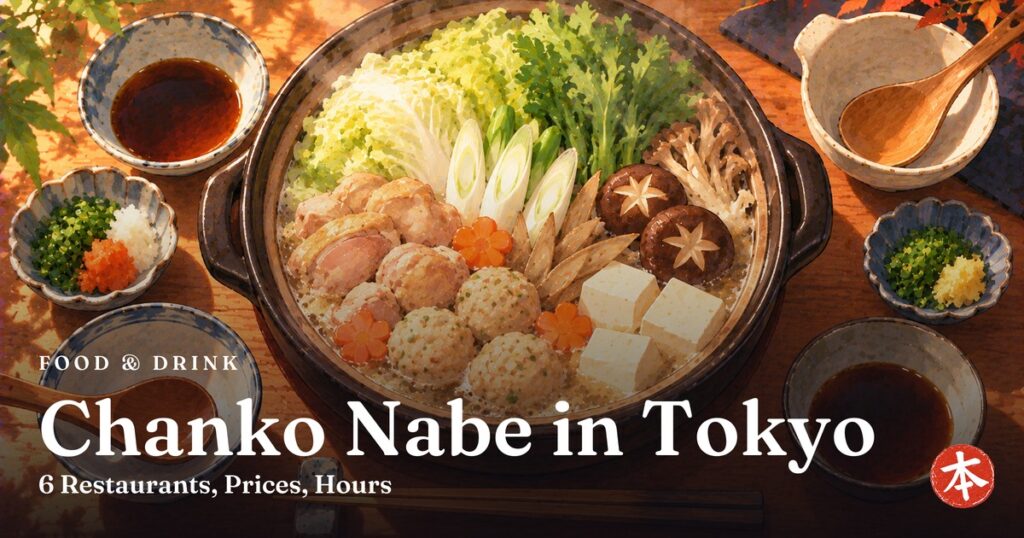
Chanko Nabe in Tokyo (2026): 6 Restaurants, Prices and Hours
Where to eat chanko nabe, the sumo wrestlers' hot pot, in Tokyo, from the restaurants' own official sites: Chanko Kirishima, Sumo Chaya Terao, Chanko Edosawa, Chanko Dojo, Chanko Tamakairiki and Toriyoshi, with prices per portion, minimum orders, tax, hours and payment. -
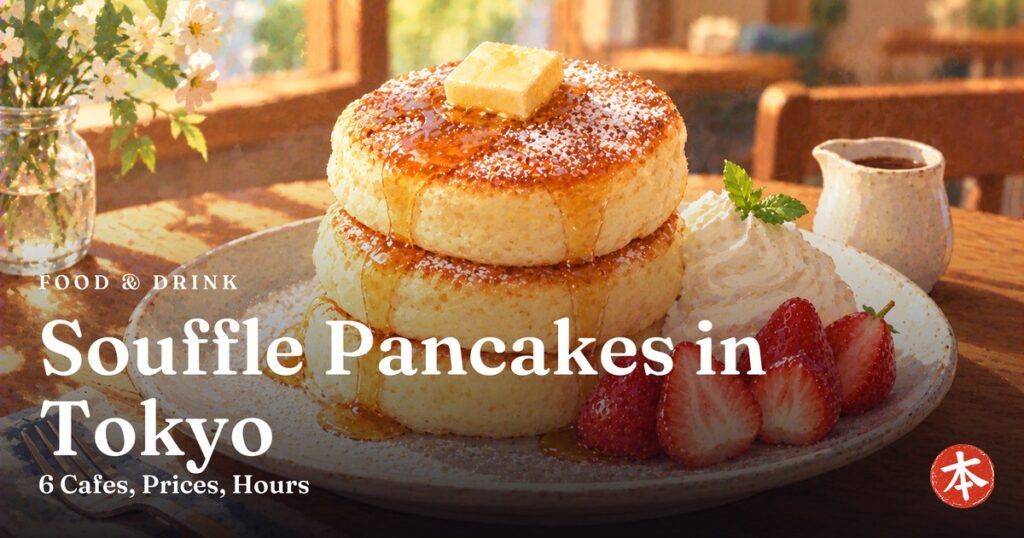
Souffle Pancakes in Tokyo (2026): 6 Cafes, Prices and Hours
Where to eat souffle pancakes in Tokyo, from the cafes' own official sites: A Happy Pancake, FLIPPER'S, Musashi no Mori Coffee and Takakura-machi Coffee, plus gluten-free Riz Labo Kitchen and bills' ricotta pancakes, with prices, tax, hours, bookings and the 20-minute bake. -
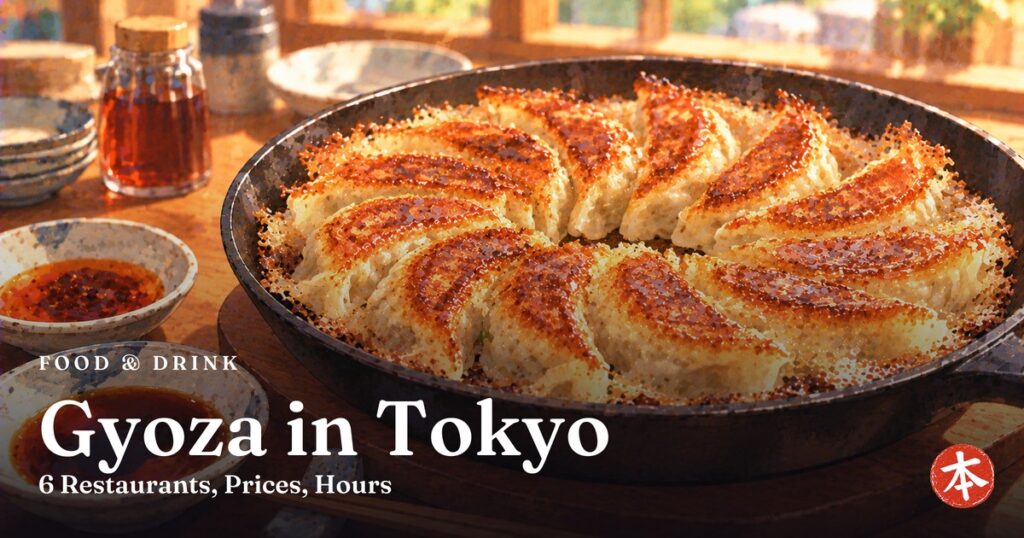
Gyoza in Tokyo (2026): 6 Restaurants, Prices and Hours
Where to eat gyoza in Tokyo, from the restaurants' own official sites: Ginza Tenryu, Kameido Gyoza, Harajuku Gyoza-ro, Benitora Gyozabo, Gyoza no Mansyu and Gyoza no Ohsho, with prices from 300 yen, tax, hours, payment, takeout and garlic-free options. -
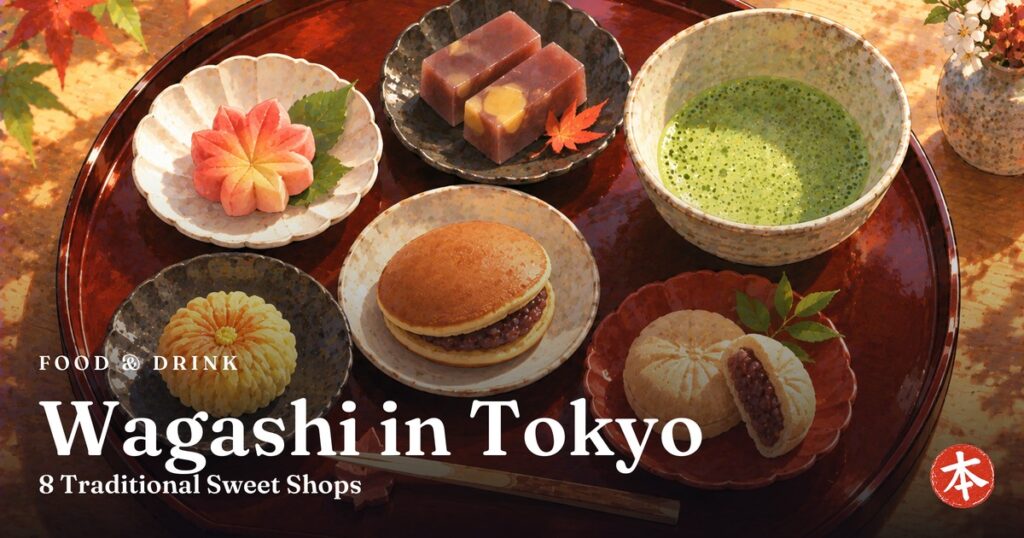
Wagashi in Tokyo (2026): 8 Traditional Sweet Shops
Where to buy wagashi in Tokyo, from the shops' own official sites: Toraya Akasaka, Usagiya, Funawa, Shiose Sohonke, Eitaro, Ginza Kikunoya, Seigetsudo Honten and Mamegen, with prices, tax, hours, cash-only rules and how long each sweet keeps. -
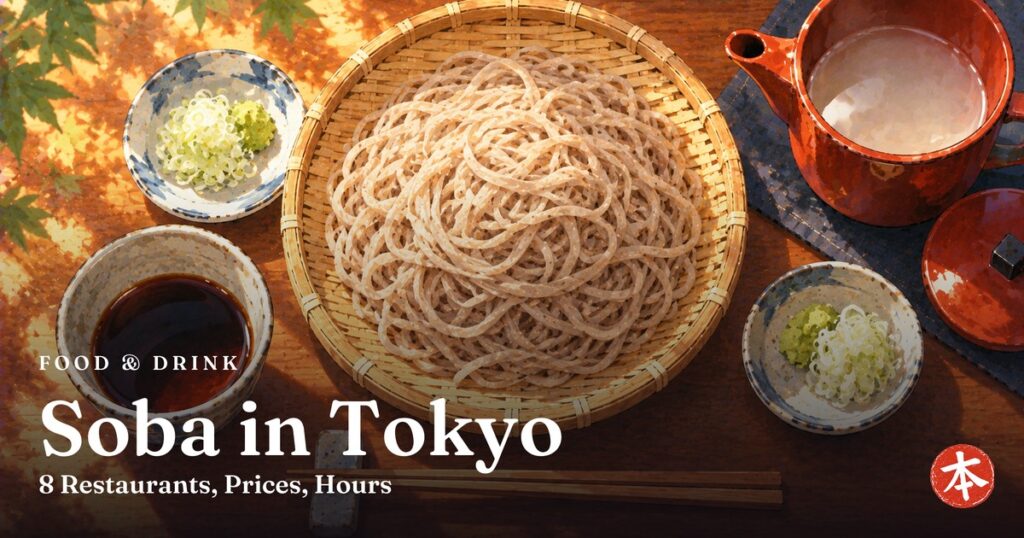
Soba in Tokyo (2026): 8 Restaurants, Prices and Hours
Where to eat soba in Tokyo, from the restaurants' own official sites: Kanda Matsuya, Kanda Yabusoba, Muromachi Sunaba, Toranomon Osakaya Sunaba, Sarashina Horii, Honmura-an, Owariya and Fuji Soba, with prices from 450 yen, tax, hours, booking, cash-only rules and diet notes. -
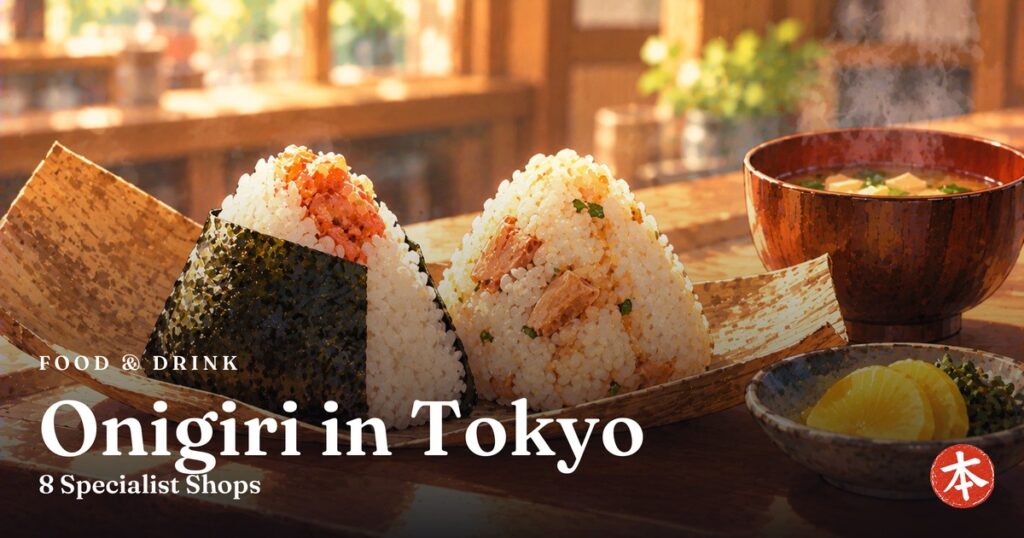
Onigiri in Tokyo (2026): 8 Specialist Rice Ball Shops
Where to eat onigiri at specialist shops in Tokyo, from their own official sites: Yadoroku in Asakusa, Bongo in Otsuka, Risaku in Sendagi, Manma in Shinjuku, Omusubi Gonbei, Onigiri Konga at Haneda, and Kikutaya and Honnoriya at Tokyo Station, with prices from 130 yen, sets, hours, tax and takeout rules.