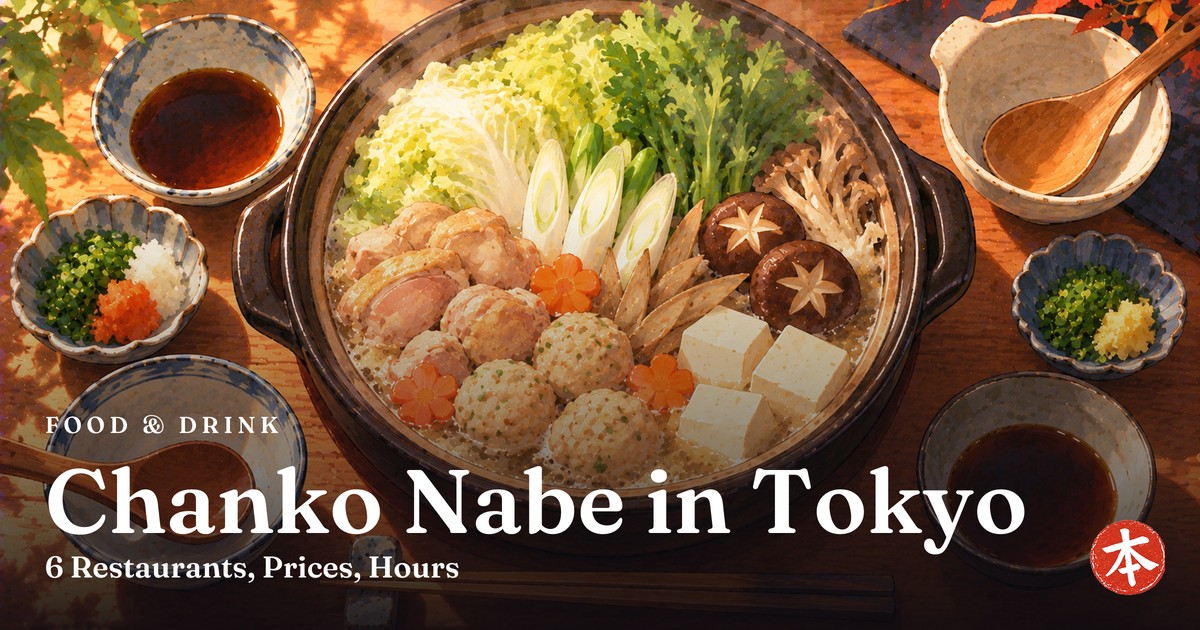
Chanko nabe, the hot pot that sumo wrestlers eat, is served all around Tokyo’s sumo neighborhood of Ryogoku and beyond. At the six chanko nabe restaurants here, one portion costs from 1,760 yen with tax at Toriyoshi to 3,520 yen with tax at Chanko Kirishima, and a lunch pot at Sumo Chaya Terao is 1,100 yen.
This page reports only what each restaurant says on its own website: prices, minimum orders, tax, hours, booking, payment and English, plus how each describes its chanko. It is not a ranking. The practical surprises: two of the six take hot pot orders only for two portions or more, one adds a per-person table charge, one takes no credit cards and turns away strollers, and one closes on Mondays except during sumo tournaments. If you are coming to Ryogoku for the sumo itself, our sumo tickets in Tokyo guide covers how to get in.
Chanko nabe in Tokyo at a glance
| Restaurant | Area | Hot pot, one portion | Minimum order | Closed | Payment |
|---|---|---|---|---|---|
| Chanko Kirishima | Ryogoku, 1 min from west exit | 3,520 yen with tax | Two portions (one-person lunch set) | Mondays; also Tuesdays in June to August | Not listed |
| Sumo Chaya Terao | Ryogoku, 2 min from west exit | 2,500 yen with tax; lunch pot 1,100 yen | Dinner not stated; lunch for one OK | Mondays, except during tournaments | Cards |
| Chanko Edosawa (Sohonten) | Ryogoku, 1 min from east exit | 2,508 yen with tax (chicken) | One portion | Not listed | Not listed in text |
| Chanko Dojo (Ryogoku Ekimae) | Yokoami, Ryogoku | 2,300 yen with tax to 3,900 yen; 320-yen otoshi | Two portions | New Year only | Cards, IC cards, QR |
| Chanko Tamakairiki (Ginza) | Higashi-Ginza, 1 min | 3,080 yen with tax | Not stated (courses from two) | New Year only; dinner only | Cards |
| Toriyoshi | Ishiwara, 10 min from Ryogoku | 1,760 to 1,980 yen with tax | One portion | Sundays; dinner only | No credit cards |
Prices as of September 30, 2026. Broths, ingredients and portion sizes differ from one restaurant to the next, so the table is not a like-for-like comparison. Check the official site before you go.
What to know before eating chanko nabe
What is chanko nabe?
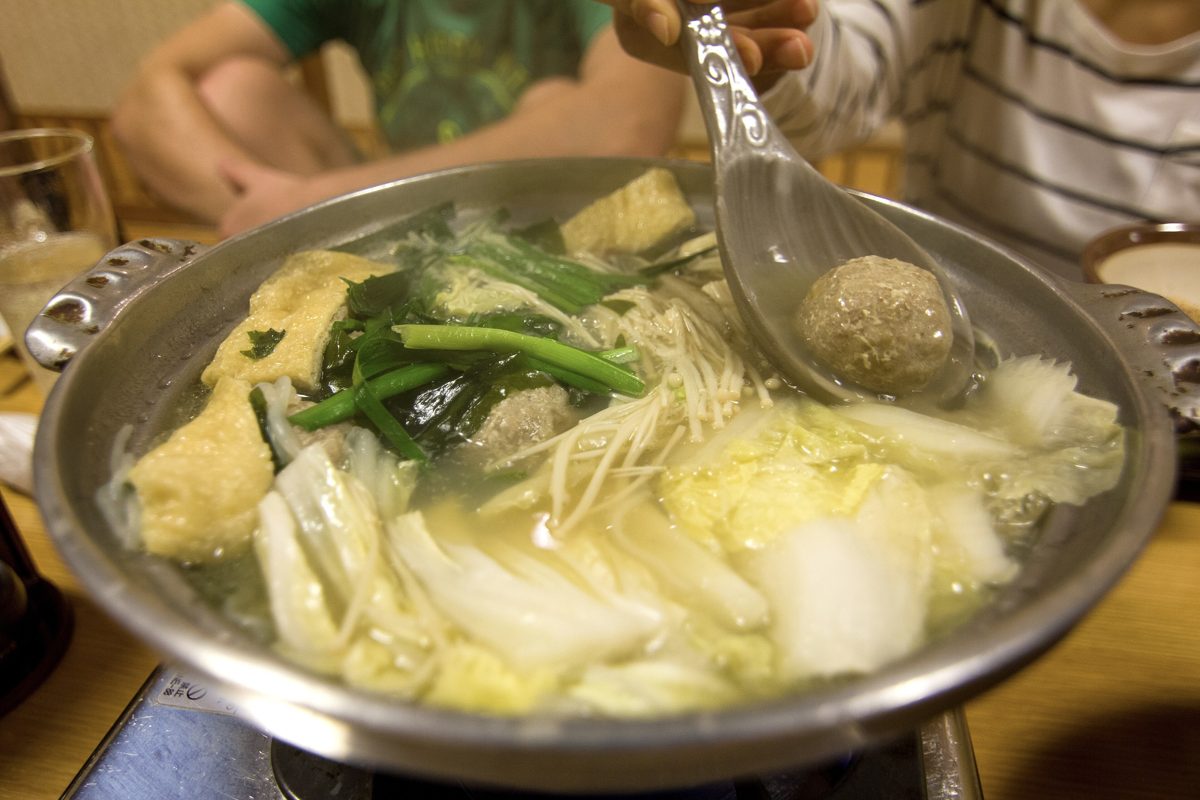
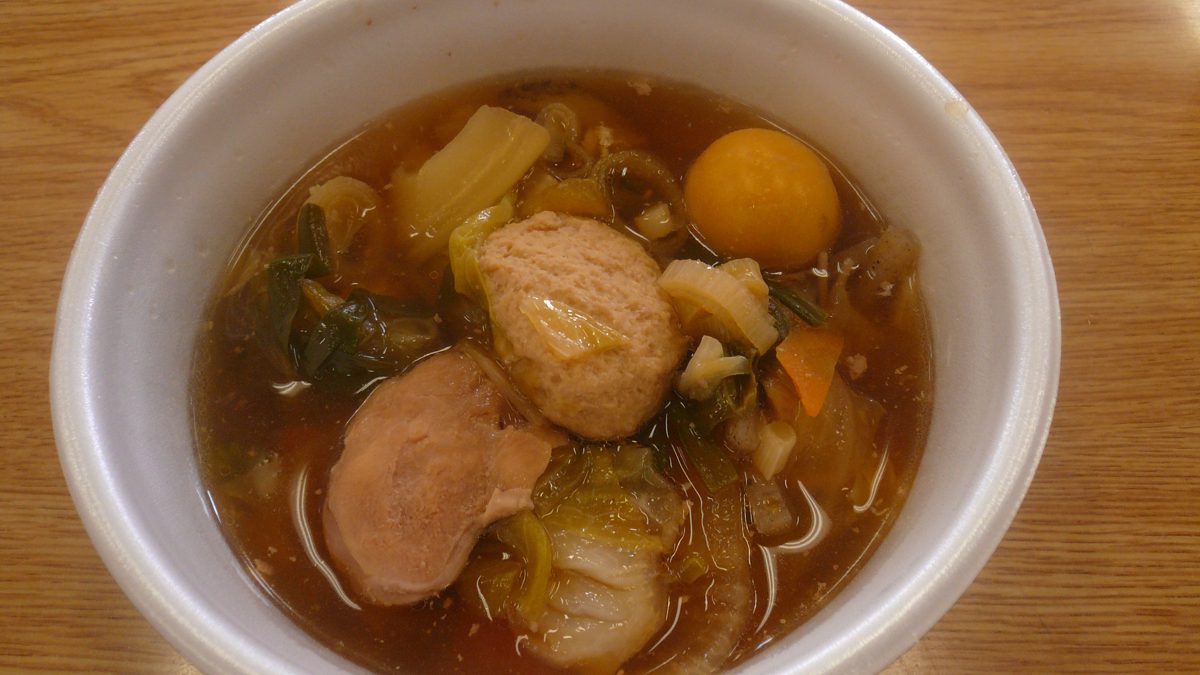
Chanko Edosawa explains that chanko originally means any food or meal cooked in a sumo stable by the wrestlers on cooking duty, and chanko nabe is the hot pot the wrestlers eat. Edosawa lists 12 basic ingredients for its pots, including Chinese cabbage, bean sprouts, burdock, carrot, enoki mushrooms, nira, long green onion, tofu and fried tofu.
Why is chicken the classic chanko meat?
Edosawa says that pork and beef were once kept out of chanko nabe because those animals stand on four legs, while chicken stands on two, which was considered lucky. It says the original chanko nabe was soppu-daki, a broth made from chicken and seasoned with soy sauce or miso. Toriyoshi, one of our six, says it once ran a chicken shop in Ryogoku that supplied chicken to sumo stables.
Does chanko nabe taste the same everywhere?
No, and that is the point of trying more than one. Chanko Kirishima blends soy, miso and salt over a chicken and pork bone base. Sumo Chaya Terao offers soy, miso, salt, curry and ponzu. Chanko Edosawa lets you choose salt, soy or miso. Chanko Tamakairiki offers salt, miso, soy and kimchi. Chanko Dojo sorts its pots by the main ingredient, from chicken meatballs to duck and fish. Kirishima and Terao list noodles or zosui rice porridge to cook in the last of the broth as a finish.
Chanko nabe from former sumo wrestlers in Ryogoku
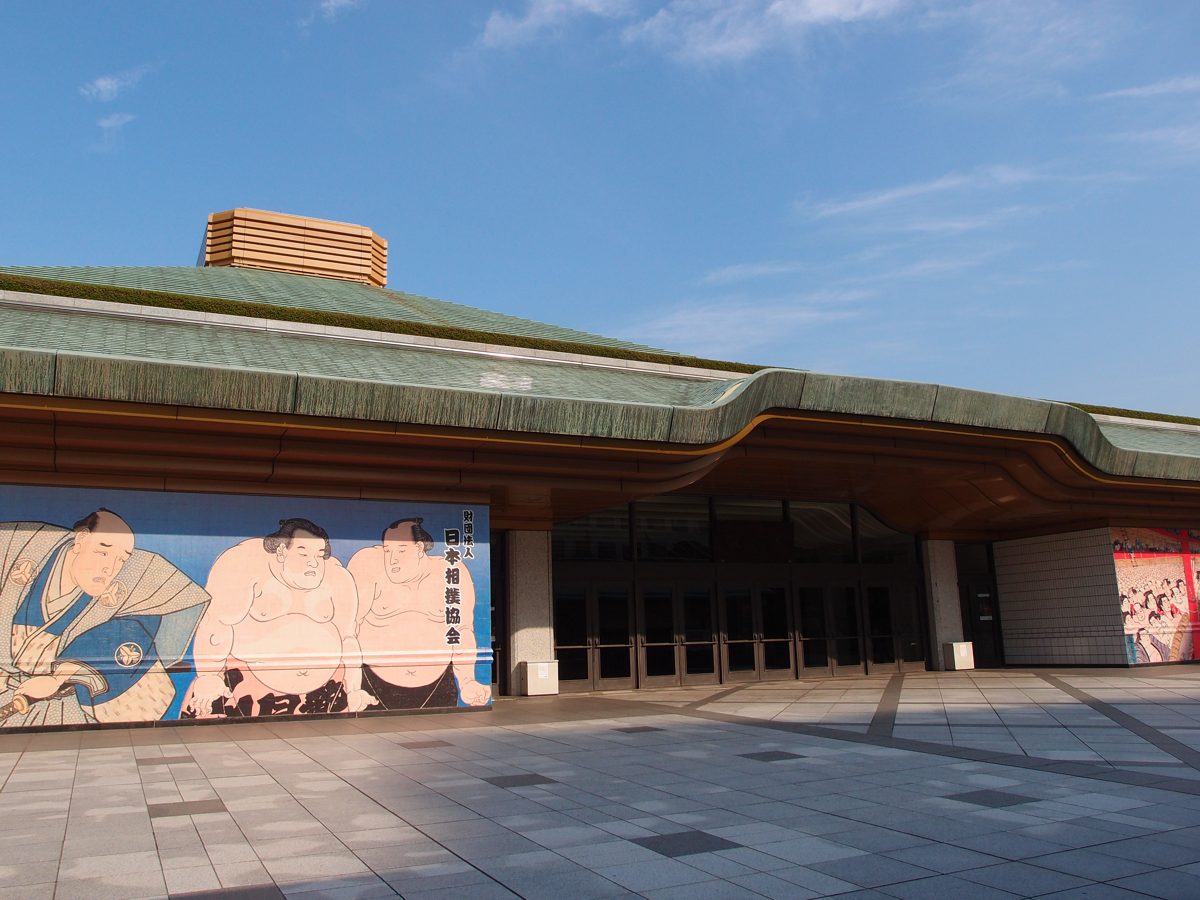
Sumo Chaya Terao: five broths and a 1,100-yen lunch
Sumo Chaya Terao says it was opened by the eldest of the Izutsu brothers, three brothers who were all professional sumo wrestlers. Its history page says the eldest reached the rank of juryo, and his younger brothers, who fought as Sakahoko and Terao, both reached sekiwake. It also says it cuts daikon radish into star shapes, after the white star that marks a win in sumo.
The hot pot is 2,500 yen per portion with tax for soy, miso, salt or curry broth (as of September 2026; chanko nabe page). It also offers a ponzu hot pot, but its Japanese and English pages give different prices for it, so check before ordering. You choose zosui, udon or Chinese noodles to finish. The site does not say whether dinner hot pots need a minimum number of portions. At lunch only, a service chanko nabe with your choice of finish is 1,100 yen (as of September 2026; lunch menu), and the menu page says lunch can be prepared for one guest. Its course page lists the Terao course at 4,400 yen, the Izutsu course at 5,500 yen and the Yokozuna course at 7,700 yen, with two hours of all-you-can-drink for 2,200 yen more.
It is at Ryogoku 2-16-5, VORT Ryogoku 1F, Sumida-ku, two minutes from the west exit of JR Ryogoku Station on the Sobu Line. Lunch is 11:30 to 13:30 on Tuesday, Wednesday, Thursday, Saturday and Sunday, with no lunch on Mondays or Fridays; dinner is 17:00 to 22:00. It closes on Mondays, but is open every day during the January, May and September tournaments. Bookings are by phone; it asks for cancellations two days ahead and may charge the full food price after that. It takes Visa, Mastercard, American Express, JCB, Diners and several Japanese cards, and has an English page with prices, all with tax.
Chanko Edosawa, Ryogoku Sohonten: soppu-daki from one portion
Chanko Edosawa says its founder was a former sumo wrestler who opened a chanko restaurant in Hamamatsu, Shizuoka, named after his ring name, and that the taste has been handed down since 1974. It does not name the wrestler, so neither do we. It says it keeps to soppu-daki, simmering its broth from the bones of old hens, which it says have a stronger chicken flavor.
On its September 2026 menu for the Ryogoku shops, chicken chanko is 2,280 yen, or 2,508 yen with tax, per portion, and seafood chanko and Ozeki chanko are each 2,680 yen, or 2,948 yen with tax (as of September 2026; official menu). You choose salt, soy or miso broth, and the menu says hot pots can be ordered from one portion. The menu notes that prices may differ by shop, so these figures are for the Sohonten, the main shop. Its course page lists courses with all-you-can-drink from 3,990 yen with tax, and a lunch-only course at 3,500 yen, all for two or more people; a same-day cancellation may incur a fee.
The Sohonten is at Ryogoku 3-24-11, Sumida-ku, one minute from the east exit of Ryogoku Station on the Sobu Line and three minutes from exit A4 on the Oedo Line. It opens 11:30 to 15:00 and 17:00 to 23:00, Monday to Saturday, with food last orders at 14:30 and 22:00, and 11:30 to 21:30 on Sundays and holidays, food last order 20:30. Its shop page lists web and phone booking, but no closing day, and its card section did not show which brands it takes. It says it has private rooms styled after a sumo stable, for groups of two or more. It does not mention English.
Chanko nabe restaurants by Ryogoku Station
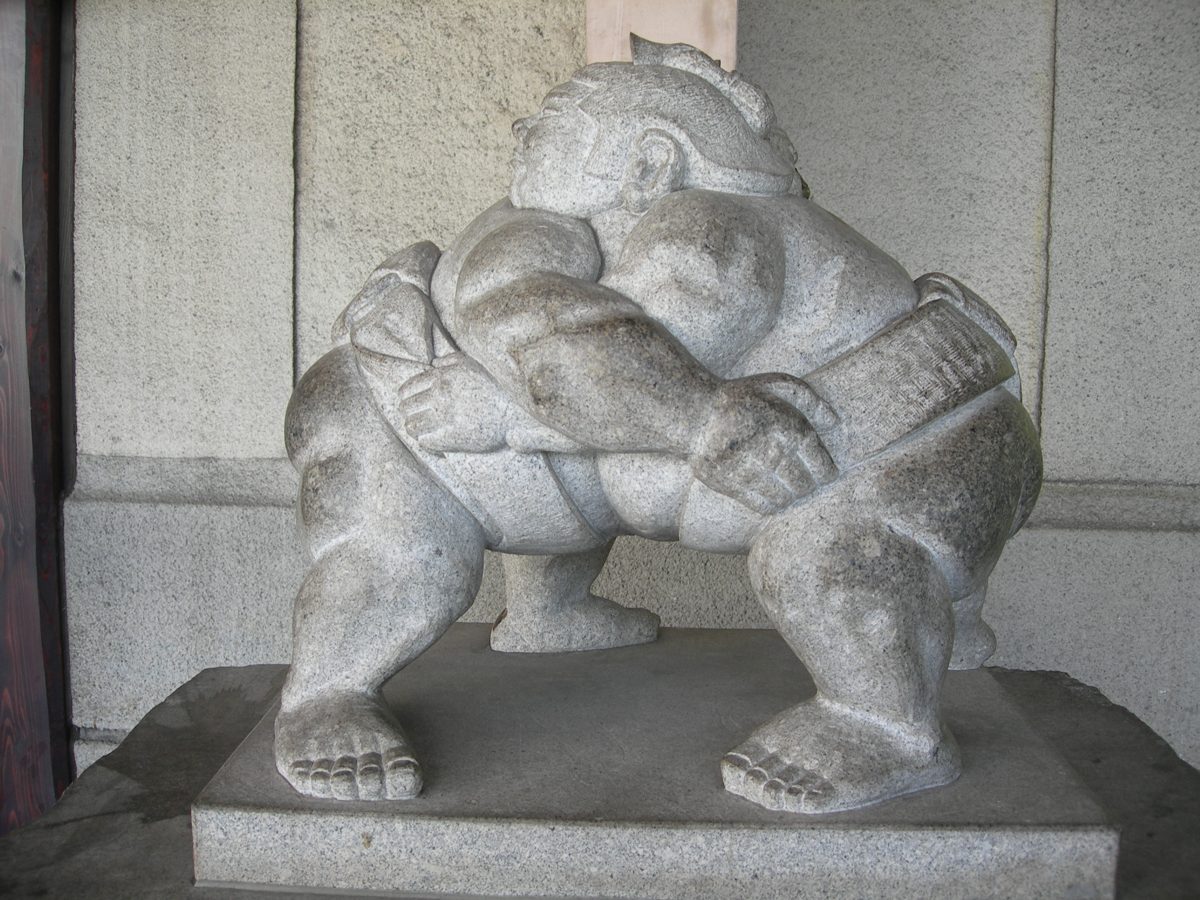
Chanko Kirishima: a stable recipe, one minute from the west exit
Chanko Kirishima’s main shop calls its hot pot Kirishima-aji, and says it is taught directly by the Michinoku stable of professional sumo: a chicken and pork bone base with a blended soy, miso and salt broth. It is 3,520 yen per portion, all prices with tax, and orders start at two portions (as of September 2026; main shop menu). Extra plates of vegetables, meat or seafood are 1,520 to 1,920 yen, and finishes are champon noodles or zosui at 770 yen, or udon or mochi at 660 yen.
For one person, the lunch menu has a paper-pot chanko set for 1,900 yen with tax, with a small side dish, three kinds of sashimi, pickles and rice, which the shop says can be ordered by one guest. The Juryo lunch course is 3,850 yen with tax per person. Evening courses are the Sekiwake at 6,000 yen, the Ozeki at 7,700 yen and the Yokozuna at 10,000 yen, or 8,530, 10,230 and 12,530 yen with 120 minutes of all-you-can-drink, ordered for the whole group of two or more.
The main shop is at Ryogoku 2-13-7, Sumida-ku, one minute from the west exit of JR Ryogoku Station and one minute from Ryogoku on the Oedo Line. On the days it is open, lunch is 11:30 to 15:00, last order 14:00, and dinner 17:00 to 22:00, last order 21:00. It closes on Mondays, and on Mondays and Tuesdays in June, July and August; closing days can move around holidays. It takes web and phone bookings, asks for changes by the day before, and charges 100 percent for no-shows and cancellations after the booking time. It has English menu pages. There is a second shop in Ryogoku, Edo NOREN; we checked prices only at the main shop, and the pages we read do not list payment methods.
Chanko Dojo, Ryogoku Ekimae: seven hot pots, two portions minimum
Chanko Dojo’s Ryogoku Ekimae shop sorts its hot pots by what goes in them. Per portion (the menu marks the first as including tax): chicken chanko with tsukune meatballs 2,300 yen, tsukune chanko 2,300 yen, tsumire fish ball chanko 2,550 yen, black pork chanko with tsukune 2,900 yen, duck chanko 2,900 yen and fish chanko with tsumire 3,900 yen (as of September 2026; official page). It also has a yokozuna chanko, but the same page gives it two different prices, so ask. Orders start at two portions.
Courses, with tax, are the Komusubi at 4,290 yen for six dishes, the Sekiwake at 5,450 yen and the Ozeki at 6,600 yen. At lunch, a small chanko set is 1,000 yen with tax, limited to ten a day, and a Ryogoku chanko set with fukagawa-meshi and sashimi is 1,600 yen. The shop is at Yokoami 1-3-12, Sumida-ku; its page does not give a walking time. It opens every day for lunch 11:30 to 14:30 and dinner 17:00 to 23:00, closing only over the New Year. It takes Visa, Mastercard, American Express and JCB, Suica and PASMO, and PayPay, d barai, Merpay and Alipay. It is non-smoking, says it is not barrier-free, and says it has no English menu. It takes online and phone bookings. Its site does not say who founded it.
Chanko nabe beyond the Ryogoku Station area
Chanko Tamakairiki, Ginza: a former wrestler’s company, dinner only
Chanko Tamakairiki’s company profile lists its president as a former professional sumo wrestler who fought as Tamakairiki. Its chanko page says the broth starts the day before with Hidaka kombu and small dried shiitake, then simmers beef tendon, pig’s feet, chicken bones and plenty of vegetables, and that each pot holds 17 ingredients, or 16 for salt. It keeps one ingredient of its salt chanko secret, telling readers to ask the staff.
The chain lists chanko nabe at 2,800 yen, or 3,080 yen with tax, per portion, in salt, miso, soy or kimchi (as of September 2026; chanko page). That page covers all its shops, not only Ginza. It does not state a minimum order for the hot pot. At Ginza, courses are 5,000, 6,000 and 7,500 yen with tax, for two or more people; all-you-can-drink is 2,500 yen with tax more, for groups of four or more ordering a course. Courses must be booked two days ahead, cancellations made a week ahead, and seating may be limited to two hours when busy.
The Ginza shop is on the 8th floor of Duplex Ginza Tower, Ginza 5-13-19, Chuo-ku, one minute from exit 4 of Higashi-Ginza Station and three minutes from exit A5 of Ginza Station. It is dinner only: from 17:00 on weekdays, last entry 22:00, and from 16:00 on Saturdays, Sundays and holidays, last entry 21:00. It is open all year except over the New Year, takes online bookings and major cards including American Express, Visa, JCB, Mastercard and Diners. It does not mention English. The company also runs shops in Musashi-Koyama and Akasaka; we checked prices only for Ginza. For another Japanese hot pot, see our shabu-shabu in Tokyo guide.
Toriyoshi, Ishiwara: chicken chanko from one portion, cash only
Toriyoshi, a fugu and chanko restaurant, is not a former wrestler’s shop. It says it used to run a chicken shop in Ryogoku and supplied chicken to sumo stables. Per portion, with tax: special chicken chanko 1,980 yen, tsukune chanko 1,760 yen and chicken motsu nabe 1,760 yen (as of September 2026; chanko page). Duck chanko, 2,200 yen, is paused because no duck is coming in, and a seafood chanko at 2,420 yen is served in winter only, from October to March. It says hot pots can be ordered from one portion. Banquet courses of 2,850 and 3,400 yen with tax, based on chicken chanko, are for five or more.
It is at Ishiwara 3-17-3, Sumida-ku, ten minutes from exit A2 of Ryogoku Station on the Oedo Line, 15 minutes from the east exit of JR Ryogoku or the north exit of JR Kinshicho, or by Toei bus to Ishiwara 3-chome. It is dinner only: 16:30 to 21:30, food last order 20:20, and on Saturdays 16:30 to 21:00, food last order 19:50. It is closed on Sundays, may open on holidays with Saturday hours, and posts a provisional list of each month’s closing days. Bookings are by phone. It does not mention English.
What does chanko nabe cost in Tokyo?
Chanko nabe prices in Tokyo, as published
| Restaurant | Hot pot, one portion | Minimum | Tax, per the site |
|---|---|---|---|
| Toriyoshi | 1,760 to 1,980 yen; seafood 2,420 yen, October to March | One portion | With tax |
| Chanko Dojo | 2,300 to 3,900 yen, plus 320-yen otoshi per person | Two portions | With tax |
| Sumo Chaya Terao | 2,500 yen; lunch pot 1,100 yen | Dinner not stated | With tax |
| Chanko Edosawa Sohonten | 2,508 to 2,948 yen | One portion | Before-tax and with-tax both shown |
| Chanko Tamakairiki | 3,080 yen | Not stated | Before-tax and with-tax both shown |
| Chanko Kirishima | 3,520 yen; revision notice posted | Two portions | With tax |
Why don’t chanko nabe prices compare directly?
Because the pots are not the same. Tamakairiki counts 17 ingredients, Edosawa lists 12 basic ones, and Kirishima, Terao and Dojo sell extra plates or finishes on top. Two of the six need an order of at least two portions, so the smallest hot pot order at Kirishima is 7,040 yen. Compare within a restaurant, not across them.
Do chanko nabe restaurants have a minimum order?
Two say so. Chanko Kirishima and Chanko Dojo take hot pot orders from two portions. Chanko Edosawa and Toriyoshi say one portion is fine. Sumo Chaya Terao and Chanko Tamakairiki do not state a minimum for a single hot pot, though Tamakairiki’s courses are for two or more, and Terao’s lunch can be made for one.
Are there any extra charges?
At Chanko Dojo, every guest pays a 320-yen otoshi. Several restaurants charge for cancellations: Kirishima charges the full price for no-shows and late cancellations, Terao may charge the full food price inside two days, and Edosawa may charge for same-day cancellations. The other restaurants do not mention extra charges on the pages we read.
Which chanko nabe prices may change soon?
Chanko Kirishima has posted a price revision notice, so check its menu first. Toriyoshi does not date its prices, though its notices are kept up to date. Chanko Tamakairiki’s hot pot price is from a page that covers all its shops. Edosawa’s menu is dated September 2026.
Booking, paying and eating alone at Tokyo chanko restaurants
Can I book a table?
Chanko Kirishima, Chanko Edosawa, Chanko Dojo and Chanko Tamakairiki link to web booking from their shop pages, and Kirishima and Edosawa also take phone bookings. Sumo Chaya Terao and Toriyoshi list only a phone number. Terao stays open every day during the Tokyo tournaments, which fall in January, May and September.
Can I pay by card?
At three of the six, per their own pages. Chanko Dojo takes major cards, Suica and PASMO and QR codes. Sumo Chaya Terao and Chanko Tamakairiki take major cards. Toriyoshi takes no credit cards. Chanko Kirishima and Chanko Edosawa do not list brands in the text we could read, so ask when you book.
Can I eat chanko nabe alone?
Yes, at four. Chanko Edosawa and Toriyoshi serve a hot pot from one portion. Sumo Chaya Terao can prepare lunch for one, and Chanko Kirishima has a paper-pot lunch set that one person can order. Chanko Dojo’s and Chanko Kirishima’s hot pots need two portions. For solo drinking and small plates, see our izakaya in Tokyo guide.
Can I bring children?
Toriyoshi says it does not accept children who cry, shout or move around, or guests with strollers, so families with small children should look elsewhere. Chanko Dojo says it is not barrier-free. Chanko Edosawa has private rooms for groups. The other restaurants do not describe rules for children.
Is there an English menu?
Chanko Kirishima has English menu pages, and Sumo Chaya Terao has an English page with prices. Chanko Dojo says it has no English menu. Chanko Edosawa, Chanko Tamakairiki and Toriyoshi do not mention English on the pages we read.
Which chanko nabe restaurant in Tokyo suits you?
For a restaurant opened by a sumo family, with a cheap lunch and an English page, Sumo Chaya Terao. For a hot pot for one near the east exit, Chanko Edosawa. For a stable recipe and English menus one minute from the west exit, Chanko Kirishima, for two or more. For a wide choice of pots near the station, Chanko Dojo, with the otoshi in mind. For dinner in Ginza, Chanko Tamakairiki. For a cheaper chicken pot a walk from the station, Toriyoshi, with cash and without a stroller. If you would rather try another Japanese pot, compare our sukiyaki in Tokyo guide, and for more chicken, our yakitori in Tokyo guide.
Frequently asked questions
How much does chanko nabe cost in Tokyo?
Can I order chanko nabe for one person in Tokyo?
Are chanko nabe restaurants in Tokyo run by former sumo wrestlers?
Why is chanko nabe made with chicken?
Is tax included in chanko nabe prices in Tokyo?
Can I pay by card at chanko nabe restaurants in Tokyo?
Can I bring children to a chanko nabe restaurant in Tokyo?
Is there an English menu at chanko nabe restaurants in Tokyo?
Bottom line (2026): One portion of chanko nabe in Tokyo costs from 1,760 yen with tax at Toriyoshi to 3,520 yen with tax at Chanko Kirishima, which has posted a price revision notice. Kirishima and Chanko Dojo need two portions; Edosawa and Toriyoshi serve one. Sumo Chaya Terao’s lunch pot is 1,100 yen, and Dojo adds a 320-yen otoshi.
Sources
Every price and rule on this page is from the restaurants’ and operators’ own websites, including menu images on those sites: Chanko Kirishima, Chanko Kirishima shops, Chanko Kirishima main shop menu, Chanko Kirishima courses, Chanko Kirishima lunch, Chanko Kirishima English course menu, Chanko Kirishima cancellation policy, Chanko Kirishima price revision notice, Sumo Chaya Terao, Sumo Chaya Terao chanko nabe, Sumo Chaya Terao menu and lunch, Sumo Chaya Terao courses, Sumo Chaya Terao history, Sumo Chaya Terao English page, Chanko Edosawa, Chanko Edosawa shop list, Chanko Edosawa Ryogoku Sohonten, Chanko Edosawa Ryogoku menu, Chanko Edosawa courses, Chanko Dojo Ryogoku Ekimae, Chanko Tamakairiki, Chanko Tamakairiki on its chanko, Chanko Tamakairiki Ginza, Chanko Tamakairiki Ginza courses, Chanko Tamakairiki company profile, Toriyoshi, Toriyoshi chanko nabe, Toriyoshi notices, Toriyoshi map, Toriyoshi banquets, all read on September 30, 2026. Menus, prices and hours change, so confirm on the official site before you go.
Some links on this page may be affiliate links, which means we may earn a commission if you book or buy through them — at no extra cost to you. See our affiliate disclosure.
Tokyo to Osaka, Tokyo to Kyushu, Tokyo to Hokkaido — day by day — plus seven places most visitors never reach.
- 12 pages, 80 photographs, every stop linked to its guide
- Every price and opening hour read from the official page
- Re-issued monthly, so it does not go stale in your inbox
Free. One email a month, plus the rare change that matters. Unsubscribe with one click in any email. By subscribing you agree to our privacy policy.