Tokyo has more sushi restaurants than any city on earth, and they span a price range of roughly ¥115 a plate to ¥40,000 a seat. The mistake most visitors make isn't choosing a "bad" one — the quality floor here is astonishing — it's not knowing the formats, so they either overpay for a mediocre tourist counter or never discover that the ¥2,000 conveyor meal and the ¥12,000 neighborhood counter are both spectacular in completely different ways.
This guide maps every format — conveyor belt, standing bars, neighborhood counters, omakase, market sushi — with what each roughly costs, how booking works (including the parts that are hard for foreigners), and the small amount of etiquette that actually matters.
Tokyo sushi at a glance: the five formats
| Format | Typical cost / person · booking · best for |
|---|---|
| Conveyor belt (kaiten) | ¥1,500–3,000 · no booking (app queue helps) · first meal, kids, fun |
| Standing sushi bar | ¥1,500–4,000 · walk in · fast quality, solo travelers |
| Neighborhood counter | ¥4,000–15,000 · book days ahead · the sweet spot most visitors miss |
| High-end omakase | ¥20,000–40,000+ · book well ahead, often prepaid · the bucket-list meal |
| Market sushi (Toyosu/Tsukiji) | ¥3,000–8,000 · queue from morning · breakfast sushi, atmosphere |
Conveyor belt: the best value in the city
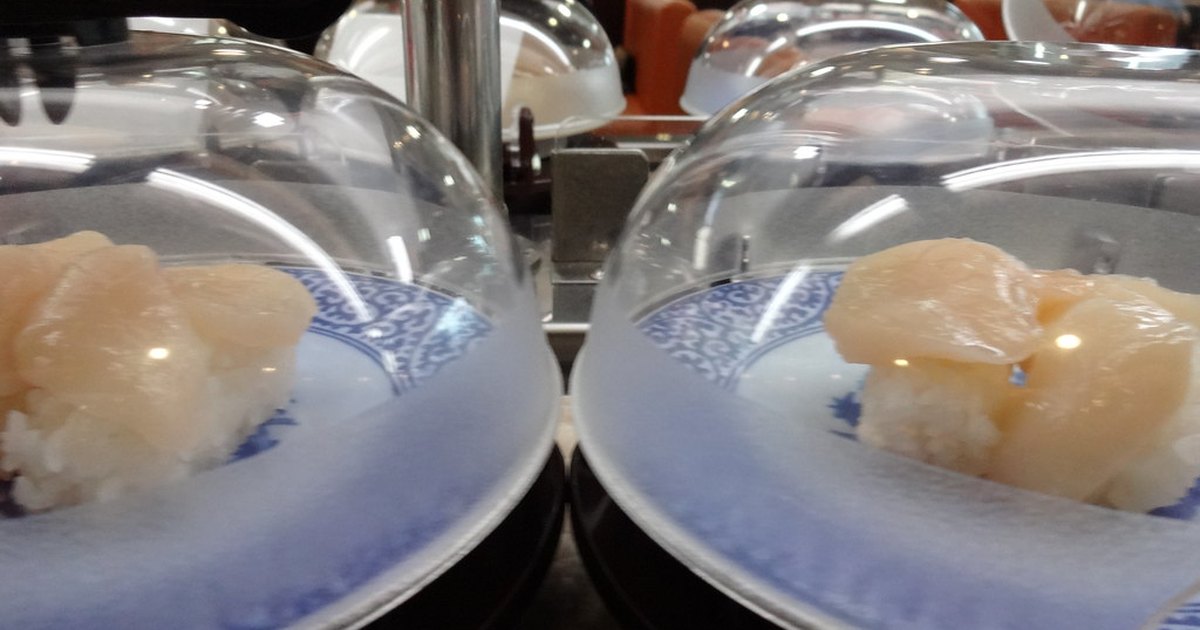
Start here even if you can afford not to. Tokyo's big kaiten chains are technological marvels — touch panels in English, express lanes delivering your order directly, plates from around ¥115–130, automatic bill counting — and the fish is far better than the price implies. We've covered the whole format in our conveyor-belt sushi in Tokyo guide, and done a full walkthrough of the most foreigner-friendly chain in the Kura Sushi guide — including the five-plate prize game your kids will not let you leave without playing.
Standing bars and neighborhood counters: the tiers tourists miss
Standing sushi bars (tachigui) are the salaryman's secret: a counter, no seats, a chef working fast, and excellent nigiri at ¥100–500 a piece. You're in and out in twenty minutes having eaten better than most sit-down tourist restaurants. Look for them around major stations.
One tier up, the neighborhood counter — a ten-seat local shop, often family-run for decades — is where Tokyo's best value-for-quality lives. Lunch sets at these places (often ¥1,500–3,500) are one of the great bargains in world food: the same fish as dinner, half the price. Dinner runs ¥8,000–15,000 and rewards booking a few days ahead. No English menu is common; pointing, or the word "omakase", both work fine.
Omakase: how the top tier actually works
At the top sit the counters where the chef decides everything — 15–20 pieces over about two hours, typically ¥20,000–40,000+ as of 2026. The food is one thing; the booking is the real obstacle course for visitors:
- Phone-only reservations, in Japanese, are still common at the classic counters. Your hotel concierge is the standard workaround — ask as soon as you book the room, not the week of.
- Prepayment or card guarantees are increasingly standard, a direct response to tourist no-shows. Treat a sushi booking like a flight: canceling late usually costs real money.
- Booking platforms (your hotel can point you to the current ones) list a growing number of counters in English — inventory opens 30–60 days out at many places and the famous names go in minutes.
- Allergies and dislikes are declared at booking, not at the counter. Mid-course menu requests are the one real faux pas at this tier.
Market sushi: Toyosu and Tsukiji
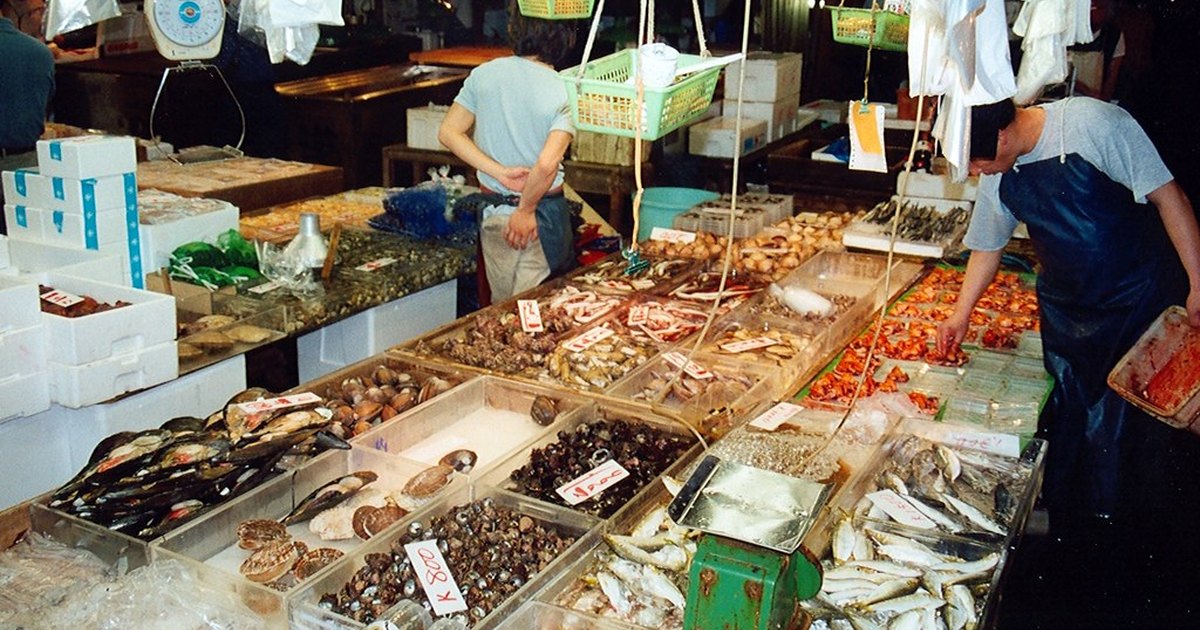
The wholesale market moved from Tsukiji to Toyosu, and the sushi restaurants moved with it — counters there open from early morning and the famous ones queue accordingly. It's the classic "sushi for breakfast" experience. The old Tsukiji Outer Market remains alive and excellent as a casual seafood and street-food quarter — grilled scallops, tamagoyaki on sticks, uni — and we cover it properly in our Japanese street food guide. Morning is the rule at both.
Is sushi in Tokyo actually worth it in 2026?
The honest math, tier by tier
Run the numbers against what sushi costs at home and the answer is rarely close. At the bottom, conveyor chains start at ¥115 a plate (Kura's current base price — tax included, no tipping anywhere in the system), which puts a filling, genuinely fresh meal at ¥1,500–3,000: less than a fast-casual lunch in most Western cities, for fish that would headline a mid-range restaurant abroad. The middle tier is Tokyo's best-kept secret — standing bars and neighborhood counters at ¥1,500–4,000 for lunch, ¥8,000–15,000 for a proper counter dinner — where you're paying a fraction of what equivalent skill costs in New York or London. And the top end? A ¥20,000–40,000 omakase is real money, but the same chef-fish-technique triangle books for two to three times that in Western capitals, when it exists at all. The 2026 twist that makes the case stronger for visitors: with the yen where it has traded these past few years, the dollar- or euro-converted price of every tier sits well below what the experience commands at home. The one way to make Tokyo sushi not worth it is the classic tourist error — paying mid-range prices at a tourist-trap counter near a landmark. Format knowledge, not budget, is what separates the great meal from the mediocre one here; that's exactly what the tiers above are for.
When is sushi NOT worth it in Tokyo?
Three scenarios, honestly: paying counter-dinner prices at a landmark-adjacent tourist shop (the one genuinely weak value in the city), booking a top-end omakase on your first-ever sushi night (you won't yet have the reference points the price is buying), and dragging someone who dislikes raw fish through a tasting menu they can't opt out of — conveyor formats, with their cooked and dessert plates, are the mixed-party answer.
The etiquette that actually matters
Sushi etiquette anxiety is mostly manufactured. The short list: dip the fish side, not the rice side, into soy (the rice falls apart otherwise — it's practical, not ceremonial). Fingers are fine for nigiri, always have been. Eat each piece in one bite if you can, and reasonably promptly at a counter where the chef is pacing you. No tipping, anywhere in Japan, full stop. That's genuinely the whole list — everything else you've read is either optional or invented.
(Not eating fish? One chain's own allergen table marks its inari — the tofu-pouch sushi — as containing mackerel. See the vegetarian guide.)
(Want to make it rather than just order it? Several English-friendly schools teach sushi from scratch — prices, dietary reality and the cancellation fine print are in our Tokyo cooking-class guide.)
(For the formal end of Japanese dining — seasonal course cuisine with real published prices — see our Tokyo kaiseki guide.)
(At the other end of the price scale, our Hama Sushi guide shows what 110 yen a plate actually buys: 40kg tuna, in-store cutting and a one-second searing spec.)
FAQ
How much does sushi cost in Tokyo?
Do I need a reservation for sushi in Tokyo?
What is omakase?
Is conveyor-belt sushi in Tokyo actually good?
What sushi etiquette actually matters?
Where should I eat sushi near the fish market?
Is sushi in Tokyo worth it in 2026?
What’s the best value sushi format for a first visit?
How much should I budget for sushi across a week in Tokyo?
Sources
Format descriptions and price bands compiled from Japanese restaurant listings, chain menus and market information, checked July 29, 2026. Prices are per-person typical ranges that vary by shop and season — no individual restaurant's current menu is quoted, deliberately. Chain-level specifics (ordering systems, plate prices) are documented in our conveyor-belt and Kura Sushi guides, which are checked against the operators' official sites.
Some links on this page may be affiliate links, which means we may earn a commission if you book or buy through them — at no extra cost to you. See our affiliate disclosure.
Tokyo to Osaka, Tokyo to Kyushu, Tokyo to Hokkaido — day by day — plus seven places most visitors never reach.
- 12 pages, 80 photographs, every stop linked to its guide
- Every price and opening hour read from the official page
- Re-issued monthly, so it does not go stale in your inbox
Free. One email a month, plus the rare change that matters. Unsubscribe with one click in any email. By subscribing you agree to our privacy policy.