When can you still cancel a Japanese hotel for free? We read the official cancellation terms of 27 hotels across Japan, from Tokyo business districts to onsen towns and Niseko ski lodges, and put them in one table. The short answer: most big city hotels charge from the day before, onsen ryokan and resorts from 3 days out, some from 7, 14 or 20 days, three hotels use a clock time the day before, and the Niseko lodges have no free window at all in winter.
This is the second of our cross-hotel tables. The first, on the age at which children stay free, showed how much Japanese hotels differ on a rule that looks standard. Cancellation differs even more.
The table: when free cancellation ends at Japan hotels
| Hotel | Area | Free to cancel | First charge | Day before | On the day |
|---|---|---|---|---|---|
| The Busena Terrace | Okinawa | 21+ days before | 5% from 20 days | 50% | 100% |
| Nishimuraya Honkan | Kinosaki Onsen | 15+ days before | 10% from 14 days | 70% | 100% |
| Nakanobo Zuien | Arima Onsen | 11+ days (holiday eves), 8+ (weekdays) | 20% from 10 days / 30% from 7 | 80% | 100% |
| Sapporo Grand Hotel | Sapporo | 8+ days before | 20% from 7 days | 80% | 100% |
| Konansou | Kawaguchiko | 8+ days before | 20% from 7 days | 50% | 100% |
| Halekulani Okinawa | Okinawa | 8+ days before | 20% from 7 days | 50% (from 3 days) | 100% |
| Hotel Okura Tokyo Bay | Maihama | 8+ days before | 20% from 7 days | 20% | 80% |
| Fujiya Hotel | Hakone | 4+ days before | 30% from 3 days | 50% | 100% |
| Hakone Ginyu | Hakone | 4+ days before | 30% from 3 days | 50% | 100% |
| Takayama Green Hotel | Takayama | 4+ days before | 30% from 3 days | 50% | 100% |
| Chorakuen | Tamatsukuri Onsen | 4+ days before | 30% from 3 days | 50% | 100% |
| Hotel Collective | Naha | 4+ days before | 30% from 3 days | 100% | 100% |
| Enoshima Island Spa | Enoshima | 4+ days before | 20% from 3 days | 80% | 100% |
| Hotel Taikanso | Matsushima | 4+ days before | 30% from 3 days | 50% | 100% |
| Keio Plaza Hotel Tokyo | Shinjuku | 3+ days before | 50% from 2 days | 80% | 100% |
| Hotel New Otani Tokyo | Akasaka | 3+ days before | 10% from 2 days | 20% | 80% |
| Maihama View Hotel | Maihama | 2+ days before | 50% the day before | 50% | 100% |
| Park Front Hotel at USJ | Osaka | 2+ days before | 20% the day before | 20% | 80% |
| Kamakura Prince Hotel | Kamakura | 2+ days before | 20% the day before | 20% | 80% |
| Hotel Okura Kyoto | Kyoto | 2+ days before | 20% the day before | 20% | 80% |
| Hotel Granvia Osaka | Osaka | 2+ days before | 20% the day before | 20% | 80% |
| Shiroyama Hotel Kagoshima | Kagoshima | 2+ days before | 20% the day before | 20% | 80% |
| Hotel Granvia Kyoto | Kyoto | Until 16:00 the day before | One night | One night after 16:00 | One night |
| Hotel Chinzanso Tokyo | Mejiro | Until 15:00 the day before | One night | One night after 15:00 | One night |
| Swissotel Nankai Osaka | Namba | Until 18:00 the day before | First night | First night after 18:00 | First night |
Percentages are of the room charge as each hotel defines it (some include consumption tax, some use the basic rate). “One night” means the hotel charges a full night rather than a percentage. Two more hotels appear below: the Niseko lodges Skye Niseko and Ki Niseko, whose winter deposits do not fit the table. InterContinental Osaka and The Ritz-Carlton Fukuoka publish no general policy.
Three patterns in Japan hotel cancellation policies
Big city hotels: the day before, at 20 percent
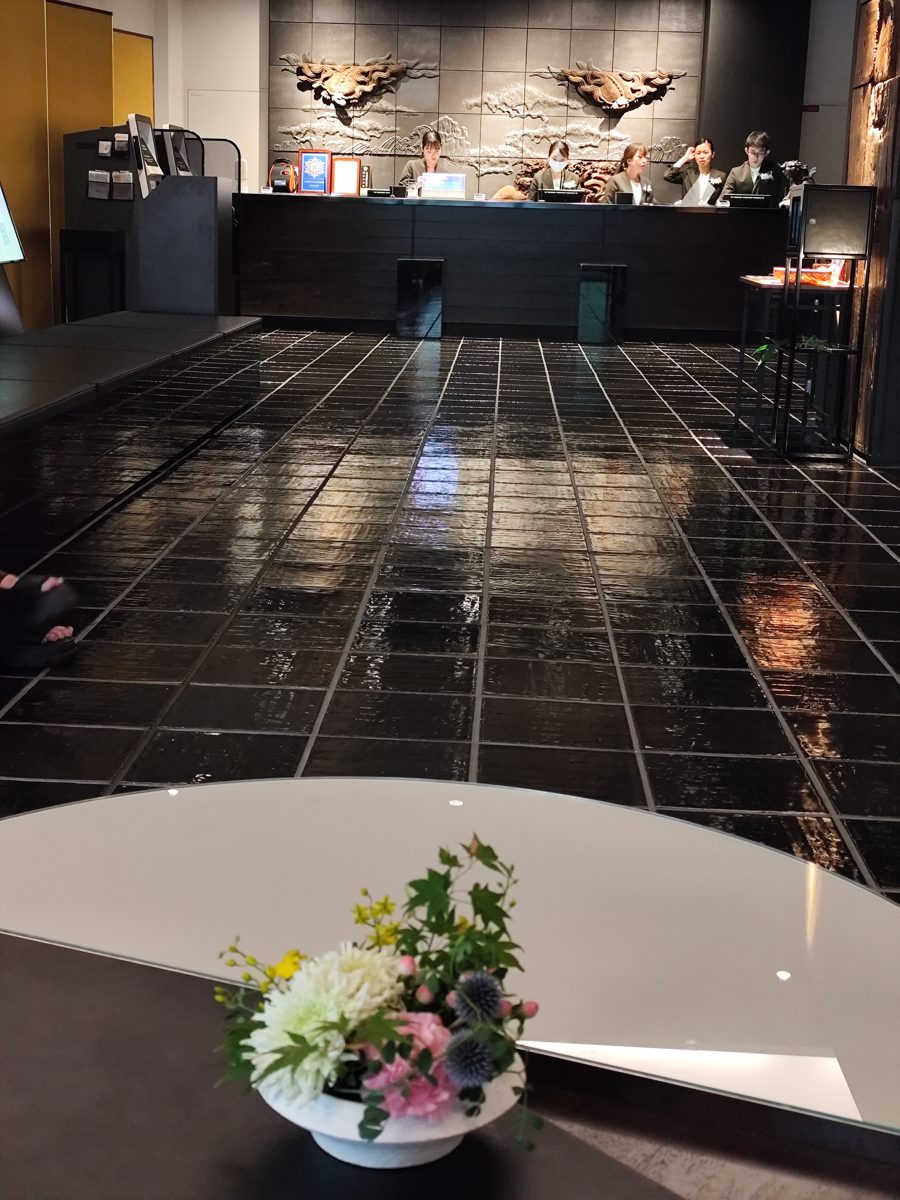
Six of the city hotels start charging the day before. The most common scale is 20 percent the day before, 80 percent on the day, 100 percent for a no-show, printed almost word for word by the Park Front Hotel at USJ, Kamakura Prince Hotel, Hotel Okura Kyoto, Hotel Granvia Osaka and Shiroyama Hotel Kagoshima. Keio Plaza and Hotel New Otani start one day earlier, and Maihama View Hotel jumps straight to 50 percent the day before. Our Park Front Hotel article shows the standard scale in context.
Onsen ryokan and resorts: three days, at 30 percent
The onsen hotels cluster at a different line: 30 percent from three days before, then 50 percent the day before. Fujiya Hotel and Hakone Ginyu in Hakone, Takayama Green Hotel, Chorakuen and Hotel Taikanso all use it or something close, and Enoshima Island Spa starts at 20 percent from three days. Hotel Collective in Naha charges 30 percent from three days and then the full amount from the day before.
A clock time, not a day
Three city hotels set the deadline by the hour. Hotel Chinzanso Tokyo: free until 15:00 the day before, then one night. Hotel Granvia Kyoto: free until 16:00 the day before on bookings made on its own website, then one night. Swissotel Nankai Osaka: free until 18:00 the day before on its flexible rate. Our Chinzanso article explains how the 15:00 line works with its early check-in rule.
The hotels that start charging early in Japan
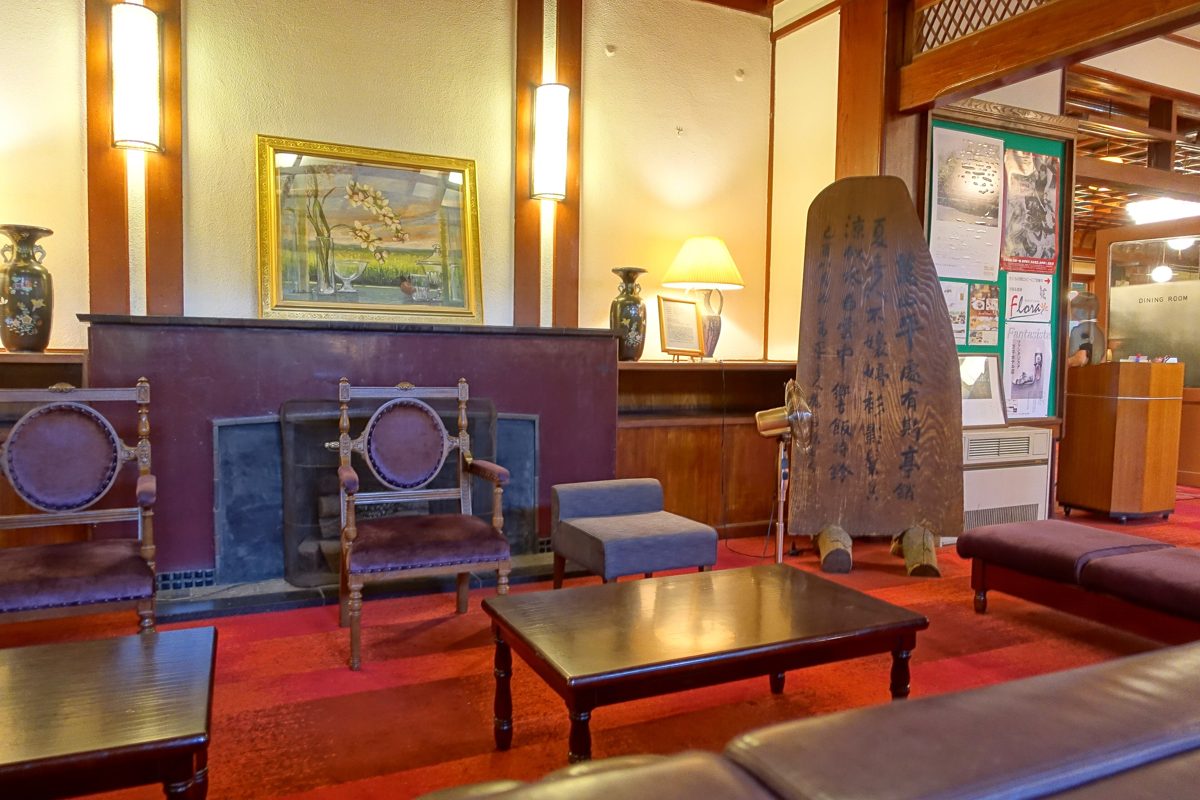
The Busena Terrace: 20 days out
The earliest in the table. Under the terms and conditions of The Busena Terrace in Okinawa, an individual booking of 1 to 14 guests is charged 5 percent from 20 days before, 20 percent from 7 days, 50 percent from 3 days and the day before, and 100 percent on the day or for a no-show. This is the policy our Busena Terrace article had wrongly described as unpublished; it has been corrected.
Nishimuraya Honkan: 14 days out
The Kinosaki ryokan charges 10 percent from 14 days for one or two rooms, then 30 percent from 5 to 7 days, 50 percent from 2 to 3 days and 70 percent the day before. Its published table skips 4 days and 8 to 13 days and does not say what applies then. See our Nishimuraya Honkan article for its other rules.
Nakanobo Zuien: 10 days before a holiday
The Arima Onsen ryokan charges 30 percent from 7 days on weekdays, but for a Saturday or the night before a holiday it starts at 20 percent from 10 days. On its peak days, from December 29 to January 3, May 3 and 4 and August 11 to 16, the charge starts at 20 percent 14 days out.
The seven-day group
Sapporo Grand Hotel, Konansou at Kawaguchiko, Halekulani Okinawa and Hotel Okura Tokyo Bay all start at 20 percent from 7 days. Sapporo Grand then goes to 50 percent at 3 days and 80 percent the day before; Konansou to 30 percent at 3 days and 50 percent the day before; Hotel Okura Tokyo Bay stays at 20 percent until the day itself.
Niseko: no free cancellation window in winter
Deposits instead of a scale
Skye Niseko and Ki Niseko publish the same structure for winter stays, from December 1 to March 31. A booking confirmed more than 60 days before check-in takes a 20 percent deposit; within 60 days the full amount is taken and is not refundable. Cancel within 7 days of paying, while still more than 60 days out, and there is a 10,000 yen administration fee; after that the deposit is kept.
Summer is more forgiving
From April to November, one- and two-night stays are free to cancel until more than two days before check-in, then 50 percent two days before and 100 percent within a day. Longer summer stays follow a 10,000 yen, 20 percent, 100 percent ladder. Our Skye Niseko article covers the deposits in detail.
The fine print behind each hotel cancellation policy
Group bookings start earlier
Almost every set of terms has a separate table for groups, and the group line can be low. Keio Plaza’s standard scale covers up to 10 rooms, Hotel Collective’s up to 7 rooms, Hotel Granvia Osaka’s up to 7 people and Fujiya Hotel’s fewer than 15. Above those lines, charges start 9, 20 or even 60 days out. A family booking several rooms together can cross into the group table without meaning to.
The no-show clock
Separately from the cancellation table, most terms say a booking may be treated as canceled if you have not arrived or called by a set time on the day. In the terms we read that time is 18:00 at Hotel Collective, 19:00 at Nishimuraya Honkan, 20:00 at The Busena Terrace, Keio Plaza, Shiroyama Hotel and Nakanobo Zuien, 21:00 at Hotel Okura Tokyo Bay and 22:00 at Hotel Granvia Osaka. Most add “or two hours after the arrival time you gave”. A late flight is a reason to call, not to hope.
Weather: two hotels say something
Halekulani Okinawa waives cancellation fees once airlines announce they are waiving flight cancellation fees, but applies its normal scale if you cancel before that. Chorakuen in Tamatsukuri Onsen says it charges nothing for last-minute cancellations or date changes caused by bad weather. The others in the table are silent on weather.
Shortening a stay counts
Several terms treat leaving early or reducing the number of guests as a partial cancellation. The Busena Terrace and Shiroyama Hotel charge the first canceled night; InterContinental Osaka charges 100 percent of the next night’s room if you shorten after arrival, and nothing back on prepaid plans.
How to use this table when you book a hotel in Japan
Book direct if flexibility matters
The hotels in this table describe their own direct-booking terms. When a hotel says agency or package bookings follow different rules, check those rules rather than this table. If you might change plans, compare the cancellation line of each rate before you choose.
Count days the Japanese way
Hotel terms count back from the date of stay: “the day before” is the calendar day before check-in, and “3 days before” is three calendar days before. Deadlines are Japan time. If a hotel gives a clock time, such as 15:00 at Chinzanso, that is 15:00 Japan time, which may be the middle of the night where you are.
Prepaid and non-refundable rates
A prepaid or non-refundable plan sits outside every table on this page. InterContinental Osaka states it plainly: on prepaid plans nothing is refunded for the stay, and shortening after arrival costs the next night in full. Nakanobo Zuien notes that some of its plans require prepayment or cash only. If a rate is cheaper than the hotel’s flexible rate, assume the difference is the cancellation right you are giving up.
Booking two or three rooms for one family
Several hotels set their standard scale by number of rooms rather than guests: up to 7 rooms at Hotel Collective, up to 10 at Keio Plaza, one or two at Nishimuraya Honkan, where three to five rooms already pay 25 percent from 14 days. A family or a group of friends booking several rooms under one name can find itself on a stricter row. Ask the hotel which row applies before you pay.
Screenshot the policy
When you book, save the cancellation line that appears on the confirmation screen. If a hotel’s default changes, or a package has its own terms, that screenshot is the policy you agreed to.
(Another companion table: our hotel parking fees comparison checks 41 Japanese hotels against their official pages; the median is 2,000 yen a night and five are free.)
(For the late arrival side: our late arrival deadlines table of 53 hotels and chains finds 8 p.m. the most common deadline, in 29 of 53 terms, and 46 of 53 move it to two hours after the arrival time you gave.)
Frequently asked questions
When does free cancellation usually end at Japanese hotels?
Which Japanese hotel in the table starts charging earliest?
Is the policy on a booking site the same as the hotel’s own?
What counts as a no-show in Japan?
Do Japanese hotels waive fees for typhoons or bad weather?
Why is Niseko different?
Are group bookings treated differently?
Which hotels do not publish a cancellation policy?
Bottom line (2026): Of 27 Japanese hotels checked on their own pages, most big city hotels charge from the day before, usually 20 percent; onsen ryokan and resorts from 3 days out at 30 percent; some from 7, 14 or 20 days; three use a clock time the day before (15:00, 16:00, 18:00); and Niseko lodges have no free window in winter. Packages and agency bookings can differ from all of it.
Sources
Each row is from the hotel’s own site, read on September 24, 2026. The Niseko rows are from the terms and conditions of Skye Niseko and Ki Niseko. Terms change, and plans override them, so confirm with the hotel before you book.
- The Busena Terrace: official page
- Nishimuraya Honkan: official page
- Nakanobo Zuien: official page
- Sapporo Grand Hotel: official page
- Konansou: official page
- Halekulani Okinawa: official page
- Hotel Okura Tokyo Bay: official page
- Fujiya Hotel: official page
- Hakone Ginyu: official page
- Takayama Green Hotel: official page
- Chorakuen: official page
- Hotel Collective: official page
- Enoshima Island Spa: official page
- Hotel Taikanso: official page
- Keio Plaza Hotel Tokyo: official page
- Hotel New Otani Tokyo: official page
- Maihama View Hotel: official page
- Park Front Hotel at USJ: official page
- Kamakura Prince Hotel: official page
- Hotel Okura Kyoto: official page
- Hotel Granvia Osaka: official page
- Shiroyama Hotel Kagoshima: official page
- Hotel Granvia Kyoto: official page
- Hotel Chinzanso Tokyo: official page
- Swissotel Nankai Osaka: official page
Some links on this page may be affiliate links, which means we may earn a commission if you book or buy through them — at no extra cost to you. See our affiliate disclosure.
Tokyo to Osaka, Tokyo to Kyushu, Tokyo to Hokkaido — day by day — plus seven places most visitors never reach.
- 12 pages, 80 photographs, every stop linked to its guide
- Every price and opening hour read from the official page
- Re-issued monthly, so it does not go stale in your inbox
Free. One email a month, plus the rare change that matters. Unsubscribe with one click in any email. By subscribing you agree to our privacy policy.