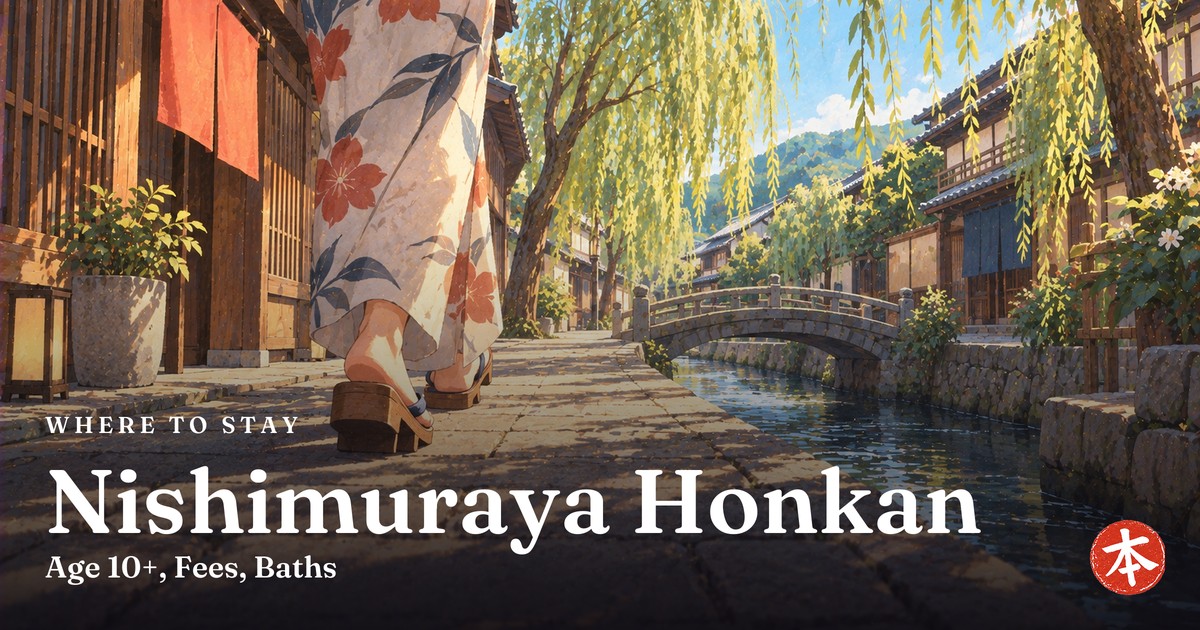
Nishimuraya Honkan is the old ryokan of Kinosaki Onsen: 29 rooms around a garden of pines and koi ponds, a two-floor museum of the family’s art, three hot-spring bathhouses, and more than 160 years under one name in a town that has been a spa for 1,300. It is also a place with firm rules, printed in English on its own site: a check-in window of 15:00 to 18:00, dinner at 17:30, no children under 10 since 2024, and a cancellation scale that starts 14 days out. Book it knowing those, and the rest is yukata and crab.
Everything below is from the ryokan’s official English site: the Terms and Conditions for Accommodation Contracts, the facilities, onsen and access pages, and the booking page. Room rates are not here; the child rule, fees, hours and routes the ryokan publishes are.
Nishimuraya Honkan at a glance
| Item | Official rule |
|---|---|
| Check-in / check-out | 15:00-18:00 / 7:30-11:00. Late checkout 2,500-3,500 yen per hour, to noon. |
| Children | Age 10 and over only (since April 1, 2024); child rate for elementary age; three family groups a day. |
| Cancellation (1-2 rooms) | 14 days 10%, 7 days 30%, 3 days 50%, day before 70%, same day and no-show 100%. |
| No-show cutoff | Not arrived by 19:00 without contact may be treated as canceled. |
| Meals | Dinner 17:30-19:00; breakfast sittings 7:45, 8:15, 9:00. |
| Baths | Three in-house (Kichino-yu, Fukuno-yu, Shouno-yu), 15:00-24:30 and 5:30-10:30; free entry to Kinosaki’s public bathhouses. |
| Payment | In full at checkout; cash, JCB, Visa, Mastercard, Amex, Diners, UnionPay, Alipay and others. |
| Station | Kinosaki Onsen Station, 15-20 min walk or free shuttle by arrangement. |
| Parking | Free valet. |
Official terms, facilities, onsen and access pages, read September 16, 2026.
What is Nishimuraya Honkan, and which room should I book?
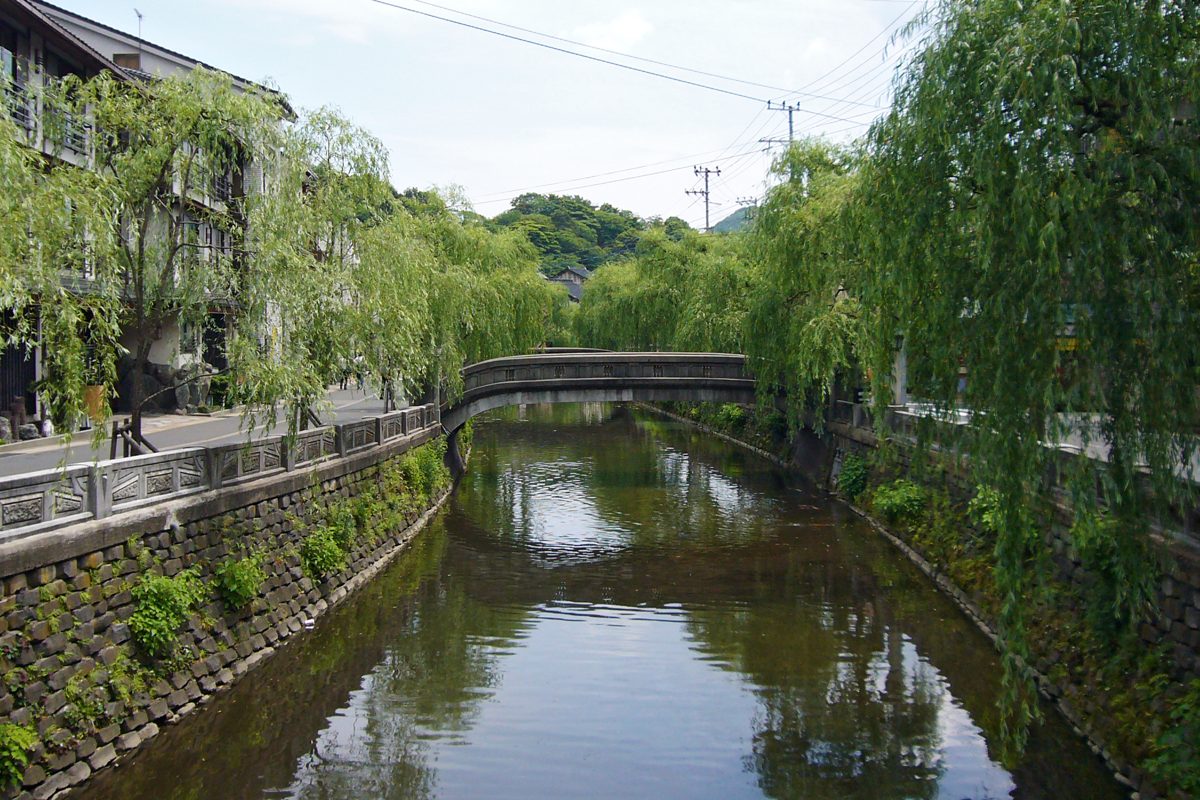
The main house of the Nishimuraya family, which also runs the larger Hotel Shogetsutei up the hill, in the middle of Kinosaki’s willow-lined canal town in Toyooka, Hyogo. The building wraps a central Japanese garden of old pines, moss-covered stone figures and koi ponds that many rooms face; the lobby lounge Seigetsuro mixes old European furniture with Japanese architecture and has Wi-Fi; a museum on two levels shows calligraphy and paintings by Munakata Shiko and Watanabe Kazan, pottery by Kitaoji Rosanjin and Kawai Kanjiro, and local straw craft. Rooms run from the Traditional and Traditional Superior through named rooms (Hatsune, Asuka, Yamabuki, Sakura) to the suites (Matsu, Botan, Ginsen, Horai, Kangetsu, Kumoi, Honjin) and the Hiratakan annex, which has its own bath, Shouno-yu, facing the annex courtyard.
What is Kinosaki Onsen?
A hot-spring town in Toyooka, Hyogo, on the Sea of Japan side of Kansai, that the ryokan’s access page dates to 1,300 years ago, when a stork was seen healing its wounds in the spring. It draws over a million visitors a year, was praised in the 1700s by the physician Kagawa Shutoku as the best spring in Japan, and gave the novelist Shiga Naoya the setting for At Kinosaki. The town is built around seven public bathhouses along a willow-lined canal, and its whole point is walking between them in yukata and geta after dinner; in winter the draw is the Matsuba snow crab. Nishimuraya Honkan sits in the middle of that walk, a few minutes from Goshono-yu and Ichino-yu.
Is it the same as Nishimuraya Hotel Shogetsutei?
No. Shogetsutei is the sister hotel, a 10-minute walk or free shuttle away, with the private open-air baths and the Fuka relaxation salon that Honkan guests may book for a separate fee, in advance, subject to closures. Honkan is the smaller, older house with meals in private dining rooms and the Senrei dining hall. Our ryokan guide explains the per-person, two-meal pricing both use.
What does the ryokan give guests in town?
Free entry to all of Kinosaki’s public bathhouses, the seven sotoyu that the town is built around: Ichino-yu (8 minutes’ walk, for luck), Goshono-yu (5 minutes, for beauty), Jizou-yu (12 minutes, for healing) and the rest. Guests do the round in the ryokan’s yukata and geta; the town calls itself the best place in Japan to wear one.
Check-in between 15:00 and 18:00, dinner at 17:30
Why does check-in close at 18:00?
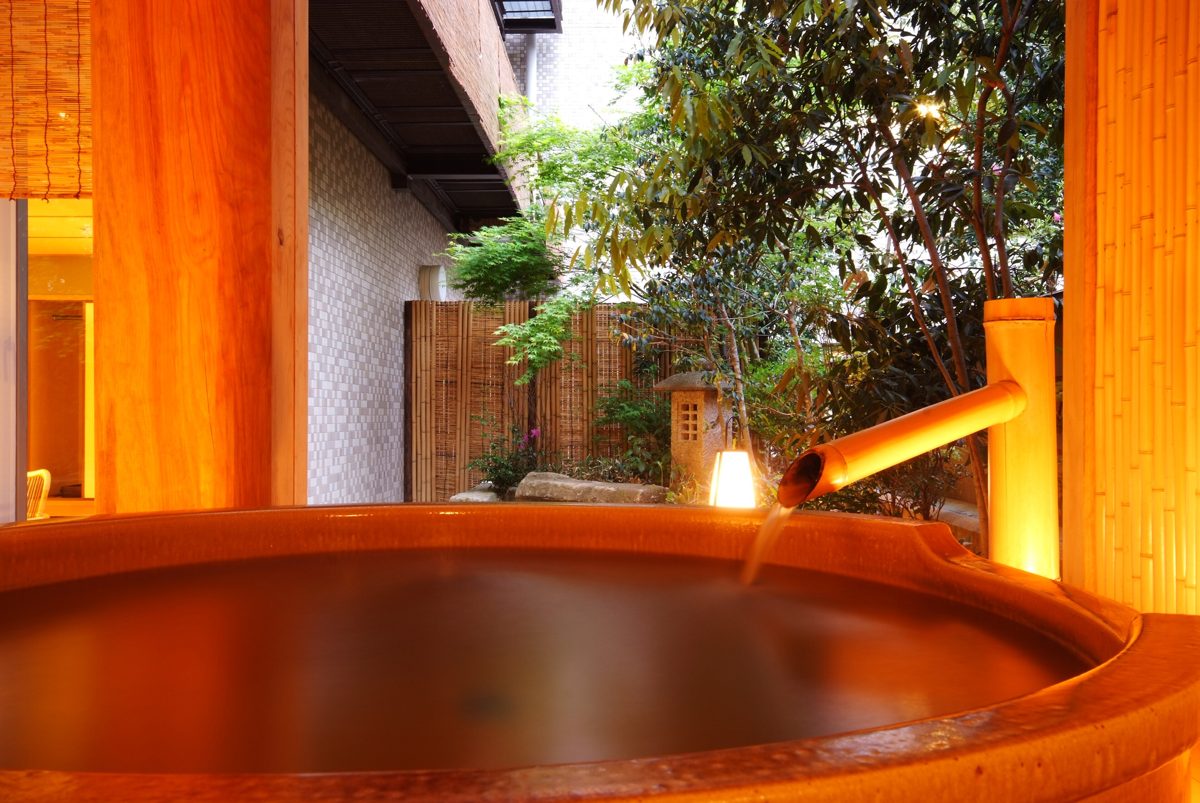
Because dinner is served 17:30 to 19:00 and the kitchen cooks a kaiseki course for a fixed number of guests. The facilities page prints check-in as 15:00 to 18:00 and checkout as 7:30 to 11:00; the terms add that a guest who has not arrived by 19:00 without notice, or two hours after an arrival time they gave, may be treated as having canceled and charged the no-show fee. Tell the ryokan your train.
Can I stay past 11:00?
If the room is free, at 2,500 to 3,500 yen per hour depending on room type, and as a basic rule only until noon. On consecutive nights you keep the room all day between arrival and departure.
When are breakfast and the other facilities open?
Breakfast is in three sittings, 7:45, 8:15 and 9:00. The front desk runs 5:00 to 2:00 with the cashier closing at 22:00 and a night clerk after that; the shop 8:00 to 21:00; the lobby lounge 7:30 to 22:30. Seasonal kaiseki is served April to November and the Matsuba crab menus November to March, the reason winter is the town’s high season; our Japan in November guide covers timing a crab trip.
When do I pay?
In full at checkout, in yen cash or by card (JCB, Visa, Mastercard, American Express, Diners, UFJ, UC, Nicos, China UnionPay) or Alipay. Paying in advance is allowed if you prefer, the ryokan may ask for a deposit, and paying after checkout is not permitted without a prior agreement.
Cancellation: 10 percent from 14 days out
| When you cancel | 1-2 rooms | 3-5 rooms | 6-9 rooms | 10+ rooms |
|---|---|---|---|---|
| 30 days before | — | — | — | 10% |
| 15 days before | — | — | 25% | 25% |
| 14 days before | 10% | 25% | 25% | 25% |
| 7 to 5 days before | 30% | 30% | 30% | 30% |
| 3 to 2 days before | 50% | 50% | 50% | 50% |
| Day before | 70% | 70% | 80% | 100% |
| Day of stay / no-show | 100% | 100% | 100% | 100% |
Official terms, read September 16, 2026. Percentages are of the reservation rate; a booked plan may set its own scale.
Does it apply to dinner-only bookings?
Yes. The terms say the same schedule applies to guests who book lunch or dinner without staying, counting “guests” in place of rooms. A no-show means not arriving and not contacting the ryokan. This is a longer scale than the Hakone ryokan we have covered; Hakone Ginyu starts three days out, and this one two weeks.
Children: 10 and over only, since April 2024
The terms carry two notices. From June 1, 2022, reservations with children are limited to three groups a day. From April 1, 2024, reservations with children are limited to children aged 10 or older, and the booking page states it plainly: the minimum age to stay is 10, and children 0 to 9 cannot stay. The child rates still printed for younger ages are therefore moot; what applies is a rate for children of elementary-school age that includes a children’s kaiseki dinner, bedding, yukata and a breakfast ticket, varying by season, room and menu.
Is there an alternative in Kinosaki for younger children?
The ryokan does not say. The public bathhouses and the town are open to families, so a family with a small child would stay elsewhere in Kinosaki and still see the same streets; ask the sister hotel Shogetsutei about its own policy, which we have not verified.
The baths: three inside, seven in town
What are the three bathhouses?
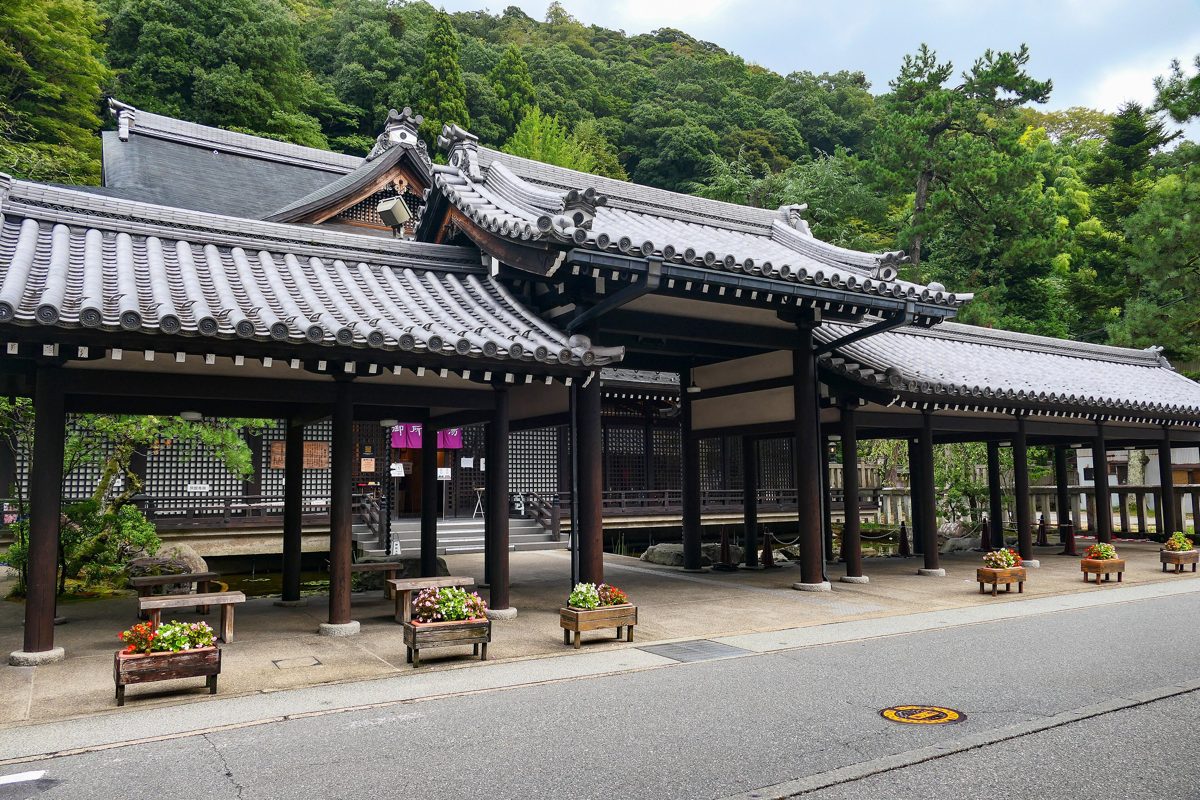
Kichino-yu, Japanese-style, in cypress, with a large indoor bath and an open-air bath set in a bamboo grove lit at dusk, fed from a source near Onsenji temple. Fukuno-yu, Chinese-style, built of round shapes, patterned tiles and rock, with the character for good fortune set into the floor. Shouno-yu, in the Hiratakan annex, an indoor bath looking onto the annex courtyard through the seasons. The water is a mild saline spring with bromide and chloride, heated and diluted, listed for rheumatism, nerve and joint pain, skin conditions and fatigue; our onsen law guide explains what heated and diluted mean on a Japanese label.
When are they open?
Kichino-yu and Fukuno-yu 15:00 to 24:30 and 5:30 to 10:30; Shouno-yu 15:00 to 23:00 and 6:30 to 9:30, per the onsen page. The terms print an older 12:00 to 0:30 and 5:30 to 10:00 for the large bath, so confirm at check-in if a midday soak matters.
Are tattoos allowed?
For the town’s seven public bathhouses, yes: the official Visit Kinosaki guide says all seven allow tattoos of all sizes, with no need to cover them. It adds that baths in accommodations may have different rules, and the ryokan’s site does not say for its own baths, so ask before booking.
What about the private baths?
They are at Shogetsutei: the Private Spa in the Forest, private open-air hot-spring baths with a rock sauna and lounge in three styles, and the Fuka salon for aroma massage and reflexology. Both are off site, cost extra, need advance reservation and close on some days; Honkan reserves them for you and runs the free shuttle.
For the seven in town, Kulture Kween’s Six Bathhouses, Two Nights, One Yukata is a first-hand account of the bath crawl itself: two nights on the free pass from the ryokan, and the one bathhouse that was shut for renovation during the stay.
Getting there, luggage and parking
Which train do I take?
JR limited expresses, all reservation-required: Konotori from Osaka (about 2 hours 40 minutes, also from Amagasaki), Kinosaki from Kyoto (about 2:30), Hamakaze from Sannomiya in Kobe (about 2:30) or from Himeji (about 2:00). The Kansai Railway Pass does not cover these JR trains; Sannomiya is Kobe’s main JR station. Highway buses from Osaka also run.
How do I get from the station?
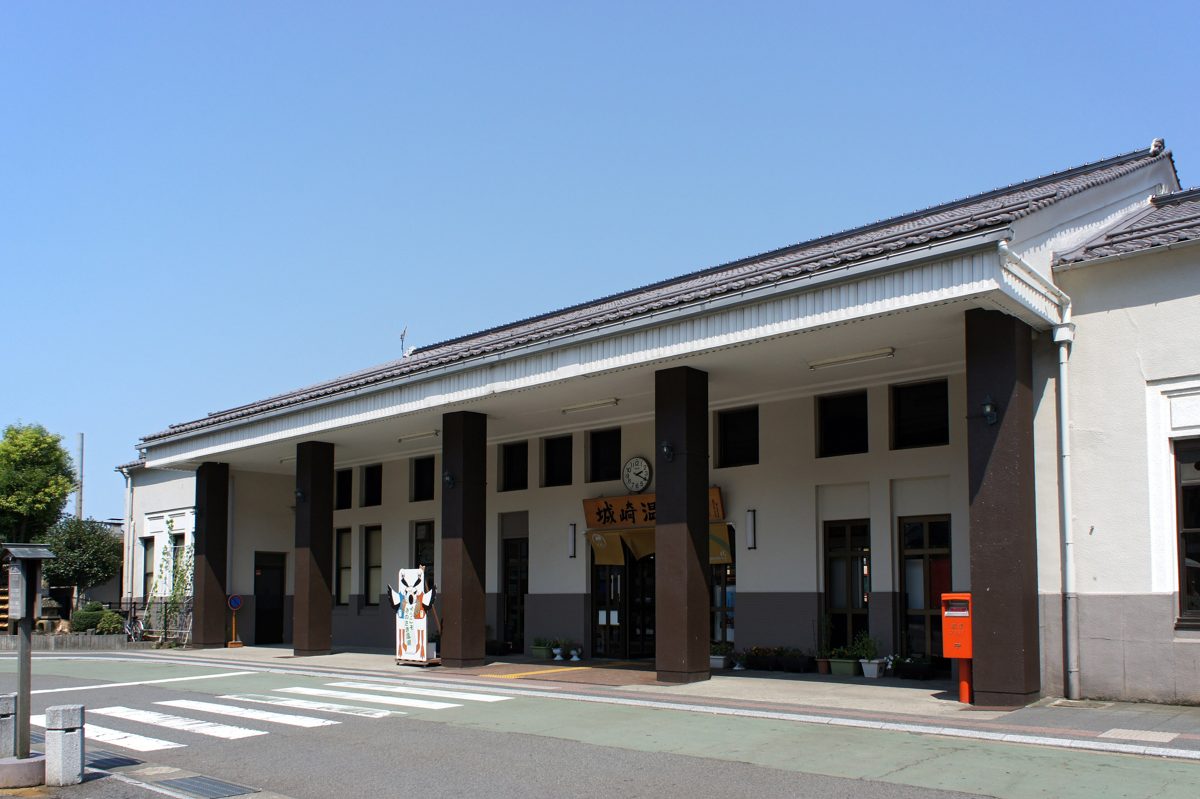
Walk 15 to 20 minutes, or take the free shuttle the Kinosaki ryokan association runs from the station after certain limited expresses: send the ryokan your arrival time before the day, and tell the shuttle staff you are staying at Nishimuraya Honkan. The tourism center across from the station checks bags 9:00 to 17:00 for 200 yen per item if you arrive before the room; sending a suitcase ahead is easier still, per our luggage forwarding guide.
Is there a museum, and can I see it without staying?
The museum is inside the ryokan, on two levels, and the site describes it for guests: photographs of Kinosaki and the family over 165 years, calligraphy and paintings by Munakata Shiko, Watanabe Kazan and the statesmen Ito Hirobumi and Inukai Tsuyoshi, pottery by Kitaoji Rosanjin, Arakawa Toyozo and Kawai Kanjiro, and local Tamba and Izushi ware and straw craft. The page does not say whether non-guests may enter, so we do not claim it. The gift corner keeps shop hours, 8:00 to 21:00.
Is there parking?
Free valet parking: drive through the gate, stop at the front, and staff take the bags and the car. Osaka is about 2 hours 20 minutes by the Chugoku Expressway, Kyoto about 2:30, Kobe 2:15, Himeji 1:50, Toyooka-Izushi IC about 18 minutes; winter chain rules and closures apply on the mountain roads.
Who Nishimuraya Honkan is for
Couples and adult groups who want the oldest house in Kinosaki, meals in a private room and the town’s seven baths free. It is closed to children under 10, expects you by 18:00, and charges from two weeks out, so it suits fixed itineraries, especially in crab season.
Frequently asked questions
What time is check-in and check-out at Nishimuraya Honkan?
Can I stay with children?
What is the cancellation policy?
What are the baths, and when are they open?
Are tattoos allowed?
How do I get there from Osaka, Kyoto or Kobe?
Can I use the private baths and spa?
When is crab season?
Bottom line (2026). Check in between 15:00 and 18:00, out by 11:00; no children under 10 since April 2024; cancellation runs 10, 30, 50, 70 and 100 percent from 14 days out for one or two rooms; dinner is 17:30 to 19:00; the three house baths open 15:00-24:30 and 5:30-10:30, and the seven town bathhouses are free to guests.
Sources
Rules and figures are from Nishimuraya Honkan’s official English site (nishimuraya.ne.jp/honkan/en): the Terms and Conditions for Accommodation Contracts, the facilities page, the onsen page, the access page and the booking page, all read on September 16, 2026.
Some links on this page may be affiliate links, which means we may earn a commission if you book or buy through them — at no extra cost to you. See our affiliate disclosure.
Tokyo to Osaka, Tokyo to Kyushu, Tokyo to Hokkaido — day by day — plus seven places most visitors never reach.
- 12 pages, 80 photographs, every stop linked to its guide
- Every price and opening hour read from the official page
- Re-issued monthly, so it does not go stale in your inbox
Free. One email a month, plus the rare change that matters. Unsubscribe with one click in any email. By subscribing you agree to our privacy policy.