Food & Drink– category –
What locals actually eat
-

Hama Sushi (2026): The 90-Yen Weekday Plate Is Gone, and the Same Fish Costs Different Money Depending on the Lane
Hama Sushi's famous weekday 90-yen plate no longer exists, and its own menu carries a line most people miss: conveyor-lane branches price some items lower than the rest. There are four separate menus, five soy sauces chosen per fish, and an allergen policy that refuses substitutions outright. -
Kobe Beef in Japan (2026): The Bronze Statue Test, the A5 Myth, and What the Beer Legend Gets Wrong
Real Kobe beef comes from about 6,820 cattle a year — under 0.2% of Japan's beef — and every legitimate restaurant displays a bronze statue and registration certificate under an official system you can verify by 10-digit number. The producers' own FAQ debunks the beer-and-massage legend, and the grading floor is A4, not the A5 of tourist menus. From the official council's pages. -
CoCo Ichibanya (2026): How to Order Japan’s Curry Giant — the Real Spice Ladder to Level 20, and the Rules That Changed
CoCo Ichi's spice scale now runs to Level 20 — with gates at 5, 10 and 15 you must literally earn by finishing the previous tier — and the base pork curry is ¥646 (¥21 more in Tokyo and Osaka than most of Japan). Rice from 150–400g, nearly 40 toppings, a plant-based curry, and the halal facts most guides get wrong. From official pages. -
Ekiben (2026): Japan’s Train Bento — Where to Buy at Tokyo Station, the Self-Heating Boxes, and Why You Must Shop Before Boarding
The shinkansen food cart is gone — Tokaido trolley sales ended in October 2023 — which makes the ekiben hall your last stop before boarding. Tokyo Station's 'Matsuri' stocks 150-plus regional bento from 5:30 a.m., pull-string boxes heat themselves, and the classics run ¥1,180–1,480. The whole culture, priced from official pages. -
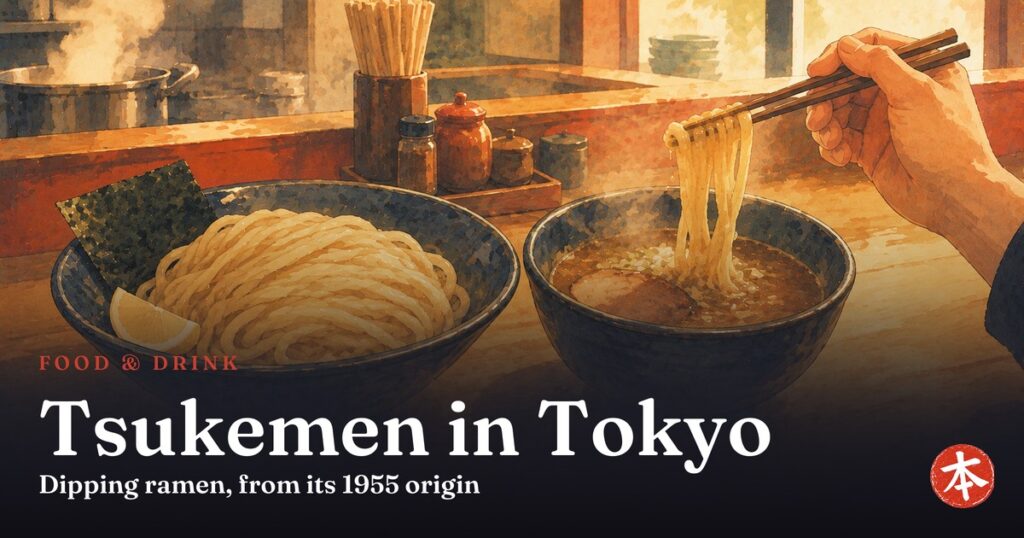
Tsukemen in Tokyo (2026): Where Dipping Ramen Was Born, the 7:30 A.M. Rokurinsha Trick, and How to Order It Right
Tsukemen — thick noodles dipped into concentrated broth — was born at a Tokyo shop in 1955, and the city still sets the standard: Rokurinsha's Tokyo Station queue (beatable at 7:30 a.m.), Fu-unji's 15-seat cult counter (¥1,000, now open daily), Tsujita's three-stage eating method. The origin story, the etiquette, and the shops — from official pages only. -
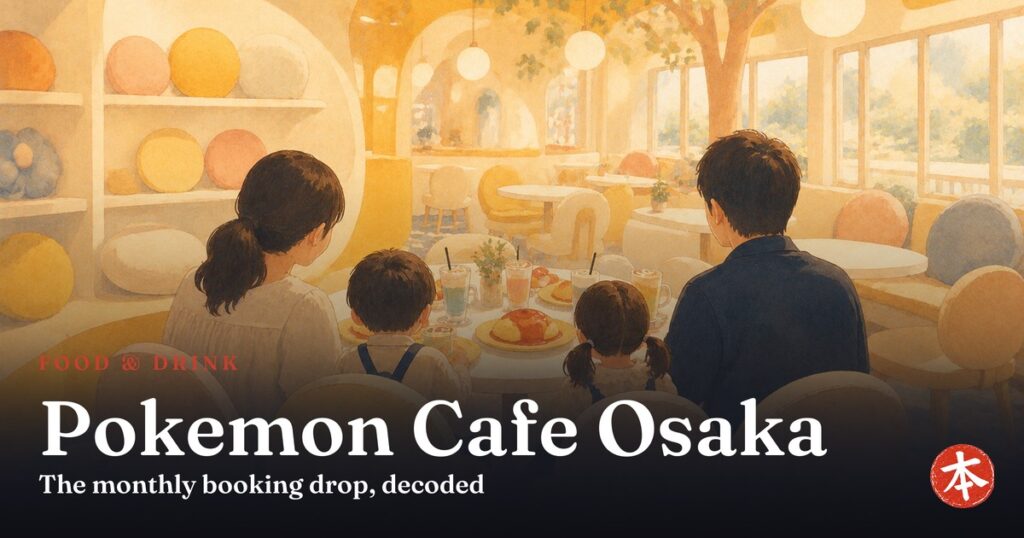
Pokemon Cafe Osaka (2026): Booking, the Real Menu Prices, and How It Differs From Tokyo
The Shinsaibashi Pokemon Cafe runs on the same monthly ticket-drop system as Tokyo — but with different seat rules, a different meeting time and its own booking site. Here's the current reservation playbook, the full 2026 menu with official prices (curry plate ¥2,530, Pikachu parfait show included), and the Tokyo-vs-Osaka differences no one else documents. -
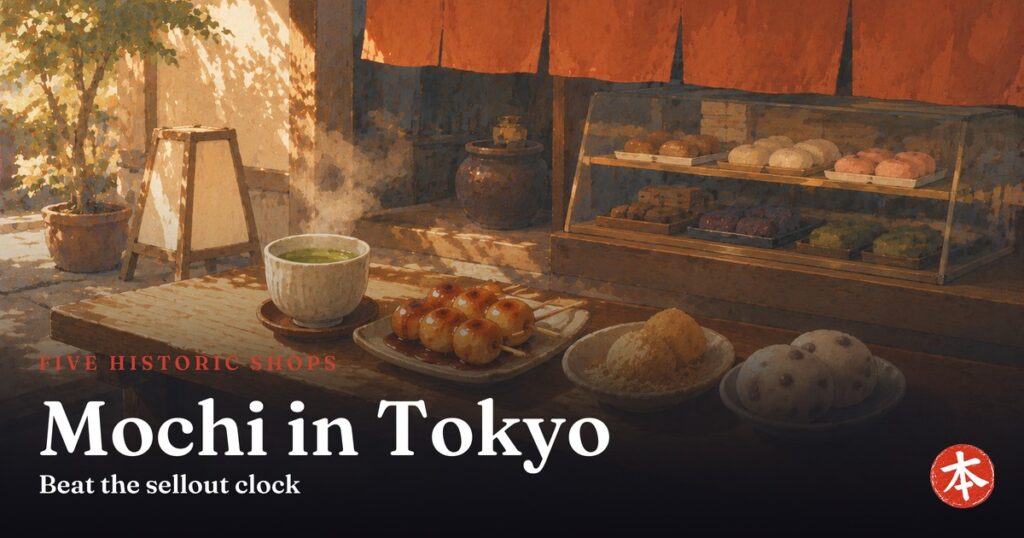
Mochi in Tokyo (2026): Five Historic Shops, the Sellout Clock, and a ¥237 Masterpiece
Tokyo's great mochi is sold by shops older than the word 'Tokyo' — an 1819 dango house in Nippori, a riverside kusamochi maker, Shinjuku's ¥237 mitarashi — and almost all of them run on one rule guides ignore: when it sells out, the shutters close. Where to go, when to arrive, what the shops officially publish (and honestly don't), plus the mochi-eating safety advice Japan's own government issues. -
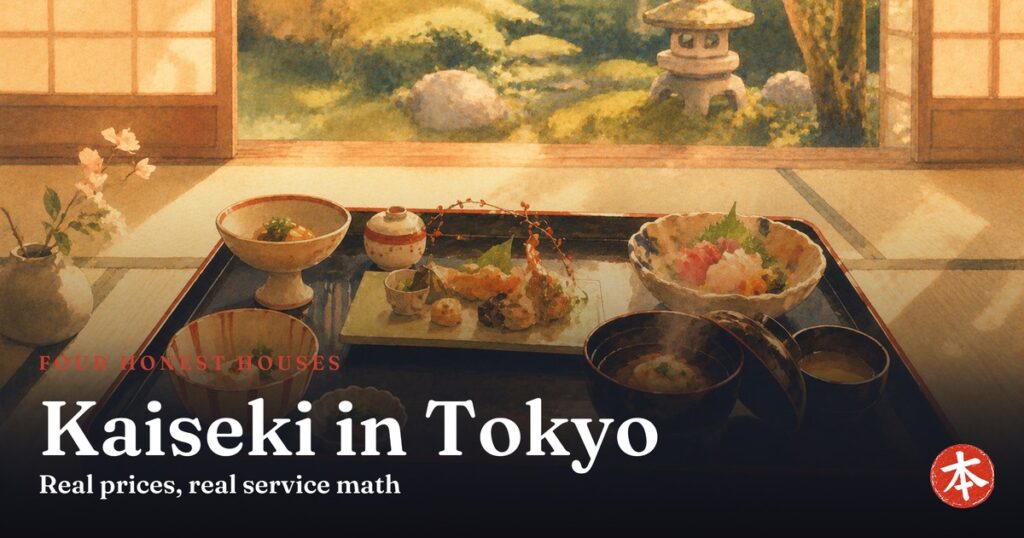
Kaiseki in Tokyo (2026): Four Houses With Real Published Prices — and the Service-Charge Math Nobody Does
Tokyo's kaiseki scene can be entered for ¥9,000 all-inclusive at the Imperial Hotel's Nadaman or crowned at ¥99,000 in a New Otani garden villa — but comparing menus is a trap: some houses quote tax-in-plus-20%-service, others fold everything in. Here's the honest math for four restaurants with official published prices, the 30-minute lunch window at Kikunoi, and the famous names to stop recommending. -
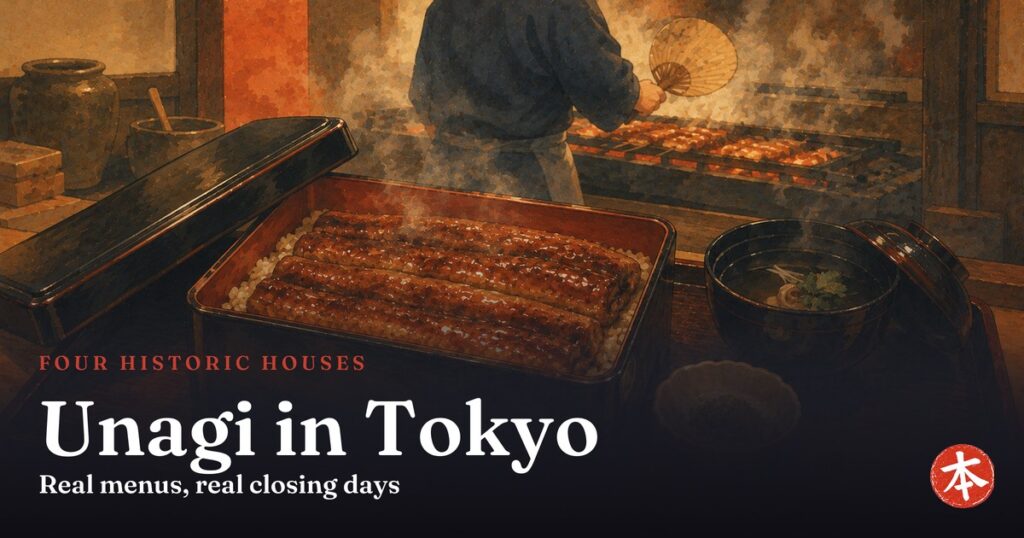
Best Unagi in Tokyo (2026): Four Historic Eel Houses, Real Menus — and the Day the Famous One Closes
Tokyo's grilled-eel institutions publish real menus if you know where to look: Nodaiwa from ¥3,900 (plus 10% service — and closed on eel day itself), Izuei in Ueno where 'matsu' is the cheapest grade, not the top, and Tsukiji's Miyagawa Honten, closed Saturdays. Four houses, official prices, the kanto steaming method, and the traps English guides keep falling into. -
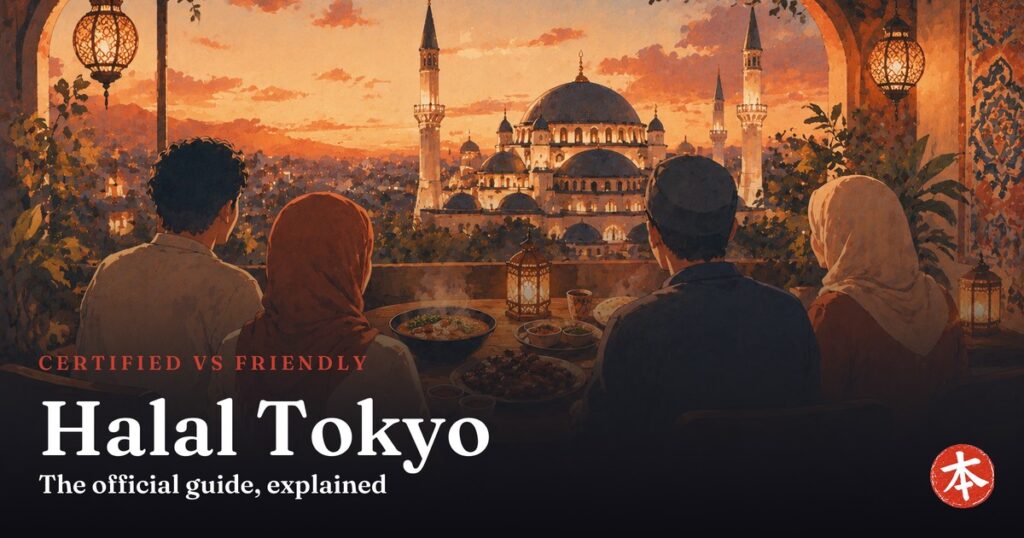
Halal Food in Tokyo (2026): How Certification Really Works, the Official Guide, and Restaurants That Publish Their Status
Tokyo has real halal dining — but no central certification agency, a fact JNTO itself states plainly. This guide explains the certified-versus-Muslim-friendly distinction the official Tokyo guide draws, lists restaurants by what their own pages actually claim, covers Tokyo Camii's visiting rules — and names the famous 'halal' recommendations that have no official backing. -
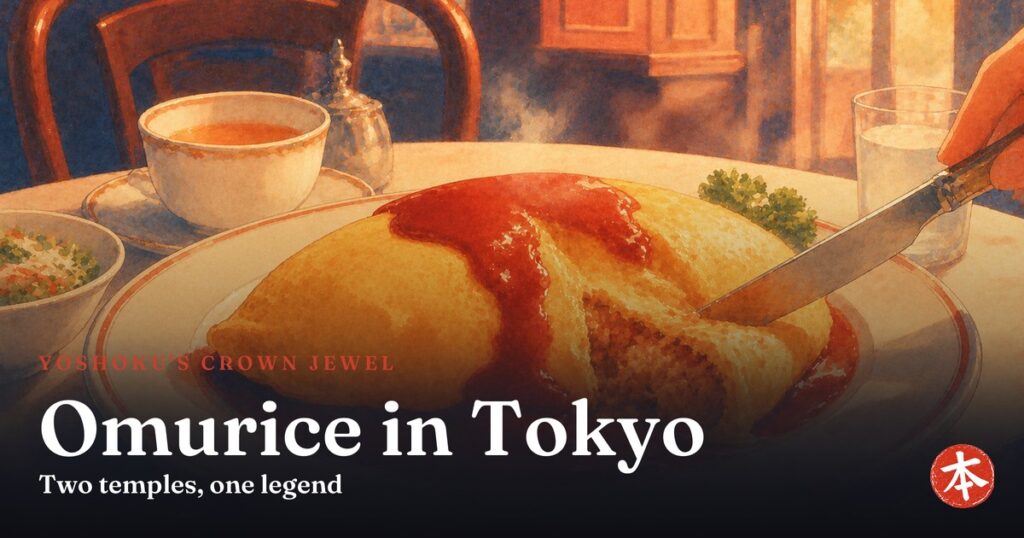
Omurice in Tokyo (2026): Taimeiken, Shiseido Parlour, and the Origin Story Nobody Can Actually Prove
Japan's omelet-over-rice comfort classic has two Tokyo temples: 1931-founded Taimeiken, home of the knife-split tampopo omurice (¥2,400) and the ¥100 borscht, and Shiseido Parlour, where a secret menu item became the grand menu. And about that Ginza birthplace legend — the restaurant's official site has vanished, so we're the guide honest enough to say the origin can't be verified. -
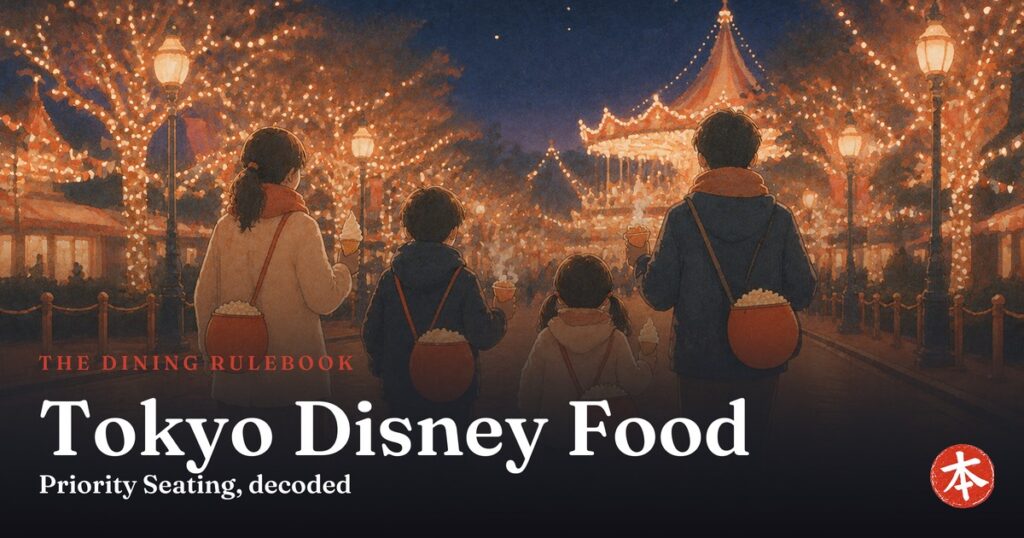
Tokyo Disney Food Guide (2026): Priority Seating Windows, the Picnic-Area Rule, and What US Park Habits Get Wrong
Tokyo Disney's dining runs on its own rulebook: Priority Seating (alive and well here, unlike the US), booking windows of one month for park restaurants and three for hotels — not WDW's 60 days — same-day slots from 9:00 a.m., and a picnic-area rule that bans outside meals inside the parks. Here's the system as Tokyo Disney Resort's official FAQ actually writes it.