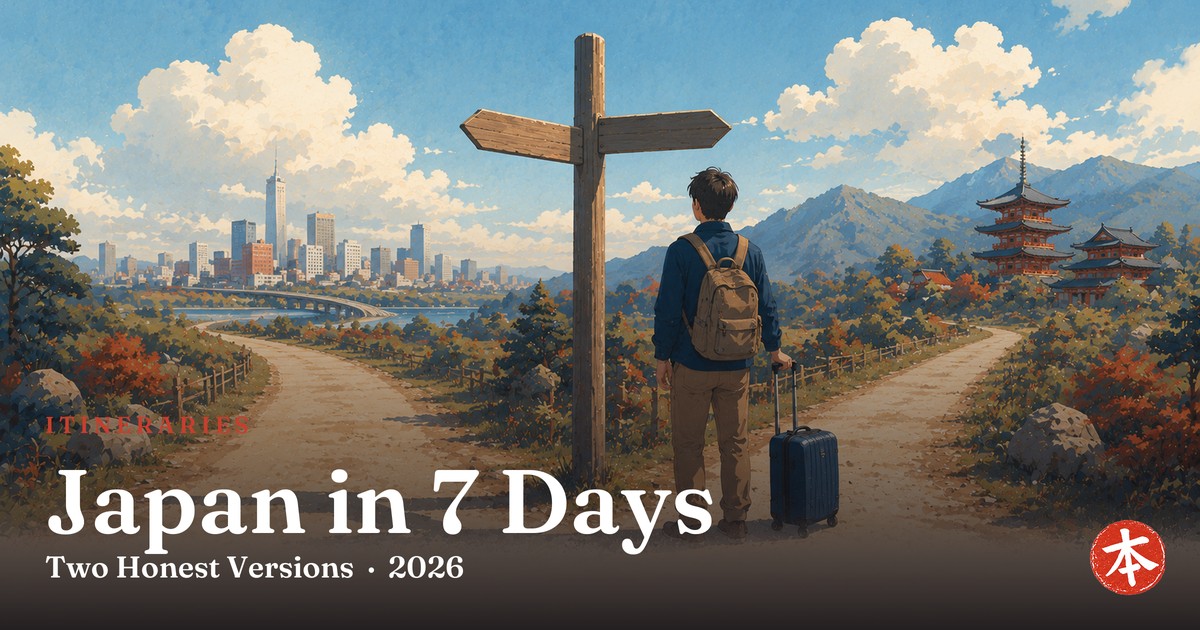
Every 7-day Japan itinerary on the internet promises you Tokyo, Hakone, Kyoto, Nara and Osaka in one week, and most of them are quietly describing an endurance event. Here's the truth a week forces on you: you can cover the Golden Route fast, or you can go deep on one region — you can't do both. So this guide gives you both versions honestly, day by day, and tells you who each one is actually for.
Got more time? The calculus changes completely — that's why the 10-day itinerary and 2-week itinerary are separate guides.
The choice, at a glance
| Version A: the fast Golden Route | Version B: one region, properly | |
| Shape | Tokyo 3 → Kyoto 2 → Osaka 1 (+1 flex) | Tokyo 6 + Hakone overnight (or Kansai 6 + Nara) |
| Hotels | 3 | 1–2 |
| Pace | Fast — early starts, one packing day | Relaxed — slack for the unplanned |
| Best for | "This may be my only Japan trip" | "I'd rather feel it than photograph it" |
| Flights | Open-jaw: into Tokyo, home from Kansai | Simple round trip |
Version A: the fast Golden Route (Tokyo 3 · Kyoto 2 · Osaka 1)
Days 1–3, Tokyo. Land, activate an IC card, keep day one gentle. Then two themed days: classic east (Asakusa, Ueno, street snacks on the temple approach) and modern west (Shibuya, Harajuku, Shinjuku at night). Squeeze a first sushi mission in via our Tokyo sushi guide — conveyor belt for speed, counter if you book ahead.
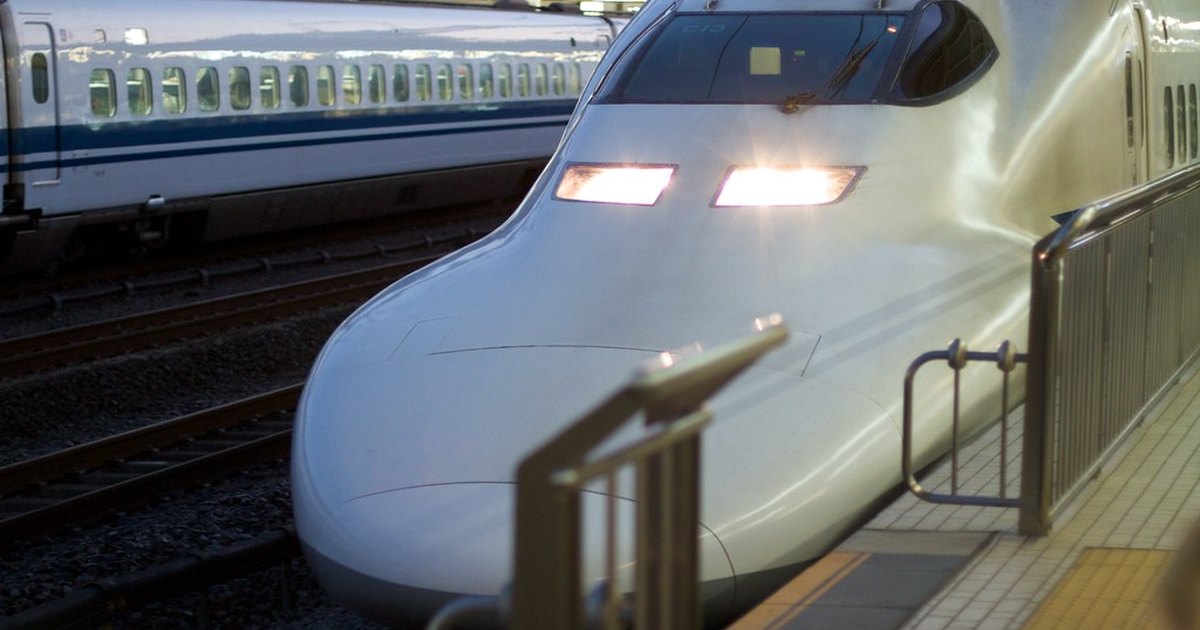
Day 4, the move. Shinkansen to Kyoto (about 2¼ hours) — go early, drop bags, and you've still got a real afternoon: Higashiyama's lanes and Gion at dusk. This is the week's one packing morning; protect it by booking a hotel near the station on both ends.
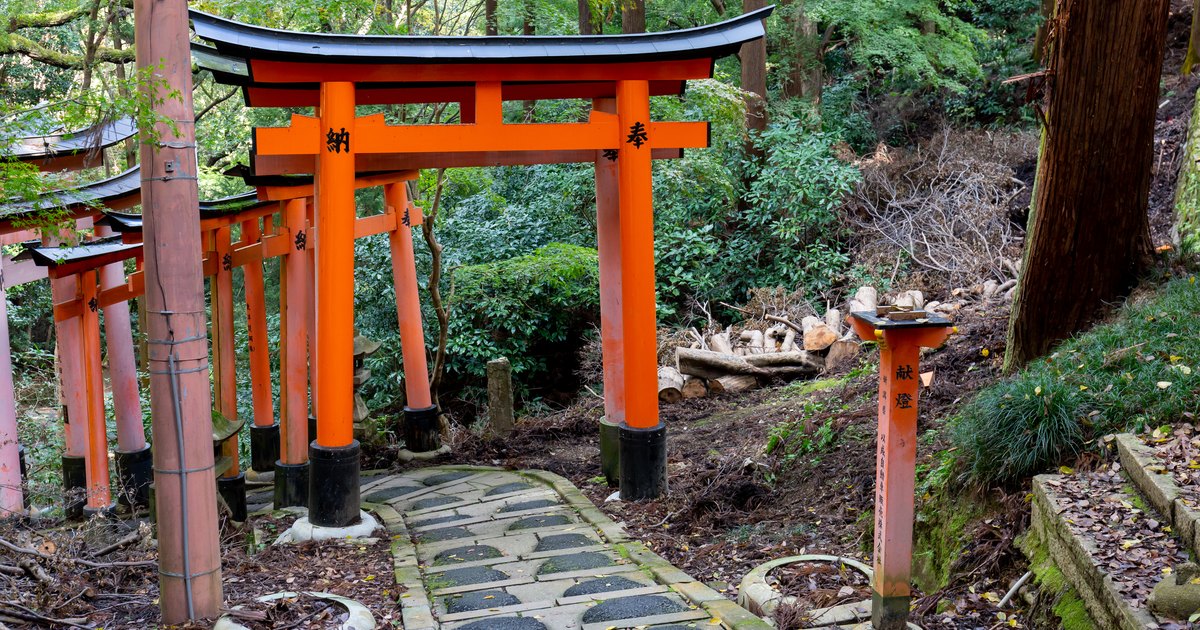
Days 5–6, Kyoto. One dawn start at Fushimi Inari (it's a different place at 7am), then Arashiyama; second day for Kiyomizu-dera and the eastern temples, with a kimono morning if that's on your list. Evening of day 6, hop to Osaka (under an hour) and let Dotonbori's neon and street food close the day loud.
Day 7, Osaka & out. Morning at the castle or Kuromon Market, then fly home from Kansai (KIX) — the open-jaw ending that makes this whole version work. Backtracking to Tokyo on departure day costs half a day this week doesn't have.
Version B: one region, properly
The Tokyo version: six nights in one hotel, days themed instead of rushed — east, west, a market-and-food day built around our street food guide, a day trip (Kamakura or Nikko), a Disney day if that's your thing — plus one overnight in Hakone mid-week for the onsen ryokan night on the Freepass loop. You unpack once. You never sprint. Tokyo has months of material; a week barely scratches it.
The Kansai version: base in Kyoto (or Osaka — cheaper hotels, better nightlife, 15 minutes between them), and spread the region out: two temple days done slowly, a Nara half-day for the deer and the Great Buddha, an Osaka food night, a Uji or Kobe day trip. If old Japan is why you're coming, this version delivers more of it per day than any sprint can.
One thing a seven-day plan almost always has room for, and almost never books in time: a live event. Sumo tickets in Tokyo only make sense on the dates a tournament is actually running, and those dates do not move for you. A baseball game is the easier version — the season is long, the stadiums are central, and it is the cheapest evening in this guide. Both are decided by the calendar rather than by your itinerary, so check them before you fix the rest of the week.
The transport call
Which version should you pick?
Our honest read after watching first-timers do both: if this is realistically a once-in-a-decade trip and the idea of missing Kyoto physically hurts, take Version A — it's a sprint, but it's a magnificent one, and the open-jaw flights take the worst sting out. If there's any chance you'll return — and Japan has one of the highest "came back within five years" rates of any destination for a reason — take Version B, enjoy every unhurried hour, and let trip two follow the 10-day or 2-week route properly. Timing the trip? Start with the month-by-month guide.
(Adding a mountain day? Hakone is the easiest one from Tokyo — the loop is five vehicles on one ticket.)
(Half an hour from Tokyo and easy to slot into a spare afternoon — but check what is actually open in Yokohama first. The headline observatory has been closed since the end of 2025.)
(Need a breather day that isn't a big transfer? Yokohama is about 30 minutes from Tokyo on ordinary commuter trains — every route, priced and timed, in our Tokyo to Yokohama guide.)
(The Asakusa–Odaiba water bus turns a transfer into an attraction — our bay cruise guide prices every boat on the water.)
(Asakusa's anchor has a full guide now — Sensoji Temple: real hours, fortunes, goshuin and the festivals that are actually its own.)
(The museum day has a full guide now — Ueno Park: three national museums, the zoo's current panda situation and Ameyoko.)
(The week's big transfer — current shinkansen fares, the Seat E rule and the JR Pass math — is in our Tokyo-to-Kyoto guide.)
(Moving between cities? Our luggage storage guide explains courier forwarding, the 30-day station cloakrooms and the shinkansen oversized-baggage rule.)
FAQ
Is 7 days enough for Japan?
Tokyo or Kyoto if I only have a week?
Can I do Tokyo, Kyoto and Osaka in 7 days?
Do I need the JR Pass for a 7-day trip?
Should I fly into Tokyo and out of Osaka for a week-long trip?
What’s the best time of year for a one-week Japan trip?
Bottom line (2026) — Seven days forces one choice: sprint the Golden Route, or go deep on one region. If this is realistically a once-in-a-decade trip and missing Kyoto would hurt, take the Golden Route sprint; otherwise the single-region version pays back in hours you actually enjoy. Tickets, passes and prices live in the linked guides, each checked against official sources.
Sources
Route logic and pacing are ours, consistent with our 10-day and 2-week itineraries. Tickets, passes and prices live in the linked guides (JR Pass, shinkansen coverage, Suica, Hakone Freepass, ryokan booking), each checked against official sources on its own page. Train times are approximate as of July 2026.
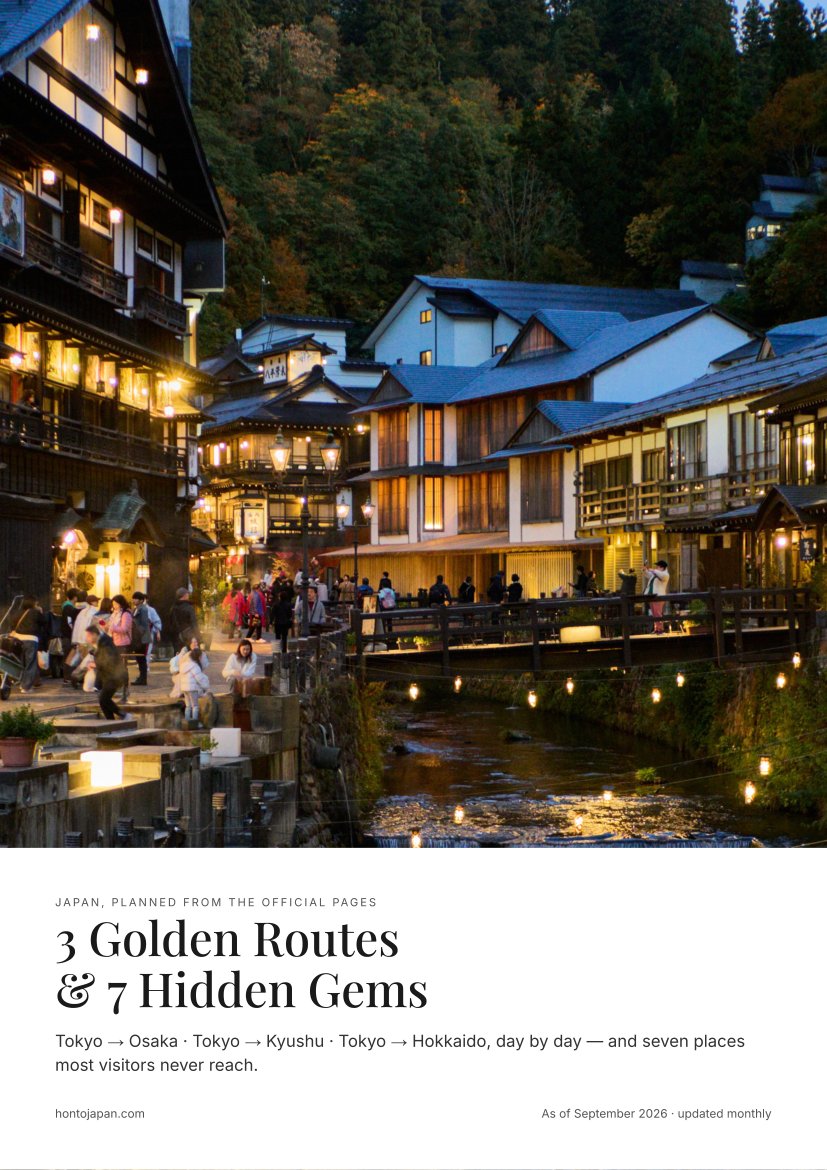
Tokyo to Osaka, Tokyo to Kyushu, Tokyo to Hokkaido — day by day — plus seven places most visitors never reach.
- 12 pages, 80 photographs, every stop linked to its guide
- Every price and opening hour read from the official page
- Re-issued monthly, so it does not go stale in your inbox
Free. One email a month, plus the rare change that matters. Unsubscribe with one click in any email. By subscribing you agree to our privacy policy.