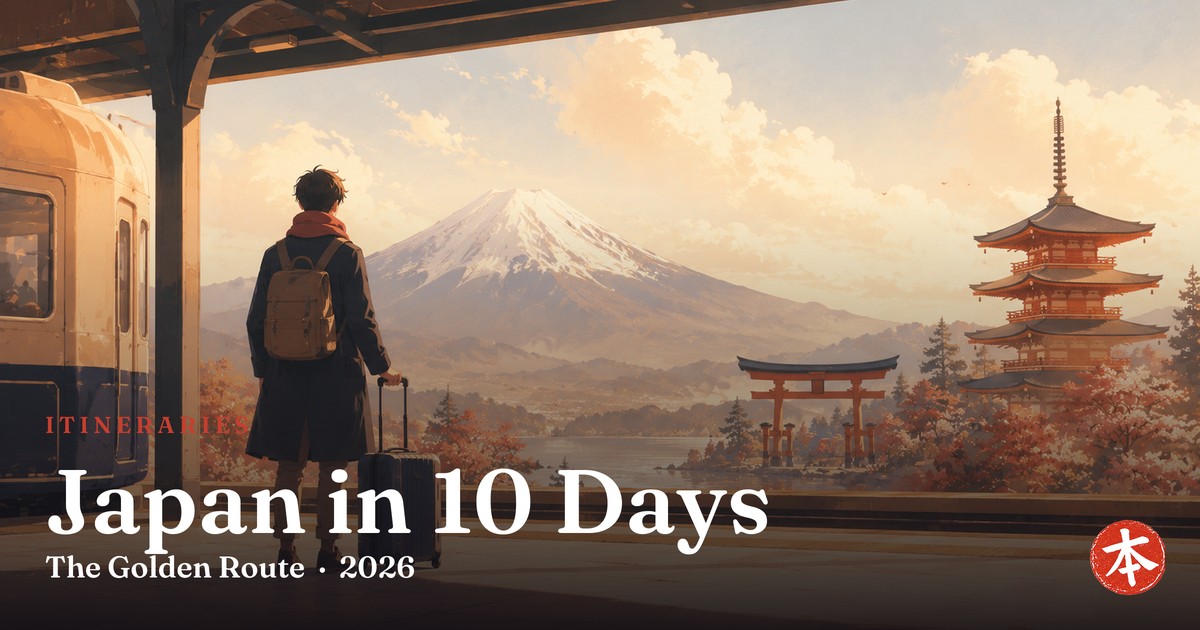
Ten days is the first number that makes a Japan trip feel like travel instead of a checklist. The classic Golden Route — Tokyo, a hot-spring overnight, Kyoto, Nara, Osaka — fits in it without sprinting, which is exactly what the 7-day version can't offer (if a week is all you have, our 7-day itinerary makes the honest trade-offs for you). This is the day-by-day plan we'd hand a friend: where to stay how long, the one flight trick that saves half a travel day, the bookings that sell out weeks ahead, and where the classic route is worth bending.
The 10-day plan at a glance
| Days 1–4 | Tokyo (4 nights) — arrival + three full days across distinct districts |
|---|---|
| Day 5 | Hakone (1 night) — onsen ryokan, Mt. Fuji views if the weather cooperates |
| Days 6–8 | Kyoto (3 nights) — temples early, districts late; one half-day for Nara |
| Days 9–10 | Osaka (2 nights) — street food capital, fly home from KIX if you can |
| The flight trick | Open-jaw: into Tokyo (NRT/HND), home from Osaka (KIX) — no backtrack |
| Rail strategy | One-way shinkansen spine + IC card — don't auto-buy the JR Pass |
| 🚨 Peak-week alert | Apr 24–May 6 · Aug 7–16 · Dec 25–Jan 5 (2026): every Nozomi is reserved-seats-only |
Days 1–4: Tokyo
Land, get your Suica or IC card working, and get to the hotel — that's day one, and planning anything else after a long-haul flight is how day two dies. (Arriving at Narita? Our Narita Express guide covers the ride in. And note the current Welcome Suica is friendlier than old guides say: no deposit, valid 28 days, sold at the airport machines — plus an iOS app version.)
Then three full days, one broad theme each rather than a checklist: a classic east day (Asakusa's temple and Nakamise street snacks, then the river and Ueno's museums and Ameyoko market), a modern west day (Shibuya — crossing, sky decks, and the best ramen in the district — plus Harajuku and Shinjuku for the neon finish), and a flex day: teamLab, a day at Tokyo Disney, fashion districts, or a first proper sushi mission — our Tokyo sushi guide maps every format from conveyor plates to omakase counters.
🚨 The bookings that sell out (and when they open)
This is the section most itineraries skip, and it's where first-time plans actually break. Several Golden Route headliners cannot be bought on the day — each rule below is official:
Tokyo's hard-ticket trio
Ghibli Museum: tickets for each month go on sale at 10:00 JST on the 10th of the previous month — the official English page spells it out — and popular dates go fast. Put the 10th in your calendar. teamLab Planets: date-and-time QR tickets only, and the official help page is blunt: no on-site sales, no counters, no vending machines. Tokyo Disney: sales open two months ahead at 14:00 JST and the parks have no ticket booths — sold out online means no entry.
Osaka's equivalent
USJ: no gate ticket sales — buy on the official web store before you arrive (our guide covers the variable pricing and the Express Pass question), and Super Nintendo World's free timed-entry tickets are issued only in the official app once you're inside the park. Pokémon Cafe (if it's on your Tokyo list): seats release in monthly bulk drops, not a rolling window.
Day 5: Hakone — the exhale
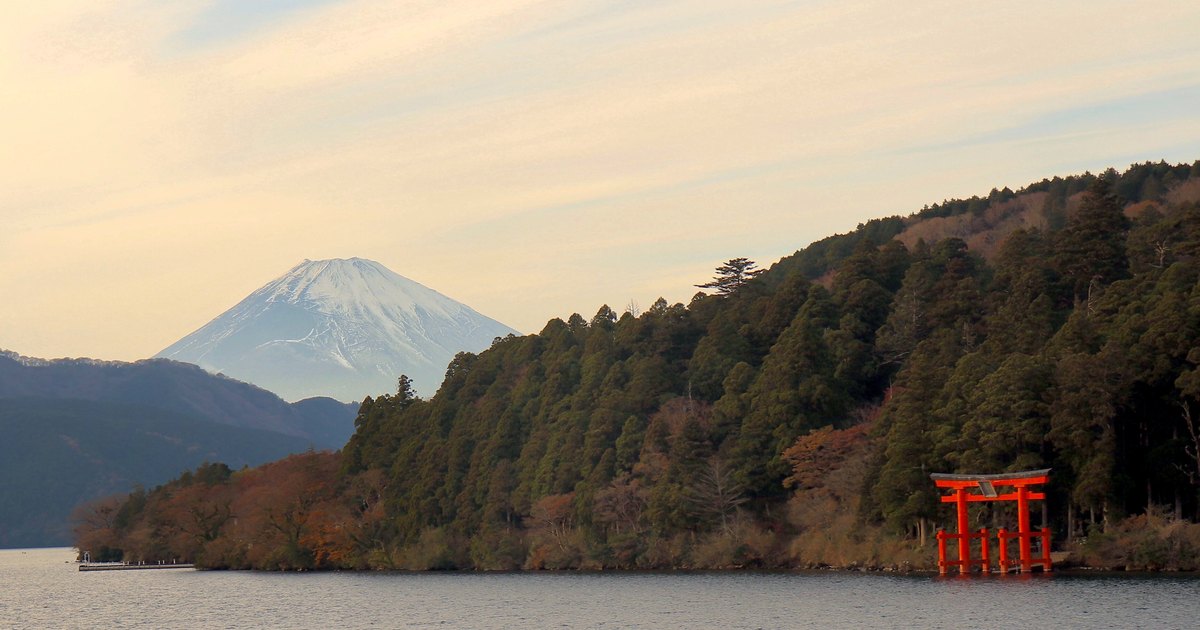
The Golden Route's pressure valve. An hour-and-change from Tokyo, Hakone is where you swap sightseeing for an onsen ryokan night — kaiseki dinner, hot spring under the sky, futon on tatami. It's the night most first-timers rank as their trip highlight, and it resets your legs for Kyoto. The local loop (pirate ship, ropeway, open-air museum) runs on the Hakone Freepass, and choosing the right inn is a subject we've covered properly in our ryokan guide. Clear-sky mornings can hand you Mt. Fuji over the lake — treat it as a bonus, not a promise. (Winter planners: the ropeway has scheduled maintenance closures in December 2026 and January–February 2027 — the Freepass guide has the dates.)
Days 6–8: Kyoto (with a Nara half-day)
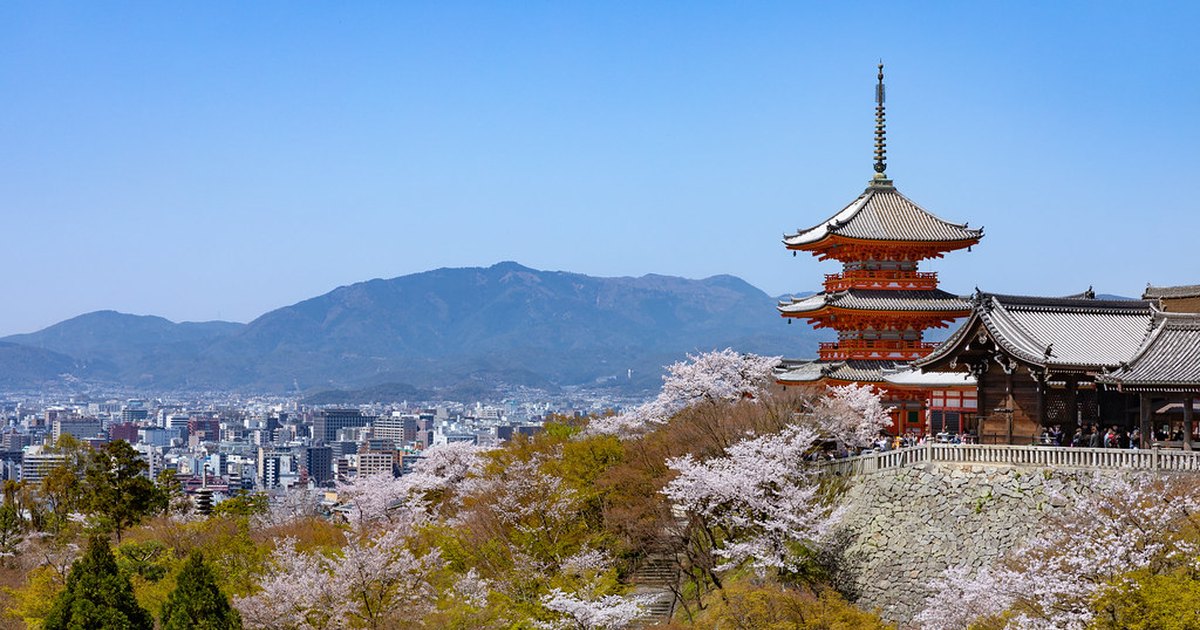
Kyoto's only real rule: go early. The famous sites — Fushimi Inari's torii tunnels, the Kiyomizu-dera slope, Arashiyama's bamboo — are transformed at 7am and mobbed by 10. Structure the three days as: east day (Kiyomizu → Higashiyama lanes → Gion at dusk), south-west day (Fushimi Inari at dawn, then Arashiyama), and a flex day with a Nara half-day bolted on — the bowing deer and the Great Buddha are under an hour away (¥720 by JR, ¥760 by Kintetsu, each way) and a genuine wonder. Rent a kimono for a morning of it if that appeals — our Kyoto kimono guide covers how and where — and graze Nishiki Market knowing its eat-in-front-of-the-shop rule.
Days 9–10: Osaka — end on volume
Finish loud. Osaka is Japan's street-food capital — Dotonbori's neon, takoyaki and kushikatsu, Kuromon Market's seafood — and after Kyoto's early mornings it's exactly the energy shift the trip wants. One evening for the neon canyon, one day for either the castle and districts or Universal Studios Japan. Then fly home from Kansai International (KIX) — the open-jaw finish that skips the Tokyo backtrack entirely.
The transport strategy, with the numbers that matter
Don't auto-buy the JR Pass
Since the 2023 price hike, the nationwide pass often loses to simply buying the tickets this route uses. The spine, at official prices as of August 2026: Tokyo→Kyoto on the Nozomi (about 2¼ hours) is ¥13,970 reserved / ¥13,320 unreserved at normal-season Smart EX pricing (seasonal tiers swing it by up to ¥400), and Kyoto→Osaka is ¥580 on the JR rapid. Run the numbers for your exact plan with our JR Pass guide and shinkansen coverage guide before spending anything.
When to book the spine (and the peak-week rule)
Station sales open one month ahead at 10:00; Smart EX takes online bookings up to a year ahead for a limited seat pool (discount Hayatoku fares close 21 days out). The rule that surprises people, straight from JR Central: during the official 2026 peak windows — April 24–May 6, August 7–16, December 25–January 5 — every Nozomi runs reserved-seats-only, and an unreserved ticket won't seat you. If your trip touches those weeks, book the moment your dates firm up.
The suitcase rules nobody warns you about
Two of them. First, the shinkansen's official oversized-baggage rule: bags totaling 161–250 cm require reserving a seat with an oversized-baggage area — free, but skip it and there's an official ¥1,000 fee at boarding. Second, the better answer for the Hakone night: ship the big case ahead with Yamato's official hands-free travel service — hotel to hotel, a size-160 suitcase runs about ¥2,630 Kanto→Kansai (official rate, August 2026), typically arriving next day — and travel the ryokan leg with a day bag. Seat reservations for the spine take minutes at any station machine.
Where to bend the route
Nikko instead of Hakone if shrines in cedar forests beat onsen for you (or do Nikko as a Tokyo day trip and keep the Hakone night — about 1 hour 50 minutes each way, and note the famous ropeway there is closed until at least August 2027). Hiroshima & Miyajima — doable by trimming Tokyo or Osaka a night, but it turns days 8–10 into a rail push; the better answer is usually the extra days of our 2-week itinerary, which fits them in properly. Season swaps: cherry blossom and autumn windows deserve their own planning — start with our month-by-month guide and the blossom spots guide. Winter: a three-to-five day block in Hakuba slots neatly between the cities.
(Adding the deer? There is no direct train — the Kyoto transfer and the ¥1,280 Kintetsu final leg are timed and priced in our Tokyo to Nara guide.)
(The Hiroshima day's anchor — current museum hours, the reservation windows and how to visit with respect — is covered in our Peace Memorial guide.)
(Kanazawa is the classic day-and-a-half detour — see our Kanazawa guide for what needs booking and what is free before 6:45am.)
(One routing trap worth knowing: our Kanazawa map guide explains why the Thunderbird from Osaka has not reached Kanazawa since March 2024, however many guides still say it does.)
(Adding Shirakawa-go? Our Takayama map guide shows that only six buses a day can be boarded without a reservation, and that the fare is 2,800 yen.)
FAQ
Is 10 days enough for Japan?
Should I fly into Tokyo and out of Osaka?
Do I need the JR Pass for a 10-day Golden Route trip?
Which attractions on this route must be booked in advance?
Will traveling during Obon or Golden Week change my trains?
How do I deal with big suitcases on the shinkansen?
How many days in Tokyo vs Kyoto?
When is the best time for this itinerary?
How much should I budget per day in Japan?
Bottom line (2026) — The Golden Route done right runs Tokyo – Hakone – Kyoto – Nara – Osaka, flying home open-jaw from Kansai International (KIX). Several headliners cannot be bought on the day, and peak weeks see every Nozomi seat reserved-only. Plan around the 160 cm suitcase rule on the shinkansen — or ship your luggage ahead for roughly the price of two coffees.
Sources
Route logic, pacing and district structure are ours. The transport and booking facts quoted inline were verified against official pages on August 6, 2026: Smart EX fare tables (Tokyo–Kyoto reserved/unreserved and the seasonal tiers), JR Central's official pages for the one-month sales rule, the year-ahead Smart EX window and the 2026 reserved-only peak periods (quoted verbatim in Japanese and English), JR Central's English oversized-baggage page (the 161–250 cm rule and ¥1,000 fee), JR West's revised fare tables (Kyoto–Osaka ¥580, Kyoto–Nara ¥720), Kintetsu's official fare table (¥760, limited express +¥520), Yamato's official hands-free travel pages and rate data (size-160 Kanto→Kansai ¥2,630), JR East's official Welcome Suica pages, the Ghibli Museum's official English ticket page (the 10th-of-the-month rule), teamLab Planets' official help (no on-site sales), and the Tokyo Disney official FAQ (two-months-at-14:00, no park ticket booths). Everything else — every ticket, pass and price this itinerary touches — is documented in the linked guides, each checked against official sources on its own page. Budget figures are orientation ranges, not quotes.
Tokyo to Osaka, Tokyo to Kyushu, Tokyo to Hokkaido — day by day — plus seven places most visitors never reach.
- 12 pages, 80 photographs, every stop linked to its guide
- Every price and opening hour read from the official page
- Re-issued monthly, so it does not go stale in your inbox
Free. One email a month, plus the rare change that matters. Unsubscribe with one click in any email. By subscribing you agree to our privacy policy.