The Japan Rail Pass (JR Pass) used to be an automatic buy for visitors. Since a roughly 70% price increase in October 2023, that’s no longer true — for a lot of trips it now costs more than simply buying individual tickets. This guide gives you the honest answer: when the JR Pass still pays off in 2026, when a cheaper regional pass wins, what it costs, and how to buy and activate it.
The headline: if you’re mainly doing the classic Golden Route (Tokyo–Kyoto–Osaka), the nationwide JR Pass usually does not save money anymore. It wins when you cover a lot of long-distance ground. Below we show you exactly how to tell which camp you’re in.
Compiled and cross-checked from official pricing and multiple 2026 fare comparisons, current as of July 2026.
Just the Golden Route (Tokyo–Kyoto–Osaka)? Skip the nationwide pass — individual tickets or a regional pass are cheaper. See regional passes →
Covering lots of ground (multiple regions, long distances)? The 7-day JR Pass can still pay off. Get the JR Pass →
Full breakdown and how-to below. Links are affiliate links — see disclosure.
JR Pass at a glance (2026)
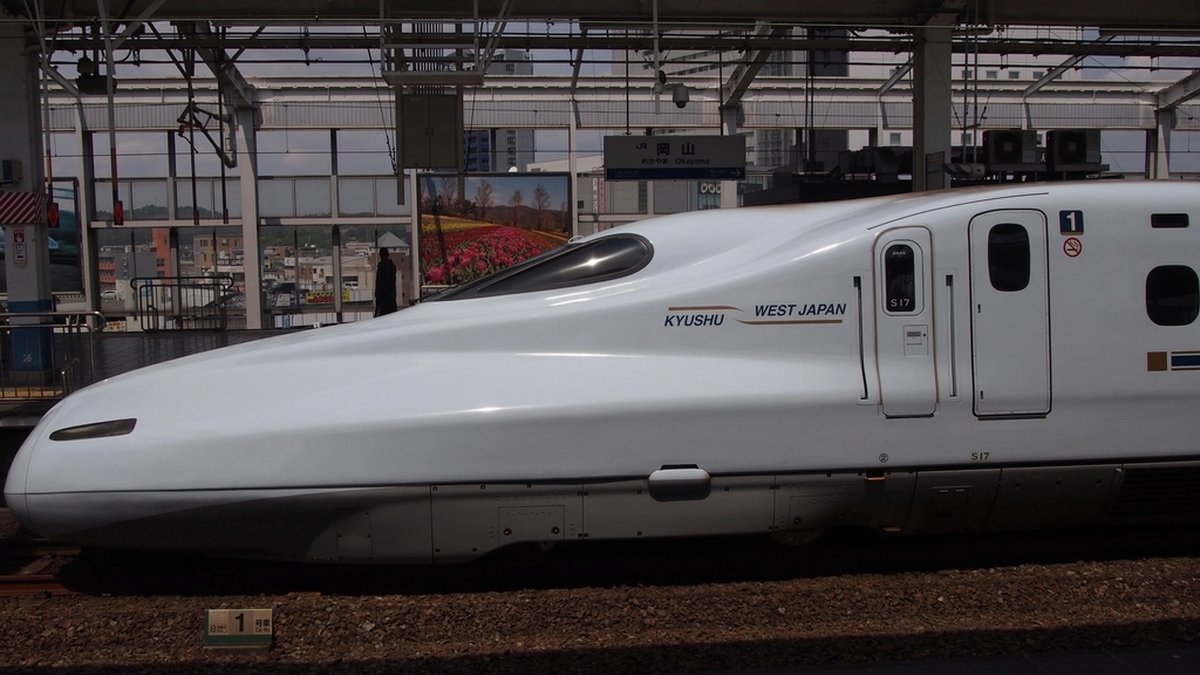
| What it is | Unlimited travel on most JR trains nationwide, including most shinkansen (bullet trains), for 7, 14 or 21 days |
|---|---|
| 2026 price (ordinary) | ¥50,000 / 7 days; ¥80,000 / 14 days; ¥100,000 / 21 days |
| Who can buy | Foreign visitors on “Temporary Visitor” status (tourism) |
| Where | Online before you arrive — official site or authorized agents like Klook |
| Fastest trains? | NOZOMI and MIZUHO are not included. Pass holders must buy a separate supplement — ¥4,960 for Tokyo–Kyoto or Tokyo–Shin-Osaka, each way |
| Still worth it? | Only for long-distance, multi-region trips. For the Golden Route, usually no |
| Cheaper option | One of 20+ regional passes (e.g. Kansai WIDE Area Pass ~¥12,000 / 5 days) |
Is a pass worth it for your route? Our JR Pass calculator compares single tickets for the trains you add, day by day, with the 7, 14 and 21-day Japan Rail Pass, and finds the start day that saves the most.
Why the JR Pass isn’t the deal it used to be
The NOZOMI catch: the fastest trains aren’t included
Want the full coverage rules — every line, the official add-on prices, and when paying for a NOZOMI actually makes sense? We break it down in JR Pass on the Shinkansen.
This is the part that surprises most first-time visitors, and it matters most on exactly the route most people take. The NOZOMI (Tokaido/Sanyo Shinkansen) and MIZUHO (Kyushu Shinkansen) are the fastest services — and they are not covered by the nationwide JR Pass.
You can still ride them, but you have to buy a separate ticket on top of your pass. JR calls it the “NOZOMI / MIZUHO Usage Ticket (JAPAN RAIL PASS only)”, and the price depends on the section:
| Tokyo – Kyoto | ¥4,960 each way |
|---|---|
| Tokyo – Shin-Osaka | ¥4,960 each way |
| Tokyo – Nagoya | ¥4,180 each way |
The fee is the same whether you take a Green car, a reserved seat or a non-reserved seat. You buy it at a JR ticket machine, a Midori-no-Madoguchi ticket office or a travel service center — before you board.
Fares from the official JAPAN RAIL PASS site, checked July 2026. Always confirm before you travel.
Is the JR Pass worth it in 2026?
Simple rule: the 7-day pass costs ¥50,000, so your planned long-distance train travel has to add up to more than that to save money. A few reference points:
- Golden Route only (Tokyo – Kyoto – Osaka): individual reserved shinkansen tickets come to well under ¥50,000, so the nationwide pass loses. Buy tickets as you go, or a Kansai regional pass.
- Break-even is roughly a Tokyo – Hiroshima round trip (about ¥40,000–44,000) plus more travel on top. If your trip is a couple of big round trips or lots of long shinkansen legs, the pass starts to win.
- Where the pass clearly wins: covering multiple far-apart regions in one week (e.g. Tokyo → Hiroshima → back with day trips, or long spans toward Hokkaido/Kyushu), or if you simply value not thinking about tickets.
The honest takeaway: for most first-time, Golden-Route trips in 2026, you’ll spend less without the nationwide pass. Run your actual route through a fare calculator before you buy.
One pass is worth naming here precisely because it is not a JR product at all. The Tokyo Subway Ticket covers the two subway operators and does not work on JR — so the Yamanote line, the one you can see from most Tokyo streets, is outside it. People buy it expecting a city-wide pass and find that out at the gate.
Nationwide vs regional passes
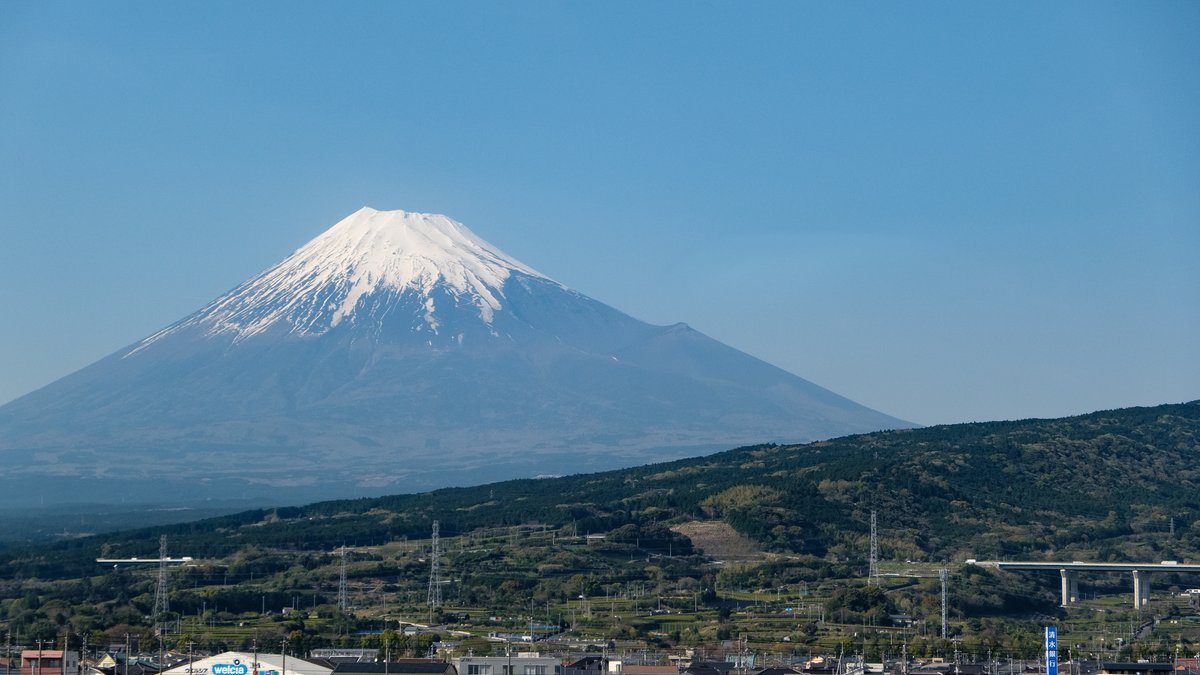
This is where most travelers save money. There are 20+ regional JR passes, each covering one area for far less than the nationwide pass — and they usually match the trips people actually take.
| If your trip is… | Consider | Roughly |
|---|---|---|
| Kyoto / Osaka / Nara / Himeji / Kansai airport | Kansai / Kansai WIDE Area Pass | ~¥12,000 / 5 days (WIDE) |
| Tokyo + Mt Fuji / Nikko / Tohoku (north) | JR East passes | Varies by area |
| Hiroshima / Miyajima / western Japan | JR West passes (e.g. Sanyo–San’in) | Varies by area |
| Hokkaido, Kyushu, Shikoku | That region’s JR pass | Varies by area |
Match the pass to your region and you’ll almost always beat the nationwide price. Klook lists the nationwide and the regional passes side by side, which makes comparing easy.
Which pass should you pick?
Match yourself to a line below:
How to buy and activate the JR Pass
First rule of buying: know which site is the real one. Our official website guide covers the JR-run store, the online seat-reservation perk, and how Exchange Orders work.
- 1. Check eligibility: you must be a foreign visitor on Temporary Visitor (tourist) status.
- 2. Buy online before you fly — from the official site or an authorized agent like Klook. You’ll get an Exchange Order (voucher), one per traveler.
- 3. Exchange it in Japan within 90 days of purchase, at an official JR Exchange Office (major stations and airports). Bring your passport.
- 4. Activate: after exchanging, you have 30 days to set your start date and begin using it. Choose a start date that covers your big travel days.
- 5. Reserve seats for free at ticket machines or offices — worth doing for popular shinkansen routes.
Tips for foreign visitors
- Do the math for your route first. Don’t assume the pass saves money in 2026 — for Golden-Route trips it usually doesn’t.
- Regional passes are the smart default for most one- or two-region trips.
- Buy before you arrive. The tourist pass is designed to be purchased from overseas, and buying early locks in the current price ahead of the Oct 2026 increase.
- Bring your passport to exchange the voucher and whenever you’re asked at the gate.
- Note the two clocks: 90 days to exchange the voucher, then 30 days to activate — plan your start date around your longest travel days.
- Already sorted on trains? See our guides to Super Nintendo World (Osaka) and the Pokémon Centers in Tokyo.
Klook lists the nationwide JR Pass and the regional passes side by side, so you can match one to your route.
Compare rail passes → 7-day JR Pass →
(One risk a rail pass can't price in: planned suspensions during typhoon season, when operators stop services before the weather arrives.)
(One place the JR Pass does not help: Nikko, which is reached by a private railway from Asakusa — and whose own area pass excludes the JR route entirely.)
(For the network itself — ten lines, five trains with no unreserved seats and the October 2026 changes — see our shinkansen map guide.)
(If you end up buying tickets separately, our shinkansen ticket guide covers which booking site actually accepts overseas residents — one major one does not.)
(For the fastest service that carries a surcharge on the pass, our Nozomi ticket guide covers the fares, the reservation channels, and how the pass upgrade differs from a plain ticket.)
(For booking a seat once the pass is in hand, our shinkansen reservation guide covers the online systems, which one accepts overseas residents, and where the paper-ticket route still helps.)
(Not traveling far enough for the nationwide pass? Our Tokyo Wide Pass guide covers the three-day scope, which shinkansen legs it covers, and the seat-reservation rule that catches people out.)
(Buying tickets separately instead? Our Shinkansen price guide explains how a fare is built, and why the round-trip discount is no longer an option.)
FAQ
Is the JR Pass worth it in 2026?
How much is the JR Pass in 2026?
Where do I buy the JR Pass?
JR Pass or a regional pass — which is better?
How do I activate the JR Pass?
Can I buy the JR Pass after I arrive in Japan?
Arriving at Narita? The Narita Express is included in your JR Pass — and you don't have to reserve.
Bottom line (2026) — Since the 2023 price hike, the nationwide JR Pass no longer pays off for most itineraries, and another increase is coming in October 2026. The fastest NOZOMI shinkansen are not included without a paid add-on, so a regional pass or point-to-point tickets usually win. Run your own route math before you buy.
Sources & where to buy
Compiled and cross-checked from official Japan Rail Pass pricing and independent 2026 fare comparisons. Prices, pass line-ups and the October 2026 increase mean you should always confirm current details and run your own route before buying.
This article contains affiliate links, including to Klook. If you buy through them, we may earn a small commission at no extra cost to you — see our affiliate disclosure. We only recommend what we’d genuinely suggest to a friend visiting Japan — including telling you when not to buy the pass.
Tokyo to Osaka, Tokyo to Kyushu, Tokyo to Hokkaido — day by day — plus seven places most visitors never reach.
- 12 pages, 80 photographs, every stop linked to its guide
- Every price and opening hour read from the official page
- Re-issued monthly, so it does not go stale in your inbox
Free. One email a month, plus the rare change that matters. Unsubscribe with one click in any email. By subscribing you agree to our privacy policy.