Short version, straight from the official rules: your JR Pass rides almost every Shinkansen in Japan — Tokyo to Kyoto, Hiroshima, Kanazawa, Hakodate, all covered, seat reservations free. The exception everyone trips on: NOZOMI and MIZUHO, the fastest trains on the Tokaido–Sanyo–Kyushu corridor, are not included — with any seat, reserved or not.
That exception is smaller than it sounds, and since 2023 there's an official paid workaround. This guide covers which trains to take instead, the exact prices of the [ONLY WITH JAPAN RAIL PASS] NOZOMI MIZUHO Ticket, and the honest math on when it's worth paying. Deciding whether to buy the pass at all? Start with our full JR Pass guide and the 2026 price breakdown.
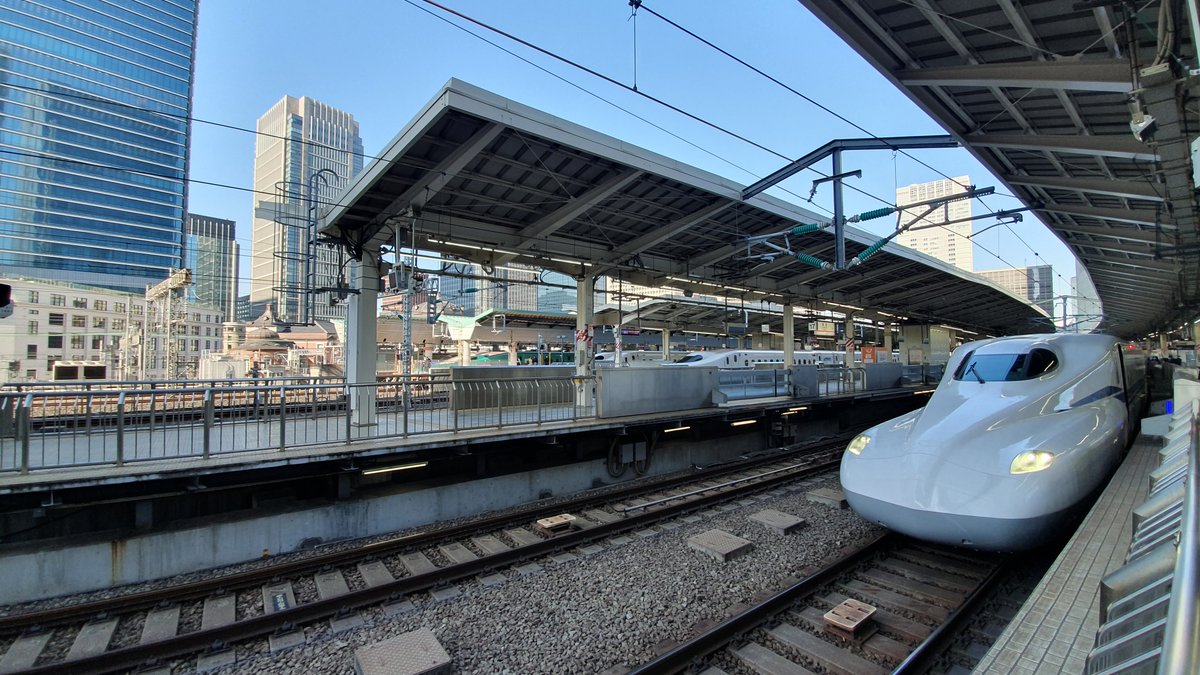
What the pass covers on the Shinkansen
| Line / direction | Ride free with the pass | Not covered |
|---|---|---|
| Tokaido & Sanyo (Tokyo–Osaka–Hakata) | HIKARI, KODAMA | NOZOMI |
| Kyushu (Shin-Osaka–Kagoshima) | SAKURA, TSUBAME | MIZUHO |
| Tohoku / Hokkaido / Joetsu / Hokuriku / others | All trains (Hayabusa, Kagayaki, etc.) | — (Gran Class cabin costs extra) |
Seat reservations are free and unlimited on covered trains. Note the northern and western lines have no excluded trains at all — the whole NOZOMI question only exists if you're riding the Tokyo–Osaka–Kyushu corridor.
The ¥4,960 question: the official Nozomi add-on
Since the pass alone won't board a NOZOMI, JR sells a dedicated add-on — the [ONLY WITH JAPAN RAIL PASS] NOZOMI MIZUHO Ticket — at JR reserved-seat ticket machines and Midori-no-madoguchi counters in Japan, from one month before your ride until the day itself. Official prices per ride:
| Section | Add-on price |
|---|---|
| Tokyo – Nagoya | ¥4,180 |
| Tokyo – Kyoto / Shin-Osaka | ¥4,960 |
| Tokyo – Hiroshima | ¥6,500 |
| Shin-Osaka – Hakata | ¥4,960 |
| Hakata – Kagoshima-Chuo (MIZUHO) | ¥5,150 |
Fine print from the official rules: the ticket only works together with a valid pass, it's one ride and one day only, getting off early kills the rest of the ticket, reserved-seat versions can be changed once before departure, and standard-pass holders can't buy the Green-car version. If a NOZOMI runs more than two hours late, ask staff about a refund at a manned gate.
Is a pass worth it for your route? Our JR Pass calculator compares single tickets for the trains you add, day by day, with the 7, 14 and 21-day Japan Rail Pass, and finds the start day that saves the most.
Honest math: when to pay, when to shrug
Tokyo → Kyoto: a HIKARI takes roughly 15 minutes longer than a NOZOMI. Paying ¥4,960 to save 15 minutes is tourist tax — take the HIKARI. Tokyo → Hiroshima: different story; direct HIKARI service is limited and the time gap grows, so ¥6,500 can genuinely rescue a tight day trip. Kyushu: SAKURA is nearly as fast as MIZUHO — save your ¥5,150. And during peak seasons NOZOMI goes all-reserved anyway, which thins out the seat supply for add-on buyers. When in doubt: the covered trains go everywhere the fast ones do.
Two more exclusions worth knowing
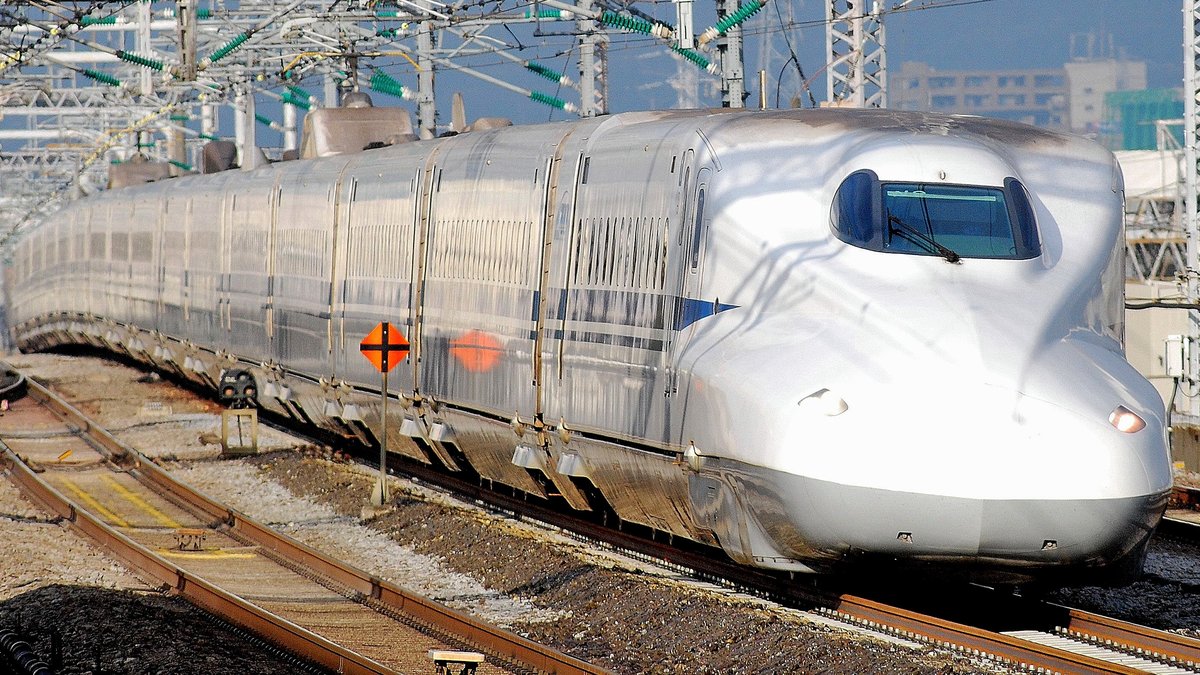
Gran Class — the leather-seat, meal-service cabin above Green Car on the Tohoku, Hokkaido, Joetsu and Hokuriku lines — is not covered even by a Green pass: you pay the limited-express fee plus the Gran Class fee on top. And a few through-running trains leave JR tracks mid-journey: the popular FUJI EXCURSION to Kawaguchiko, for instance, is covered only as far as Otsuki — the Fujikyu Railway section beyond is a separate fare. (Silver lining: the pass does cover the Tokyo Monorail to Haneda Airport.)
(Our shinkansen map guide puts the whole network in one place, including which lines the oversized-baggage rule does not apply to.)
(Not traveling on a pass? Our shinkansen ticket guide sets out the seasonal fare bands and why the non-reserved cars are 1 and 2, not 1 to 3.)
(For the service that sits above Hikari with a fare surcharge, our Nozomi ticket guide covers the reserved and non-reserved cars and the current pass-upgrade rules.)
(For the seat-booking step, our shinkansen reservation guide covers the reservation windows, the card-name rule that blocks registration, and the counter fallback at major stations.)
(For the arithmetic behind the ticket price, our Shinkansen price guide covers the seasonal bands and the long-distance discount that stopped being sold in March 2026.)
(If Lake Kawaguchi is your stop: our Fuji Lake Hotel guide notes the hotel’s own route from Shinjuku, a JR Chuo Line limited express to Otsuki and then the Fujikyu Line to Kawaguchiko, at about 70 minutes plus about 60, and that guests on a dinner plan must arrive by 19:30.)
FAQ
Does the JR Pass cover the Shinkansen?
Can I take the Nozomi with a JR Pass?
Is the Nozomi add-on ticket worth it?
What’s the difference between Hikari, Kodama and Nozomi?
Does the JR Pass include seat reservations on the Shinkansen?
Are there Shinkansen upgrades the pass doesn’t cover?
Bottom line (2026) — The JR Pass covers almost every Shinkansen except the fastest — Nozomi and Mizuho. To ride them, JR sells an official add-on ticket at ¥4,960; otherwise take Hikari or Sakura, which the pass covers outright. Verified against the official JAPAN RAIL PASS pages on July 24, 2026.
Sources
Official JAPAN RAIL PASS pages, checked July 24, 2026: scope of validity and the NOZOMI/MIZUHO ticket rules. Photos: Wikimedia Commons (CC0). Prices and rules change — confirm on the official site before you build a day around a specific train.
Some links on this page may be affiliate links, which means we may earn a commission if you book or buy through them — at no extra cost to you. See our affiliate disclosure.
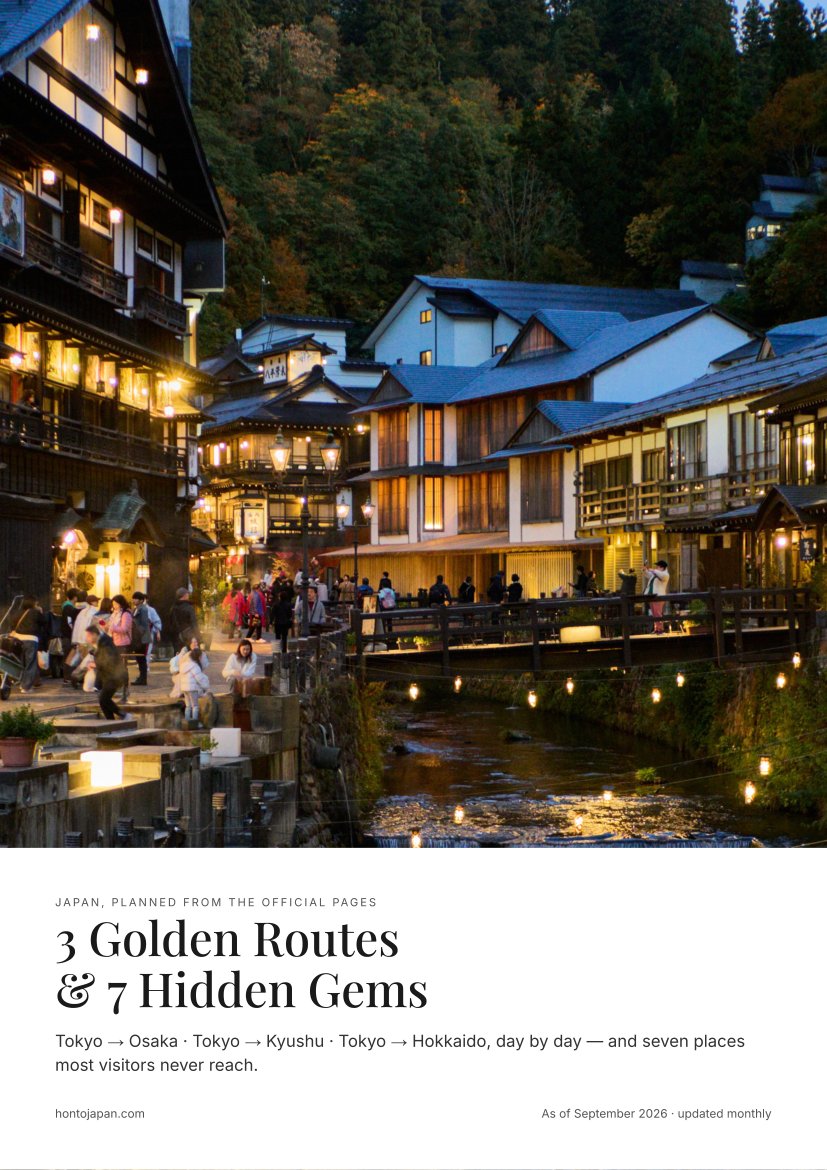
Tokyo to Osaka, Tokyo to Kyushu, Tokyo to Hokkaido — day by day — plus seven places most visitors never reach.
- 12 pages, 80 photographs, every stop linked to its guide
- Every price and opening hour read from the official page
- Re-issued monthly, so it does not go stale in your inbox
Free. One email a month, plus the rare change that matters. Unsubscribe with one click in any email. By subscribing you agree to our privacy policy.