Two weeks is where Japan stops being a highlight reel and starts being a trip. Ten days buys you the Golden Route; fourteen buys you the Golden Route plus Hiroshima and Miyajima, plus the thing almost no itinerary budgets for: slack. A rest day. Slow mornings. Room for the unplanned izakaya. This is the 14-day plan we'd actually follow — five bases, two day trips, one deliberate do-nothing day.
It builds directly on our 10-day Golden Route itinerary — the Tokyo, Hakone, Kyoto and Osaka legs are covered in detail there — so this page focuses on the 14-day rhythm, the Hiroshima extension, and where to bend the plan.
The 14-day plan at a glance
| Days 1–4 | Tokyo (4 nights) — arrival + three themed days |
|---|---|
| Day 5 | Hakone (1 night) — onsen ryokan reset |
| Days 6–9 | Kyoto (4 nights) — temples early, one Nara half-day, one slow day |
| Days 10–11 | Osaka (2 nights) — street food capital at full volume |
| Days 12–13 | Hiroshima (2 nights) — Peace Memorial + Miyajima morning |
| Day 14 | Return & depart — or fly out of Hiroshima if fares allow |
| Bases | Five hotels in 14 days — day trips instead of packing mornings |
Days 1–5: the Golden Route opening
The first five days follow our 10-day plan beat for beat, so we'll stay brief: land, activate your IC card, and give Tokyo three full themed days — classic east (Asakusa, Ueno), modern west (Shibuya, Harajuku, Shinjuku), and a flex day (teamLab, Disney, or a proper sushi mission via our Tokyo sushi guide). Then the Hakone overnight — the onsen ryokan night that first-timers consistently rank as their trip highlight. Full detail, day by day, in the 10-day guide.
Days 6–9: Kyoto with actual breathing room
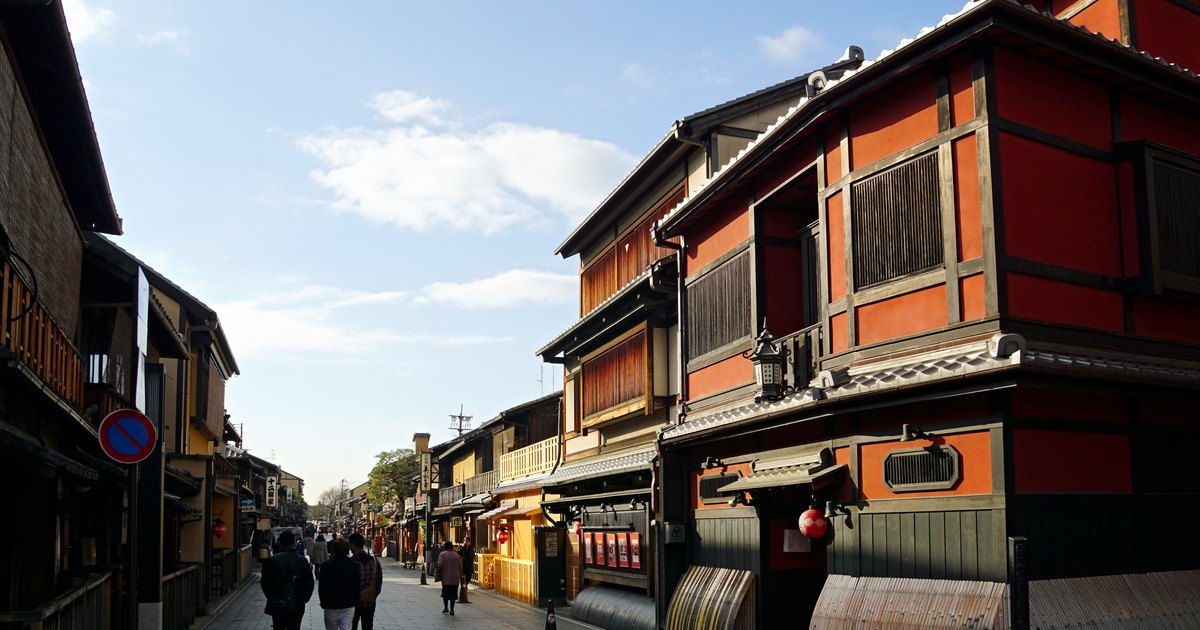
Here's where 14 days earns its keep: four Kyoto nights instead of three. Same structure — east day (Kiyomizu, Higashiyama, Gion at dusk), south-west day (Fushimi Inari at dawn, Arashiyama), Nara half-day for the deer and the Great Buddha — plus the day the 10-day version can't afford: a slow one. Sleep in. Walk the Philosopher's Path. Rent a kimono without watching the clock, graze Nishiki Market properly (mind the eat-in-front-of-the-shop rule), sit by the Kamo River at dusk. This day is not wasted time — it's the difference between remembering Kyoto and remembering a queue.
Days 10–11: Osaka at full volume
Two nights of noise after Kyoto's calm: Dotonbori's neon canyon, takoyaki and kushikatsu, Kuromon Market, and either the castle districts or a Universal Studios day (variable pricing and the express-pass question are covered in our USJ tickets guide — decide before you go, not in the queue). Keep the luggage light here: Hiroshima is next, and the shinkansen onward is about 90 minutes.
Days 12–13: Hiroshima and Miyajima — the extension that justifies two weeks
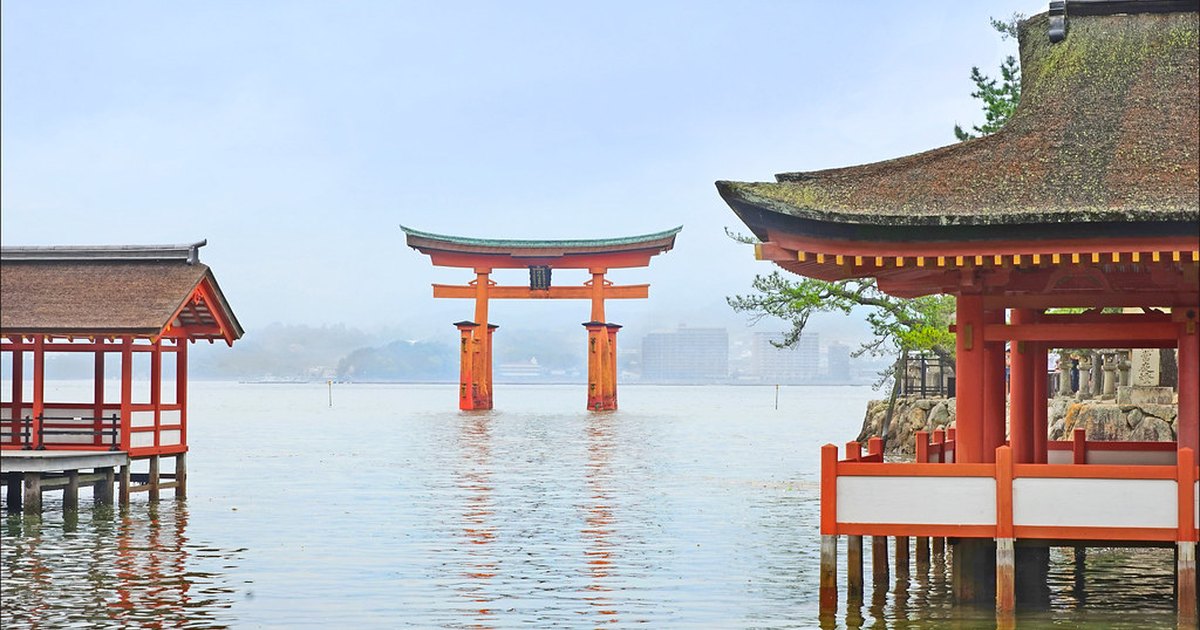
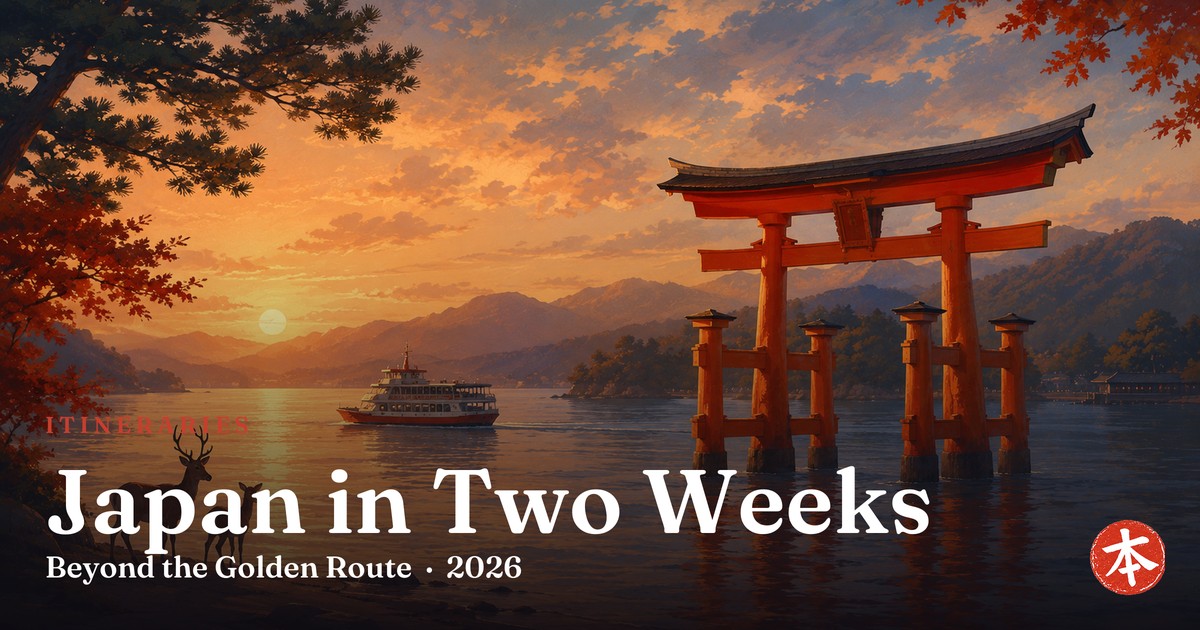
The sequence that makes the 14-day version more than "10 days plus slack". Day 12: the Peace Memorial Park and Museum — heavy, essential, allow a real half-day and don't schedule anything demanding after it; okonomiyaki, Hiroshima-style, is the right evening. Day 13: Miyajima island — the ferry across, the famous vermilion torii rising from the sea (tide dependent — check locally and let it be a surprise either way), deer on the shore, oysters from the grills, and the ropeway up Mount Misen if your legs vote yes. Go early morning and the island belongs to you and the deer for an hour before the crowds ferry in.
Day 14: the exit
Simplest version: shinkansen back and fly out of Kansai (KIX) — about 90 minutes back to Osaka keeps the last morning calm. Check Hiroshima's own airport too; a direct or one-stop routing home from there occasionally beats backtracking entirely. What you're avoiding is the full-length return to Tokyo on departure day — the same open-jaw logic as the 10-day plan, one city further west.
Where to bend it
- Kanazawa–Takayama instead of Hiroshima: old streets, mountain towns, crafts and morning markets — swap days 12–13 for the arc via Kanazawa if crowds bother you more than distance. Doing both arms in 14 days means gutting Tokyo or Kyoto; save one for trip two.
- Winter version: add a snow-monkey or snow-country day from Tokyo and keep the rest; clear skies flatter both Fuji and Miyajima.
- Season targeting: blossom and autumn windows need earlier booking everywhere — start with the month-by-month guide and the blossom spots guide.
- Only have 10 days after all? That's literally the other guide — and there's a 7-day version too.
(Fitting in a coastal day? Our Kamakura map explains which station serves what — the temples and the seaside are on two different railways — and why the day pass usually loses money.)
(Two weeks buys you one classic detour most 10-day plans cut: the onsen-bathing snow monkeys of Nagano — see our Snow Monkey Park guide for how to slot it in without losing a full day.)
(For the Hiroshima leg, our Peace Memorial guide covers the museum's new entry system and the park's memorials.)
(Adding the islands? Our Okinawa map guide explains the three zones, the monorail and the Shuri Castle date that changes everything.)
(Adding the Sea of Japan side? Our Kanazawa guide covers the phone-only Ninja Temple booking and the museum closing for a year from 2027.)
(If the Japan Alps are on your list, our Takayama map guide has the 2026 admission for Takayama Jinya and the Shirakawa-go bus rule that catches people out.)
(Adding the southern islands? Our how to get to Okinawa guide covers the routes, and why the low-cost terminal at Naha no longer exists.)
FAQ
Is 2 weeks too long for a first trip to Japan?
Should I add Hiroshima to my Japan itinerary?
Does the JR Pass pay off on a 2-week itinerary?
Two weeks in Japan: how many cities?
What should I skip: Kanazawa, Takayama or Hiroshima?
When should I do this itinerary?
Bottom line (2026) — Two weeks lets you do the full Golden Route plus Hiroshima and Miyajima at a humane pace, with a built-in rest day most itineraries forget. Days 1–5 mirror the 10-day plan; days 10–11 give Osaka two nights at full volume. Ticket, pass and price details sit in the linked guides, each checked against official sources.
Sources
Route logic and pacing are ours, building on the 10-day Golden Route plan. Tickets, passes and prices live in the linked guides (JR Pass, shinkansen coverage, Hakone Freepass, Suica, USJ, ryokan booking), each checked against official sources on its own page. Train times are approximate as of July 2026; Miyajima tide conditions vary daily — check locally.
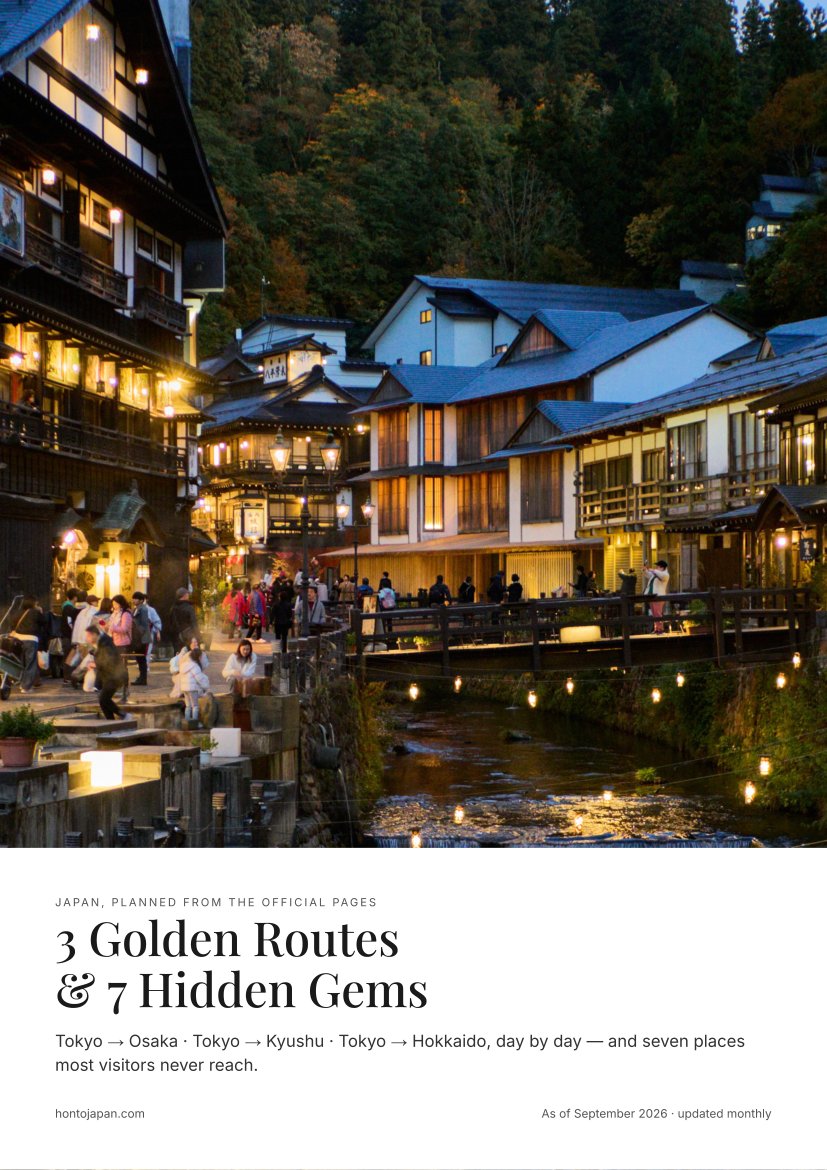
Tokyo to Osaka, Tokyo to Kyushu, Tokyo to Hokkaido — day by day — plus seven places most visitors never reach.
- 12 pages, 80 photographs, every stop linked to its guide
- Every price and opening hour read from the official page
- Re-issued monthly, so it does not go stale in your inbox
Free. One email a month, plus the rare change that matters. Unsubscribe with one click in any email. By subscribing you agree to our privacy policy.