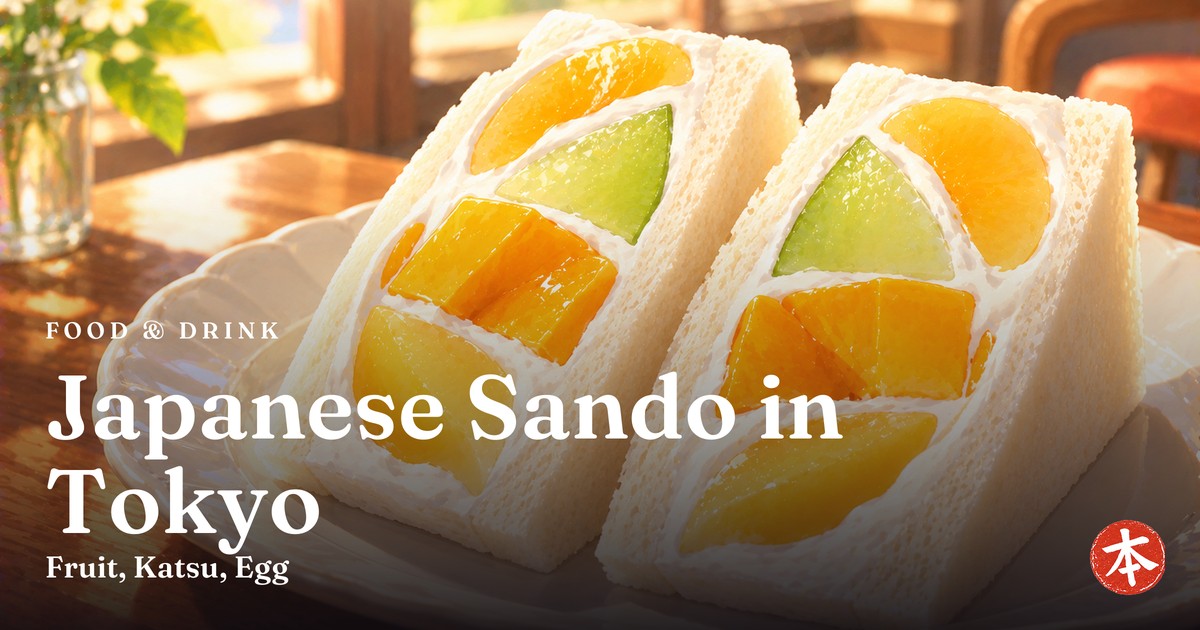
Japanese sando are sandwiches on soft white bread, and in Tokyo three kinds matter: the fruit sando, cream and cut fruit served at the old fruit parlors; the katsu sando, breaded pork in a neat square; and the egg sando, which every convenience store sells. This guide uses only each shop’s own pages: where to sit down for a fruit sando from 1,540 to 2,640 yen, the katsu sando that two old shops each claim to have started, and why the famous egg sando cafes are hard to check.
For the cheap end of the shelf, see our konbini sandwich guide.
Japanese sando in Tokyo at a glance
| Shop | Area | Sando | Price |
|---|---|---|---|
| Sembikiya Sohonten Fruit Parlour | Nihonbashi | Fruit | 2,640 yen eat-in / 2,160 takeout |
| Ginza Sembikiya Fruit Parlour | Ginza 5-chome | Fruit | 1,540 yen |
| Takano Fruit Parlour | Shinjuku east exit | Fruit | 1,650 yen |
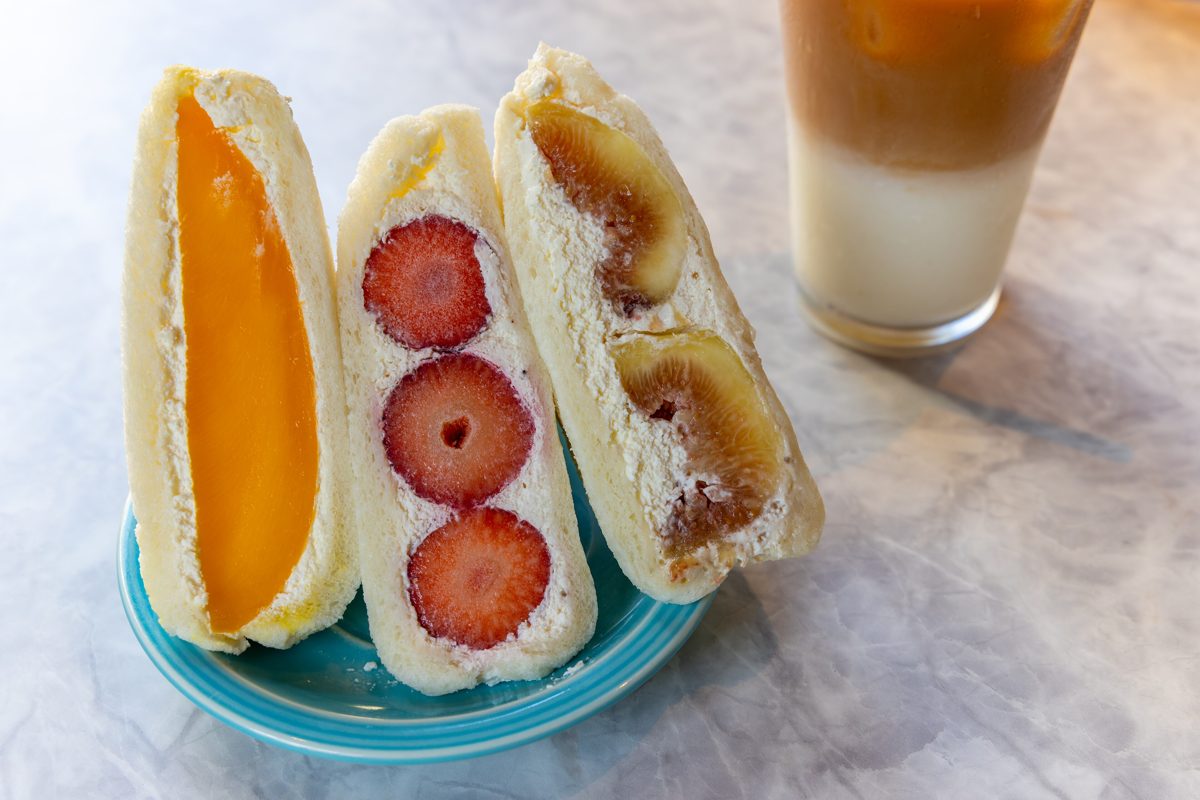
| Shiseido Parlour Salon de Cafe | Ginza 8-chome | Strawberry | 2,400 yen |
| Kyobashi Senbikiya | Tokyo Station | Fruit (sour cream) | Not shown |
| Isen Honten | Yushima, Ueno | Katsu | 1,800 yen (9 pieces, eat-in) |
| Ginza Bairin | Ginza 7-chome | Fillet katsu | 1,200 yen (4 pieces) |
| Maisen | Stations, department stores | Fillet katsu | 486 yen (3 pieces) |
| Niku no Mansei | Station kiosks, Haneda | Katsu | Not shown |
| Pelican Cafe | Asakusa | Fruit, omelet, ham katsu | Not shown |
| 7-Eleven, Lawson, FamilyMart | Everywhere | Egg | About 300 yen |
Each shop’s official pages, read October 6, 2026. Ginza Bairin’s menu does not say whether tax is included.
Where to eat a fruit sando in Tokyo
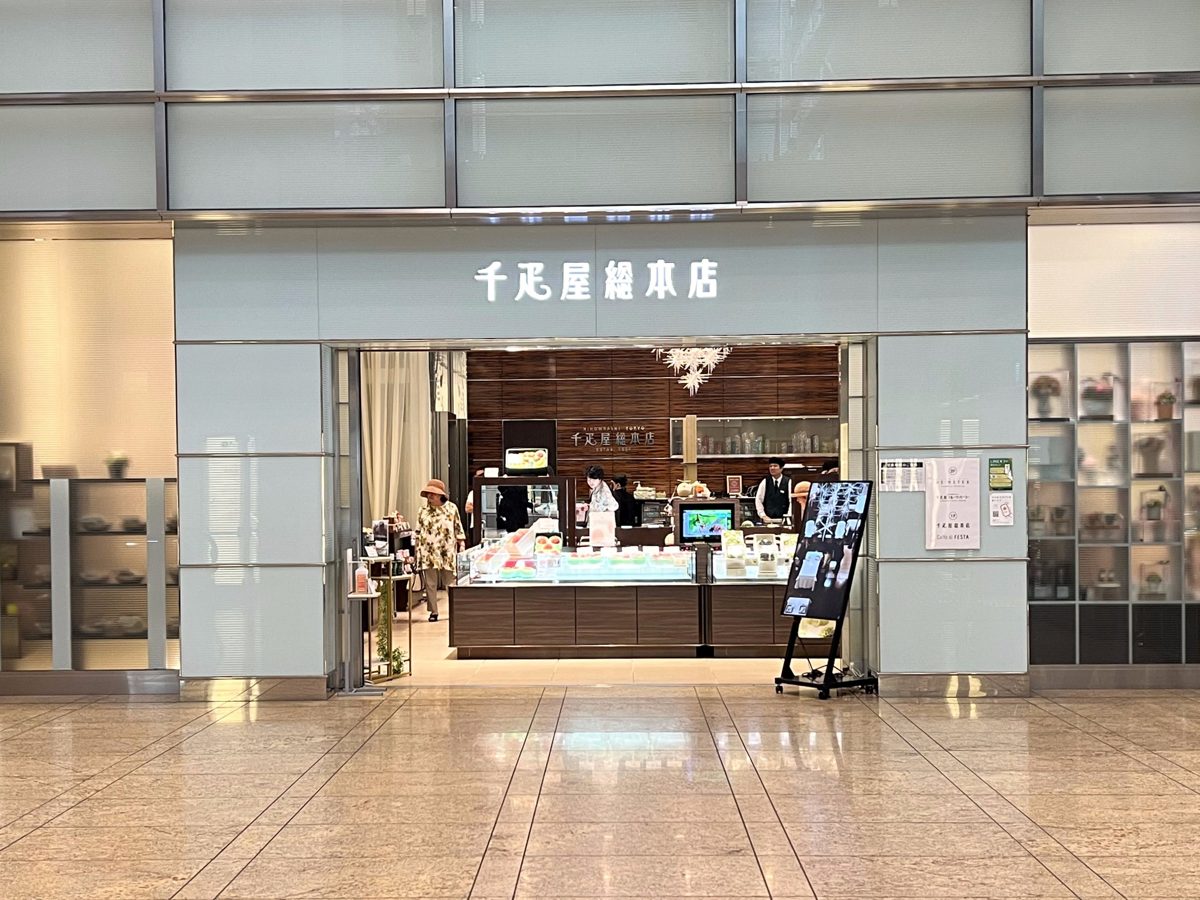
The fruit sando belongs to the fruit parlors, cafes run by Tokyo’s old fruit sellers, where the sandwich is a sit-down dessert. Sembikiya says its fruit sandwich goes back to the “fruit dining room” it opened in 1868, the forerunner of its parlor.
Sembikiya Sohonten in Nihonbashi: the most expensive, and the oldest story
The parlor is on the 2nd floor of the Nihonbashi Mitsui Tower, 1 minute from Mitsukoshimae Station through the underground passage, open 11:00 to 21:00 (last order 20:30). Its price list, revised on September 1, 2026 with the sandwich unchanged, gives 2,640 yen to eat in and 2,160 yen to take away. The 1st-floor cafe sells a half portion for 1,210 yen.
The takeout box is also sold at Sembikiya shops including Haneda Airport, KITTE Marunouchi by Tokyo Station, Isetan Shinjuku and Takashimaya Nihonbashi, where some sell a half size for 1,188 yen. That makes it the easiest parlor fruit sando to carry onto a train.
Ginza Sembikiya: 1,540 yen, no reservations
A separate company from Sembikiya Sohonten, Ginza Sembikiya runs its parlor on the 2nd floor of 5-5-1 Ginza, 1 minute from Exit B5 of Ginza Station; the elevator does not stop on the 2nd floor. It opens 11:00 to 18:00 Sunday to Thursday and holidays, and to 19:00 on Fridays and Saturdays. Tables are not reserved and are limited to 90 minutes.
Its menu lists the fruit sando at 1,540 yen, with whipped cream, apple, yellow peach, melon, strawberry and chestnut, and marks it as available to take out. The shop page, though, says it does not do takeout, so ask at the counter.
Takano in Shinjuku: by the station
Takano Fruit Parlour’s main shop is on the 5th floor of its building 1 minute from the east exit of Shinjuku Station. The fruit sandwich, with strawberry, kiwi, mango and banana on thin bread, is 1,650 yen. The page shows two sets of hours; the current one reads 11:00 to 20:00, and the shop is closed on Monday, October 19, 2026. Takano also serves it at several department-store parlors, including Takashimaya Shinjuku and Tobu Ikebukuro.
Shiseido Parlour in Ginza: the strawberry version
The Salon de Cafe on the 3rd floor of the Tokyo Ginza Shiseido Building lists a strawberry sandwich at 2,400 yen, and a fried shrimp sandwich at 2,600 yen. It takes no reservations and closes on Mondays unless a holiday. It is about 7 minutes from Ginza Station and 5 from Shimbashi.
Kyobashi Senbikiya at Tokyo Station: the early one
In Tokyo Station’s basement First Avenue, Kyobashi Senbikiya’s cafe opens at 8:30, every day. Its fruit sandwich mixes six fruits, strawberry, kiwi, banana, apple, papaya and pineapple, with sour cream instead of fresh cream. The menu page does not show the price. For an early train, it is the parlor sando you can eat before the others open. See our Tokyo Station hotels guide if you are staying nearby.
What else do the parlors put in sandwiches?
The fruit parlors also make savory sandwiches, which is useful if one of you does not want cream. These are the ones on their own menus.
| Parlor | Sandwich | Price |
|---|---|---|
| Sembikiya, Nihonbashi | Avocado and tomato | 2,160 yen |
| Sembikiya, Nihonbashi | Mixed sandwich | 2,484 yen |
| Ginza Sembikiya | Ham | 1,650 yen |
| Ginza Sembikiya | Avocado (eat-in only) | 1,430 yen |
| Ginza Sembikiya | Half fruit, half ham | 1,650 yen |
| Takano, Shinjuku | Club house | 1,650 yen |
| Takano, Shinjuku | Roast beef | 1,980 yen |
| Shiseido Parlour, Ginza | Fried shrimp, in bite-size pieces | 2,600 yen |
Official menus and price lists, read October 6, 2026. Prices include tax.
Sembikiya’s parlor at Azabudai Hills also serves the fruit sandwich, at 2,530 yen to eat in. If you want Ginza Sembikiya’s fruit sandwich but your partner wants ham, the half-and-half plate covers both.
The katsu sando, and who says they invented it
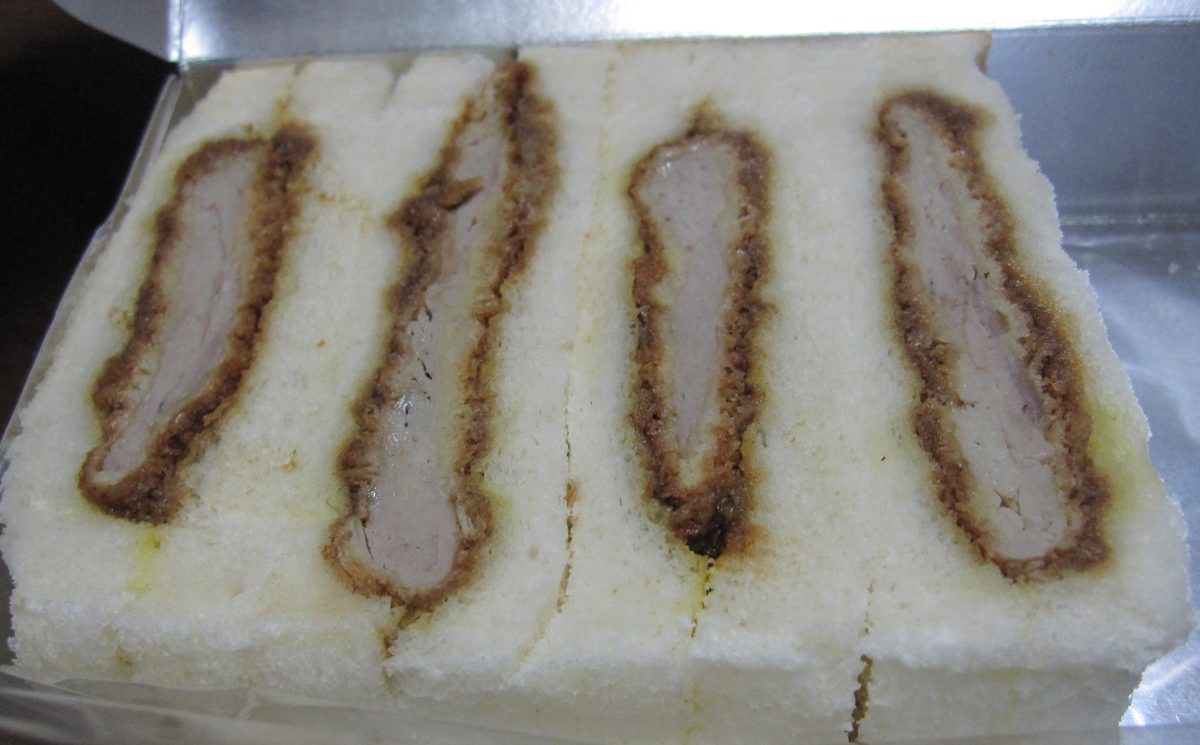
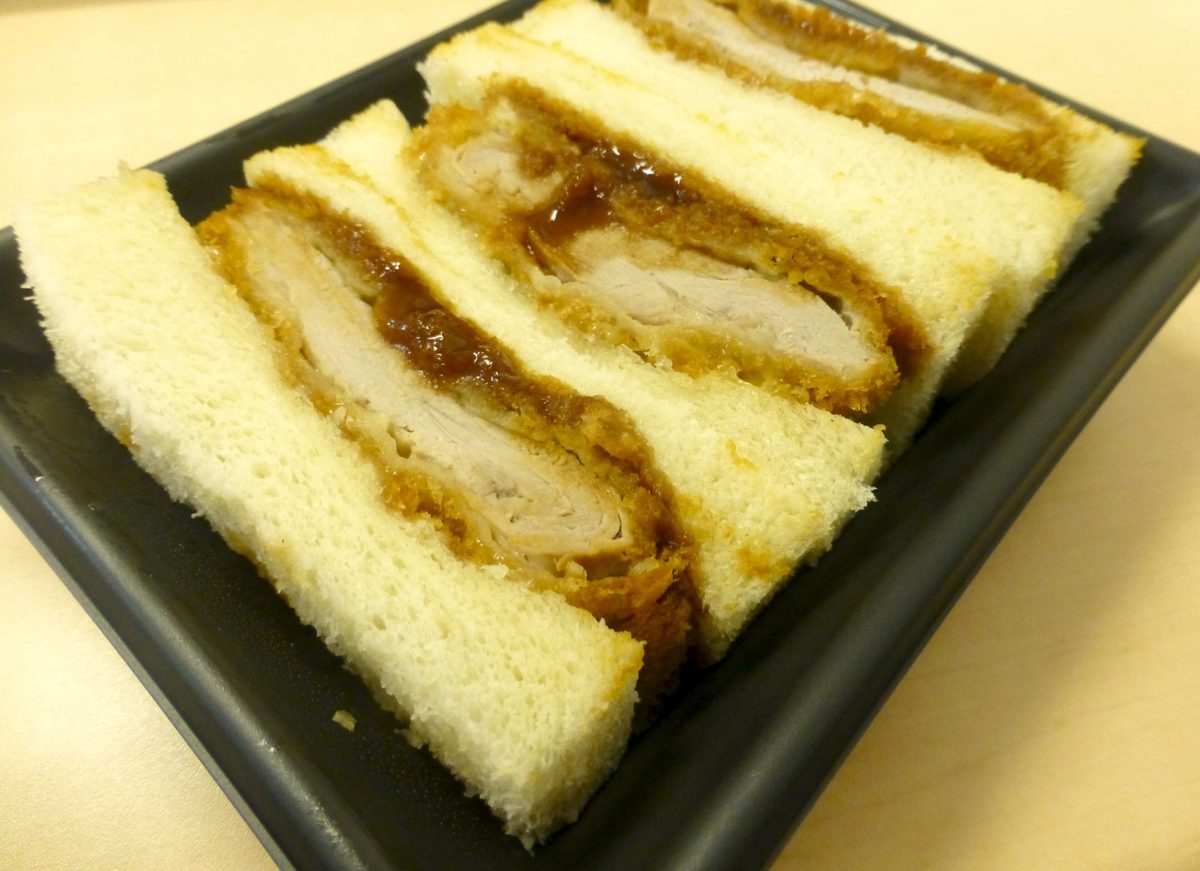
A katsu sando is a breaded pork cutlet in soft bread, cut into small pieces. More than one old Tokyo shop tells a story about its beginning, and we do not pick a winner.
Isen in Yushima: “where katsu sando began”
Founded in 1930, Isen Honten calls itself the shop where katsu sando began. Its story: in the old entertainment district of Shitaya, it made the sandwich in a slightly smaller, specially ordered bread so that geisha would not smudge their lipstick. The shop is 1 minute from Exit A4 of Ueno-hirokoji Station, open 11:30 to 15:00 and 16:30 to 20:10, and closed on Wednesdays unless a holiday.
To eat in, a 9-piece katsu sando is 1,800 yen, and a three-kind sandwich with katsu, egg, and crab and cucumber salad is 2,000 yen; from June to October the three-kind sandwich is eat-in only. To take away, 9 pieces cost 1,700 yen and 6 pieces 1,200 yen, ordered by phone or fax.
Isen takes table reservations by phone for its tatami room only, and only two groups a day, so most visitors simply queue. The shop says it can also deliver takeout orders in some areas, depending on quantity. JR Okachimachi Station is 3 minutes away on foot.
Ginza Bairin: the “original” fillet katsu sandwich
Ginza Bairin, in the basement of its building at 7-8-1 Ginza, sells what it calls its original fillet katsu sandwich to take away: 4 pieces for 1,200 yen; the menu does not say whether tax is included. It opens 11:30, last order 20:00, every day except January 1, and takes no reservations.
Maisen and Niku no Mansei: the station sandwiches
Maisen’s fillet katsu sandwich is sold at its shops in stations and department-store food halls; the company’s own June 2026 announcement lists 486 yen for 3 pieces, 956 yen for 6 and 1,404 yen for 9. Its origin story is in our Tokyo tonkatsu guide. Niku no Mansei sells its katsu sandwich at station kiosks including Tokyo, Ueno, Akihabara and Shinjuku, and at Haneda Airport; it can sell out, not every kiosk stocks it, and the site gives no price. Its old Akihabara main store closed on March 31, 2024.
Which stations sell a katsu sando?
Niku no Mansei lists NewDays kiosks at Tokyo, Ueno, Akihabara, Nippori, Okachimachi, Shinjuku and Omiya, JR Central’s PLUSTA shops inside Tokyo and Shinagawa stations, and shops in Haneda Airport’s Terminals 1 and 2. It warns that some kiosks do not carry it and that the range differs by kiosk. That makes a katsu sando an easy thing to pick up before a Shinkansen ride, as long as you are not counting on one particular kiosk.
Where to get an egg sando in Tokyo
Why are the famous egg sando cafes missing here?
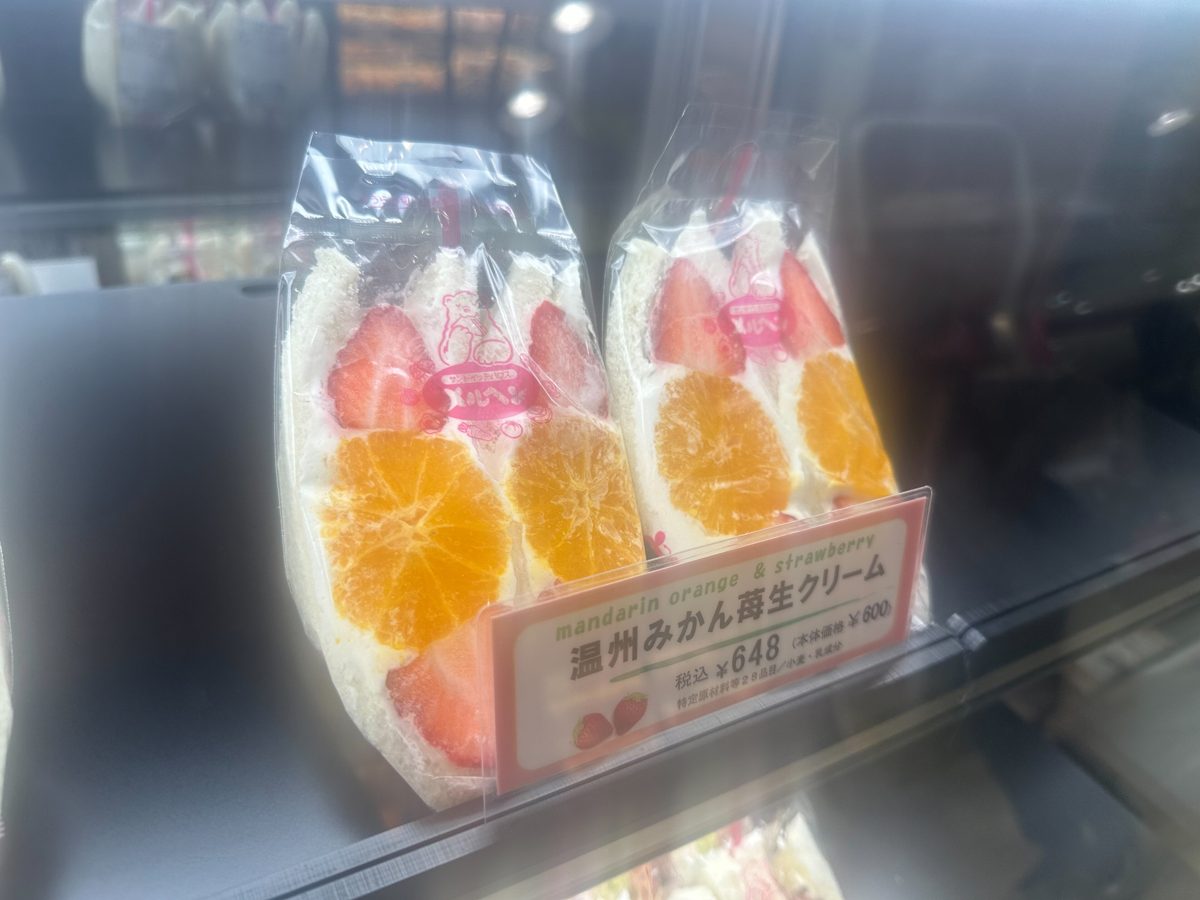
Because we could not check them. Several old kissaten (coffee shops) famous for their egg sandwiches have no official website that we could find, so their prices and hours come only from blogs and listings. One domain that looks like a famous Yanaka coffee shop’s site belongs to someone else. Check opening times on the spot, and see our coffee shops in Japan guide for chains that publish theirs.
Where can I get an egg sando from an official menu?
Isen’s three-kind sandwich includes egg. Pelican Cafe in Asakusa, run by the bakery Pan no Pelican, founded in 1942, makes an omelet sandwich with mayonnaise on one slice and ketchup on the other, alongside a seasonal fruit sando and a ham katsu sandwich made with local Asakusa ham. It opens 9:00 to 17:00, Monday to Saturday; the day’s sandwiches start at 11:00 on weekdays. The site does not list prices.
Pelican’s own description is the plainest guide to the bread: its no-bake menu, fruit sandwiches included, is there to show off the soft texture of its white bread. On Saturdays every item can be ordered from opening, and the cafe has opened on public holidays since September 2023; it closes on Sundays. It is 5 minutes from Tawaramachi Station on the Ginza Line.
At a fruit parlor, egg comes in a lunch set: Takano’s Ikebukuro Tobu parlor serves a sesame chicken and egg salad sandwich with coffee or tea for 2,200 yen.
What does the konbini egg sando cost?
About 300 yen. 7-Eleven’s new egg sandwich, on sale from October 7, 2026 in most regions, is 300.24 yen with tax; Lawson’s is 297 yen and FamilyMart’s 298 yen. That is a fifth to an eighth of a parlor fruit sando. Our konbini sandwich guide compares the shelf, and our Japanese breakfast guide covers morning sets.
The egg sandwich has relatives on the same shelf: Lawson lists a tuna and egg sandwich at 311 yen and a ham and egg sandwich at 383 yen, and each chain notes that some items are not sold in every region or every store.
How to plan a sando day in Tokyo
Which sando should I try first?
If you want the experience, sit down at a fruit parlor: Sembikiya in Nihonbashi for the story, Ginza Sembikiya or Takano for a lower price. For a meal, go to Isen for katsu. For a train, buy a Maisen or Mansei katsu sandwich at the station, or Sembikiya’s fruit box at KITTE Marunouchi or Haneda.
Can I do several in one day?
Yes, if you plan around opening times. Kyobashi Senbikiya at Tokyo Station opens at 8:30; Pelican Cafe in Asakusa at 9:00; the Ginza and Nihonbashi parlors and Isen at 11:00 or 11:30. Ginza Sembikiya closes at 18:00 on most days, so keep it for the afternoon. For another sweet stop in the area, see our souffle pancake guide.
How much should I budget?
A sit-down fruit sando costs 1,540 to 2,640 yen at the parlors above, before a drink. A katsu sando runs from 486 yen for three small pieces from Maisen to 1,800 yen for Isen’s nine-piece plate. A konbini egg sandwich is about 300 yen. If you are trying all three kinds in one day, a parlor visit, a katsu sando to share and a konbini egg sandwich come to roughly 2,300 to 4,700 yen per person, before drinks, depending on which parlor and which katsu sando you choose. Ginza Sembikiya’s 90-minute table limit and the no-reservation policy at two of the parlors mean the time you spend queuing can matter more than the money.
Is a fruit sando good for vegetarians?
The parlors list fruit, cream and bread, with no meat, and Kyobashi Senbikiya’s uses sour cream instead of fresh cream. Every sando here contains wheat, and most contain dairy, so ask if you avoid either.
Frequently asked questions
What is a Japanese sando?
Where can I eat a fruit sando in Tokyo?
How much is a fruit sando in Tokyo?
Who invented the katsu sando?
Can I buy a katsu sando at Tokyo Station?
Where can I get an egg sando in Tokyo?
Do I need a reservation for the fruit parlors?
Is a fruit sando vegetarian?
Bottom line (2026): For a fruit sando, sit down at a Tokyo fruit parlor for 1,540 to 2,640 yen. For a katsu sando, Isen in Yushima and Ginza Bairin each tell their own origin story. The famous kissaten egg sandos are hard to verify; the konbini version costs about 300 yen.
Sources
Every shop detail is from the shops’ own pages: Sembikiya Sohonten’s parlor, September 2026 price list, takeout notice and menu history; Ginza Sembikiya parlor; Takano Fruit Parlour; Kyobashi Senbikiya’s menu and Tokyo Station shop; Shiseido Parlour Salon de Cafe; Isen’s sandwich story, menu and takeout; Ginza Bairin menu; Niku no Mansei kiosks; Maisen’s June 2026 announcement; Pelican Cafe menu; and 7-Eleven, Lawson and FamilyMart product pages. All were read on October 6, 2026. Prices and hours change; check before you go.
Some links on this page may be affiliate links, which means we may earn a commission if you book or buy through them — at no extra cost to you. See our affiliate disclosure.
Tokyo to Osaka, Tokyo to Kyushu, Tokyo to Hokkaido — day by day — plus seven places most visitors never reach.
- 12 pages, 80 photographs, every stop linked to its guide
- Every price and opening hour read from the official page
- Re-issued monthly, so it does not go stale in your inbox
Free. One email a month, plus the rare change that matters. Unsubscribe with one click in any email. By subscribing you agree to our privacy policy.