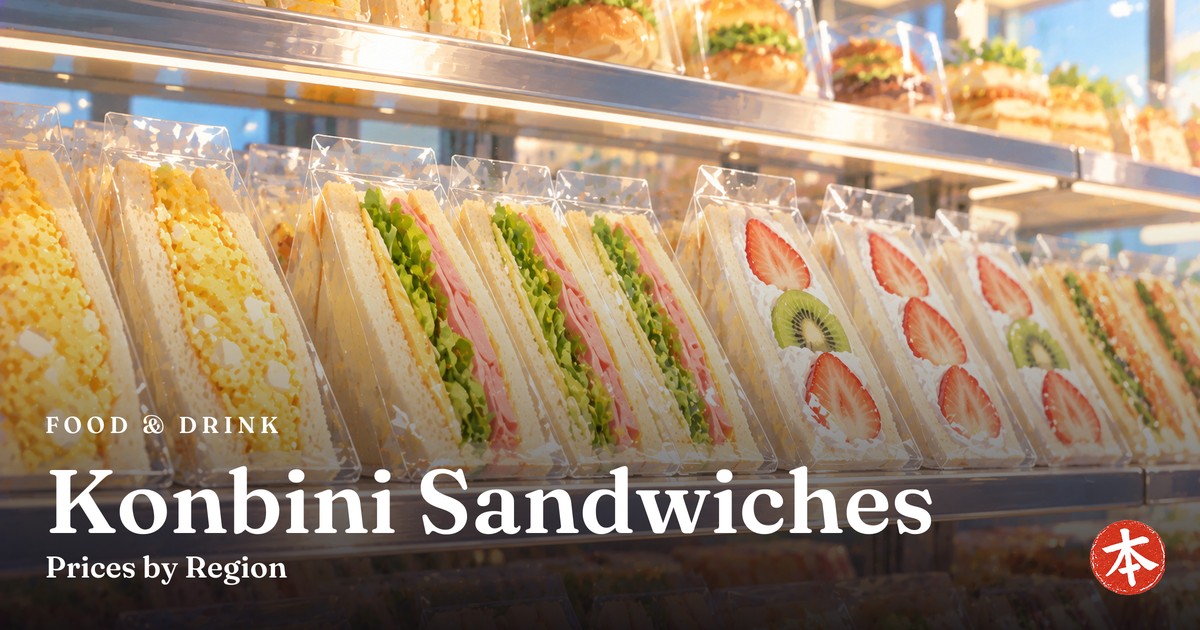
Japan’s convenience store sandwiches are one of the few things about the country that live up to their reputation online: soft white bread, no crusts, a filling that is better than it has any right to be at 340 yen. What nobody tells you is that the price and the lineup change depending on which prefecture you are standing in, and that the tax-included figure printed on the official site is not what you pay.
We read 7-Eleven’s own product pages for the sandwich and roll category and Lawson’s, and this is what they say: 115 items listed across the country, prices from 198 to 430 yen before tax, availability set region by region, and a till that rounds the tax down.
What konbini sandwiches cost in Japan, in the chain’s own numbers
Every figure below is a pre-tax price from 7-Eleven’s official listing on the day we read it, with the tax-included figure the chain prints beside it.
| Item (7-Eleven) | Price | Where it was listed |
|---|---|---|
| Yokubari sando, coloured chocolate and whipped cream | 198 yen (213.84 with tax) | Tohoku, Kanto, Yamanashi, Nagano, Tokai, Kinki, Chugoku, Shikoku, Kyushu |
| Cheese chicken cutlet and egg roll | 250 yen (270) | Chugoku, Shikoku |
| Mini roll, ham and egg with croquette | 268 yen (289.44) | Hokkaido, Koshinetsu, Hokuriku, Kinki, parts of Chugoku |
| Toasted ham and cheese sandwich | 280 yen (302.40) | Okinawa only |
| Juicy ham sandwich | 330 yen (356.40) | Ibaraki, Tochigi, Gunma, Saitama; separately Fukushima |
| Teriyaki chicken and egg sandwich | 340 yen (367.20) | Most of the country, listed in three separate regional blocks |
| Chocolate whipped cream sandwich | 388 yen (419.04) | Niigata and Hokuriku only |
| Three-fruit sandwich | 398 yen (429.84) | Hokkaido, Tohoku, Chiba, Tokyo, Kanagawa, Koshinetsu, Hokuriku, Tokai, Chugoku, Shikoku |
| Smoked salmon and mashed potato sandwich | 430 yen (464.40) | Saitama, Chiba, Tokyo, Kanagawa |
Two things fall out of that table. The cheapest thing in the range is a sweet sandwich, not a savoury one. And the most interesting items are the ones with the shortest region list.
The region rule: why the same sandwich costs a different amount in Japan
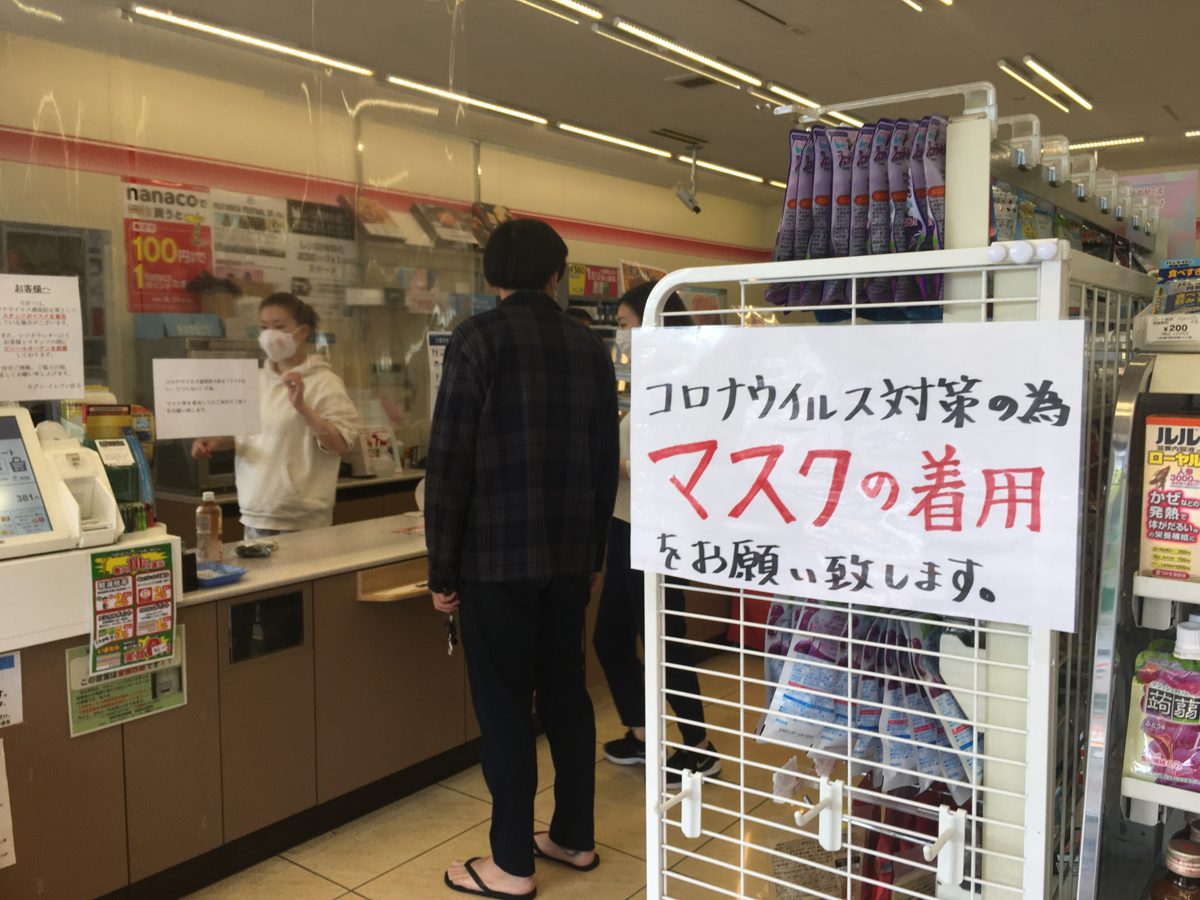
7-Eleven publishes by sales region, not nationally
The official page is built around a region selector covering Hokkaido, Tohoku, Kanto, Koshinetsu, Hokuriku, Tokai, Kinki, Chugoku, Shikoku, Kyushu and Okinawa. A product appears once for each region block it is sold in, with its own release date and its own price. The teriyaki chicken and egg sandwich appears three times at the same price; other items appear once, for one region.
Some sandwiches exist in one prefecture
The toasted ham and cheese sandwich was listed for Okinawa only. The chocolate whipped cream sandwich was listed for Niigata and Hokuriku only. The smoked salmon sandwich, the most expensive in the range, was for the four prefectures around Tokyo. If you are traveling the length of the country, the shelf is a different shelf each time.
What the chain will not promise
Three caveats are printed at the bottom of the page: a listed product may not be handled by a given store; it may not have been released yet even inside its own sales region; and it may have been discontinued early if demand outran the ingredient supply. That is unusually frank, and it is the reason not to plan a day around a specific sandwich.
What to actually buy from a Japanese convenience store sandwich shelf
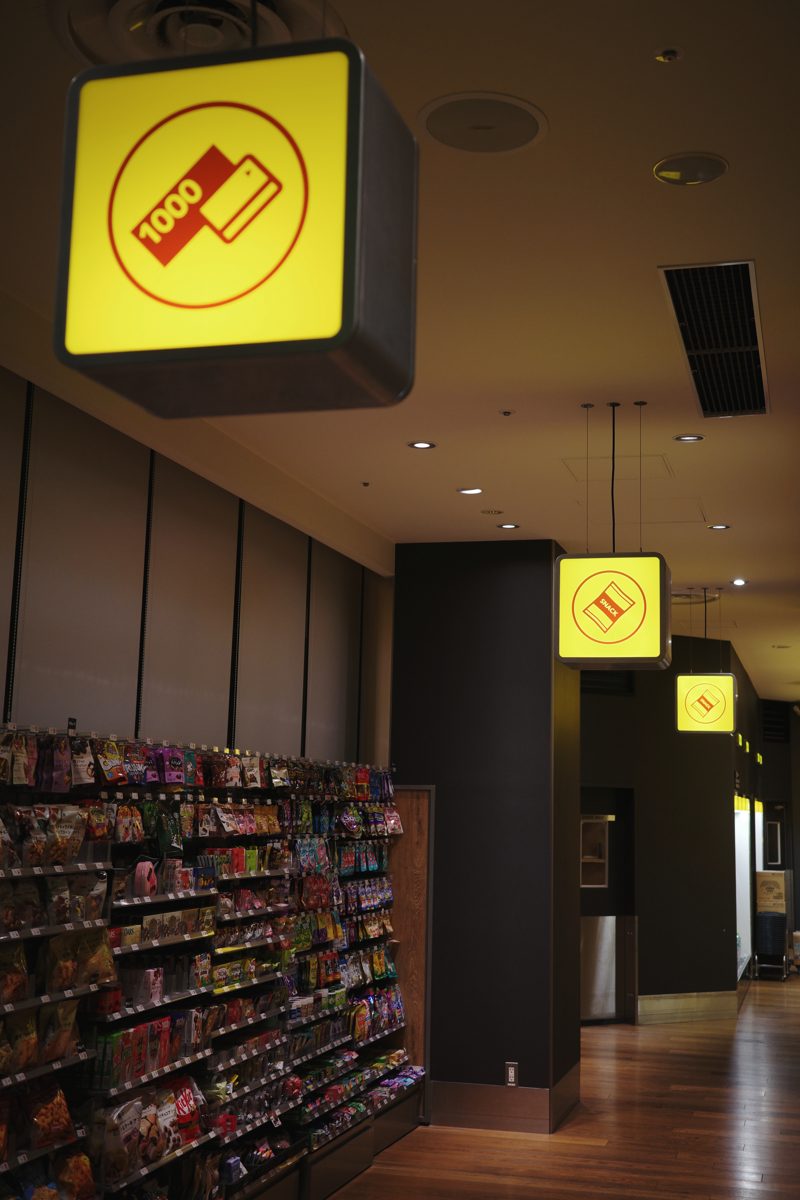
The egg sandwich, first
Every chain makes one, and it is the item the chains themselves promote hardest — 7-Eleven has a short video on its own product page about how the egg filling is made. It is the benchmark: if a konbini’s egg sandwich is good, the rest of the shelf usually is.
The lettuce sandwich, which has outlived every trend
Plain lettuce, a little ham, mayonnaise. It has been in the 7-Eleven range long enough that the chain has made a separate video about why it stays crisp. It is the cheap, safe choice on a train platform, and the one most likely to be in stock late at night.
The fruit sandwich is a dessert, not a lunch
Whipped cream and fruit between slices of white bread. The three-fruit version was 398 yen and the chocolate one 388. Lawson had a shine muscat and yellow peach version listed when we read its page. Buy it as pudding, not as a meal, and eat it the same day.
The rolls are the cheap end
The mini rolls and filled rolls sit between 198 and 268 yen and are smaller than they look in photographs. Two of them make a breakfast; one does not. If you want something hot instead, the fried chicken at the counter is the usual companion — our guide to Japanese 7-Eleven covers the counter items.
What Lawson puts on the shelf
Lawson’s own page listed a tuna and cucumber sandwich, shine muscat and yellow peach, egg, tuna and egg, ham and egg, a mixed sandwich, a vegetable mix, a variety mix, lettuce, a club house sandwich and a BLTE, which is a BLT with egg. We are not quoting Lawson prices because its page loads them by script and we could not read them from the page itself.
The onigiri question
The other 150-yen breakfast in every Japanese convenience store is the rice ball, and it is the one to buy when you want something warm-adjacent and filling rather than soft and cold. The two shelves sit next to each other, the rice balls turn over even faster, and the wrapper is designed to keep the seaweed crisp until you open it. If you are buying for a train, one of each is the standard move.
Where konbini sandwiches fit into a day in Japan
Breakfast, for about 400 yen
A sandwich and a coffee from the machine comes to roughly 400 to 500 yen, which is the cheapest breakfast in the country that is not a rice ball. If you would rather sit down, our guide to Japanese breakfast in Tokyo covers what a set meal costs.
Train food, which is allowed
Eating on a shinkansen or a long-distance train is normal and expected; eating on a crowded commuter line is not. Konbini sandwiches are designed for the first case, sold in packaging that opens without mess and closes again.
The timing of the shelf
Stores are restocked several times a day and the sandwiches carry a consume-by time rather than a date. The shelf at seven in the morning is not the shelf at seven at night. For a 6 a.m. departure, buy on the way rather than the night before.
Paying
Cards and IC cards work at every major chain, and the sandwich shelf is one of the few places in Japan where you will never need cash. If you are working out how much cash to carry for the rest of the trip, our guide to cash and ATMs has the answer, and for a sit-down version of the same food at a slightly higher price, tonkatsu in Tokyo is where the cutlet sandwich comes from.
Are Japan konbini sandwiches worth the reputation?
At 330 to 400 yen, for bread that is soft, filling that is cold and correct, and a shelf that is restocked three times a day, yes. The thing to adjust is the expectation of consistency: this is not one national product. It is a regional lineup that happens to share a logo, and the item you read about on a forum may not exist in the prefecture you are in.
If you want the version with a knife and fork, conveyor belt sushi is the other cheap, reliable Japanese meal that foreigners consistently underestimate.
FamilyMart and the third option
FamilyMart sells the same categories and we are not quoting its prices either, for the same reason: the product pages load their figures by script. In practice the three chains sit within about fifty yen of each other on the staples, and the difference that matters to a visitor is which one is closest to the station at the time.
The bread itself
Japanese konbini sandwiches use shokupan, the soft white milk bread sold in thick slices, with the crusts cut off. That is why they taste different from a supermarket sandwich at home rather than better in some mysterious way: the bread is a different product, made to be soft rather than chewy, and it goes stale quickly, which is why the shelf turns over three times a day.
Reading the label without Japanese
Two things are worth finding on the sticker. The time printed near the top is the consume-by time, given as a date and an hour. The price sticker shows the pre-tax figure large and the tax-included figure small, which is the opposite of what most visitors expect and the reason the till total can surprise you.
Vegetarian options, honestly
Thin. The vegetable mix and the lettuce sandwich are the closest, and both usually contain ham or egg in at least one of their sections, because the mixed packs are sold as an assortment rather than as a single filling. The fruit sandwiches are the reliable meat-free choice. Ingredient lists are printed in Japanese on the back of the pack, and the chains publish allergen information on the same product pages as the prices.
What the packaging tells you about freshness
The wrapper is sealed along one edge and opens in a single pull, which is a manufacturing choice rather than a design one: the sandwich is assembled and sealed the same day it is sold. Stores mark down what is left near the end of its window in some regions, which is why you occasionally see a discount sticker in the evening and never in the morning.
Frequently asked questions
How much does a convenience store sandwich cost in Japan?
Why do the prices differ between prefectures?
What does the tax-included price mean on the page?
Will the sandwich I read about be in the shop?
What does Lawson sell?
Which sandwich should a first-time visitor try?
Are convenience store sandwiches safe to eat on a train?
How long do they keep?
Bottom line: 7-Eleven listed 115 sandwiches and rolls, from 198 to 430 yen before tax, and it prices and stocks them region by region: a toasted ham and cheese for Okinawa, a chocolate cream sandwich for Niigata, a smoked salmon sandwich for the four prefectures round Tokyo. Tax-included figures on the site use the 8 percent reduced rate and the till rounds the fraction down. Buy the egg sandwich first, treat the fruit sandwich as dessert, and do not plan a day around an item the chain itself will not promise is in the shop. As of September 24, 2026.
Sources
Prices, the item count, the regional lists and the tax notes are from 7-Eleven Japan’s official sandwich and roll pages, and the Lawson lineup from Lawson’s official page, both read on September 24, 2026. Convenience store ranges change weekly and prices differ by region, so treat the figures as what was published that day rather than as a fixed menu.
Tokyo to Osaka, Tokyo to Kyushu, Tokyo to Hokkaido — day by day — plus seven places most visitors never reach.
- 12 pages, 80 photographs, every stop linked to its guide
- Every price and opening hour read from the official page
- Re-issued monthly, so it does not go stale in your inbox
Free. One email a month, plus the rare change that matters. Unsubscribe with one click in any email. By subscribing you agree to our privacy policy.