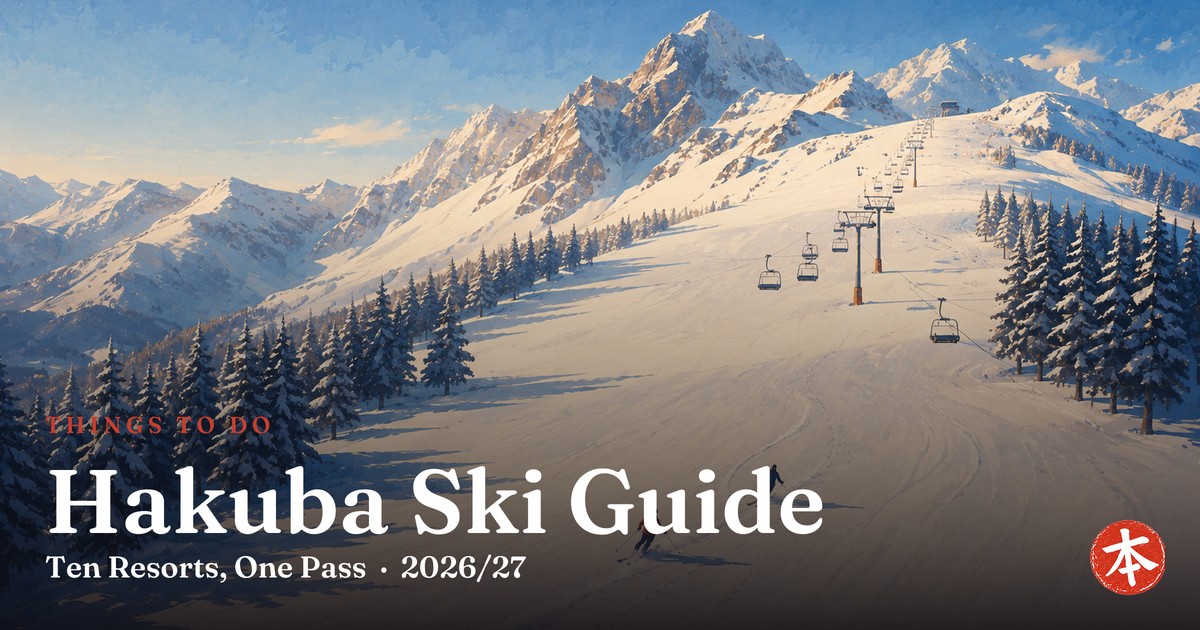
Hakuba is ten separate resorts under one lift ticket, three hours from Tokyo, with terrain that hosted an Olympic downhill. It is the answer for anyone who wants Japanese powder without committing a whole trip to Hokkaido — and unlike most of the Japanese ski market, it is genuinely set up for foreign visitors.
This guide is published in August deliberately: the 2026/27 all-mountain prices are already out, most individual resorts have not updated theirs, and one resort is still showing last season's number for the valley pass on its own site. Below is what is confirmed for this coming season, clearly separated from what is still last season's figure.
Hakuba at a glance
| Resorts on one pass | Ten — Happo-one, Goryu, Hakuba 47, Tsugaike, Iwatake, Cortina, Norikura, Kashimayari, Jigatake, Sanosaka |
|---|---|
| 2026/27 day pass | ¥11,100 adult · ¥6,400 child (published, current) |
| Multi-day | 2-day ¥21,800 · 3-day ¥32,200 · 5-day ¥53,400 · 10-day ¥106,100 |
| Flexibility | 3-day valid over 6 days · 5-day over 10 · 10-day over 16 from first use |
| Season pass | On sale since July 14, 2026 · early-bird ¥110,000 adult · Youth is domestic residents only |
| From Tokyo | As little as 2h50m by Hokuriku Shinkansen plus express bus (official figure) |
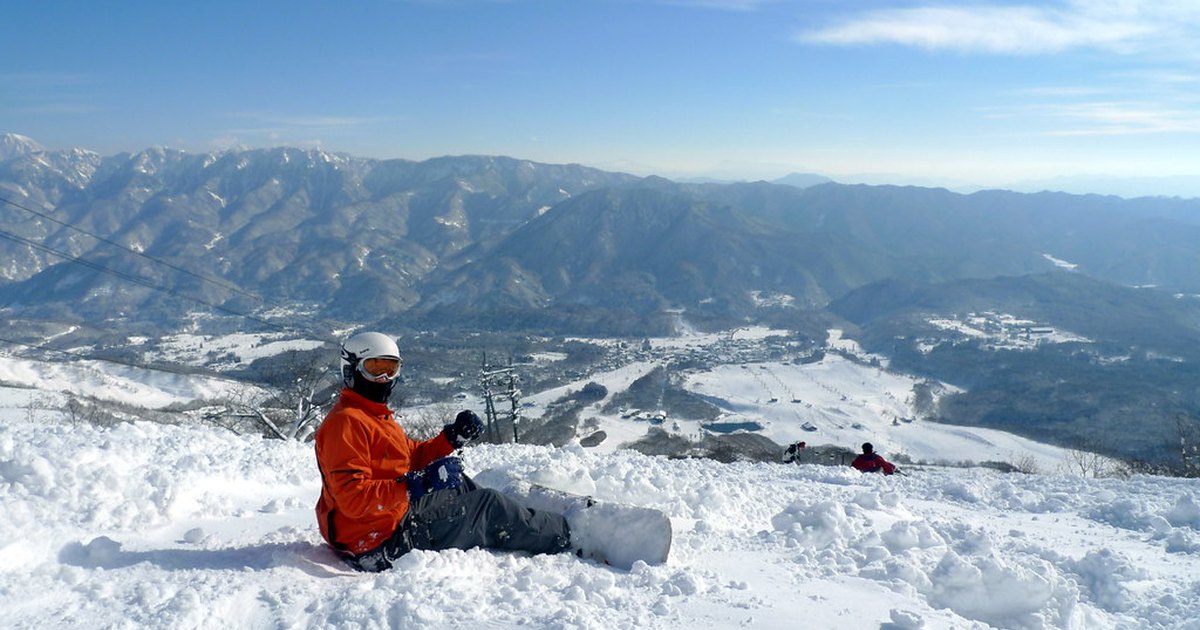
| Biggest mountain | Happo-one: 16 courses · 1,071m vertical · 8km longest run · 37° max |
| 🚨 Backcountry | Designated gates only, at 5 of 10 resorts. Tour plan required. Rescue may be billed to you |
The 2026/27 prices, and the ones that lie
The all-mountain day pass is the product that makes Hakuba make sense, and its 2026/27 prices are published:
| Days | Adult · Child (2026/27, official) |
|---|---|
| 1 day | ¥11,100 · ¥6,400 |
| 2 days | ¥21,800 · ¥12,500 |
| 3 days | ¥32,200 · ¥18,100 — usable across 6 days |
| 5 days | ¥53,400 · ¥29,700 — usable across 10 days |
| 10 days | ¥106,100 · ¥58,800 — usable across 16 days |
The same applies to individual resort tickets more broadly. As of early August, Happo-one, Hakuba 47 and Tsugaike have not published 2026/27 prices at all — their sites still show last season. Only Hakuba Valley itself and ABLE Hakuba Goryu have this season's numbers up.
For reference, Goryu's own 2026/27 prices are out: ¥10,000 adult (23–64), ¥9,500 senior (65–79), ¥6,500 youth (13–22) and ¥4,500 child for a day, with 2-day and 3-day rates and a half-day option. Its lifts are stated to run to May 6, 2027. Note the IC card carries a ¥500 deposit refunded when you return it — the valley day pass itself needs no deposit, but Goryu, Hakuba 47 and Kashimayari passes do.
The season pass went on sale July 14, 2026: ¥110,000 adult early-bird, ¥121,700 regular, with child rates around half. Against ¥11,100 a day, that pays off at about ten days. One catch for visitors: the discounted Youth rate for ages 13–18 is stated as domestic residents only, so a visiting teenager does not qualify.
Buying it, in English
- The webshop runs in English. First-time buyers get a QR code and pickup code by email, redeemed at a ticket window or at a SKIOSK vending machine. If you already hold the card, you reload online and go straight to the gates.
- Two resorts have no online ticketing at all — Jigatake and White Resort Sanosaka. If those are on your list, plan to buy in person.
- The valley day pass needs no deposit; three resorts' own passes require ¥500, refunded on return of the card.
- The 2026/27 on-sale date for day passes was not published when we checked — only the season pass date. The page said to wait for the sale to start.
Which mountain, and the English question
Shot in February 2026, this is a single first-person run down Happo-One from the summit to the gondola base — five minutes that show you the pitch, the grooming, the width of the trails and how busy it gets, which is more useful than any trail map when you are deciding whether Happo is your mountain.
Happo-one is the biggest and the one with Olympic history: 16 courses, a top station at 1,831m against a base at 760m, 1,071m of vertical, an 8km longest run and a maximum pitch of 37 degrees. It is also the one with the clearest English support — the resort's own site names Evergreen International Ski School, describing it as Hakuba's first and foremost international snowsport school, teaching since 2000, with English-language lessons and a children's program.
One more honest gap: Cortina's official site could not be reached at all when we checked (a certificate error), so nothing about that resort is stated here. Its reputation among powder skiers is not something we can source officially.
🚨 The backcountry rules, translated
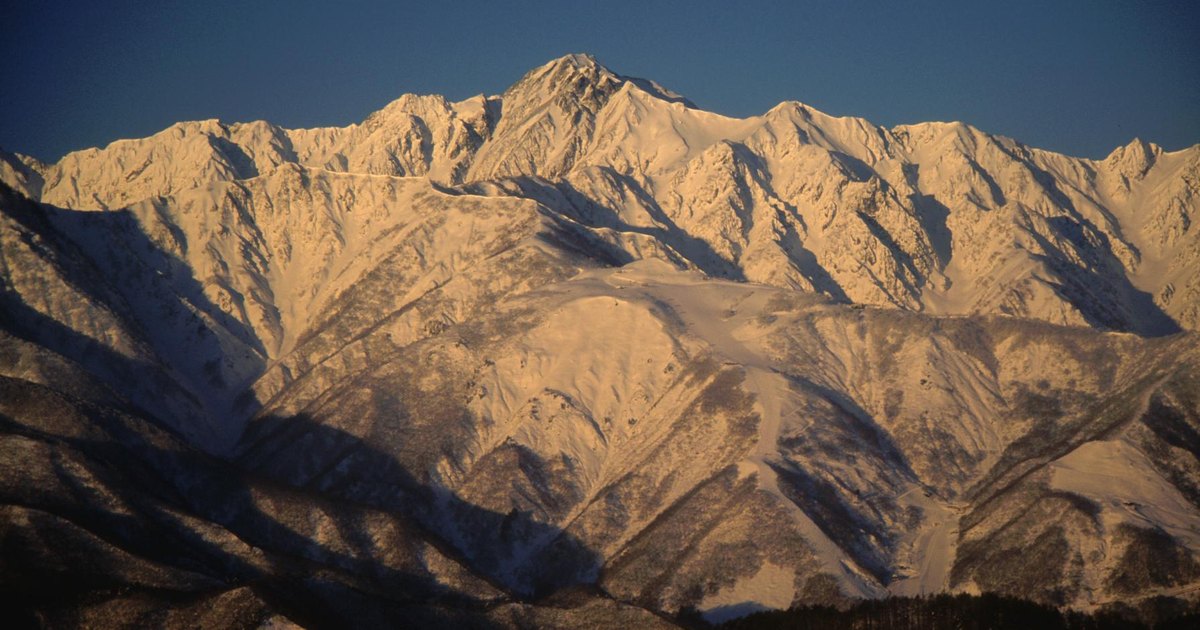
This is the section that does not exist in English anywhere else, and it is the one that matters most. Hakuba Valley publishes its safety rules in Japanese, and they are considerably harder than a visiting skier might expect:
- Designated gates only. Anyone heading into the backcountry must pass through a designated gate. Gates exist at five resorts only — Goryu, Happo-one, Tsugaike, Norikura and Cortina. The other five have no gates and prohibit backcountry access.
- File a tour plan at the designated submission point. This is stated as a requirement, not a suggestion.
- Carry avalanche gear — transceiver, probe and shovel. At danger level 3, inexperienced parties are told to stay inside the boundary.
- Do not go alone. The rule is to move in a group that includes someone with genuine experience; guides certified by the national mountain guide association are recommended for the inexperienced.
- Outside the boundary is unmanaged terrain — the safety page names avalanches, unmarked rocks and obstacles, snowpack cracks and holes in gully terrain.
- The resorts disclaim responsibility entirely for accidents in the backcountry.
- Rescue is slow and can be billed to you. The page states that search and rescue takes time and may be charged for, and that where a private rescue team is deployed, the costs are billed to the person rescued. Mountain insurance is strongly recommended.
None of that should put you off the resort skiing, which is superb and fully patrolled. It should put you off the very specific fantasy of ducking a rope because the trees look good.
Getting there
The official end-to-end figure from Hakuba Valley is as little as 2 hours 50 minutes from Tokyo, by Hokuriku Shinkansen to Nagano and then express bus. The bus from Nagano Station runs direct to Hakuba without stopping, and the stop is within a ten-minute walk of the station gates.
Also unpublished as of early August: the 2026/27 winter bus timetables and fares. The current pages are the 2025/26 edition and the departure times show as "in preparation." Last season, for reference only, the Shinjuku–Hakuba coach ran ¥6,400–7,800 one way with a ¥2,000 surcharge on the 23:05 late-night departure, and Nagano–Hakuba was ¥3,500.
Two operational details worth knowing about the Shinjuku coach, both from the operator: it is sold one way only — there is no return fare, and reservations are online only; the operator states plainly that it does not take bookings by phone or email. Book a month ahead for peak-season weekends.
When to go
Season dates for 2026/27 have not been announced by any resort. The official framing is that the season runs from December 2026 to early May 2027, subject to snowfall. As an indication only, last season most resorts closed between mid and late March, while Happo-one and Goryu ran into early May — Goryu's 2026/27 page already states lifts to May 6, 2027. If you want the long tail of spring skiing, those two are the pair.
One number we will not give you: average annual snowfall. No official Hakuba source publishes one, and the monthly figures on a resort site appear to be snow depth rather than cumulative snowfall — converting them would produce a confident-sounding number that isn't true.
Planning the trip around it
Hakuba works as a three-to-five day block inside a longer Japan trip rather than a standalone holiday — the multi-day pass validity windows are built for exactly that rhythm. See the 10-day itinerary for how a mountain block slots between cities, and the seasonal guide if you are still choosing dates.
Two practical bits: check whether a rail pass earns its money on your route before you buy one, and have a data connection live from landing — lift status, shuttle times and avalanche forecasts are all things you will want to read standing in the snow. And if you are going to be in rural Nagano anyway, a night in a ryokan with an outdoor bath after a day on the hill is the single best pairing in Japanese travel.
(The other half of the comparison: Niseko is ¥13,500 a day across four resorts, with night skiing at all of them — and its 2026/27 prices are published too.)
(Not skiing every day? Nagano's other winter icon is an easy pairing — the onsen-bathing snow monkeys of Jigokudani, with access, timing and the honest photo odds in our Snow Monkey Park guide.)
(Getting there and paying for the lifts both changed for 2026–27: our access guide covers the routes and the night-bus ski trap, and the lift-pass guide has the freshly published ¥11,100 valley-pass table and the Epic Pass fine print.)
(Deciding between regions? Our skiing-in-Japan guide weighs Hakuba against Niseko with the season's published prices.)
FAQ
How much is a Hakuba lift ticket for 2026/27?
How many resorts does the Hakuba Valley pass cover?
Do multi-day Hakuba passes have to be used on consecutive days?
Is the Hakuba season pass worth it, and can visitors buy it?
How do you get to Hakuba from Tokyo?
What are the backcountry rules in Hakuba?
Bottom line (2026) — One lift ticket covers ten resorts in Hakuba, and the 2026/27 price is already published — ¥11,100 a day. Some resorts’ own sites still show last season, and the gate-and-rescue rules exist only in Japanese. Season dates for 2026/27 have not yet been announced by any resort.
Sources
Checked August 4, 2026: Hakuba Valley's official ticket and season-pass pages for the ten-resort list, the published 2026/27 all-mountain day pass prices and the multi-day validity windows, the July 14, 2026 season-pass on-sale date and its price tiers including the domestic-residents-only Youth category, the English webshop process with QR and pickup codes and SKIOSK collection, the two resorts without online sales, and the deposit rules; ABLE Hakuba Goryu's own 2026/27 ticket page for its prices, its IC deposit and its stated operating period to May 6, 2027; Happo-one's official pages for the mountain statistics and the English-language ski school, and its ticket page (which still shows last season and the outdated valley-pass figure); Hakuba Goryu's school page for the Chinese-language school; Hakuba Valley's official safety page for the designated-gate requirement and which five resorts have gates, the tour-plan filing requirement, the avalanche equipment and group rules, the disclaimer of resort responsibility outside the boundary, and the statement that rescue may be charged and private rescue costs billed to the person rescued; Hakuba Valley's access page for the 2 hours 50 minutes figure; and Alpico's official bus pages for the joint operation, the one-way-only ticketing, the online-only reservation policy, the late-night surcharge and last season's fares. Deliberately not stated: shinkansen fares, train times and which services stop at Nagano (JR East's pages were unreachable); bus journey durations (this season's timetables are still in preparation); any private transfer service's flat fare; average annual snowfall (no official figure exists); course counts and elevations for resorts other than Happo-one; English signage claims for any resort; 2026/27 prices and opening dates for Happo-one, Hakuba 47, Tsugaike and Iwatake, which are not yet published; and anything at all about Cortina, whose site we could not reach.
Some links on this page may be affiliate links, which means we may earn a commission if you book or buy through them — at no extra cost to you. See our affiliate disclosure.
Tokyo to Osaka, Tokyo to Kyushu, Tokyo to Hokkaido — day by day — plus seven places most visitors never reach.
- 12 pages, 80 photographs, every stop linked to its guide
- Every price and opening hour read from the official page
- Re-issued monthly, so it does not go stale in your inbox
Free. One email a month, plus the rare change that matters. Unsubscribe with one click in any email. By subscribing you agree to our privacy policy.