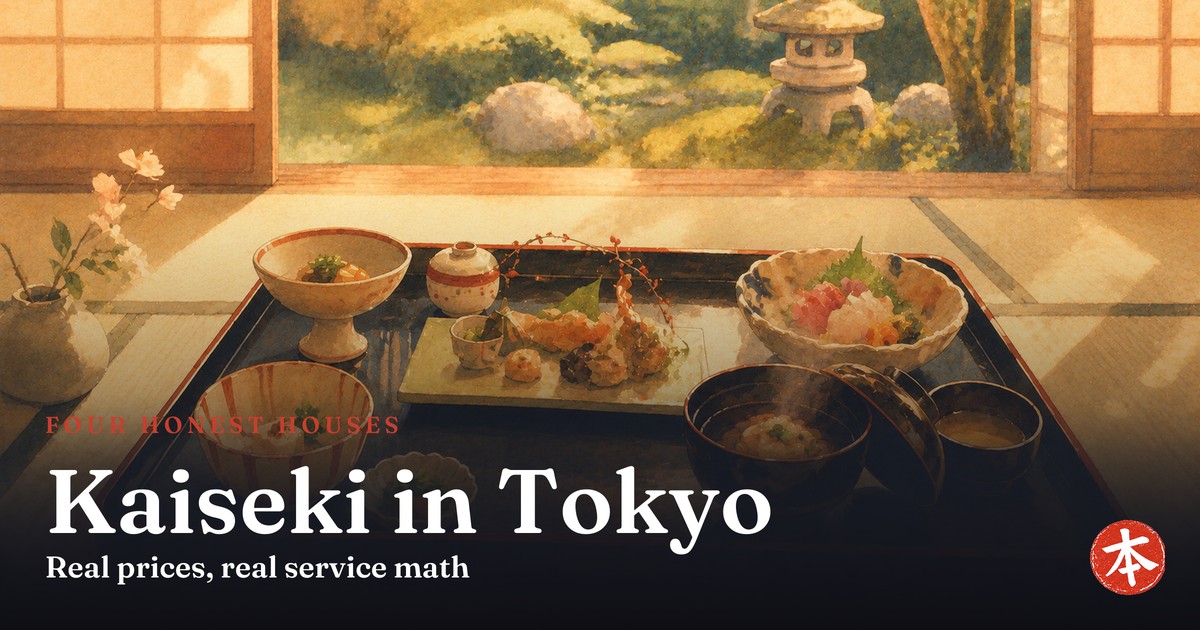
Kaiseki is Japanese cuisine's formal register — a seasonal procession of small courses, plated like weather reports from a better world — and Tokyo lets you enter it anywhere from ¥9,000 all-inclusive to ¥99,000. The catch is that the menus don't speak one language of money: some houses quote tax-in plus 10–20 percent service, others fold everything into one number, and comparing them raw misprices your evening by a third. This guide covers four houses with real, officially published prices, does the service-charge math out loud, and retires the famous names that no longer check out.
Tokyo kaiseki at a glance (official prices, real math)
| House | Listed price | Real price after service | The catch |
|---|---|---|---|
| Tokyo Nadaman (Imperial Hotel B1) | Lunch from ¥9,000 · dinner from ¥16,000 | Same — tax & service included | The honest entry point |
| Akasaka Kikunoi | Lunch ¥14,300–22,000 · dinner ¥22,000–55,000 (tax in) | +10% lunch · +15% dinner · +20% private room | 🚨 Lunch entry 12:00–12:30 only · closed Sun–Mon |
| Hamadaya (Ningyocho) | Lunch ¥22,000 · dinner ¥41,800–80,300 (tax in) | +20% → top dinner ~¥96,000 | 🚨 Lunch Wed/Thu/Sat only · closed Sun & hols |
| Nadaman Sazanka-so (New Otani garden) | Lunch ¥35,640–99,000 · dinner ¥52,800–99,000 | Same — room, tax & service included | Reserve 2 days ahead · 2 guests min |
| 🚨 Retired from recommendation: Hotel Gajoen Tokyo (closed Sep 30, 2025, official) · Tsukiji Tamura prices (unpublished since 2024 rebuild) · Shinbashi Hoshino (no official source) | |||
What a full kaiseki procession looks and moves like:
The entry point: ¥9,000 at the Imperial
Why start at a hotel restaurant?
Purists sniff at hotel dining rooms; accountants and first-timers should not. Tokyo Nadaman, in the Imperial Hotel's main building, publishes the cleanest price sheet in the genre — lunch from ¥9,000, dinner from ¥16,000, service charge and tax included, breakfast from ¥5,800 if you want kaiseki logic at 7 a.m. — and serves it across 120 seats with private rooms for occasions. The Nadaman name carries nearly two centuries of kitchen lineage, and the hotel wrapper solves every traveler friction: English phone lines, no entry-window brinkmanship, dress anxiety irrelevant. As a first kaiseki — or a jet-lagged last dinner — it's the professional's pick, and it leaves budget for the unagi and sushi chapters of the trip.
The destination houses: Kikunoi's half-hour and Hamadaya's three lunches
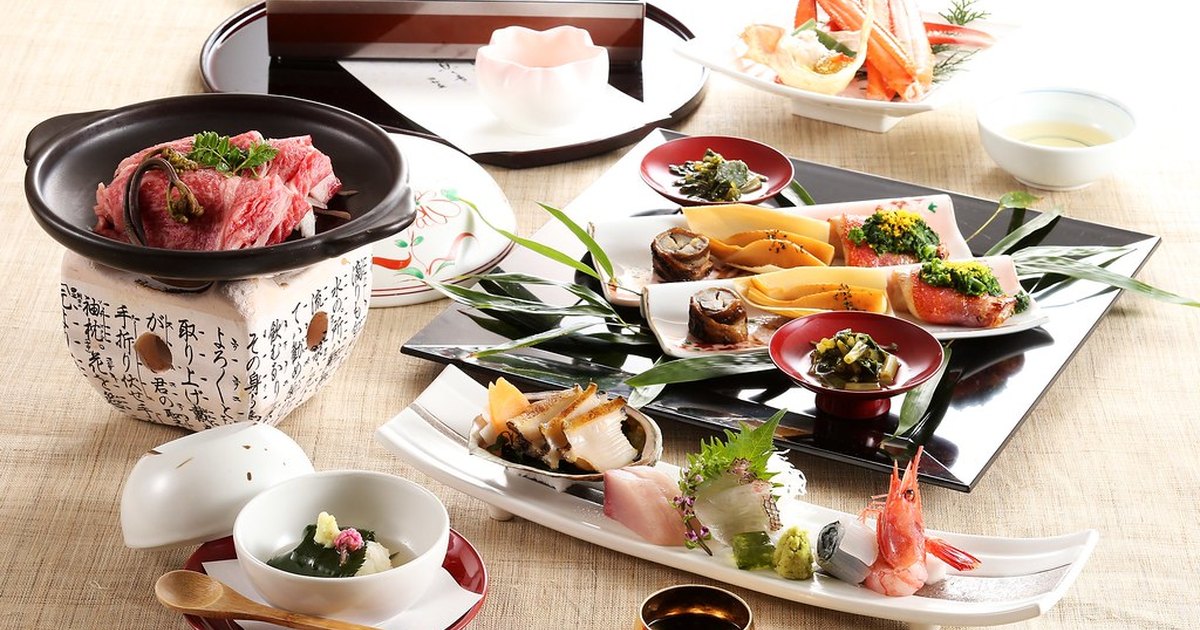
How do you actually get into the famous rooms?
Akasaka Kikunoi — the Tokyo house of Kyoto's celebrated Kikunoi, wearing two Michelin stars on its own site — sells lunch kaiseki at ¥14,300–¥22,000 (tax in, +10% service) with the genre's strictest door: entry 12:00–12:30, kitchen closed by 14:00, ground-floor seats only at midday, dark Sundays and Mondays. Dinner (¥22,000–¥55,000, +15%, private rooms +20%) admits 17:00–19:00; reservations by phone or email. Genyadana Hamadaya, the 1912-vintage Ningyocho ryotei, inverts the trick: dinner spans ¥41,800 to ¥80,300 listed — call it ¥50,000 to ¥96,000 after its flat 20 percent service — while lunch at ¥22,000 (+20%) opens only Wednesday, Thursday and Saturday. Its own site routes bookings to TableCheck, which makes it the most foreigner-bookable of the old guard. Both houses reward the lunch door: identical kitchens, civilized totals.
The summit, the silence, and the closed door
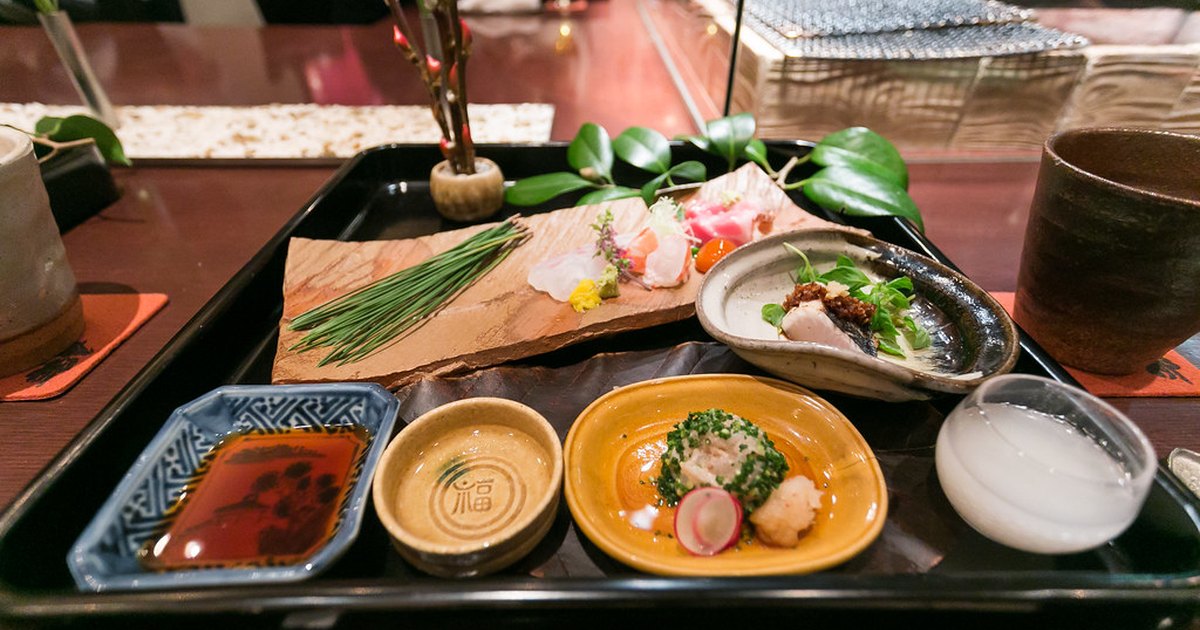
Where does ¥99,000 a head actually happen?
Nadaman Sazanka-so occupies a villa in the Hotel New Otani's 400-year-old garden — not the Imperial; the two Nadamans are the most-conflated addresses in Tokyo fine dining — and prices like the ceremony it is: mainstream kaiseki at ¥52,800 all-inclusive, the head chef's bespoke menu at ¥99,000, lunch entries from ¥35,640, every figure officially covering room charge, tax and service. The protocol: book two days ahead, two guests minimum, last seatings 13:00 and 19:00, and heed its posted April price revision by reconfirming. Then the honesty section. Tsukiji Tamura rebuilt in 2024 and now officially publishes no prices — the beloved cheap-lunch figures in circulation are artifacts of the old building. Hotel Gajoen Tokyo, the ornamented palace on half the internet's kaiseki lists, officially ended operations on September 30, 2025. And Shinbashi Hoshino has no official source to verify at all. The dated closures live on our 2026 tracker; for the rest of a Tokyo eating itinerary, the DIY food-tour route covers the informal end of the spectrum.
Table manners the meal quietly expects
What should a first-timer actually do at the table?
Less than you fear. Courses arrive one at a time and the pacing is the etiquette: eat each while it's at temperature rather than waiting on ceremony, lift the small bowls to yourself, rest chopsticks on the provided pillow between courses, and let staff pour the first drink. Nothing needs to be finished heroically — but the rice course near the end is the meal's formal signature, and leaving it untouched reads as leaving early. Photograph plates quickly and without flash; every house here is accustomed to it. And the one genuinely useful phrase: omakase shimasu — "I'm in your hands" — which is both accurate and the whole philosophy of the format. The kitchen has been rehearsing this season's menu for weeks; your job is to show up hungry and on time — especially, at Kikunoi, on time.
(For the beef-centric splurge instead — certification, bronze statues and the A5 myth — see our Kobe beef guide.)
FAQ
What’s the difference between kaiseki and kaiseki?
What’s the cheapest real kaiseki in Tokyo?
How expensive does it get?
What’s the trap with Kikunoi’s lunch?
Why do the listed prices lie — and how do I compare them?
When can I even get lunch at Hamadaya?
What happened to Tsukiji Tamura’s famous cheap lunch?
Is there a dress code at these restaurants?
Which famous kaiseki spots should I stop recommending?
Is kaiseki worth it for a traveler who can’t read the menu?
Bottom line (2026) — Tokyo kaiseki with published prices runs from ¥9,000 all-inclusive at the Imperial Hotel’s Tokyo Nadaman to ¥99,000 in a New Otani garden villa at Sazanka-so. Comparing menus is a trap – some houses quote tax-in plus a 20% service charge, others fold everything in. Kikunoi Akasaka, Hamadaya, Sazanka-so and Tokyo Nadaman each publish their own charges, entry windows and closing days.
Sources
Kikunoi Akasaka prices, service charges, entry windows, closing days and reservation channels: kikunoi.jp's official Akasaka page. Hamadaya courses, service charge, lunch-day restrictions and hours: hamadaya.info official pages. Sazanka-so menus, inclusive pricing, reservation protocol and revision notice: nadaman.co.jp official pages. Tokyo Nadaman prices and hours: the Imperial Hotel's official restaurant page. Tamura's rebuild, official domain and no-prices policy: tsukiji-tamura.com official metadata. The Gajoen closure: the hotel's official bilingual notice. All read on August 18, 2026. Dress codes are published by no house and are not asserted. The embedded video is by its creator.
Some links on this page may be affiliate links, which means we may earn a commission if you book or buy through them — at no extra cost to you. See our affiliate disclosure.
Tokyo to Osaka, Tokyo to Kyushu, Tokyo to Hokkaido — day by day — plus seven places most visitors never reach.
- 12 pages, 80 photographs, every stop linked to its guide
- Every price and opening hour read from the official page
- Re-issued monthly, so it does not go stale in your inbox
Free. One email a month, plus the rare change that matters. Unsubscribe with one click in any email. By subscribing you agree to our privacy policy.