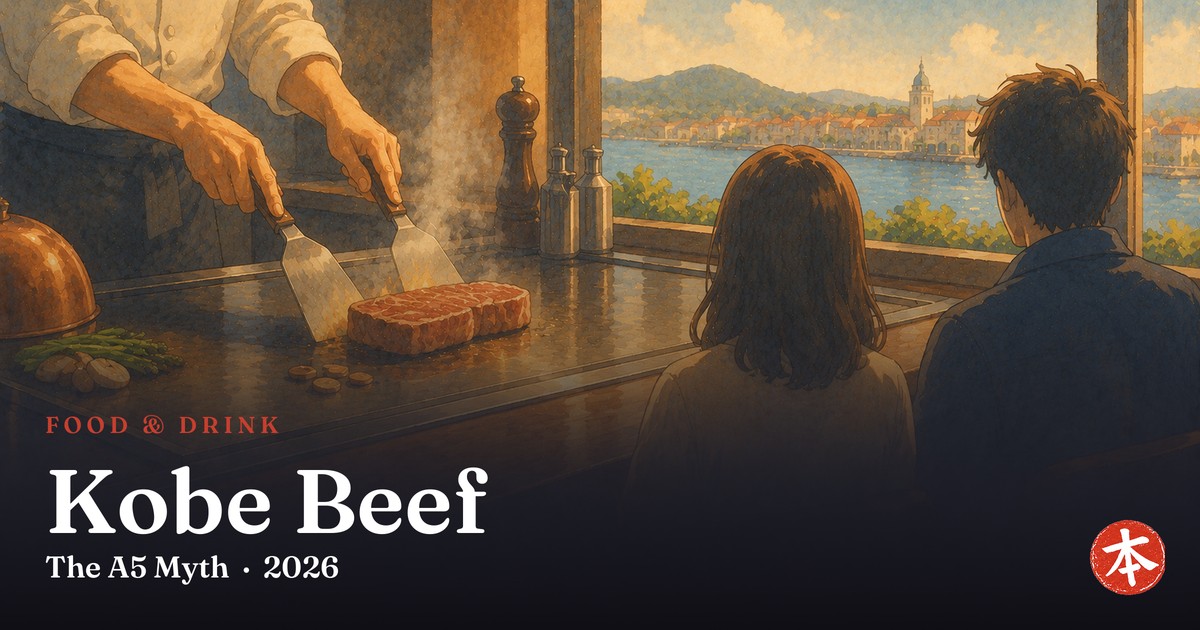
Kobe beef is the most counterfeited food name on earth, and the least understood at home: the real thing comes from roughly 6,820 animals a year — under 0.2% of Japan's beef — through a closed registration system whose member restaurants literally display a bronze statue at the door, whose every steak traces to a 10-digit ID, and whose producers run published DNA audits. Meanwhile the tourist-menu gospel — "only A5," beer-fed, massage-raised — gets debunked by the producers' own FAQ. Here's how to eat the genuine article, from the council's pages.
Kobe beef at a glance
| Item | Official answer (Aug 2026) |
|---|---|
| Definition | Tajima cattle (Hyogo-only bloodline) · heifers & steers only · yield A/B · quality grade 4+ · BMS 6+ · carcass 270–499.9kg |
| 🚨 The A5 myth | The official floor is grade 4 — A4 can be real Kobe; "A5-only" is menu marketing |
| Real-restaurant test | Bronze statue + registration certificate at the door · official directory: kobebeef-org.jp (EN, Tokyo included) |
| Traceability | 10-digit ID per animal → public lineage lookup · per-animal certificate · published random DNA audits (since 2023) |
| Rarity | 6,820 head certified (FY2024) · <0.2% of Japan's beef (official FAQ) |
| Abroad | First export ever: Feb 2012 (Macau) · U.S. trademark 2014 · pre-2012 overseas "Kobe" couldn't have been certified |
The teppanyaki ritual, done properly in Kobe:
The definition: what the rulebook actually says
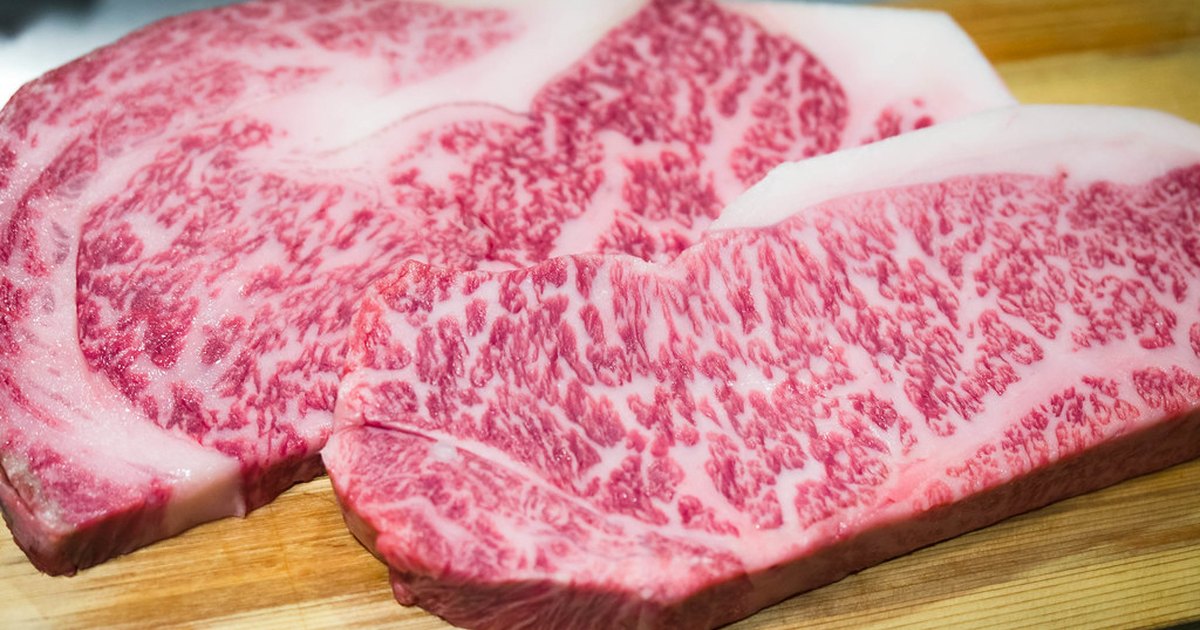
Why is the A5 obsession wrong on both ends?
Read Article 21 of the council's bylaws and two surprises fall out. First, the floor: Kobe beef requires quality grade 4 or above — the official English version says it plainly ("Meat quality score: Score of 4 or above") — so a superbly balanced A4 steak is every bit as "real Kobe" as an A5, and often the better eating for marbling-shy palates. Second, the filters nobody mentions: only virgin heifers and steers qualify, from the closed Tajima bloodline bred exclusively from Hyogo's own sires, raised and processed start-to-finish inside the prefecture, with BMS marbling 6 or higher and a carcass weight window. The result is scarcity by design: 6,820 certified head in FY2024, which the council's FAQ translates as less than 0.2% of the beef Japan consumes. And the legend of beer rations and daily massages? The same FAQ retires it — not standard practice, says the organization with every incentive to keep a good story alive.
The verification ritual: statue, certificate, number
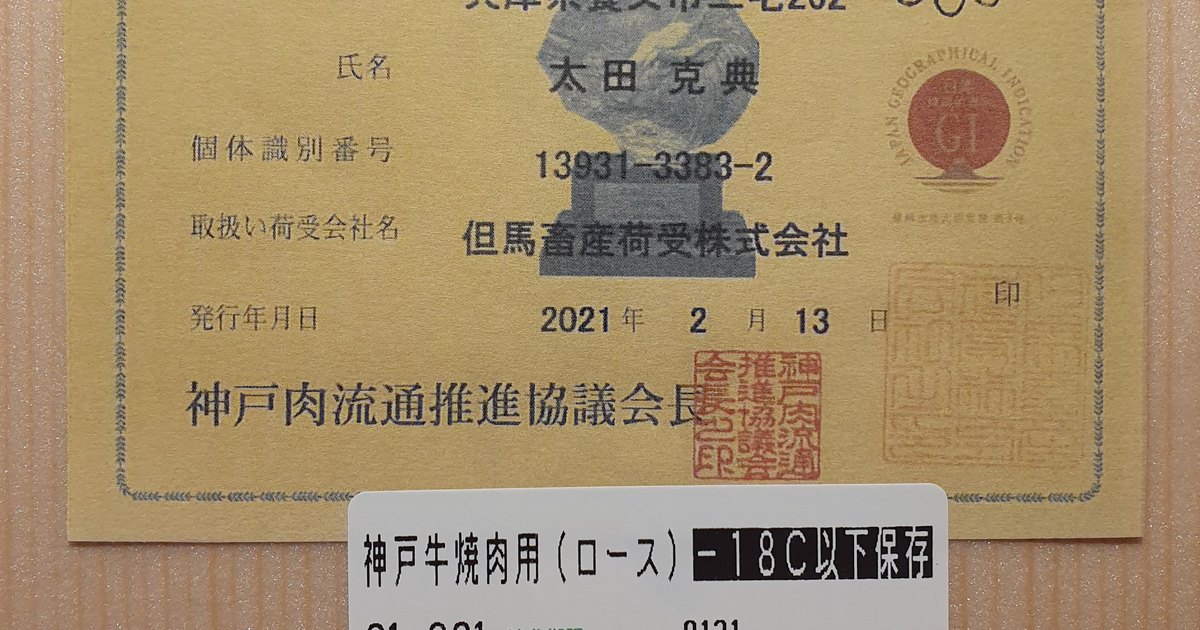
What does the DNA program actually prove?
That the system audits itself in public — rare in luxury food anywhere. Since August 2023 the council has pulled samples from registered restaurants at random, run DNA matching against the claimed animals, and published every result, pass or fail, on its site. For a diner it means the bronze statue isn't a decoration backed by trust alone; it's backed by an ongoing, visible enforcement trail.
How does a tourist actually avoid the fakes?
Use the system the council built. Step one, the door: every legitimate seller — restaurant included — is a registered member and displays the bronze Tajima-cattle statue with a registration certificate; the council's English pages describe exactly this as the member's proof. Step two, the directory: the official restaurant guide at kobebeef-org.jp searches by area (Tokyo, Osaka, Kyoto and beyond — you don't need to be in Kobe), genre and budget, in five languages. Step three, the number: each animal's 10-digit ID follows it from calf to certificate, and the public lineage system lets you look up your dinner's pedigree from your phone at the table. Since 2023 the council has even run random DNA audits of registered restaurants and published all results. Compare that to the overseas timeline — first export 2012, U.S. trademark 2014 — and the polite conclusion writes itself about every "Kobe burger" served before then. We'll say it as the council does: through system facts, no name-calling required.
Eating it: form, city and budget sanity
What should you actually order at the counter?
Less than you think, cut differently than you expect. Kobe's richness rewards moderation — 120 to 150 grams at teppanyaki satisfies most first-timers where a Western steakhouse portion would exhaust the palate — and the connoisseur ritual is ordering two cuts to compare: sirloin for the classic marbled melt, a leaner round or fillet to taste the bloodline without the fat carrying it. The garlic chips, grilled fat trimmings and finishing rice course are teppanyaki tradition, not padding; take them.
What's the smartest first Kobe beef experience?
Teppanyaki at lunch, in Kobe. The counter-grill format is the genre's native theater — the official directory's genre list runs steak, teppanyaki, yakiniku, sukiyaki, shabu-shabu and seiro steaming, and lunch services are where registered houses offer the gentlest entry pricing (the council publishes no prices, so let the directory's budget filter and the day's menu do the talking — and treat any blog's "per-gram price of Kobe beef" as one restaurant's menu, not a market rate). Kobe itself is an easy detour on any Kansai run — roughly half an hour from Osaka, straightforward from the Tokyo–Kyoto shinkansen corridor with the Osaka–Kyoto triangle as your base grid. Tokyo-only itineraries aren't excluded: registered restaurants exist there too (the directory lists them), and for the broader formal-dining landscape our kaiseki guide covers where beef-centric splurges fit among Japan's course cuisines.
(Finding your way around the city itself: our Kobe map guide covers the six separate stations that all call themselves Sannomiya, and the fares English guides still print at their pre-increase levels.)
(To eat it as sukiyaki in Tokyo: our sukiyaki guide includes Asakusa Imahan, a designated Kobe beef restaurant that takes bookings by phone only.)
(For a hotel by Kobe Port: our Hotel Okura Kobe guide notes that the breakfast buffet is 3,800 yen for adults and that children 12 and under share a bed free.)
FAQ
What officially counts as Kobe beef?
How do I know a restaurant serves real Kobe beef?
Can I verify my actual steak?
Why is Kobe beef so expensive?
Do they really feed the cattle beer and massage them?
Is the ‘Kobe beef’ I ate outside Japan real?
What’s the best way to eat it – steak, sukiyaki, shabu-shabu?
Do I have to go to Kobe to eat it?
Kobe, Matsusaka, Omi – which wagyu is ‘best’?
Bottom line (2026) — Real Kobe beef comes from only about 6,820 cattle a year — under 0.2% of Japan’s beef. Every legitimate restaurant displays a bronze statue and registration certificate under an official system you can verify by 10-digit number. The producers’ own FAQ debunks the beer-and-massage legend — don’t pay a premium for it.
Sources
Definition and grading floor: the council's bylaws (Articles 20–21) on kobe-niku.jp, Japanese and official English versions. Registration system and storefront proofs: the council's merchant pages. Traceability, per-animal certificates and the DNA audit program: the council's certification and DNA pages (audit results published since 2023). Head counts and the 0.2% figure: the council's definition tables (FY2024) and FAQ. Export timeline and trademarks: the council's trademark and export pages. Restaurant genres, areas and budget filters: the official restaurant directory kobebeef-org.jp. All read on August 20, 2026. The embedded video is by its creator.
Some links on this page may be affiliate links, which means we may earn a commission if you book or buy through them — at no extra cost to you. See our affiliate disclosure.
Tokyo to Osaka, Tokyo to Kyushu, Tokyo to Hokkaido — day by day — plus seven places most visitors never reach.
- 12 pages, 80 photographs, every stop linked to its guide
- Every price and opening hour read from the official page
- Re-issued monthly, so it does not go stale in your inbox
Free. One email a month, plus the rare change that matters. Unsubscribe with one click in any email. By subscribing you agree to our privacy policy.