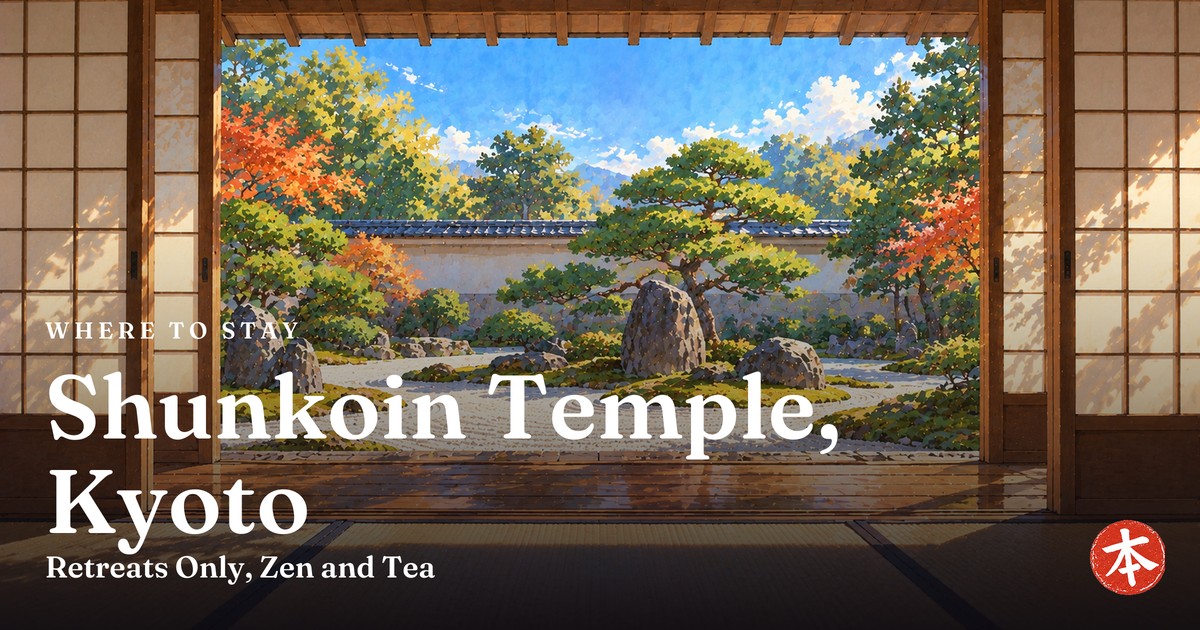
Can you stay at Shunkoin Temple in Kyoto? Not on your own. The temple’s English stay page puts it plainly: “Currently, the guest house facility is only open for scheduled retreats. We are not accepting any individual guests for stay.” So there is no room to book for a random night. The way in is an overnight retreat in English, and in autumn 2026 the temple lists three: October 2–3, October 29–30 (sold out) and November 13–14.
If a night is not possible, Shunkoin runs a day session called Kissako Zen and Tea, about 120 minutes in English, and a private program called The Way of Zen. This page covers what each includes, the rooms, the schedule, cancellation and dress rules, and how to reach the temple, all from Shunkoin’s own English and Japanese pages.
Shunkoin Temple stay at a glance
| Item | What the temple says |
|---|---|
| Individual stays | Not accepted. Guest house open only for scheduled retreats. |
| 2026 retreats | Oct 2–3, Oct 29–30 (sold out), Nov 13–14. Overnight, in English. |
| Retreat times | Check-in from 12:00 on day one; checkout 12:30 on day two. |
| Meals | Two shojin ryori meals (Buddhist vegetarian). |
| Price and booking | On the temple’s Peatix pages, linked from its site. Not on the temple site itself. |
| Day option | Kissako Zen and Tea, about 120 minutes, English, reservation required. |
| Walk-in visits | “Normally closed to the public.” |
| Nearest station | JR Hanazono (Sagano Line), 10–15 minutes from Kyoto Station. |
From Shunkoin’s official pages and notices, read September 29, 2026.
Can you stay at Shunkoin Temple on your own?
Why can I not book a room directly?
Because the temple has stopped taking individual guests. The English stay page opens with the notice quoted above, and the Japanese top page lists the guest house, Tetsuryu-Kutsu, as being for retreats.
Why does the stay page still show check-in times?
The English stay page still carries a check-in window, a checkout time and a note on taxes that refers to October 2019. Those lines come from the period when the temple took individual guests. For a stay today, the times that count are the ones in the retreat notice: check-in from 12:00 and checkout at 12:30 the next day. We have left the old times out on purpose.
Is Shunkoin a temple you can drop into as a sightseer?
No. The Kissako notice describes the setting as “a private temple setting and garden, normally closed to the public.” The temple’s programs all ask for a reservation. Plan to book a session rather than walk up to the gate.
What is Shunkoin Temple?
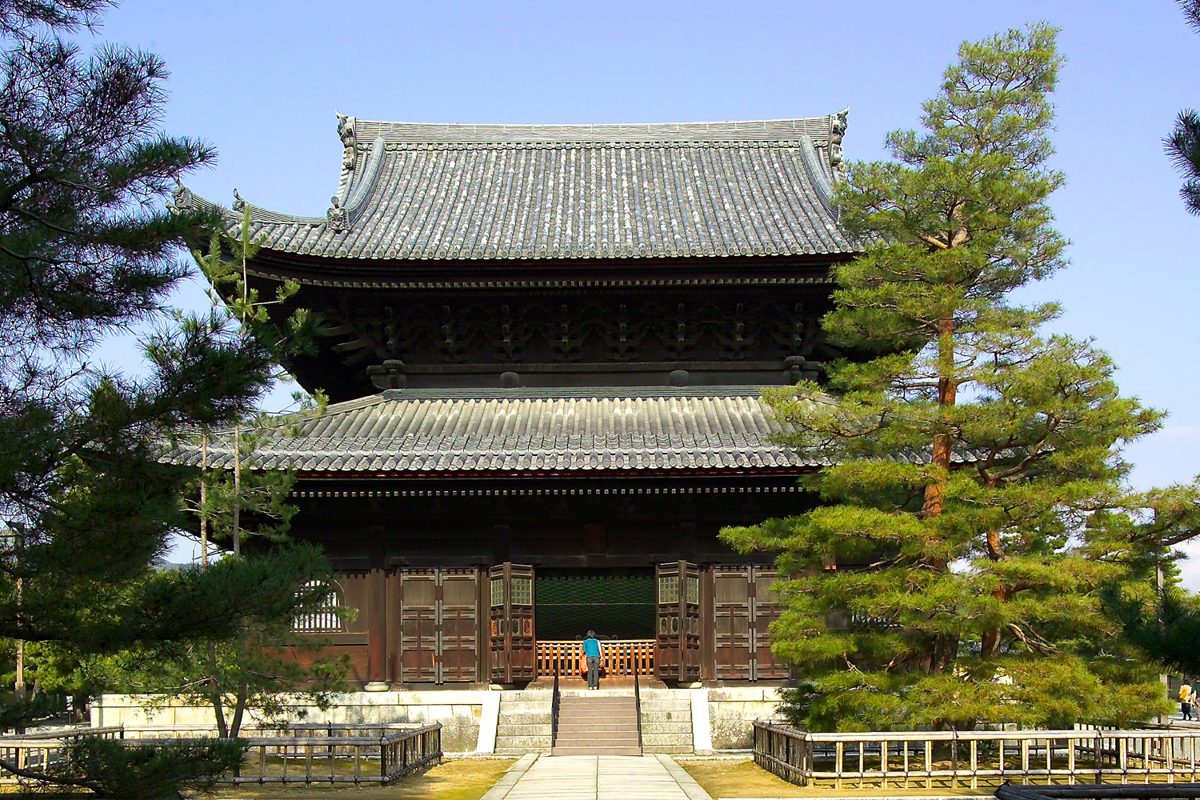
Where is it, and how old is it?
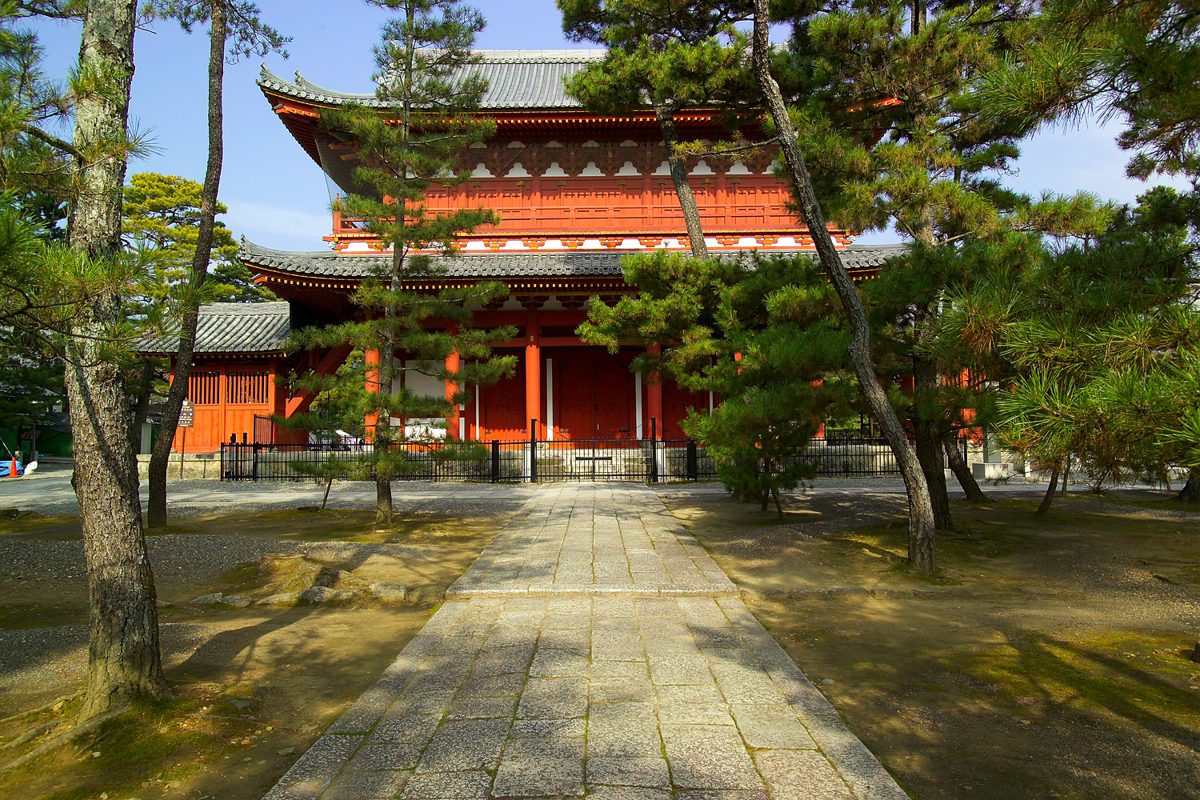
Shunkoin sits inside the Myoshinji temple complex in the Hanazono area of Kyoto’s Ukyo ward. The English about page says it was established in 1590 by Horio Yoshiharu. The Japanese page adds that it is a sub-temple of Myoshinji, head temple of the Myoshinji branch of the Rinzai school, and that Horio later became the first lord of the Matsue domain.
What is there to see?
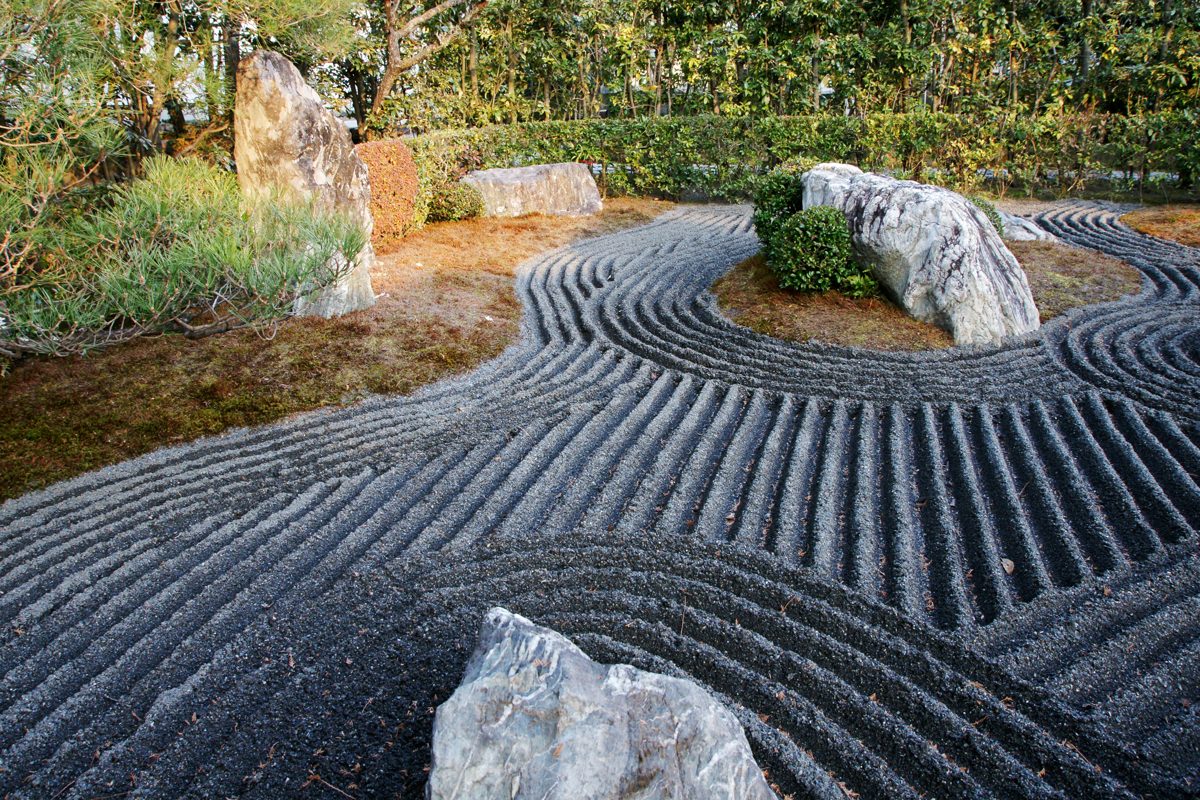
The about page lists screen paintings by Kano Eigaku and the Bell of Nanbanji Church, which it calls one of the oldest Christian bells in Japan; the Japanese page notes the bell is a national Important Cultural Property. The garden in front of the main hall is a dry-landscape garden that the temple says was modeled after the Grand Shrine of Ise. The about page also says the philosopher Shin-ichi Hisamatsu lived here and led tea practice, and that D.T. Suzuki visited often.
Who leads the programs?
Rev. Takafumi Zenryu Kawakami. The English retreat notice calls him the 24th head priest of Shunkoin, and the Japanese biography says he became head priest in 2022 after graduating from Arizona State University. One older section of the Japanese top page, on the private Zen program, still names him as deputy head priest. The English top page describes practice at Shunkoin as “open to all who are curious and wish to know ‘themselves’ more deeply.”
The 2026 Shunkoin retreats: dates and schedule
Which dates are open?
The retreat notice, repeated in the temple’s schedule notice, lists three autumn retreats, as of September 29, 2026:
| Dates | Status on the temple site |
|---|---|
| October 2–3, 2026 | Listed with a Peatix link. This page goes live on October 2, so treat this one as already under way. |
| October 29–30, 2026 | SOLD OUT |
| November 13–14, 2026 | Listed with a Peatix link. Seats left are shown on Peatix, which we did not check. |
Shunkoin retreat and schedule notices, read September 29, 2026. No dates after November 2026 were announced.
For most readers, that leaves November 13–14 as the realistic date. For weather at that time of year, see our Japan in November guide.
Who is the retreat meant for?
The notice says the retreat is “designed for refined travelers, travel advisors, and five-star hotel concierge teams seeking an experience that goes beyond sightseeing,” and that it is “not a conventional tour or a casual cultural activity.” It also says the sessions suit people new to meditation as well as those with an established practice. It is conducted in English.
What is the day-by-day schedule?
| Time | Day 1 |
|---|---|
| 12:00 | Check-in begins |
| 13:00–14:30 | Introduction and Zen meditation |
| 14:30–16:00 | Japanese calligraphy |
| 16:00–17:00 | Zen meditation |
| 17:00–18:00 | Break or personal meditation practice |
| 18:00–19:30 | Dinner |
| 20:00–21:00 | Evening meditation practice |
| Time | Day 2 |
| 7:00–8:00 | Morning meditation |
| 8:00–8:30 | Break |
| 8:30–9:30 | Breakfast |
| 10:00–11:00 | Tea ceremony |
| 11:00–12:30 | Meditation and Q&A with Rev. Kawakami |
| 12:30 | Check-out |
Retreat notice, read September 29, 2026. The temple says the calligraphy and tea times may change depending on when the calligraphy and tea masters are available.
What is included?
The notice lists guided Zen meditation, a discussion with Rev. Kawakami, Japanese calligraphy and a tea ceremony, plus two shojin ryori meals, described as traditional Buddhist vegetarian cuisine made with seasonal ingredients. The night is spent in the temple’s guesthouse.
Is it one day, one night or three days?
The autumn 2026 retreats are overnight: one night, two days. The temple’s general English retreat page says Shunkoin offers “one-day and three-day retreat programs,” and the Japanese top page lists a one-day and a three-day retreat. The dated 2026 notice is the one to follow; the general page describes formats that are not on the autumn calendar.
Rooms at the Shunkoin guest house
What is the guest house like?
The guest house, Tetsuryu-Kutsu, was added in 2013, and the stay page calls it newly built and equipped with modern amenities. Each room is Japanese-style, 14.6 square meters (8 tatami mats), with a large closet for luggage. The Japanese page says there are 8 rooms; the English page does not give a number.
How many people share a room?
The two languages differ slightly. The English stay page says 2–3 people per room; the Japanese page says 1 to 3 guests per room. The retreat notice says each room is private. If you are traveling alone, check with the temple how rooms are assigned on your retreat.
What is in the room?
Per the stay page, each room is private with its own shower room and toilet, a heater and air conditioning; the Japanese page adds a refrigerator. Bath towels, face towels, shampoo, conditioner and body soap are provided. The whole building is non-smoking. There is free Wi-Fi in every room and the common space.
What shared facilities are there?
A shared kitchen and dining room with a microwave, a toaster and basic appliances, and complimentary coffee, tea and Japanese green tea. The stay page also lists free bicycle rental and toilets for guests with disabilities. These descriptions were written for the guest house in general; the retreat notice does not say which of them are part of the retreat night.
How to book a Shunkoin retreat, and what it costs
Where do I book?
On Peatix. The retreat notice links a separate Peatix page for each date, and the schedule notice says reservations for its sessions are made through Peatix links. For private or custom requests, the temple’s contact form lists subjects including Retreats, Kissako and The Way of Zen.
How much does it cost?
The temple’s own pages do not say. Its notices point to the Peatix links for the fee, and we did not open Peatix, so we give no price here. Check the Peatix page for your date, and read what the fee covers before you pay.
Is there anything US travelers should know?
Yes. The schedule notice warns that the Peatix links may not work if you are in the U.S. and points to changing the country setting in your Peatix account. If a link fails, that is the first thing to check. The temple site does not say which payment methods Peatix accepts for these events.
What happens if I cancel?
The retreat notice sets two steps: 50% of the total fee if you change or cancel less than 10 days before the date, and 100% less than one week before. Nothing earlier than 10 days out is mentioned. Build your travel plans around those cut-offs.
Kissako Zen and Tea: the day option at Shunkoin
What happens in a Kissako session?
The schedule notice lists: cold-infused tea made with traditional utensils from Asahiyaki, Kaikado and Kanaami-Tsuji; guided seated meditation (zazen); tea appreciation that uses the five senses; Nansō meditation, which the temple describes as a restorative practice associated with the teachings of Hakuin Ekaku; a dharma talk and reflective discussion; and a guided visit to the temple garden and prayer hall. It lasts about 120 minutes and is in English.
How big is the group?
The temple gives two numbers. The schedule notice says a maximum of 12 participants; the English Zen meditation page and the Japanese page say 8 to 10, depending on the season. The Japanese page adds that Kissako is not a private session as standard. Groups of 8 to 10 can ask for a private Kissako.
When are the autumn 2026 sessions?
Most sessions run from 10:00 to 12:00. The schedule notice lists these dates from October 2 onward:
| Month | Dates (10:00 unless noted) |
|---|---|
| October | 7 (afternoon, from 14:00), 9, 10 (10:00 and an afternoon session), 13, 14, 16, 20, 21 (10:00 and 14:00), 23 (10:00 and 14:30), 24, 25 |
| November | 3, 4, 10, 11, 17, 24, 25, 27, 28 |
Shunkoin schedule notice, read September 29, 2026. The notice has at least one afternoon slot whose end time is printed before its start time, so we give start times only for afternoon sessions. Check Peatix for the exact slot.
What is the cancellation rule for Kissako?
The notice says 100% of the fee is charged for cancellations less than 7 days before the reserved date. The fee itself is on Peatix. For other tea options in the city, our tea ceremony in Kyoto guide compares formats and booking.
The Way of Zen and other programs at the temple
What is The Way of Zen?
A fully private program. The Zen meditation page says guests enter through the karamon, the ceremonial Chinese-style gate traditionally used only for ceremonies, and go into the prayer hall, which it calls a designated Important Cultural Property. Sessions last at least two hours, are limited to five people per group, and run for one group per day, by day or at night. The page says the program is also available in the evening, when the garden is lit up.
How do I book it, and what does it cost?
The Zen meditation page says “Fees available upon request.” The schedule notice also lists set dates sold through Peatix, from 14:00 to 16:00: October 21 and 24, and November 4, 10 and 25. So there are two routes: pick a listed date on Peatix, or ask the temple through its contact form. Tea ceremony, calligraphy, a koto performance and shojin cuisine are listed as add-ons with additional fees.
Can I book a private tea ceremony or calligraphy class?
Not as a standalone class, as far as the Japanese page goes: it says bookings for both are currently suspended, and that only some experiences are running. The English tea ceremony and calligraphy pages do not mention a suspension and still list a reservation requirement and a capacity of 5. Because the two languages disagree, ask the temple before planning around either one. Calligraphy and tea inside the retreat are a separate matter and are on the retreat schedule.
Is there anything for people who cannot come to Kyoto?
The online page lists an online Zen meditation and philosophy session in English and Japanese, 75 minutes, held on Zoom and booked through Peatix. A session for corporate and academic groups, Koji kyumei, is also listed, but it is not aimed at individual travelers.
Rules to know before a Shunkoin temple stay
What should I wear?
The retreat notice says: “Socks are required.” Short skirts are not recommended, and hats are not allowed inside the temple buildings. The Kissako notice also requires socks, recommends modest attire, and discourages short skirts for seated meditation. Pack socks whatever the weather; our Japan in October guide covers the season.
Can I take photos?
The pages we read do not state a photography rule. We did not find the word on any of them. Ask the temple or your guide on the day rather than assuming either way.
Is there a curfew on the retreat night?
The retreat notice does not mention one. The old stay page has a line about coming and going freely, but it dates from individual stays, and the retreat schedule runs until the evening meditation ends at 21:00 and starts again at 7:00. Ask the temple if you plan to go out.
How do I contact the temple?
By the contact form on the English site, or by phone on +81 75-462-5488. The Japanese page gives office hours of 9:00 to 20:00 Japan time.
Getting to Shunkoin Temple
Where exactly is it?
The address is 42 Myoshinji-cho, Hanazono, Ukyo-ku, Kyoto 616-8035, inside the Myoshinji temple complex.
What is the easiest way by train?
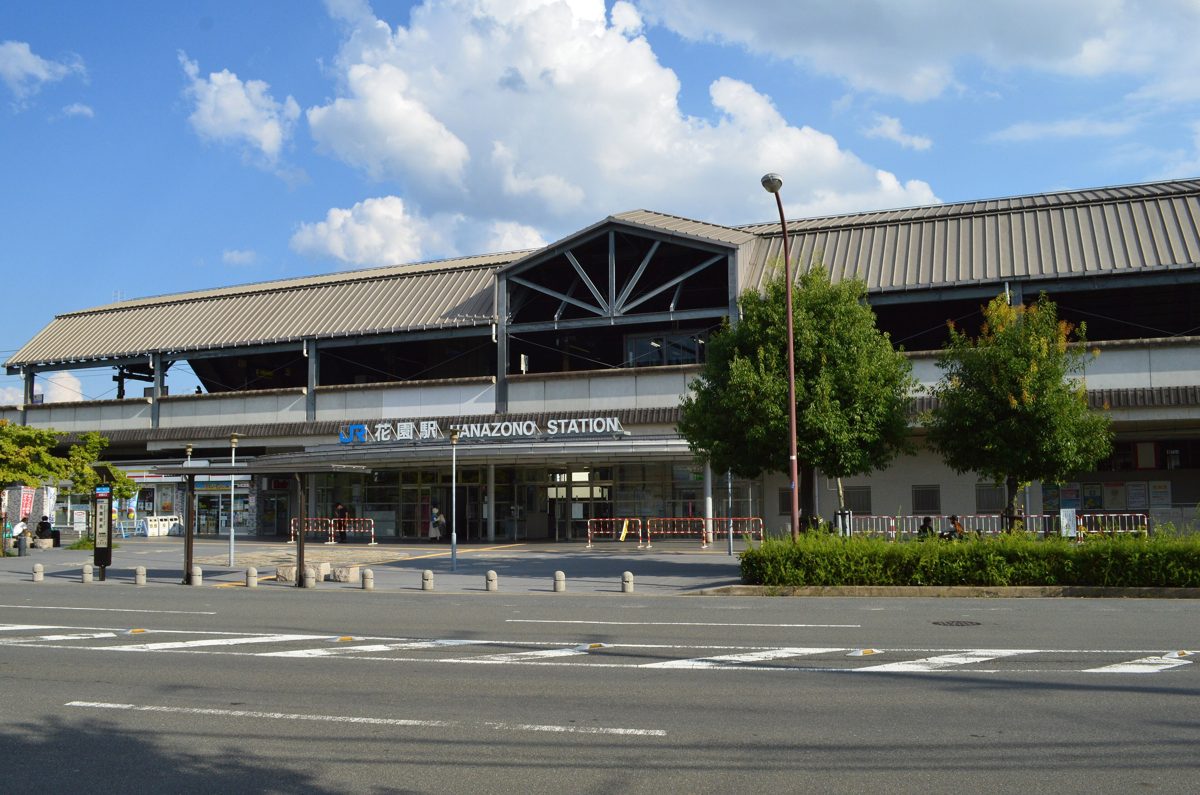
Take the JR Sagano Line from Kyoto Station to Hanazono Station, 10–15 minutes per the access page. The south gate of the Myoshinji complex is described as a short walk from the station; the temple does not give a walking time. The Japanese page also lists Myoshinji Station on the Keifuku (Randen) line, with no journey time.
Can I take a bus?
Yes. Kyoto City Bus #26 from Kyoto Station or Shijo Karasuma to Myoshinji Kitamon-mae, or Kyoto Bus #61, 62 or 63 from Sanjo Keihan to Myoshinji-mae. The access page gives 30–40 minutes for both.
What should I tell a taxi driver?
Ask for the north main gate of Myoshinji (Myoshinji-kitamon) on Ichijo Street. The temple is about 150 meters from that gate. With a 12:00 check-in on retreat day, allow time to find the right gate. Planning more temples on the same trip? Our Kinkakuji guide covers the Golden Pavilion.
Who a Shunkoin temple stay is for
The retreat suits travelers who want one night of structured Zen practice in English, with meditation, calligraphy, tea and a talk with the head priest, and who can fix their dates around the temple’s calendar. It is not for anyone looking for a cheap room in Kyoto or a flexible one-night temple lodging: the temple is not taking those guests. If a night does not fit, Kissako gives two hours of zazen and tea in English on many October and November mornings.
Frequently asked questions
Can I book a room at Shunkoin Temple for one night?
When are the 2026 Shunkoin retreats?
How much does the Shunkoin retreat cost?
Can I visit Shunkoin without a booking?
Is there a shorter way to try Zen at Shunkoin?
What should I wear to a Shunkoin retreat or Kissako session?
What is the cancellation policy?
How do I get to Shunkoin Temple?
Bottom line (2026): Shunkoin Temple is not accepting individual guests; its guest house opens only for scheduled retreats. The autumn 2026 overnight retreats are October 2–3, October 29–30 (sold out) and November 13–14, in English, from 12:00 check-in to 12:30 checkout. Fees and booking are on the temple’s Peatix pages. For a day visit, Kissako Zen and Tea runs about 120 minutes.
Sources
Every rule, date and time on this page is from Shunkoin Temple’s own site: the English stay page, the autumn 2026 retreat notice, the September to November 2026 schedule notice, the Zen meditation page, the retreat page, the tea ceremony page, the calligraphy page, the online sessions page, the about and access page, the contact page, the English top page and the Japanese top page, all read on September 29, 2026. Prices live on Peatix, which we did not open. Where the English and Japanese pages differ, we show both. Confirm on the official site before you book.
Some links on this page may be affiliate links, which means we may earn a commission if you book or buy through them — at no extra cost to you. See our affiliate disclosure.
Tokyo to Osaka, Tokyo to Kyushu, Tokyo to Hokkaido — day by day — plus seven places most visitors never reach.
- 12 pages, 80 photographs, every stop linked to its guide
- Every price and opening hour read from the official page
- Re-issued monthly, so it does not go stale in your inbox
Free. One email a month, plus the rare change that matters. Unsubscribe with one click in any email. By subscribing you agree to our privacy policy.