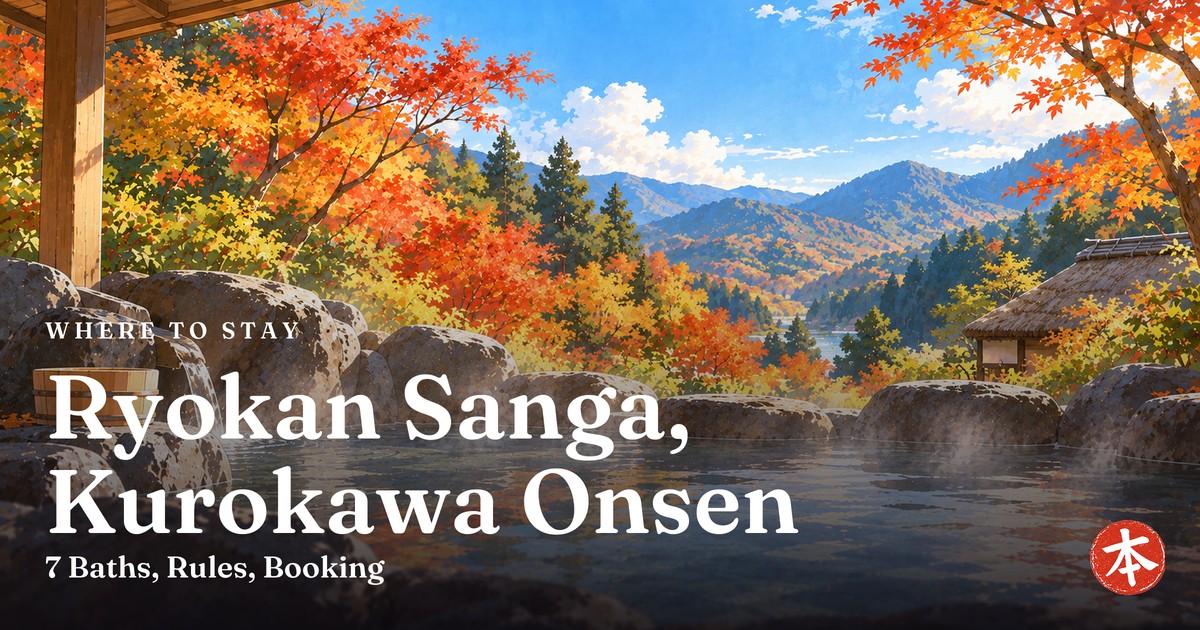
Ryokan Sanga is a Japanese-style inn in the forest about 5 minutes by car from the center of Kurokawa Onsen in Kumamoto. It draws hot water from two springs of its own into seven baths. Before you book, four rules matter. The two outdoor baths have no washing area, showers or soap. The three private baths are free but cannot be booked ahead. The ryokan’s booking pages list check-in from 15:00 to 17:00. And the ryokan told us that guests with everyday tattoos can use the baths without covering them.
This page reads the ryokan’s own English page, its Japanese pages on baths, food, rooms, facilities and access, its recent news notices, and the plan pages on the ryokan’s booking pages. Where two of these disagree, we show both and name the page. Where they are silent, we say so.
Ryokan Sanga at a glance
| Item | What the official pages say |
|---|---|
| Location | Forest along a mountain stream, about 5 minutes by car from Kurokawa Onsen town. |
| Baths | 7, fed by 2 springs of its own, all free-flowing. |
| Outdoor baths | Men’s and women’s. No washing area, showers or soap. |
| Private baths | 3, free for guests, taken on the day of check-in, no advance booking. |
| Check-in / out | English page: after 3:00 pm / before 10:00 am. Booking pages: 15:00 to 17:00 / by 10:00. The ryokan asks you to arrive by 17:00. |
| Meals | Kaiseki dinner at 18:00, 18:30 or 19:00; breakfast 8:00 to 9:00. |
| Cancellation | Fees start 7 days before; rates differ between pages, so check your plan. |
| Tattoos | Everyday tattoos allowed, no cover needed (the ryokan told us). No swimsuits or towels in the bath. |
From Ryokan Sanga’s official pages and booking pages, read September 29, 2026.
What is Ryokan Sanga in Kurokawa Onsen?
Where exactly is it?
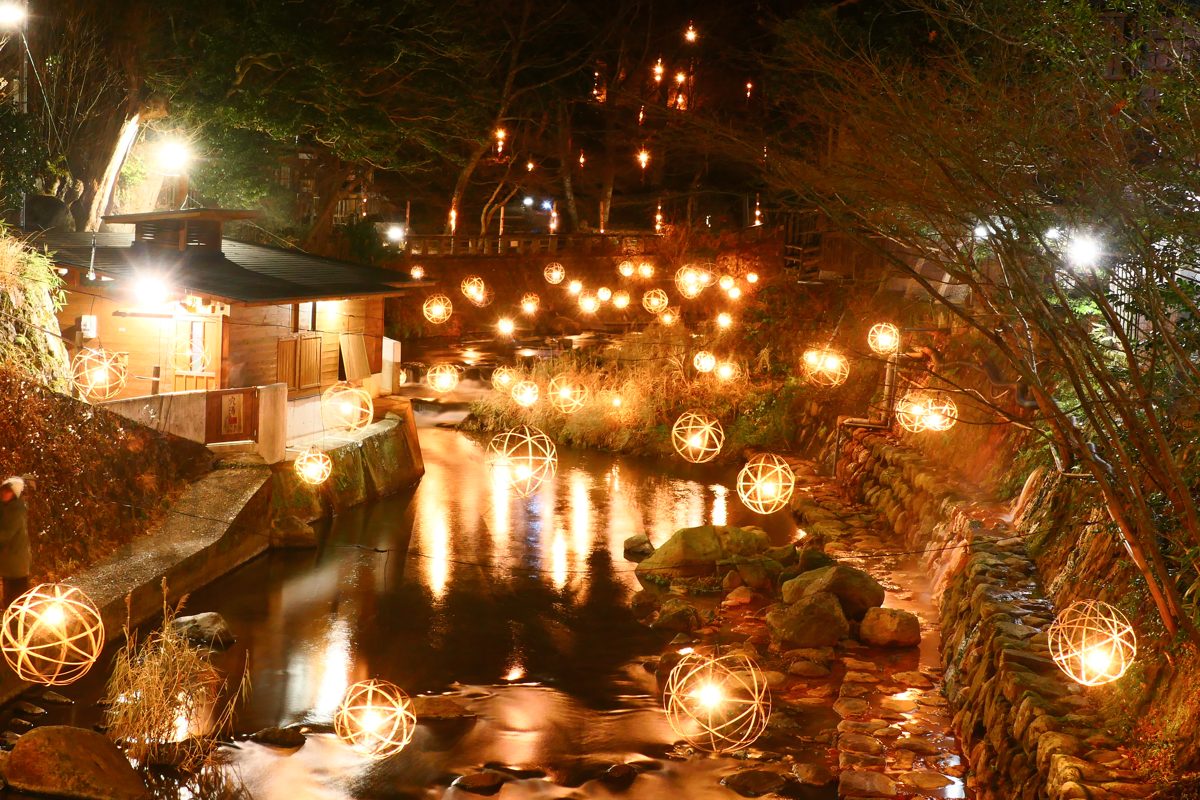
The English page puts it simply: “Ryokan Sanga is located in a secluded forest along a mountain stream.” The Japanese facilities page says it is about 5 minutes by car from the Kurokawa Onsen hot-spring town. The address is 6961-1 Manganji, Minamioguni-machi, Aso-gun, Kumamoto-ken, and the phone number is +81-967-44-0906. That distance matters: you are not staying on the main street of Kurokawa, you are in the woods outside it.
How big is the property?
The Japanese bath page describes 3,000 tsubo of grounds (a tsubo is a Japanese unit; this is roughly 9,900 square meters) holding outdoor, indoor and private baths, seven in all. The official pages we read do not give a total number of rooms.
What else is on site?
The facilities page lists a cafe corner serving coffee, a cafe latte made with Aso Oguni Jersey milk, beer and wine; an irori hut built around a sunken hearth; a shop; a large hall; a footbath; and a moon-viewing deck. All rooms are traditional Japanese style, per the English page.
Will my phone and Wi-Fi work?
Wi-Fi is available in the lobby area and the small library, says the English page. The Japanese facilities page warns that mobile signal can be weak depending on your carrier. If you need to work online, plan to do it in the lobby.
Do the staff speak English?
Sometimes. The English page says: “English-speaking staff is out sometime so please e-mail us in that case.” It also says the ryokan takes inquiries and reservations by phone or e-mail. The Japanese page gives its reception hours as 8:00 am to 10:00 pm.
Booking Ryokan Sanga in late 2026: earthquake notice and busy dates
Was the ryokan affected by the July 2026 earthquake?
According to its earthquake notice, no. The ryokan wrote: “Ryokan Sanga has not sustained any significant damage to its buildings or facilities, and all guests and staff are safe. We are operating as usual, and Kurokawa Onsen as a whole is also operating normally.” That is the ryokan’s own statement; we have not checked roads or buses ourselves.
What if the earthquake stops me from getting there?
The same notice says that if you are unable to reach the ryokan because of earthquake-related disruption, “such as flight cancellations, suspended bus services, or road closures, no cancellation fee will be charged.”
Is October to December busy?
Yes. In a notice dated September 28, 2026 about a regional travel discount for stays from October 1 to December 25, the ryokan said its share of the discount had closed, with no plans to reopen it, and that most dates in that period were already full. If you want those months, book early and have a second choice ready.
Does the ryokan ever close?
In 2026 it closed twice for maintenance: for a few days in early February and from June 24 to 27, per its news notices. The English and Japanese versions of the February notice give different reopening days, so we do not repeat them. Check the news page for next year’s dates.
The seven baths at Ryokan Sanga
What kind of hot spring water is it?
Two sources, both the ryokan’s own. The Japanese bath page names them Yakushi-no-yu, a simple sulfur spring, and the skin-beautifying spring, a sodium chloride, hydrogen carbonate and sulfate spring, and calls the water 100 percent free-flowing. The English page says one is “a medicinal bath that has been in use for generations” and the other “a newer source that is good for your skin.” For what these labels mean in Japanese law, see our guide to what legally counts as an onsen.
Which baths are there, and when are they open?
| Bath | Type | Hours for staying guests |
|---|---|---|
| Moyai-no-yu | Outdoor, men only | 7:00 am to 10:30 pm |
| Shiki-no-yu | Outdoor, women only | 7:00 am to 10:30 pm |
| Yakushi-no-yu | Indoor, separate for men (stone) and women (hinoki cypress) | 6:00 am to 12:00 am |
| Rokushaku-oke | Private, semi-outdoor tub | 7:30 am to 10:00 pm |
| Hinoki bath | Private | 6:00 am to 12:00 am |
| Kiriishi (cut-stone) bath | Private, fits 2 to 3 adults | 6:00 am to 12:00 am |
| Footbath hut | Footbath | Not stated |
Official English page and Japanese bath page, read September 29, 2026. The multi-night plan on the booking pages lists the outdoor baths from 6:00 to 22:30.
One disagreement: the official site gives the outdoor baths as 7:00 am to 10:30 pm, while the multi-night plan on the ryokan’s booking pages lists 6:00 to 22:30. Plan around 7:00 and ask at check-in. The Japanese bath page also warns that outdoor baths may be closed for maintenance and asks you to phone to confirm.
Can I wash in the outdoor baths?
No. For both outdoor baths, the Japanese bath page says there is no washing area, no shower and no soap; you simply soak in the natural hot spring water. Wash in the indoor Yakushi-no-yu first, where the hours are longest, and walk out to the open-air bath afterward.
How do the private baths work?
There are three: the Rokushaku-oke tub, the hinoki bath and the Kiriishi bath. The Japanese bath page says they cannot be reserved in advance and are taken on the day of check-in; for the Rokushaku-oke it asks you to check with the front desk. The booking pages say the three family baths are free for staying guests.
Will I share the outdoor baths with day visitors?
During the day, yes. The Japanese bath page opens Moyai-no-yu and Shiki-no-yu to day bathers from 8:30 am to 9:00 pm, at 600 yen for adults and 400 yen for children, tax included; the ryokan told us last entry is 8:30 pm. The indoor and private baths are for staying guests only. To avoid sharing with day visitors, use the outdoor baths before 8:30 am or after 9:00 pm.
Can I use the baths with a tattoo?
Yes, for most visitors. The official pages say nothing about tattoos, so we asked. The ryokan told us on October 7, 2026 that its official policy is to decline guests with tattoos, but that guests with everyday fashion, cultural or personal tattoos, including visitors from overseas, can use the hot springs and do not need to cover them. You cannot bathe in a swimsuit or towel. For the national picture, see our tattoos and onsen guide.
Rooms at the ryokan: which ones have their own bath?
Do all rooms have a private bath?
No. The Standard rooms have no private bath; guests use the seven shared and private baths. Every other named room has its own stone or outdoor bath. All rooms are traditional Japanese style.
| Room | Building | Size | Bath | Guests |
|---|---|---|---|---|
| Standard | Main, east and west | 8 to 12.5 tatami | None | English page: 1 to 5; booking pages: 1 to 6 |
| Nejiki / Tsuribana | West | 8 tatami | Stone | 1 to 2 |
| Hisakaki | West | 8 tatami | Stone | 2 to 3 |
| Ho-no-ki | East | 8 + 8 tatami | Outdoor | 2 to 7 |
| Ego-no-ki | East | 8 + 6 tatami | Stone | 2 to 6 |
| Natsutsubaki | Detached | 8 + 6 tatami | Stone | 2 to 6 |
| Nemu-no-ki | Detached | 10-tatami room + bedroom | Outdoor and indoor stone | 2 to 6 |
Official English page and Japanese rooms page, read September 29, 2026. Guest counts are from the English page unless marked.
Can I choose a Standard room, or ask for the ground floor?
The Standard plan on the booking pages lists rooms on the second floor of the main building (8, 10 and 12.5 tatami), in the east wing (10 tatami) and in the west wing (8 tatami). It says you cannot pick a specific room, but guests who find stairs difficult can be given a ground-floor room if they get in touch.
How many people fit in a Standard room?
The English page says 1 to 5 guests; the Standard plan on the booking pages says 1 to 6. If you are a group of six, confirm with the ryokan before you book.
What is special about Nemu-no-ki?
The booking pages describe Nemu-no-ki, opened in August 2012, as the ryokan’s only detached Japanese-Western room, with an outdoor bath and an indoor bath on a wooden deck looking down on the river, and floor heating. The English page lists a 10-tatami Japanese room and a 12-tatami bedroom. The two sources give different floor areas: the English page says 36.4 square meters, the English booking page 18 sqm. Ask if size decides it for you.
What is in the room?
The English page lists a TV with free satellite reception, a mini bar, a hair dryer, a humidifier on loan, yukata, tabi socks, slippers and a safe.
Dinner and breakfast at Ryokan Sanga
Where and when are meals served?
The Japanese food page says meals are served in the dining room Kigi no Tsudoi. Breakfast is 8:00 to 9:00. For dinner, you choose a start time of 18:00, 18:30 or 19:00 when you check in. Rates on the English page are per person per night with dinner and breakfast included.
What is dinner like?
A kaiseki course. The English page says the kitchen uses “the finest local ingredients at their seasonal peak.” The menu changes with the seasons; the news page announced new menus in spring, early summer and autumn 2026. If you stay more than one night, the booking pages say later nights get a different menu from the first.
Does booking direct get you anything extra?
For the autumn 2026 menu, yes. The ryokan’s notice says that guests who book directly or through its official website, and guests in rooms with private baths, are also served horse sashimi with aromatic oil; the same notice also mentions Ajisai Beef grilled on a hoba leaf, so ask which guests get it. This is a seasonal menu note, so check the current one.
Can the kitchen handle allergies or diets?
The English page asks you to “inform us of any food restrictions as far in advance as possible,” and adds, “We can accommodate your needs.” It does not list which diets. Write to the ryokan with specifics when you book.
What is breakfast?
The Japanese food page describes a gentle country breakfast that opens with a fresh vegetable juice made by the okami, the ryokan’s hostess.
Check-in, checkout and late arrival
What are the check-in and checkout times?
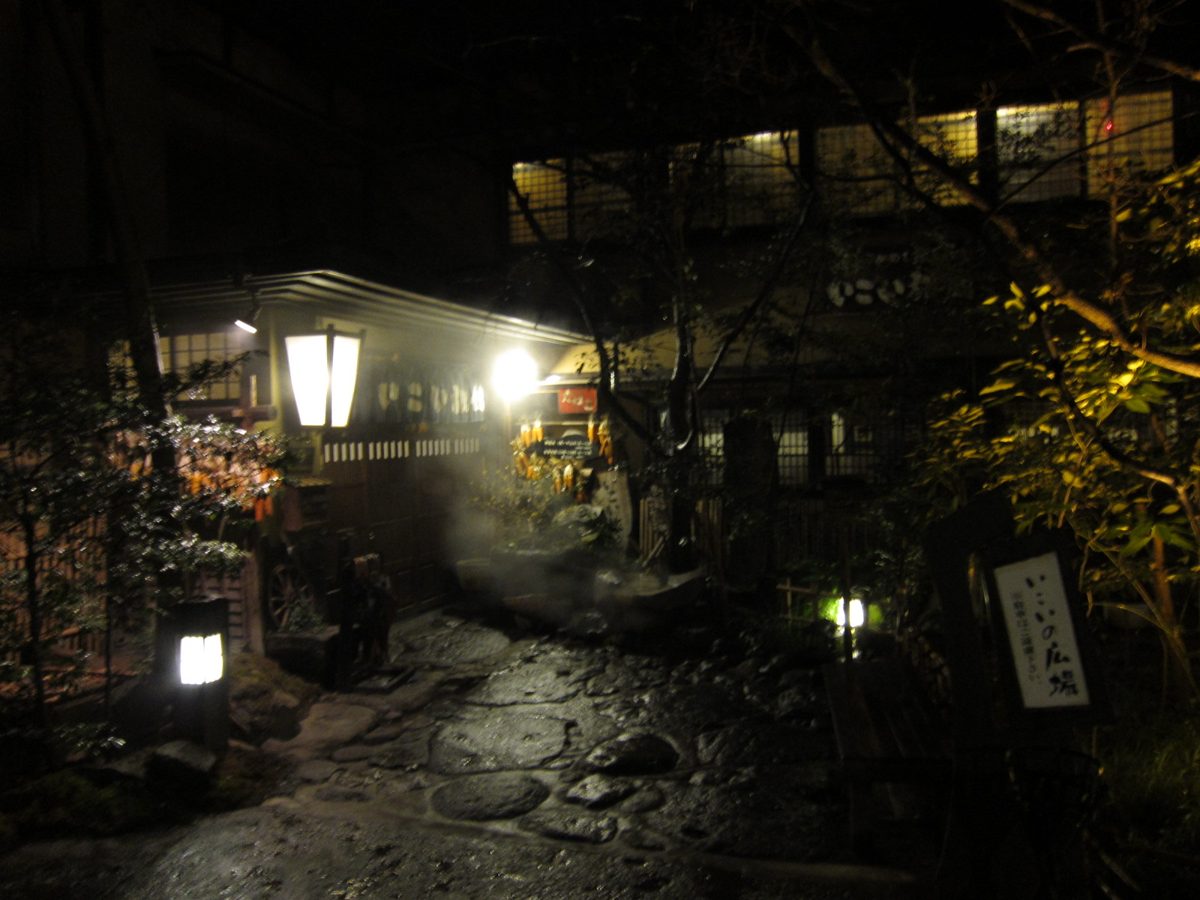
The two sources differ. The English page says check-in is after 3:00 pm and checkout before 10:00 am, or 11:00 am for guests in a Hanare (detached) room. The ryokan’s booking pages list check-in 15:00 to 17:00 on seven plans and 15:00 to 18:00 on the multi-night plan, with checkout by 10:00 on all eight, including the Nemu-no-ki plan. If you are in a detached room and want the later checkout, ask when you book.
What if I arrive late?
The ryokan told us check-in starts at 15:00 and asks guests to arrive by 17:00, so it can show you to your room and prepare dinner. It did not say what happens if you arrive after dinner has started. Since dinner begins at 18:00, 18:30 or 19:00 at the latest, plan to arrive by 5 pm, and call ahead if you are running late.
How late can I book?
The booking pages take reservations until 22:00 the day before arrival.
Cancellation, payment and children at Ryokan Sanga
When do cancellation fees start?
Seven days before arrival. The English page and the plan pages on the ryokan’s booking site agree on that start point and on a full charge on the day and for no-shows, but they give different rates for the days in between. We do not repeat either set. Read the cancellation terms on the plan you book, and keep a copy. The booking pages say no deposit is required. Our guide to hotel cancellation in Japan compares policies more widely.
How do I pay?
It depends on which language you book in. The Japanese booking page offers payment at the ryokan or online by card. The English booking page says online credit card payment only. If you pay at the ryokan, it told us it takes cash or credit card.
Is the bathing tax included?
No. The ryokan told us the bathing tax of 150 yen per adult is charged separately from the room rate, as its booking pages say. The English page still says its rates include the spring tax; the ryokan’s answer is the current one.
What do children pay?
The English page lists reduced rates for children 12 and under. Ages 7 to 12 pay 70 percent of the adult rate with the kaiseki dinner and a futon, or half with a children’s meal and a futon. Ages 3 to 6 pay a flat fee that depends on meal and futon: a children’s meal with a futon is 7,000 yen before tax on the English page and 7,700 yen on the booking pages. Children 2 and under are free, and guests 13 and over pay the adult rate. For Japanese hotels where children stay free, see our kids stay free guide.
Getting to Ryokan Sanga from Fukuoka, Aso and Kumamoto
Should I drive?
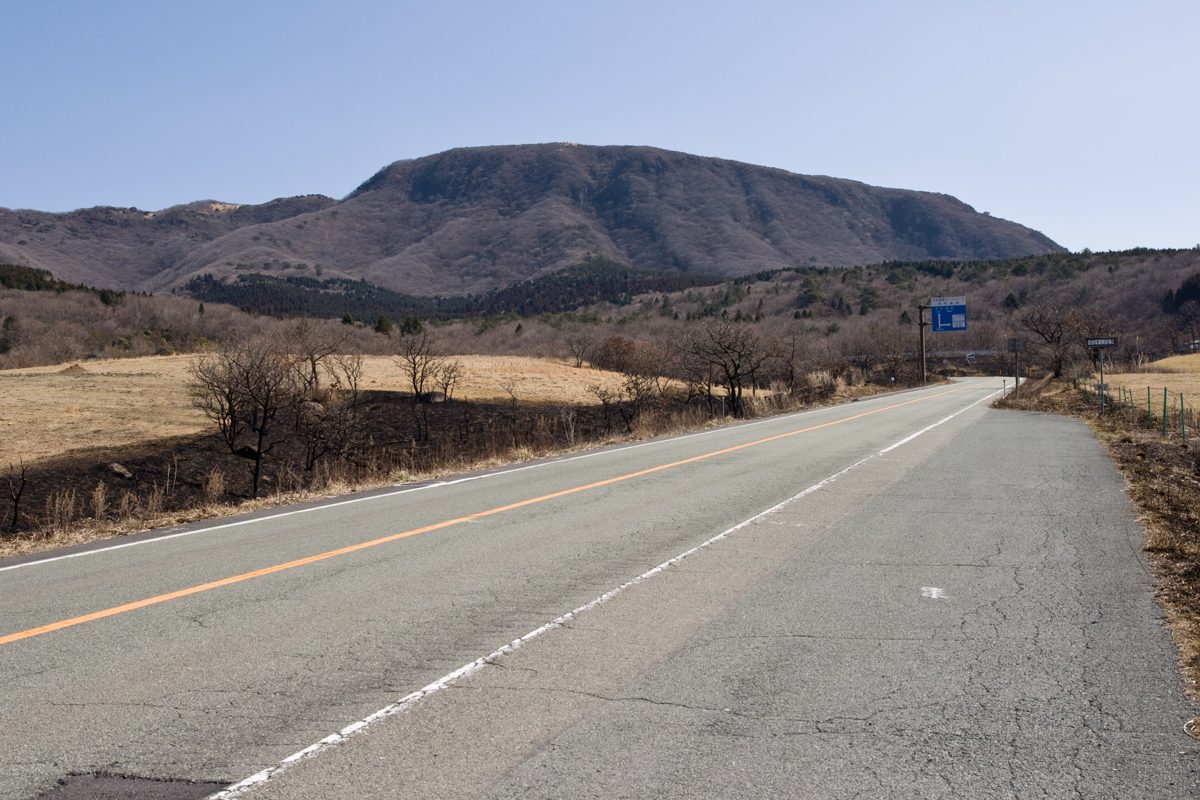
The ryokan thinks so. Its Japanese access page says that because it is in the mountains, coming by car is best, and asks public-transport users to accept that the trip is inconvenient. It gives routes from Kitakyushu via the Kokonoe interchange, from Fukuoka and Kurume via the Hita interchange, and from the Kumamoto interchange, with map links but no driving times. The facilities page says there is parking for 25 cars, and the ryokan told us it is free.
How do I get there by bus from Aso?
From Aso Station on the Hohi Line, the English page gives a public bus to the Kurokawa Onsen bus stop (50 minutes), then the ryokan’s shuttle (5 minutes). The key instruction: “please notify us of your arrival time before you get on the bus. We will collect you at the bus stop when it arrives.”
Is there a direct bus from Fukuoka?
Yes. The English page links the Nishitetsu highway bus between Fukuoka and Kurokawa Onsen (a direct bus), and the Japanese access page recommends the Nishitetsu bus from Fukuoka and Fukuoka Airport to Kurokawa Onsen for travelers arriving by air. Check the bus company’s own timetable; the ryokan does not give fares or times. Then call the ryokan for the pickup, as above.
What about from Kumamoto?
By car, the access page gives a route from the Kumamoto interchange. Its note on buses from Kumamoto Station names a Fukuoka route, which does not match the heading, so we do not repeat it; ask the ryokan. If you are spending time in the city first, see our Kumamoto Castle guide.
Is there a traffic warning for holidays?
In a notice for the May 2026 Golden Week holidays, the ryokan warned that approaching through the hot-spring town could mean traffic jams and recommended a detour, shown only as a map image. On busy holiday weekends, check its news page before you drive in.
Bath-hopping in Kurokawa Onsen from the ryokan
What is the nyuto tegata?
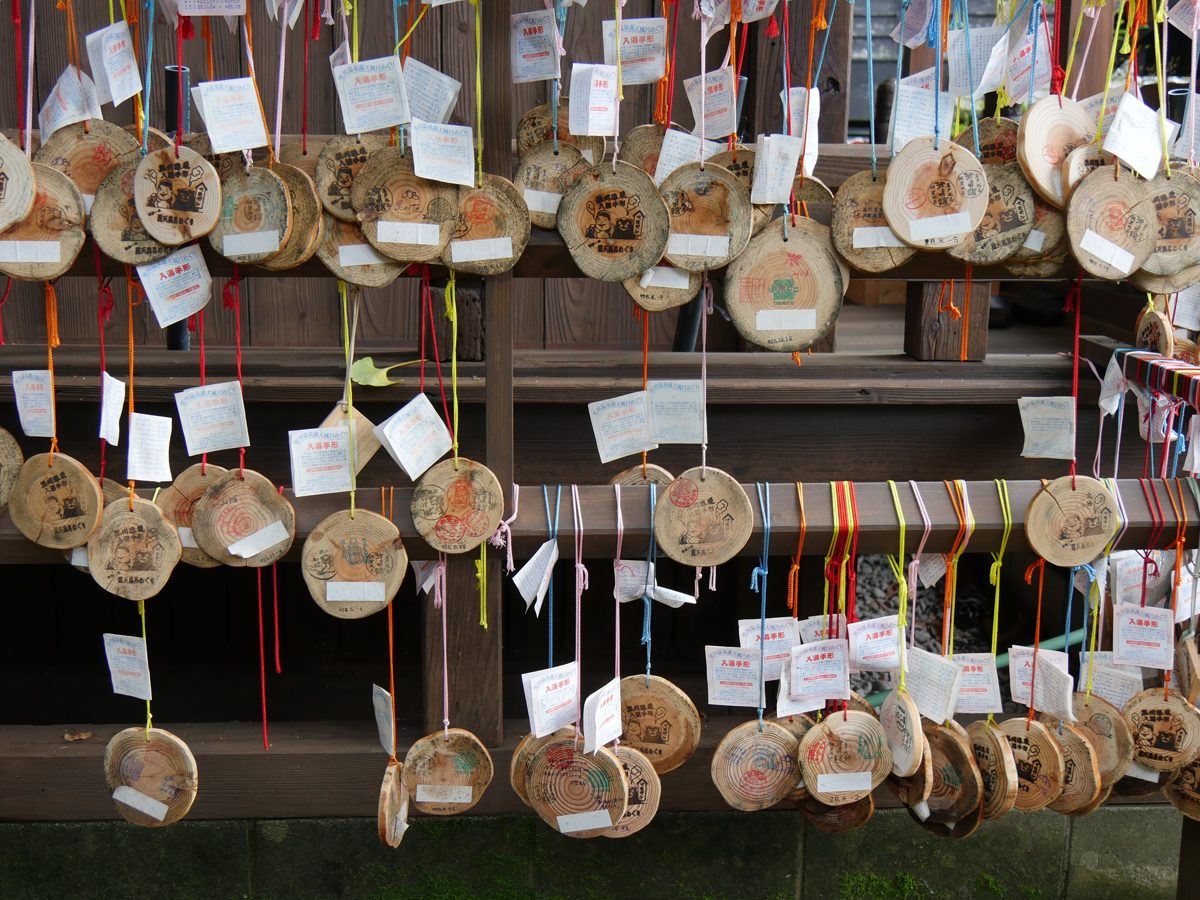
The ryokan’s Japanese “how to spend your time” page calls it Kurokawa’s famous bath pass: with it, you can bathe in any 3 of 28 outdoor baths in Kurokawa Onsen at a good price. The booking pages add that it can be used from 8:30 to 21:00 and is valid for 6 months. The ryokan does not give its price or say where to buy it outside its plans.
Which plans include the pass?
The booking pages list a bath-hopping plan with the nyuto tegata and a plan with the pass and a limited local beer. On the multi-night plan, the ryokan gives one pass per two nights: one pass for 2 or 3 nights, two passes for 4 or 5 nights.
How do I get into town without a car?
Ask for a ride. The bath-pass plan page says that if you go out walking or bath-hopping, the ryokan will drive you anywhere within Kurokawa Onsen at any time you like. The Japanese bath page also says day visitors to Sanga’s own outdoor baths can use the pass here. For another Kyushu hot-spring town, see our Yufuin guide.
Who Ryokan Sanga is for
Travelers who want a quiet forest ryokan outside the main street of Kurokawa, with seven baths from its own springs, three free private baths, and a kaiseki dinner. It suits guests who can arrive by 5 pm, will either drive or call ahead for the bus pickup, and are happy to wash indoors before using the outdoor baths. It is less suited to anyone who needs reliable mobile signal in the room or wants to walk out the door into the hot-spring town.
(If you are comparing ryokan: our Hidatei Hanaougi guide notes that this Takayama ryokan publishes no tattoo rule, but that ten of its twelve room types have an open-air onsen bath and its private open-air bath costs 3,300 yen per 50 minutes, booked on the day.)
Frequently asked questions
Can I stay at Ryokan Sanga with a tattoo?
Do I need to book the private baths at Ryokan Sanga?
Can I wash in the outdoor baths?
What time is check-in at Ryokan Sanga?
What is the cancellation policy at Ryokan Sanga?
Can I get to Ryokan Sanga without a car?
Is Kurokawa Onsen open after the July 2026 earthquake?
Do children pay less at Ryokan Sanga?
Bottom line (2026): Ryokan Sanga is a forest ryokan about 5 minutes by car from Kurokawa Onsen, with seven baths from two springs of its own. The outdoor baths have no washing area, and the three private baths are free but taken on the day. The booking pages list check-in 15:00 to 17:00. Cancellation fees start 7 days before; the ryokan says everyday tattoos are fine uncovered.
Sources
Every rule and figure on this page is from Ryokan Sanga’s own site and the ryokan’s booking pages: the English page, the Japanese top page, the Japanese bath page, food page, rooms page, facilities page, access page and things-to-do page, the plan pages on the ryokan’s booking pages, and the news notices on the autumn 2026 menu, the earthquake, the travel discount and busy dates, the February and June maintenance closures, and Golden Week traffic, all read on September 29, 2026. Where two pages differ, we show both. Confirm on the official site before you book.
Some links on this page may be affiliate links, which means we may earn a commission if you book or buy through them — at no extra cost to you. See our affiliate disclosure.
Tokyo to Osaka, Tokyo to Kyushu, Tokyo to Hokkaido — day by day — plus seven places most visitors never reach.
- 12 pages, 80 photographs, every stop linked to its guide
- Every price and opening hour read from the official page
- Re-issued monthly, so it does not go stale in your inbox
Free. One email a month, plus the rare change that matters. Unsubscribe with one click in any email. By subscribing you agree to our privacy policy.