Tokyo's themed cafés are one of the genuinely unrepeatable things about the city — and the single category where travel guides are most often years out of date. Cafés here open and close constantly, and English-language listicles keep recommending places that shut before the pandemic ended.
So this guide starts with the graveyard. Everything below was checked against the operator's own website: what has closed, what is currently trading, how each type of booking actually works, and what it costs.
🚨 The ones that have closed (and are still in guidebooks)
| Café | What actually happened |
|---|---|
| Square Enix Café, Akihabara | Closed March 31, 2025. The whole café section has been removed from the company site. Its Higashi-Shinjuku sibling continues, 11:00–21:00 |
| Kawaii Monster Café, Harajuku | Closed permanently January 31, 2021. The brand now exists only as pop-ups |
| The prison-themed restaurant | Chain ended. The last Shinjuku branch closed July 31, 2022 after 23 years. Its domain no longer resolves |
| Two Alice-themed restaurants | Marked as closed on the operator's own brand page (the Kabukicho and Ginza branches) |
| The Roppongi hedgehog café | Gone. The chain's current store list has six locations and Roppongi is not among them |
| One Koto-ku owl café | Closed at the end of May 2026 — the operator posted the notice itself |
| A famous cat café in Shinjuku | No longer in Shinjuku. The operator now runs two suburban branches and has rebranded as a rescue-cat café |
| The ninja restaurant | Moved. Left Akasaka after about 22 years and reopened in Otemachi in December 2023 |
That list is not here to be depressing. It is here because every one of those places still appears in English-language "best themed cafés in Tokyo" articles, and turning up to a closed shutter in Akihabara with a child in tow is a genuinely bad afternoon. Whatever guide you use — including this one — open the café's own site before you travel across the city.
The four types, and why the difference matters
| Character / IP café | Book a month ahead, to the minute. Restaurant prices, compulsory order, 85–90 minute limit |
|---|---|
| Collaboration café | Runs for weeks, then vanishes. Often a booking fee per seat, sometimes a lottery, merchandise gated to diners |
| Animal café | Split: cat cafés walk-in and charge by the minute; pig, hedgehog and owl cafés book ahead and prepay |
| Maid café | Walk in. Admission fee plus a compulsory drink, roughly one hour |
Character cafés: the booking is the hard part
The food is fine. The reservation system is the actual challenge, and it is worth understanding before you fall in love with the idea.
- The Pokémon Café in Nihonbashi is reservation-only, open 10:30–21:00, and releases each month's slots at 18:00 exactly one month ahead — web only, no phone or email. Your seat is 90 minutes from your reservation time, and arriving late does not extend it; if you are more than ten minutes late without telling them, the booking is automatically canceled. Everyone aged 6 and over must order at least one item, and babies count toward your party size. Dishes run ¥1,375–2,530. Two good pieces of news: menus are officially available in English, simplified Chinese and Korean, and the shop can be visited without a booking — so if you fail to get a table you can still buy the merchandise (limit three of any one item).
- The Kirby Café at Tokyo Skytree runs 10:00–22:00 with an 85-minute limit, and opens bookings on the 10th of the preceding month. You need a registered account, and you may hold up to three bookings per month per branch. 🚨 It takes resale seriously: bookings obtained through transfer or resale are void, and ID is checked at the door — if you are not the person who booked, you do not get in. Menu ¥300–4,800.
- Game-company cafés sit in between. One in Ikebukuro runs 10:00–21:00 and takes both reservations and walk-ins, with last entry at 19:20 — the easiest character café to attempt on the day.
Collaboration cafés: the format nobody explains
A collab café is a venue that becomes a different café every few weeks, tied to whatever anime, game or manga is currently airing. If you like something specific, there is a real chance a café for it exists right now and only for the next month. The mechanics are unlike anything in Western café culture:
- You may pay just to sit. One official collaboration charges a booking fee of ¥600 for a character-panel seat and ¥400 for a regular seat, sold first come first served — that is before you order anything.
- Ordering earns you random items. The same collaboration gives one randomly-selected coaster per collaboration dish ordered. This is the engine of the whole format.
- 🚨 Merchandise can be gated to diners. That operator states the exclusive goods may only be bought by customers who ate in the café that day.
- Some run a lottery, not a queue. One large chain states it selects winners automatically from all applicants within an application window, and separately releases cancellation slots afterward.
- 🚨 ID is required and the booker must attend. The same chain requires official photo ID showing the full name on the booking, and states that the person who booked must personally enter — your companions cannot go in without you. No-showing without canceling can make you less likely to win future lotteries.
Animal cafés: two completely different systems
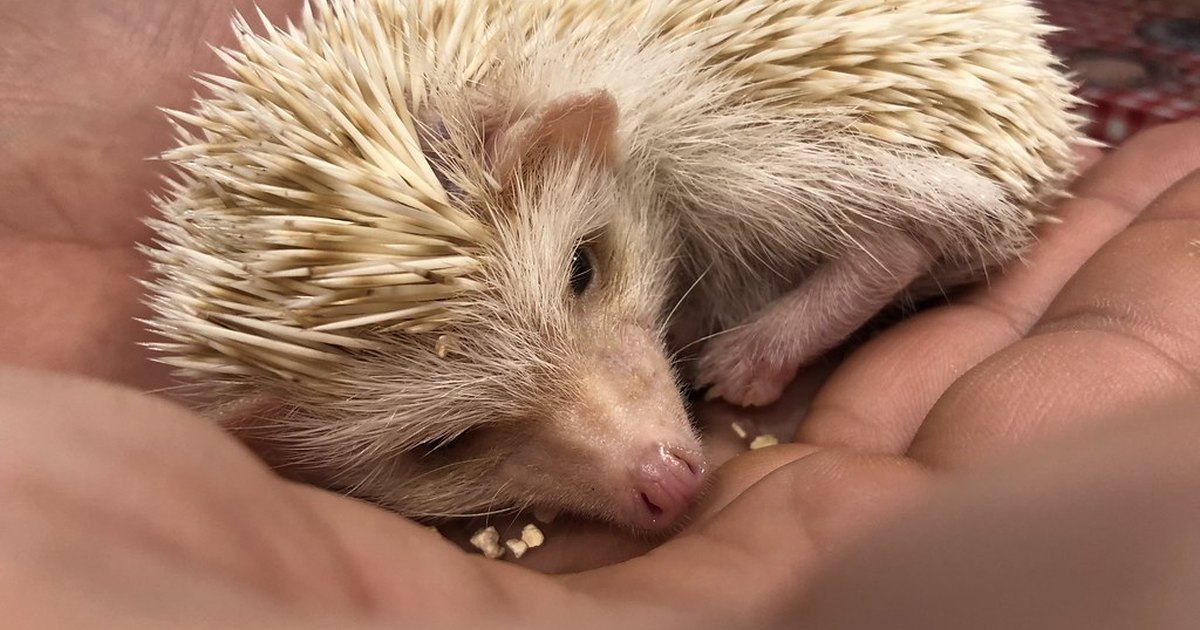
A Japanese visitor works through six Tokyo animal cafés — otters, meerkats, hedgehogs and birds — so you can see the actual rooms and enclosures at each one and judge for yourself before booking anything.
Lumping these together is why people get caught out. Cat cafés are walk-in and priced by time. Everything else is booked and prepaid.
- Cat cafés — the largest chain has ten Tokyo branches and takes no reservations at all, seating people in order of arrival. You pay by the ten minutes: from ¥270 (¥297 with tax) on weekdays, ¥350 (¥385) on weekends and holidays, with a daily cap around ¥3,600–4,200. Holding cats is generally not allowed except via a paid photo package, photography is fine but live-streaming and commercial shooting are not, and 🚨 the minimum age differs branch to branch — from 6 at the Ikebukuro flagship to 13 at one Shinjuku lounge. Full details in our cat café guide.
- Micro-pig cafés — six Tokyo locations, advance web booking required, no walk-ins and no phone bookings. Asakusa charges ¥2,200 for 25 minutes and ¥3,300 for 55 (¥1,100 for children 3 and under). 🚨 Picking the pigs up is prohibited except on a private-room plan with staff supervision, and no flash photography. There is an official English site.
- Hedgehog and exotic animal cafés — one chain with six branches books from one hour and takes prepayment at all stores; same-day cancellations are not refunded. The Harajuku station-front branch is a minute from the station, open 11:00–19:00, at ¥2,310 for 45 minutes for adults and ¥2,090 for children, with under-13s requiring an accompanying adult and hand sanitizing before contact.
- Owl cafés — two very different models. One in Akihabara is reservation-only with deliberately short opening hours, stating openly that this is to put the owls' care first; everything is bundled into one fee including handling and photos, and 🚨 the price is shown only inside the booking flow, so we cannot quote it. One in Ikebukuro is the opposite: walk-ins accepted, no time limit, ¥1,700 for adults, ¥1,200 for high schoolers and under, free for under-3s — and it says plainly that the owls and hedgehogs can bite.
Maid cafés, and the themed dinner
Maid cafés are the walk-in end of the category: an admission fee by age band, a compulsory drink or set, and about an hour. One large chain lists a one-order rule and a 10:00–21:00 day. The full breakdown — the ¥850 admission, the sets that include a polaroid, and the house rules about what you may photograph — is in our Akihabara maid café guide.
At the far end of the spectrum sits the themed dinner restaurant, and the ninja one is the survivor. It moved from Akasaka to Otemachi in December 2023 — an important correction if you are working from an older guide. Reservations are mandatory, lunch runs 11:30–14:30 with last entry at 12:30 and dinner 17:00–22:00 with last entry at 20:00, and it is closed Sundays and public holidays. 🚨 Courses run from ¥13,200 to ¥24,300, and there are two surcharges on top: an 8% service charge and a 5% entertainment charge, both in force since August 2025. Budget about 15% above the menu price.
Choosing one, honestly
- You can plan a month ahead: a character café. Set an alarm for the booking time; they are the most visually spectacular of the lot.
- You want to decide today: a cat café or a maid café. Both take walk-ins.
- You want something most visitors miss: a micro-pig café. Clear English booking, under an hour, and genuinely unlike anything at home.
- You're traveling with a fan of something specific: search for a collaboration café for that title during your dates. It may well exist, and it will not exist next month.
- You want dinner and a show: the ninja restaurant — remembering Otemachi, not Akasaka, and the two surcharges.
For the individual guides, we have deep dives on cat cafés, maid cafés in Akihabara, the Kirby Café and booking the Pokémon Café. If a booking falls through and you need something indoors and unplanned in the same neighborhood, the game centers are free to walk into.
(For pancakes baked to order: our souffle pancakes in Tokyo guide notes that A Happy Pancake and FLIPPER’S say theirs take about 20 minutes, and that A Happy Pancake limits how many it sells each day.)
FAQ
Do you need to book a themed café in Tokyo?
Which Tokyo themed cafés have closed?
How much do themed cafés cost in Tokyo?
What is a collaboration café?
Are themed cafés in Tokyo OK for foreign visitors?
Which themed café should I pick if I only do one?
Bottom line (2026) — Half the themed cafés in English guidebooks have closed — including the Square Enix café, the Kawaii Monster Café, the prison restaurant, and the Roppongi hedgehog café. What remains was verified on each operator’s own site, with booking rules and prices attached.
Sources
Checked August 5, 2026, from each operator's own site: the Pokémon Café's official pages and FAQ for the reservation-only policy, hours, the 90-minute limit, the late-arrival and automatic cancellation rules, the one-item-per-person rule for guests aged 6 and over, the inclusion of infants in party size, the one-month-ahead 18:00 booking release, the web-only booking, the three-item merchandise limit, the shop being open without a booking, the multilingual menus and the menu price range; the Kirby Café's pages for its hours, the 85-minute limit, the 10th-of-the-month booking release, the account requirement, the three-bookings-per-month limit, the resale invalidation and door ID check, the under-1 seating rule and the menu range; the game café's page for its hours and dual booking/walk-in entry; the official announcement pages for the collaboration café's per-seat booking fees, the per-dish novelty rule and the diners-only merchandise rule; the collaboration chain's own pages for the lottery system, the photo-ID requirement, the booker-must-attend rule and the no-show penalty; the cat café chain's FAQ and store pages for the no-reservation policy, the per-10-minute pricing and daily caps, the holding and photography rules and the per-branch age limits; the micro-pig café's FAQ and Asakusa page for the advance-booking requirement, the no-holding rule and its exception, the flash ban, the age rule and the session prices; the hedgehog café chain's booking notice and Harajuku store page for the one-hour minimum, prepayment at all stores, the same-day cancellation policy, the prices, the under-13 rule and the hand-sanitizing rule; both owl cafés' own pages for their opposite booking models, the bundled fee, the price-shown-at-booking statement, the walk-in and no-time-limit policy, the admission prices and the biting warning; the maid café chain's pages for the one-order rule and hours; and the ninja restaurant's official English page for the Otemachi address, the mandatory reservations, the service times, the closing days, the course prices and the 8% service and 5% entertainment charges. Closures are quoted from the operators' own announcements and brand pages wherever one survives. Deliberately not stated: the Pokémon Café's photography and resale rules and the Kirby Café's booking hour, per-person order rule, photography rule and age limit (none are published); the game café's order and photography rules; the collaboration chain's age and recording rules (its FAQ answers did not load); the Akihabara owl café's price and session length (published only inside its booking flow); instant-photo prices at either maid café chain; and anything about one well-known Shinjuku show restaurant, whose official site returned nothing — we could not confirm it is still operating, so it is not in this guide. Themed cafés close and change constantly: open the café's own site before you go.
Some links on this page may be affiliate links, which means we may earn a commission if you book or buy through them — at no extra cost to you. See our affiliate disclosure.
Tokyo to Osaka, Tokyo to Kyushu, Tokyo to Hokkaido — day by day — plus seven places most visitors never reach.
- 12 pages, 80 photographs, every stop linked to its guide
- Every price and opening hour read from the official page
- Re-issued monthly, so it does not go stale in your inbox
Free. One email a month, plus the rare change that matters. Unsubscribe with one click in any email. By subscribing you agree to our privacy policy.