
A reader question we saw in our search data, put plainly: how do tax-free purchases get refunded when you leave Japan on a cruise after November? It is a fair thing to ask. From November 1, 2026, Japan stops removing the tax at the till and refunds it after customs confirms the goods are leaving the country. Almost everything written about that change describes airports. Ships get one question in the official Q&A, and the answer is short.
Cruise that departs from and returns to ports outside Japan: do the customs check at the last Japanese port your ship calls at, as you leave Japan from there, before you hand over your luggage, at a terminal for the tax-free procedure.
Cruise that starts and ends in Japan, then you fly home (fly-and-cruise): do it once, at the airport you fly home from, before checking in your bags. You do not need to do anything when the ship leaves Japan for a foreign port during the cruise.
The rest of this guide covers the parts a cruise makes harder: which purchases fall under the new system, the 90-day clock, what to show in shops on a shore pass, and where the refund money actually comes from. For the whole tax-free system, including what changes in shops, see our tax-free shopping guide.
The tax refund on a cruise: two routes, two answers
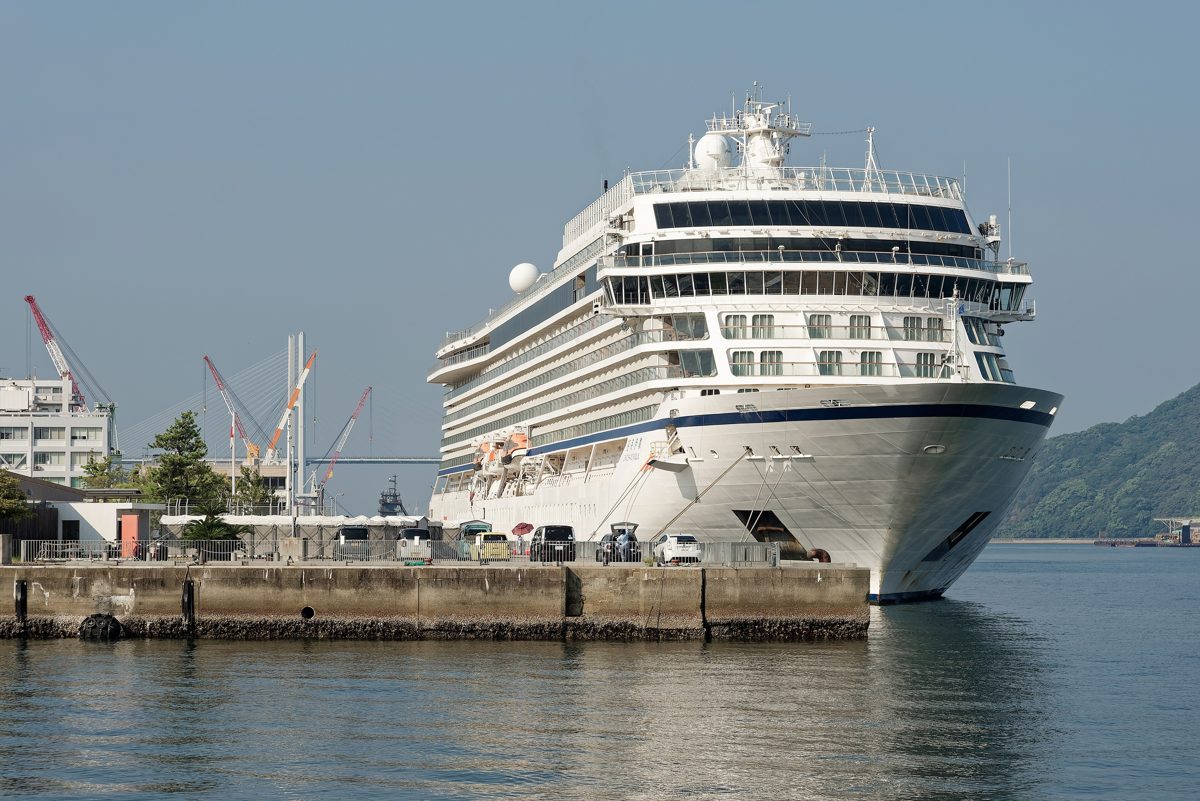
Japan’s National Tax Agency answers the cruise question in its Q&A on the refund system (July 2026 edition). It splits cruises into two kinds, and the place you get checked is different for each.
| Your trip | Where customs confirms your purchases | When |
|---|---|---|
| A cruise that departs from and returns to ports outside Japan, calling at Japanese ports on the way | The last Japanese port of call, as you leave Japan | Before you hand over your hand luggage |
| A cruise that starts and ends in Japan, calling at foreign ports, after which you fly home | The airport you leave Japan from | Before checking in your bags. Nothing to do when the ship leaves Japan mid-cruise |
| Deadline in both cases | Within 90 days, counted from the day after you bought the goods | |
(To check one receipt: our free Japan tax refund checker asks how you leave Japan, including by cruise ship to a foreign port or a round-trip cruise followed by a flight home, and shows whether the purchase qualifies, an estimated refund, your deadline and where the customs check happens.)
Why does the route matter?
Because the check happens when you leave Japan for good, not each time the ship crosses a border. On a cruise that starts abroad, the last Japanese port is your exit. On a cruise that starts and ends in Japan, the ship leaves and comes back, so your exit is the flight home. The Japan Tourism Agency’s FAQ gives the same two answers in its own words.
What is the check itself?
You present your passport at a terminal for the tax-free procedure. The Japan Tourism Agency describes two outcomes: if the screen shows that no inspection is needed (a green result), the customs check is finished. If an inspection is needed (a red result), customs checks the goods at its inspection area. The National Tax Agency adds that customs may ask to see the receipts the shop gave you.
Which purchases get the new refund system?
This matters most on autumn cruises that cross the date. The National Tax Agency’s leaflet says the new rules apply to tax-free sales made by shops on or after November 1, 2026, and that there is no transition period in which the current system and the refund system are used together.
What if I shop on both sides of November 1?
Then the purchase date decides, receipt by receipt. Goods bought up to October 31 fall under the current system. Goods bought from November 1 fall under the refund system: you pay the price including tax, and the Japan Tourism Agency says the amount equal to the consumption tax is refunded after customs confirms you are taking the goods out of Japan. If your cruise calls at Japan in late October and again in November, expect both kinds of receipt. Our Japan in November guide covers the rest of that month.
Is there a minimum spend?
Yes. The Japan Tourism Agency says purchases qualify when they come to 5,000 yen or more, before tax, at the same shop on the same day. It also limits purchases to quantities you can carry out of Japan yourself when you leave.
Cruise from abroad: the last Japanese port of call
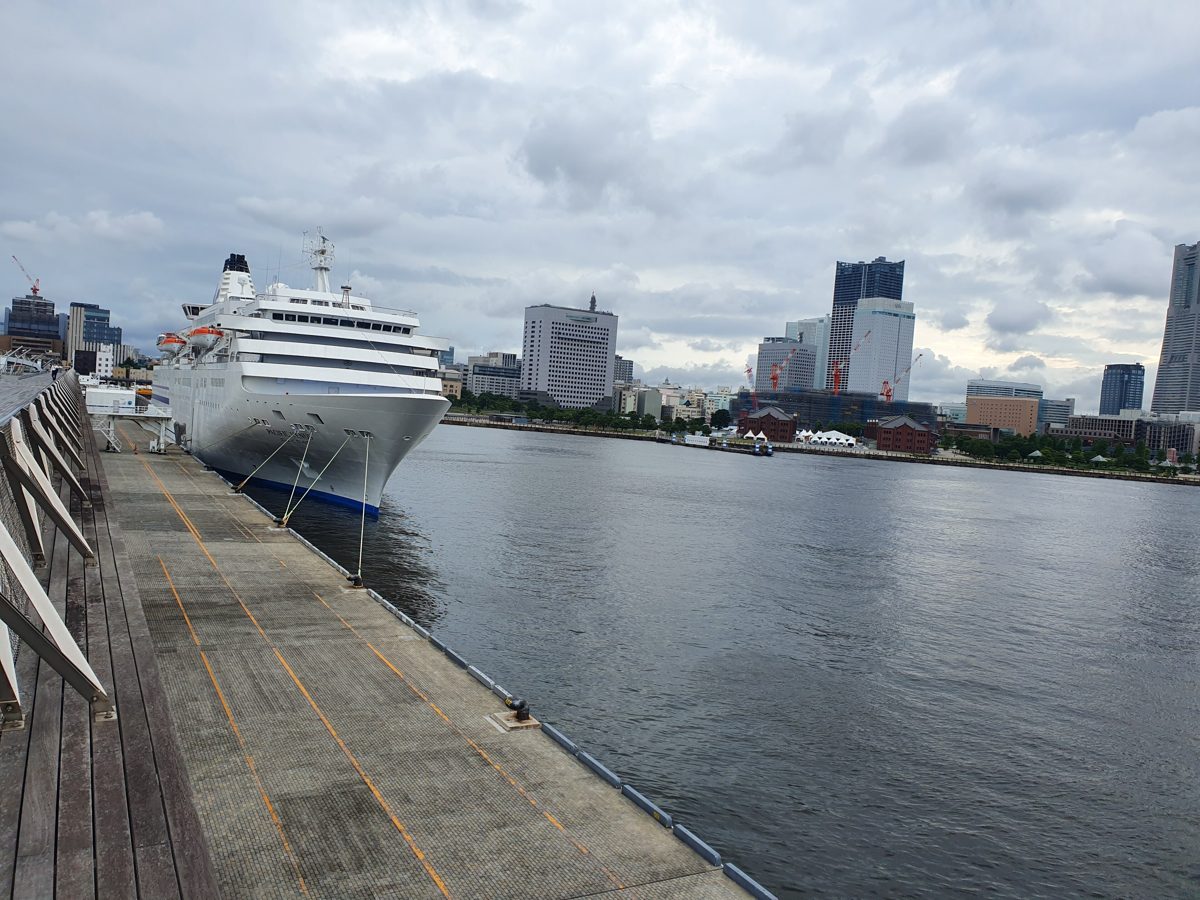
If your ship starts and ends outside Japan, the official answer is that you do the procedure as you depart from the last Japanese port your ship calls at, before you check in your hand luggage, at a terminal for the tax-free procedure. The Japan Tourism Agency calls this the final Japanese port.
Do I do anything at the earlier Japanese ports?
Not for the purchases you are carrying on. The official answer names one place, the last port of call. Keep every tax-free item and its receipt with you until then.
Where at the port is the terminal?
The Japan Tourism Agency says terminals and customs inspection areas will be set up at each airport and seaport, in places such as the international departure lobby, before the point where you hand over luggage. That is as specific as the official pages get. We did not find a list of seaports, so we do not name any. Ask your cruise line where the procedure happens at your last port, and how much time to allow.
Why hand luggage before check-in matters on a ship
The Japan Tourism Agency writes the rule for ships as well as planes. You must have all the tax-free goods with you when you present your passport, so you cannot do the procedure after your luggage has been checked in to the aircraft or ship. It also says luggage you have handed to the carrier cannot be taken back for the tax-free procedure. The National Tax Agency’s English notice puts it in one line: “No Customs procedure, No Refund.”
Fly-and-cruise from Japan: the airport, once
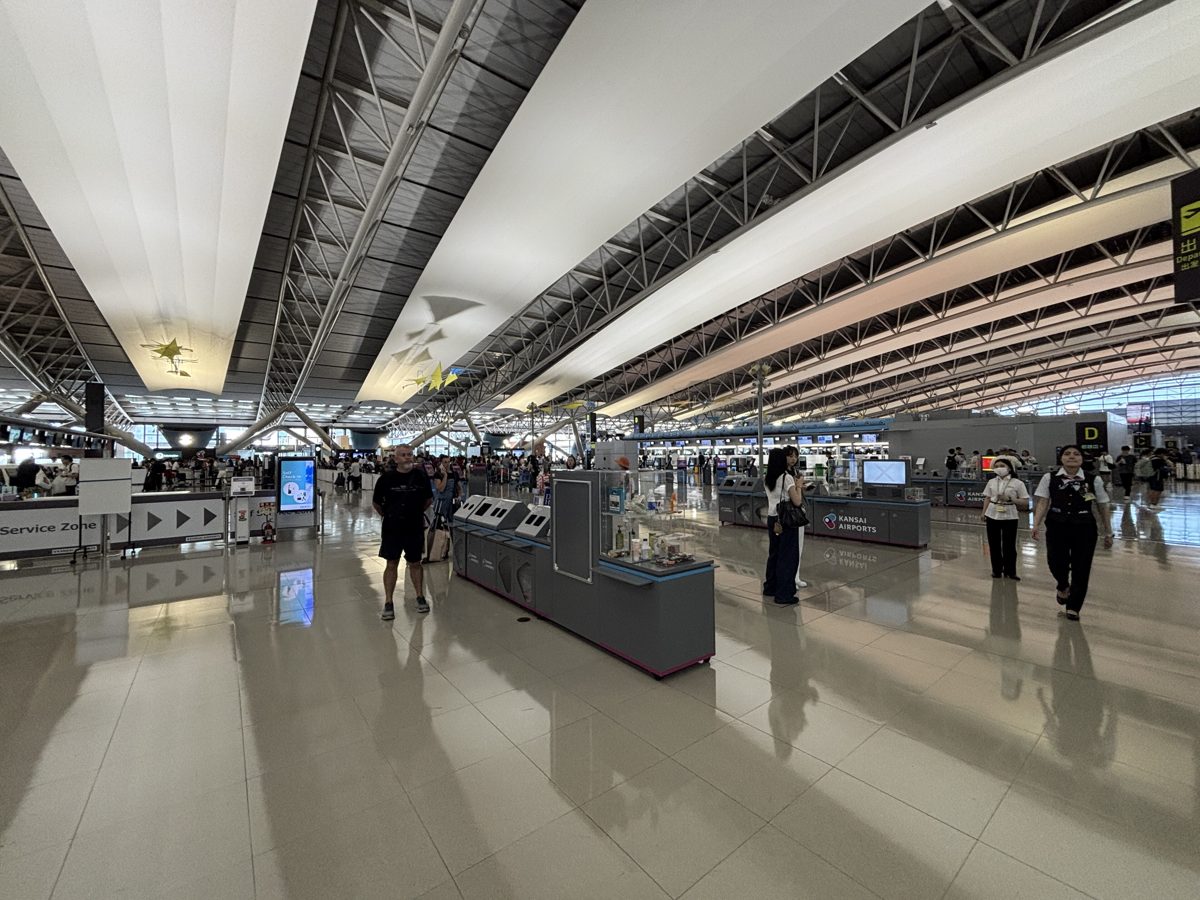
This is the route where people worry about doing something at the wrong moment. On a cruise that leaves Japan, calls at foreign ports and returns to Japan, followed by a flight home, the official answer is that the customs check for the whole stay happens at the airport you leave Japan from, before you check in your bags.
Do I need to do anything when the ship leaves Japan?
No. Both the National Tax Agency and the Japan Tourism Agency say that when you use the ship, at the point where you leave Japan once to call at a foreign port, you do not need to do the procedure. That is the moment people tend to expect a check. There is none for your tax-free goods.
What about things I bought before the cruise?
The official wording covers the customs check “for the whole stay” at the departure airport, so purchases before and after the cruise are confirmed together when you fly out. One thing does not change: the 90-day clock still runs from each purchase date. The official pages say nothing specific about a trip that runs past 90 days, so check the receipts if your stay is long.
Can I use the online option at the airport?
At some airports. The Japan Tourism Agency says that at seven airports with many travelers, Narita, Haneda, Kansai, Chubu, Fukuoka, New Chitose and Naha, you can use Visit Japan Web to do the procedure online instead of at a terminal, within the departure lobby area connected to a dedicated wireless network, up to the security checkpoint. That list names airports only. It does not list seaports, so do not plan on the online option at a port.
Shopping ashore on a cruise shore pass
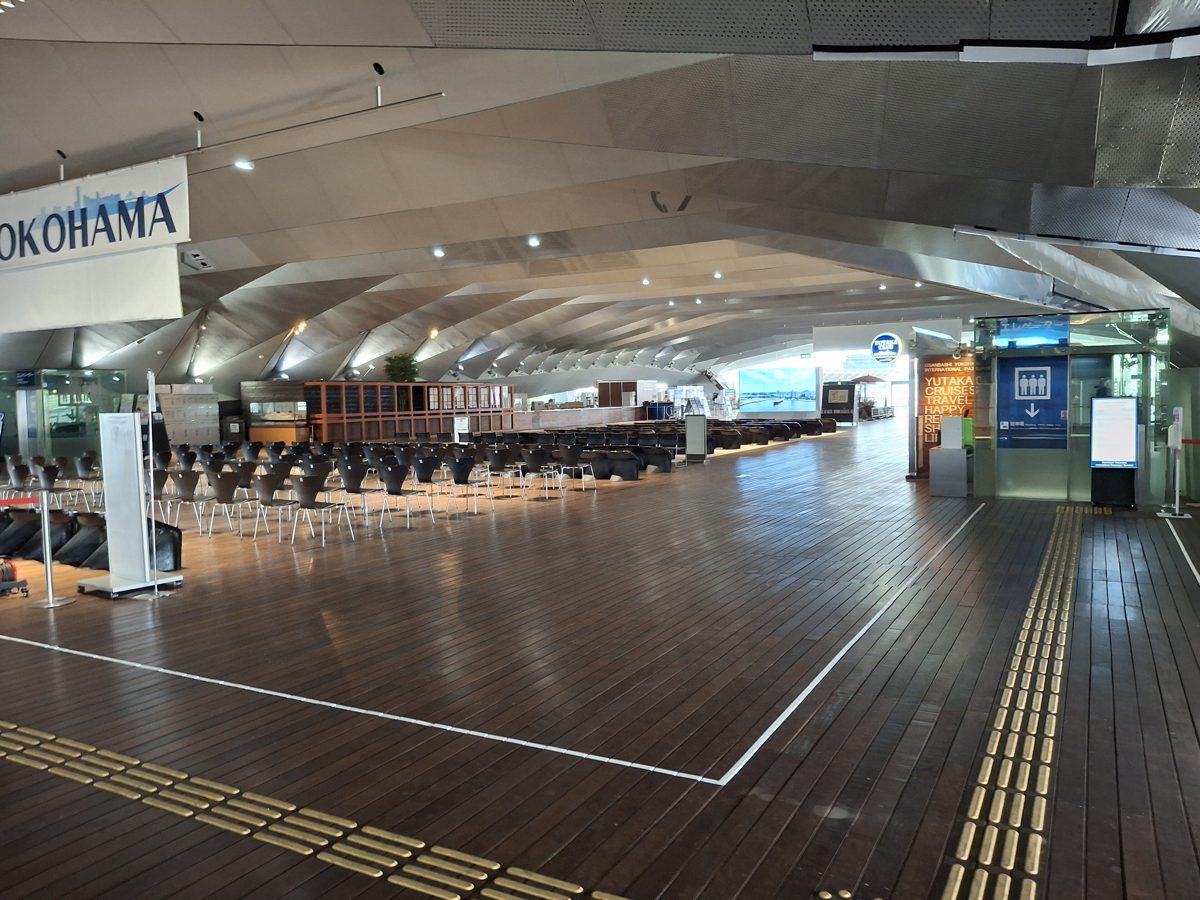
Many cruise passengers go ashore on a landing permission rather than a normal entry stamp, and wonder if they can shop tax-free at all. They can. The National Tax Agency’s Q&A lists people staying on a cruise ship sightseeing landing permission, a port-of-call landing permission or a transit landing permission, among others, as eligible tax-free buyers.
What do I show in the shop?
| How you came ashore | What the shop asks to see |
|---|---|
| Cruise ship sightseeing landing permission (also crew, emergency and distress landing) | Passport and the landing permission paper. For cruise ship sightseeing landing, a copy of the passport is accepted |
| Port-of-call or transit landing permission | Passport with the landing permission stamp |
So the paper you are handed when you go ashore is worth keeping in your wallet for the day. Without it, a shop has nothing to check your eligibility against.
How should I register for the refund in the shop?
The Japan Tourism Agency says you will be told how to register for the refund method when you buy. On a port day with a few hours ashore, that is the moment to ask how the shop will pay you, because you may not be back.
The 90-day clock, and long cruises
The National Tax Agency defines “within 90 days of the purchase date” as the period counted from the day after the purchase date, up to the 90th day. Its leaflet gives an example: goods bought on November 1 must be confirmed by customs by January 30 of the following year.
Does the clock matter on a cruise?
Mostly on long voyages or long stays. A week-long cruise is well inside it. If you shop in Japan early in a trip of several months that calls at Japan again much later, check each receipt against your final departure from Japan. The rule says you must leave within 90 days; it does not stretch for a long route.
What if I do not take the goods out?
The Japan Tourism Agency says that if goods confirmed by customs are not taken out of Japan, the consumption tax that was exempted is collected and you become subject to penalties. The check is the start of the obligation, not the end of it.
Rules that catch cruise passengers out
What happens if one item on a receipt is missing?
The Japan Tourism Agency says the customs check works receipt by receipt. If you do not have even one item from a single purchase, you cannot get customs confirmation, and so the refund, for any item on that receipt. Keep each receipt’s items together until your check.
What if I ate or used something before leaving?
The official page says that if you have eaten, drunk or otherwise do not have all or part of the goods, you should not use the terminal and instead tell a customs officer at the counter. It also says that while special packaging for consumables is being dropped, food, drink, cosmetics and other consumables used up in Japan do not get customs confirmation or a refund.
Can I send purchases home instead of carrying them?
Not under the tax-free system. The Japan Tourism Agency says the option for buyers to post tax-free goods out of Japan themselves was abolished on March 31, 2025. Ordinary shipping still works for things you did not buy tax-free; see our guide to shipping things home from Japan. And if you send a suitcase ahead with a delivery service, remember that the tax-free items need to be with you at the terminal, not in that suitcase. Our luggage forwarding guide covers how those services work.
Anything for expensive items?
If you bought something priced at 1 million yen or more per item, before tax, the Japan Tourism Agency says customs may ask to see an appraisal or warranty card along with it. Pack those papers with the item, not in your checked luggage.
How the tax refund is paid
This is the part of the reader question about being “reimbursed”, and the answer is less tidy than people hope. The Japan Tourism Agency says the refund comes from each tax-free shop or a refund agent the shop has contracted, and refers you to the shop for details.
Which refund methods are there?
There is no single method. The National Tax Agency says the tax law sets no rules for how refunds are carried out, and both agencies give examples of methods that could be used: bank transfer, credit card, app transfer, or cash at the departure port after the customs check. They add that the method differs from shop to shop. Treat those as examples the official pages give, not a promise that any one of them is available to you.
What should I ask at the till?
Ask how the refund will be paid and what you need to register. The Japan Tourism Agency says shops explain the registration when you buy. If the refund goes through an agent, the shop will tell you which one.
What we could not confirm about cruise tax refunds
Which seaports have the terminals?
The official pages say terminals will be set up at each airport and seaport, but we did not find a list of ports. We name none. Your cruise line is the practical source for your last Japanese port.
What kind of terminal is used at the port?
The two agencies word this differently for cruises from abroad, so we only say a terminal for the procedure. Follow the signs and staff at the port.
Japan cruise tax refund FAQ
Where do I get my tax refund confirmed if my cruise starts and ends outside Japan?
I am flying home from Japan after a cruise that started in Japan. When do I do it?
Which system applies to what I buy in October?
How long do I have to leave Japan with my purchases?
Who pays the refund, and how?
Can I shop tax-free on a cruise shore pass?
Can I use Visit Japan Web at a seaport?
What happens if my suitcase is already on the ship?
Bottom line (2026): For purchases made from November 1, 2026, the tax is refunded after customs confirms the goods are leaving Japan; earlier purchases stay on the current system, with no overlap. On a cruise that starts and ends abroad, do the check at the last Japanese port of call, before you hand over your luggage. On a fly-and-cruise from Japan, do it once, at the airport you fly home from, and nothing when the ship leaves mid-cruise. Leave within 90 days counted from the day after purchase, keep every item on each receipt with you, and ask the shop how it will pay the refund.
Sources
Read on October 2, 2026. The two cruise routes, the 90-day definition, the customs check steps, the eligible buyers and the documents for landing permissions, and the refund methods: the National Tax Agency Q&A on the refund system (July 2026 edition, in Japanese). The start date, the absence of a transition period and the November 1 example: the National Tax Agency leaflet on the refund system. “No Customs procedure, No Refund”: the National Tax Agency and Customs English notice. The final-port answer, fly-and-cruise, refund registration, penalties, high-value items and the end of separate shipping: the Japan Tourism Agency traveler FAQ. The 5,000 yen minimum, the receipt rule, checked luggage, boarding time, the green and red results and the seven airports for the online option: the Japan Tourism Agency tax-free page for travelers. The departure procedure pointer: Japan Customs departure page. This is a summary of published rules, not tax advice.
Tokyo to Osaka, Tokyo to Kyushu, Tokyo to Hokkaido — day by day — plus seven places most visitors never reach.
- 12 pages, 80 photographs, every stop linked to its guide
- Every price and opening hour read from the official page
- Re-issued monthly, so it does not go stale in your inbox
Free. One email a month, plus the rare change that matters. Unsubscribe with one click in any email. By subscribing you agree to our privacy policy.