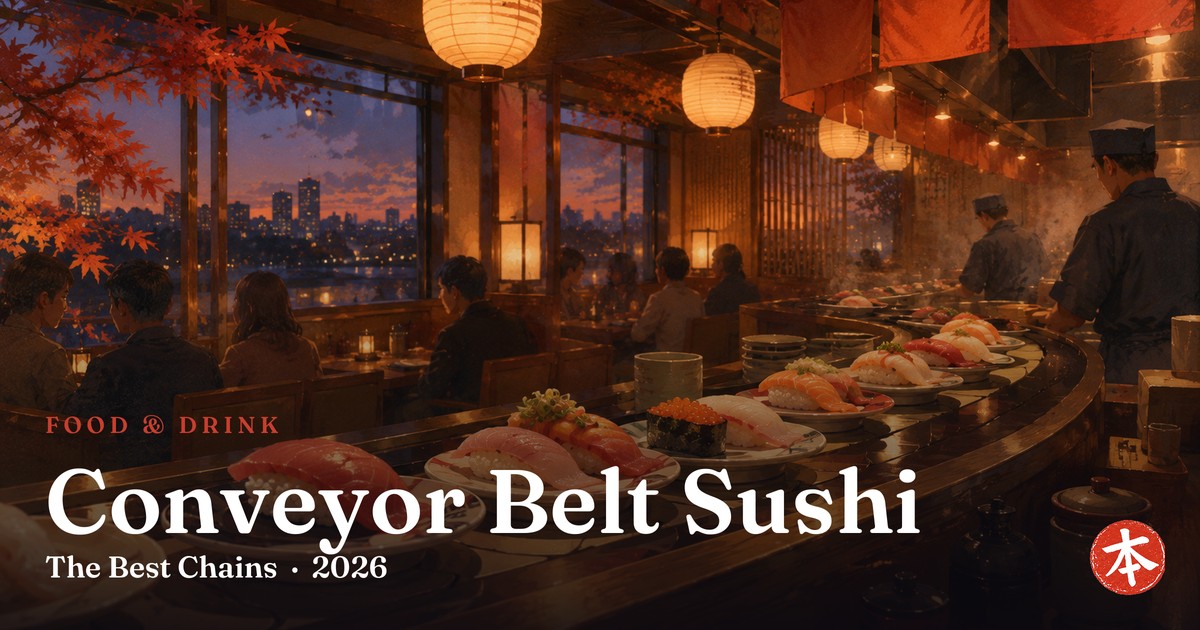
Conveyor belt sushi — kaiten-zushi — is Japan's great food equalizer: plates from ¥110, a touch panel that speaks English, and nobody judging how you hold chopsticks. Tokyo has hundreds of shops, but they split into two very different games: the budget chains (Sushiro, Kura, Hama-sushi, Uobei) and premium kaiten (Katsumidori, Nemuro Hanamaru) where chefs hand-form fish that would cost triple at a counter.
This guide covers the conveyor-belt format in depth — for the full map of Tokyo sushi, from standing bars to omakase counters and what each tier costs, start with our Tokyo sushi restaurants guide.
This guide compares them with numbers from each chain's own site — including the quirks that catch visitors: central-Tokyo branches that quietly charge more, the app-queue systems, the famous shops that take no reservations at all, and the chain where your Suica card won't pay.
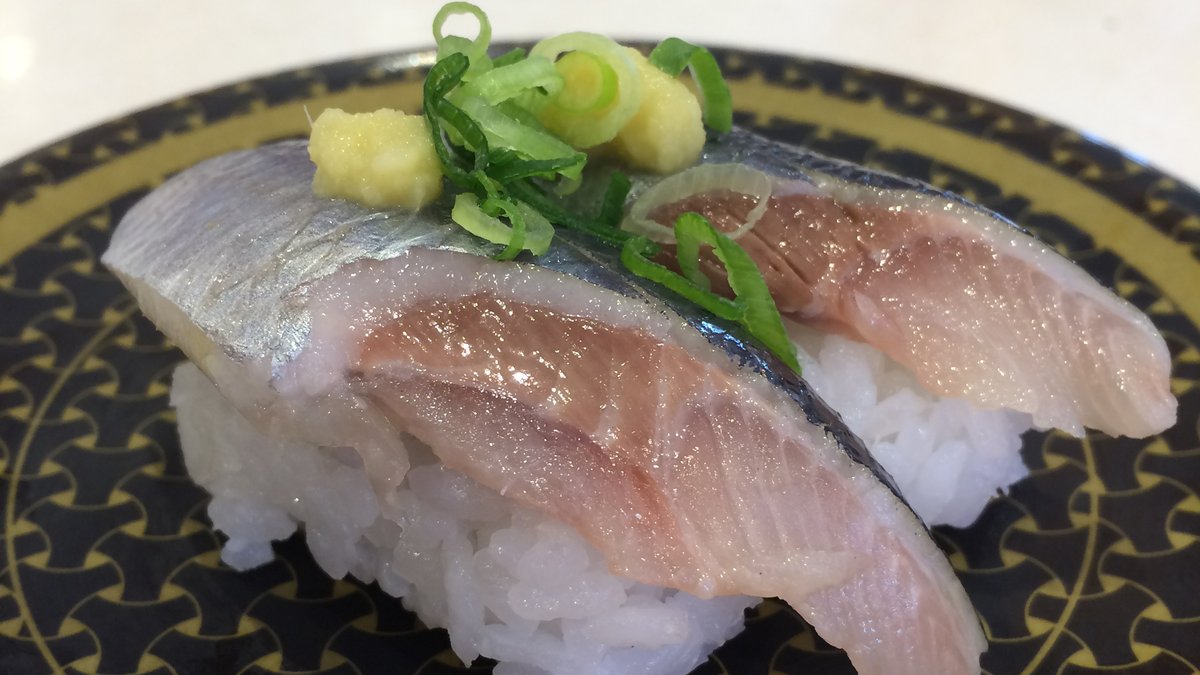
Tokyo kaiten sushi at a glance
| Chain | Plates from | Handy central branches | English | Queue system |
|---|---|---|---|---|
| Sushiro | ¥120 (¥150 central) | Shibuya, Shinjuku West, Asakusa, Yaechika (Tokyo Stn) | EN site + EN/中/한 touch panel | App or LINE ticket |
| Kura Sushi | ¥115 (¥150 flagship) | Shibuya, Harajuku & Asakusa ROX global flagships | EN site switch | App table booking |
| Hama-sushi | ¥110 (varies central) | Akihabara ×2, Ginza INZ, Takadanobaba | EN menu site | Hama-Navi / app |
| Uobei | ¥110 | Shibuya Dogenzaka | No EN site | App queue |
| Katsumidori | ¥154 | Seibu Shibuya 8F, Meguro, Kamata | EN store info | No reservations — Airwait status |
| Nemuro Hanamaru | menu-priced | KITTE Marunouchi 5F, Ginza | No EN site | No reservations — ticket machine + QR/LINE call |
The budget chains: what ¥110–150 actually gets you
Sushiro is the visitor-friendly default: an official English site, touch panels in English, simplified Chinese and Korean, and about 71 Tokyo shops including Shibuya, Shinjuku and a Tokyo-Station-basement branch in Yaechika. Plates start at ¥120, or ¥150 at some central stores like Minami-Ikebukuro. Kura Sushi adds the fun factor — drop five empty plates in the table slot and its "Bikkura-Pon" gacha machine might spit out a prize — and its Shibuya, Harajuku and Asakusa ROX "global flagship" stores (from ¥150) are built with tourists in mind.
Hama-sushi is the price floor — most plates ¥110, with an official English menu site — just note its own menu page lists central branches (both Akihabara stores, Ginza INZ, Takadanobaba and others) as priced differently. Uobei in Shibuya drops the belt entirely: officially a "conveyor-less" format where every order is made fresh and fired to your seat on an express lane — faster, and the fish never did a lap of the room.
Premium kaiten: where locals queue on purpose
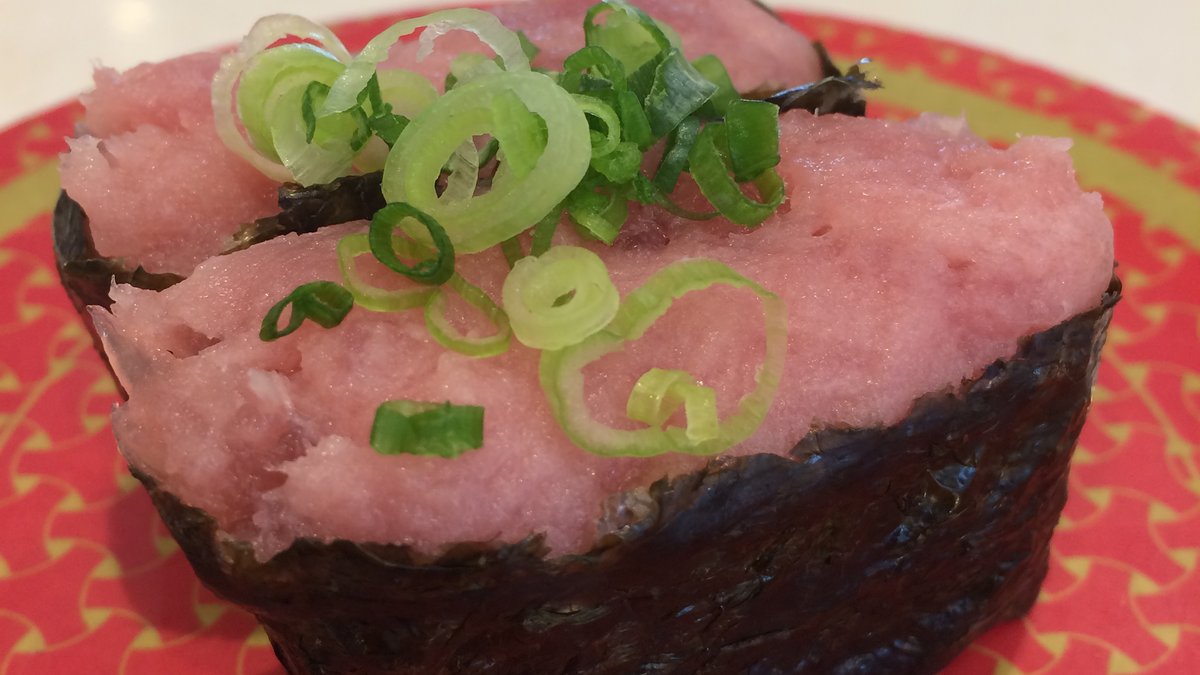
Kaiten Sushi Katsumidori (Seibu Shibuya, A-building 8F — two minutes from Shibuya Station) runs one shared menu at every branch: about 200 items, starting at ¥154 tax included, rising to big Hokkaido gunkan platters around ¥1,000. Chefs form the sushi by hand behind the belt, calling out orders — it's dinner and a show. The official line is blunt: "We do not accept reservations for seats." Check the live queue on their Airwait page before you commit to the trip.
Nemuro Hanamaru flies fish from Nemuro, Hokkaido, and its KITTE Marunouchi branch (5F, right by Tokyo Station) is one of the city's most queued sushi rooms. The system, per the official FAQ: no reservations, take a ticket from the machine, scan the QR to watch your place from anywhere, and opt in to a LINE or email call — then show up within 15 minutes of being called or the ticket cancels. Cards and e-money work at every branch; the standing-bar offshoots (Yaesu, Shimbashi, Ginza) trade the belt for speed with the same fish.
Payment: the trap nobody expects
(Akihabara's other themed meal: maid cafés bill an admission fee plus a mandatory drink, and the house rules forbid photographing the staff.)
(One chain is quietly leaving the conveyor behind — see our Hama Sushi guide for the high-speed straight lane and the five soy sauces.)
(On whether the belt still exists: our Sushiro guide reports what the chain has and has not actually announced about removing them.)
FAQ
How much is conveyor belt sushi in Tokyo?
What’s the best conveyor belt sushi in Tokyo?
Do I need a reservation for kaiten sushi?
Can I pay with Suica or a credit card at conveyor sushi?
How does ordering work if I don’t speak Japanese?
Is conveyor belt sushi good quality?
Bottom line (2026) — Tokyo kaiten sushi runs from ¥110 plates up to premium chef-made belts, across chains including Sushiro, Kura, Hama, Uobei, Katsumidori and Nemuro Hanamaru. Each chain has its own app-queue system and payment quirks — knowing them beforehand cuts the wait and avoids the register traps.
Sources
Official chain pages, checked July 23, 2026: Sushiro (EN), Kura Sushi, Hama-sushi (EN), Uobei, Katsumidori and Nemuro Hanamaru. Photos: Wikimedia Commons (CC0). Branch prices and queue systems change — the chain apps show live rules.
Want a specific chain? Our Kura Sushi guide covers how one of Japan's big revolving-sushi chains works for visitors.
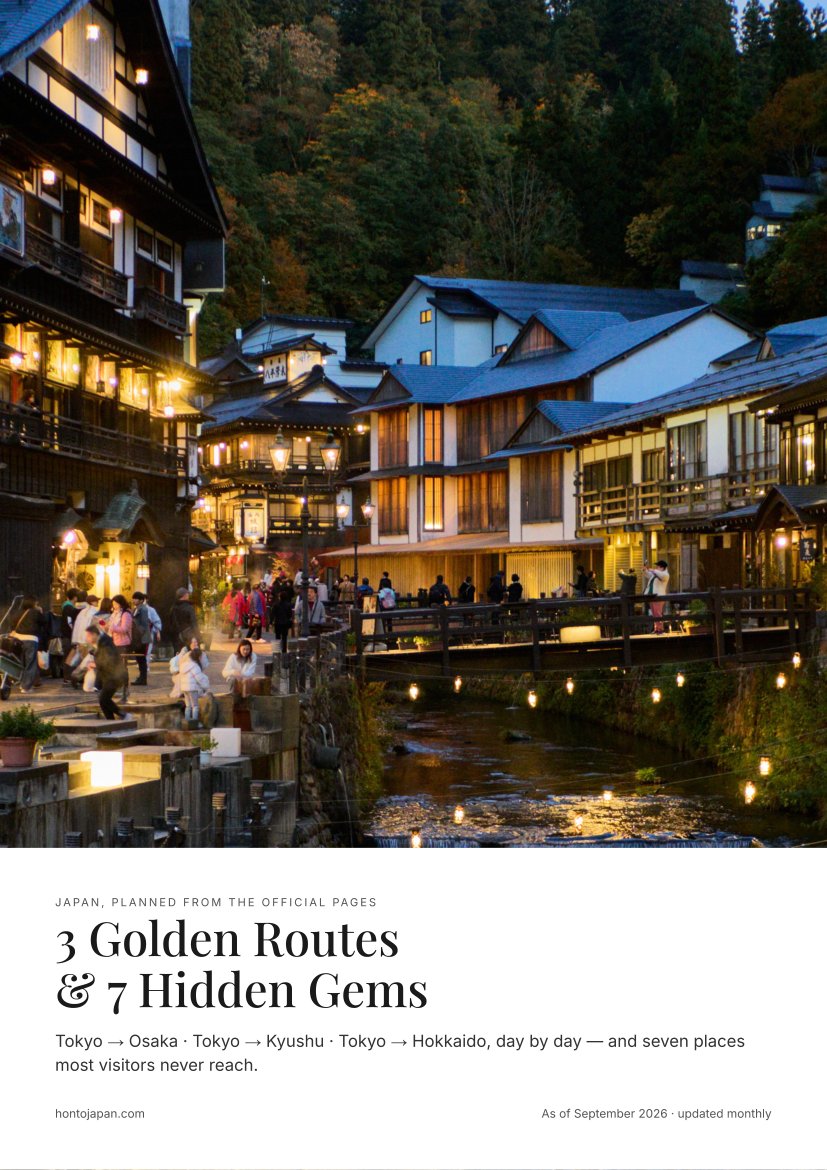
Tokyo to Osaka, Tokyo to Kyushu, Tokyo to Hokkaido — day by day — plus seven places most visitors never reach.
- 12 pages, 80 photographs, every stop linked to its guide
- Every price and opening hour read from the official page
- Re-issued monthly, so it does not go stale in your inbox
Free. One email a month, plus the rare change that matters. Unsubscribe with one click in any email. By subscribing you agree to our privacy policy.