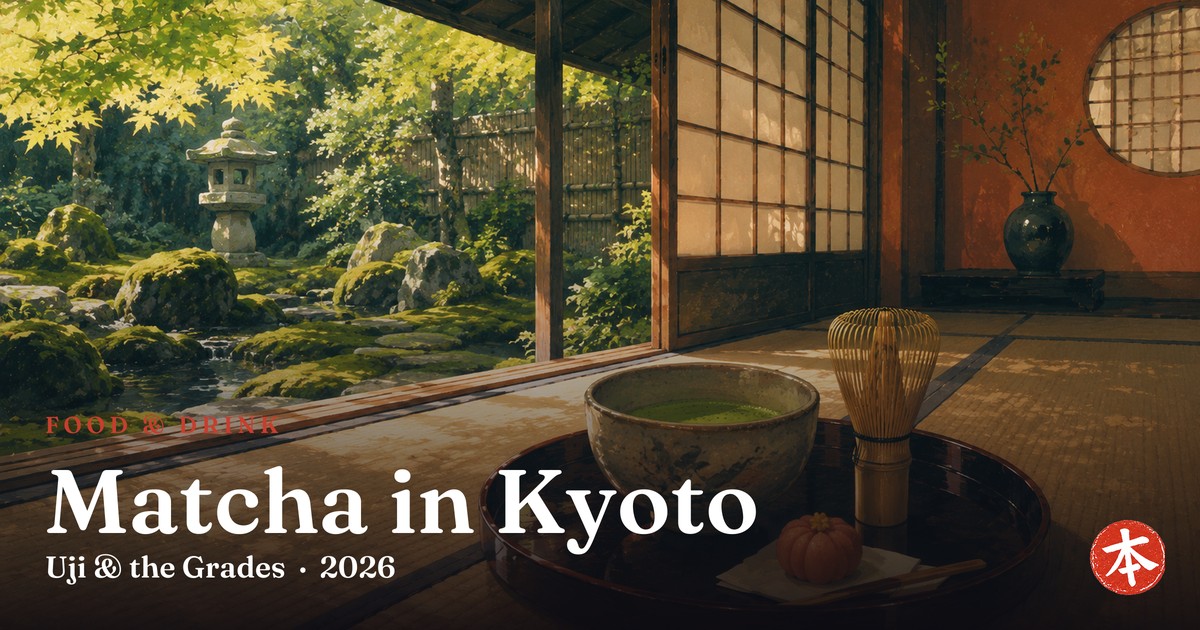
Matcha is having a global moment, and most of what's written about it abroad is wrong in small ways that matter. "Ceremonial grade" is a marketing phrase, not a certification. Thin tea and thick tea are different drinks, not different strengths. And the tin with the most beautiful packaging is rarely the best value. Kyoto — specifically Uji, on the city's southern edge — is where you can sort all of this out in an afternoon, because the growing, the ritual and the dessert industry all live in the same place.
Matcha in Kyoto at a glance
| Why here | Uji — centuries-old prestige growing region on Kyoto's southern edge; the tea ceremony was formalized in this city |
|---|---|
| Two drinks | Usucha (thin, frothy, everyday) vs koicha (thick, intense, ceremonial-grade only) |
| "Grades" | Not a legal standard. Industry terms — buy the better tier only if drinking it plain |
| Where to drink | Traditional tea houses · modern matcha cafés · Uji's own tea shops |
| Uji day trip | Short train from central Kyoto, half a day is enough |
| Buying rule | Matcha degrades in weeks after opening — buy small, keep sealed and cool |
What matcha actually is (30 seconds)
Green tea leaves grown under shade for weeks before harvest — which raises the amino acids and drops the harshness — then dried, de-stemmed and stone-ground into powder. Because you drink the leaf rather than an infusion, quality differences hit you directly: good matcha tastes almost sweet and rounds off smoothly, poor matcha is flatly bitter and grainy. That's also why the powder is fragile — it's a ground fresh product, not a shelf-stable commodity.
The grade thing, explained honestly
The practical rule: drinking it plain justifies paying for the better tier. Making lattes and baking does not — you'll taste the milk, not the ¥ difference. Shops in Kyoto will usually tell you honestly which of their tins is for which use, if you ask.
Usucha vs koicha — two different drinks
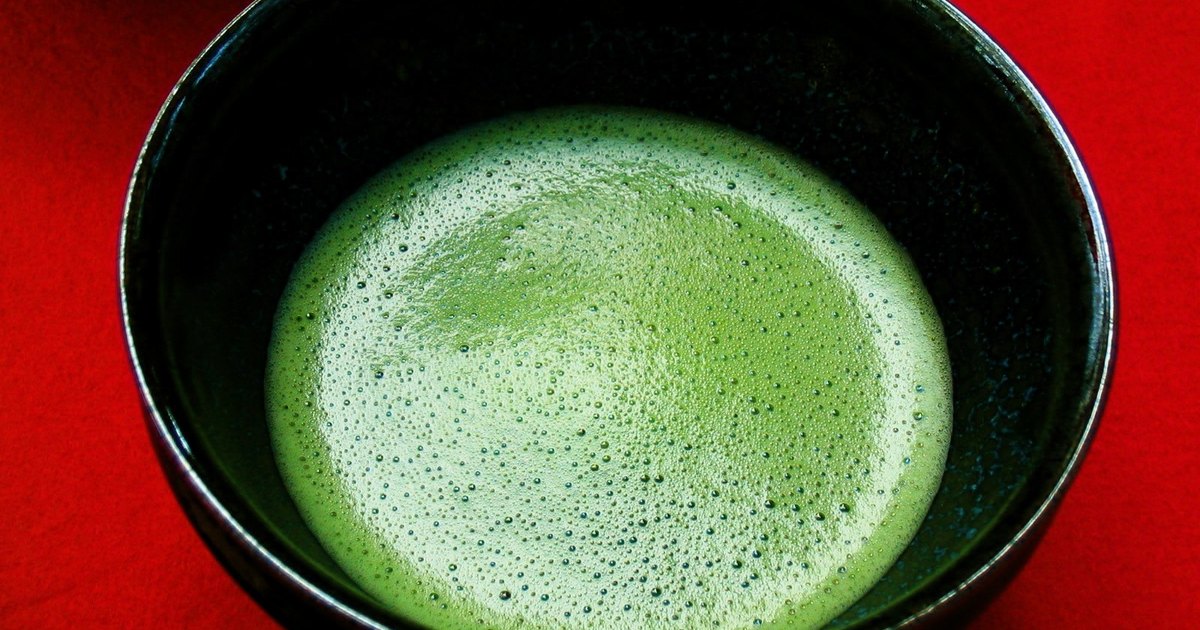
Usucha (thin tea) is what you'll be served almost everywhere: a bowl of whisked, frothy, mildly bitter tea with a small sweet alongside. It's the everyday form and the correct introduction. Koicha (thick tea) uses several times the powder for the same water and comes out closer to a warm paste — intense, surprisingly sweet underneath the bitterness, and made only from high-grade tea. It's traditionally the centrepiece of formal ceremony, and it's the version most visitors have never tasted. If you see it offered, take it: it's the thing you genuinely cannot replicate at home with supermarket powder.
Where to drink it — three formats
- Traditional tea houses — a bowl of usucha and a seasonal sweet, often in a garden setting. The perfect 20-minute pause between temples; no reservation needed at most.
- Modern matcha cafés — lattes, soft serve, parfaits, tiramisu. Concentrated in the busy districts and around Uji. This is where the dessert obsession lives, and it's legitimately excellent.
- Uji tea shops — tasting and buying in the same room, with staff who actually know the harvest. The best place to understand grades, because you can taste the difference side by side.
- Not the same thing: a formal tea ceremony is a hosted ritual, not a drink stop — our Kyoto tea ceremony guide covers booking one.
Uji: worth the trip?
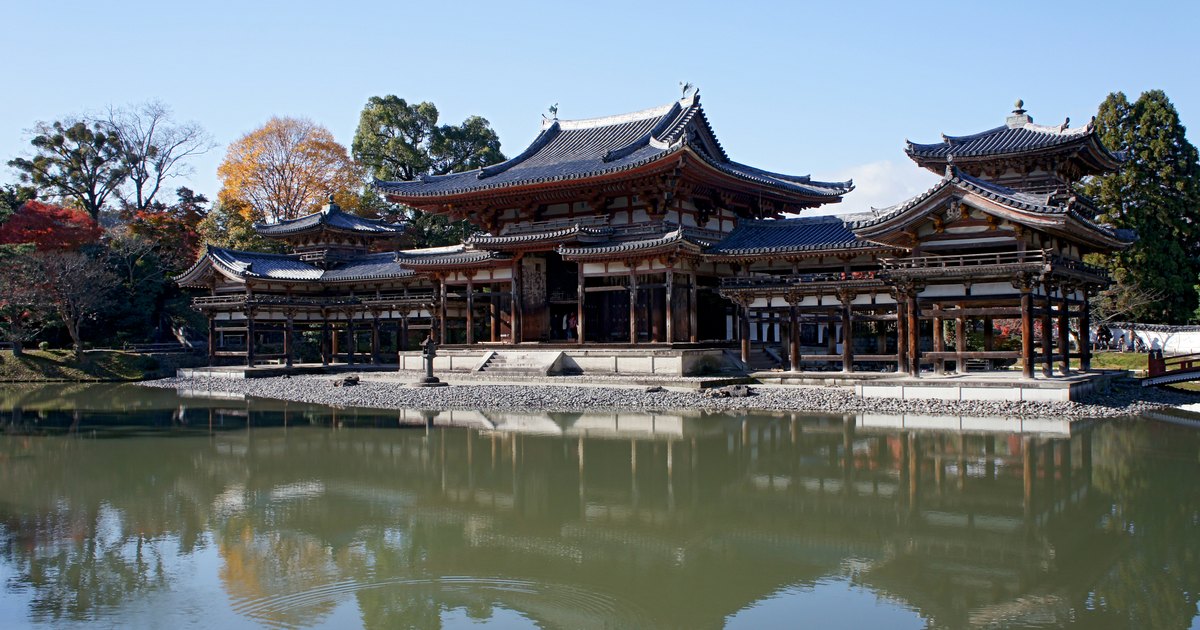
Uji sits a short train ride south of central Kyoto and is compact enough for half a day: tea shops along the main street, tasting rooms, a famous temple, the river. If matcha is a real interest, go — tasting three grades side by side teaches you more than any article. If you only have two days in Kyoto, skip it without guilt; the same producers supply the city's tea houses, and your temple time is scarcer than your tea time.
Buying to take home
Three rules. Buy from a tea shop, not a souvenir counter — the packaging premium at gift stands is steep and the tea inside is usually culinary tier. Buy small. Matcha degrades within weeks of opening; a large tin is a slowly staling one. Consider the alternatives: hojicha (roasted, nutty, caffeine-light) and genmaicha (with toasted rice) cost far less, keep much better, and a lot of visitors end up drinking them daily long after the matcha is gone. If you're assembling edible souvenirs more broadly, the street food guide covers the sweets side, and a kimono morning pairs suspiciously well with a tea house stop.
FAQ
Why is Kyoto associated with matcha?
What’s the difference between ceremonial and culinary grade matcha?
What is the difference between usucha and koicha?
Where should I drink matcha in Kyoto?
Is Uji worth a day trip from Kyoto?
What matcha should I buy to take home?
Sources
Tea characteristics (shade growing, stone grinding, the usucha/koicha distinction, post-opening degradation) are long-established, widely documented features of Japanese tea. The grade terminology is described as industry usage rather than regulation, which is what it is — no certifying body defines "ceremonial grade." No individual shops are named or recommended here, deliberately. As of August 2026.
Some links on this page may be affiliate links, which means we may earn a commission if you book or buy through them — at no extra cost to you. See our affiliate disclosure.
in English
Every week we read the Japanese sources English-language media never touches — new openings, price changes, limited releases, rule changes, the seasonal things that come and go in three weeks — and send you a three-minute read of what actually matters. Hit reply with a question about your trip and a human answers.
Free. Unsubscribe anytime. We never share your address.