Fukuoka food is more than tonkotsu ramen: the prefecture’s own tourism site leads with ramen, motsunabe offal hotpot and mentaiko pollock roe, and the city’s guide adds mizutaki chicken hotpot, soft Hakata udon and yakitori. This guide covers those dishes, the shops with official prices, and the rules for eating at a yatai, the street stalls: prices must be posted and cannot say “market price”, there are no toilets, and most take cash only.
For the ramen itself, including noodle firmness and refills, see our Hakata ramen guide, which also covers how the city licenses yatai. For where the stalls stand, see our Fukuoka map.
Fukuoka food at a glance
| Dish | Where (official) | Price | Know before you go |
|---|---|---|---|
| Yatai (street stalls) | About 100 stalls, city rules | Must be posted | Cash, no toilets, no luggage, no raw food |
| Motsunabe | Hakata Motsunabe Ooyama, main branch | 2,398 yen a serving | 400 yen seat charge on single orders; no lunch |
| Mizutaki | Toriden, Hakata main branch | 5,500 yen | Open for lunch on weekdays |
| Mentaiko rice bowl | Ganso Hakata Mentaiju, Nishinakasu | 1,980 yen | Wait 30 min to 2 hours; dine-in closed Oct 14 to 22, 2026 |
| Mentaiko to take away | Fukuya, Nakasu main shop | From 1,296 yen (shelf-stable) | Frozen; about 6 hours without ice packs (Apr to Oct) |
| Hakata udon | Makino Udon | From 390 yen (chain menu) | No photos except your own bowl |
| Bite-size gyoza | Hakata Gion Tetsunabe | Not listed | 17:00 to 22:30, closed Sundays |
From each shop’s official site and Fukuoka City and Prefecture pages, prices including tax, read October 5, 2026.
How do Fukuoka yatai work?
What are the rules a yatai must follow?
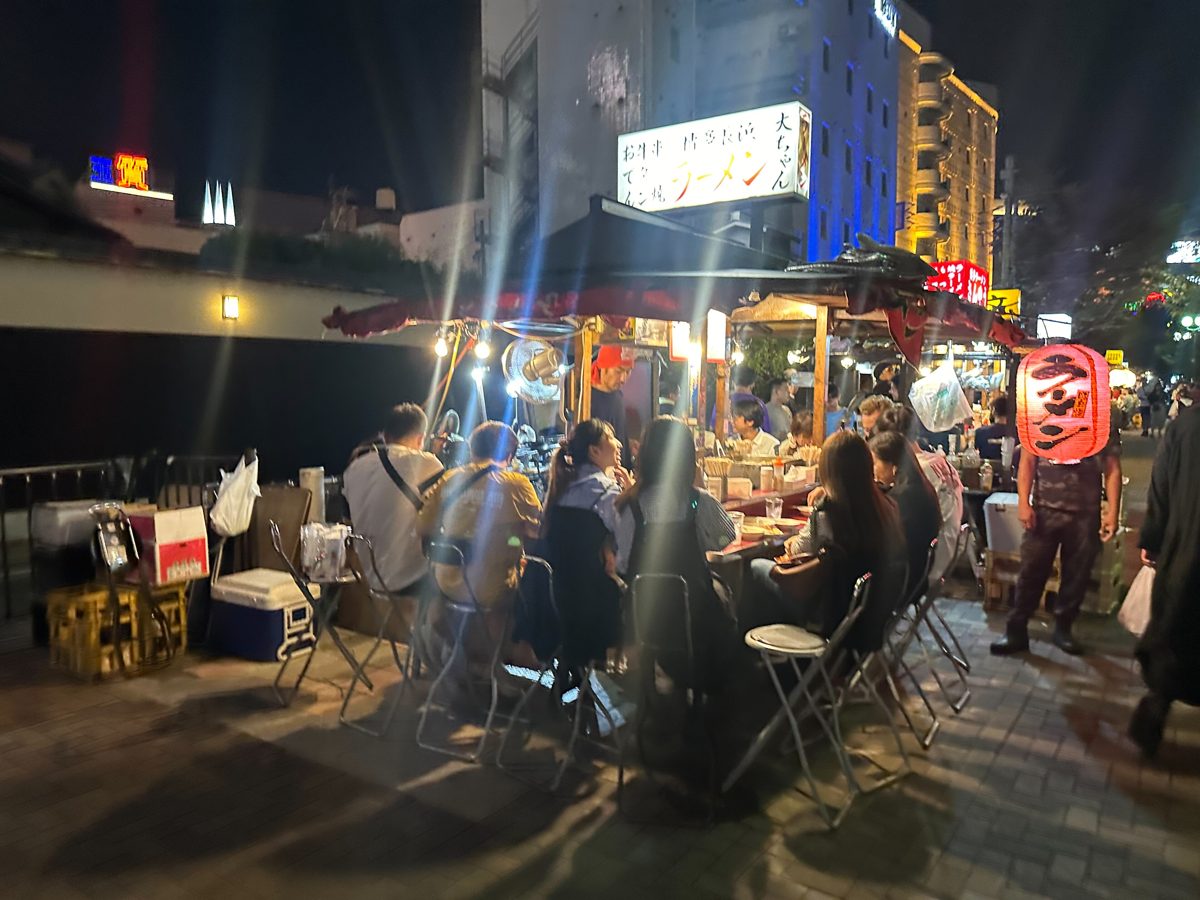
Fukuoka City has about 100 yatai, and stalls under its yatai ordinance must follow its rules. The city’s regulations require prices to be posted where customers can see them, and its Q&A is blunt: items priced by the day’s ingredients must show that day’s price, and “market price” is not allowed. Yatai also do not serve raw food. The city asks customers to check, before ordering, that prices are posted and whether there is an appetizer charge. Its English guide says most stalls charge no cover, but some bar-type yatai do.
What should I know before I sit down?
From the city’s English guide: most stalls open between 18:30 and 19:00 and close around midnight; they have no fixed holidays, and some do not open in rain or storms. There are no toilets, so ask staff for the nearest one. Stalls are small, so leave luggage in a locker or at your hotel, and come in groups of two or three. It is polite to order at least one drink and one dish each, and you pay when you leave. A few take bookings, but not many. Our luggage storage guide explains lockers.
What do yatai serve besides ramen?
The prefecture says Fukuoka’s stalls serve local dishes such as yakitori and bite-size dumplings as well as ramen, and the city’s English guide also lists oden, yaki-ramen (stir-fried ramen noodles) and a rolled omelet with mentaiko, made for sharing.
Why does the city stress posted prices?
Because it hears complaints. Training materials the city published for stall operators quote complaints received between April 2021 and February 2023, including being charged 20 to 30 percent more than the displayed price and pushy touting. Most visits will not go that way, but the rule is on your side: if a price is not posted, ask before you order. The city’s permit lets stalls occupy the street from 17:00 to 4:00, including setting up and packing away, so the hours above are the stalls’ own.
Is there help at the airport?
Yes. The tourist information desk in the international terminal of Fukuoka Airport has a “yatai concierge” who recommends stalls to overseas visitors. The city’s Japanese and English pages give different opening hours for the desk, so we leave them out.
Motsunabe: Fukuoka’s offal hotpot
What is motsunabe?
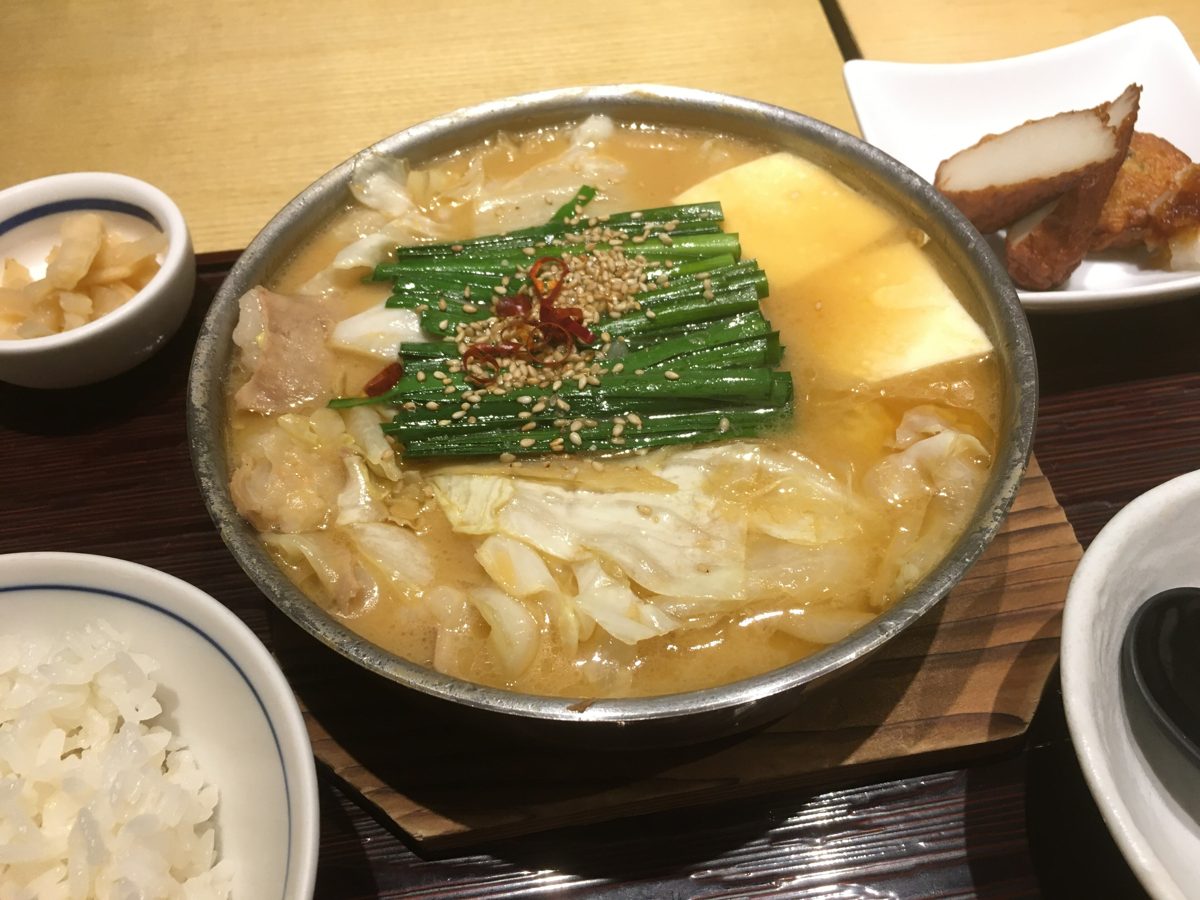
A hotpot of beef offal eaten, the prefecture says, with plenty of chives, cabbage and garlic, in a soup that is soy sauce or miso-based and often cooked in a shallow stainless steel pot. When the ingredients are gone, you add champon noodles or rice to the soup. The city’s guide says the dish is thought to go back to coal miners after World War II, but words it as a story, not a fact.
Where can I eat it, and what does it cost?
Hakata Motsunabe Ooyama, founded in 2004, recommends its main branch, a 2-minute walk from Gofukumachi Station, to first-timers. One serving costs 2,398 yen including tax, in miso, soy sauce or mizutaki-style broth, and the shop uses only wagyu small intestine. If you do not want offal, you can switch it to pork belly. Champon noodles to finish cost 319 yen.
Ooyama takes JCB, Visa, Mastercard, Diners, American Express and UnionPay, plus PayPay, Alipay and transit IC cards. Some of its sets include raw horse meat, so read the set contents if you avoid raw food.
The main branch seats 180, with sunken kotatsu-style tables and children’s chairs, and has a smoking booth on the 1st floor. A 90-minute all-you-can-drink option costs 2,200 yen per person, and the whole group must order it. Outside food and drink, including cakes, is not allowed. The English shop list gives the same hours but calls the holidays irregular; the Japanese page names December 31 and January 1.
Mizutaki: the chicken hotpot
How is mizutaki different?
The prefecture says Fukuoka’s mizutaki is made by boiling chicken with the skin and bones for a long time, unlike the kelp broth of the Kansai version. The city’s guide gives the order: taste the soup first with a little salt, then the chicken and cabbage, and finish with rice porridge.
Where can I eat it?
Toriden’s Hakata main branch in Shimokawabata lists its mizutaki at 5,500 yen including tax, and courses from 7,700 yen; we could not read on its menu PDF how many people the mizutaki serves, so ask. It opens for lunch on weekdays, 11:30 to 16:00, then 17:00 to 23:00, and runs straight through on weekends and holidays. Its menu notes a Michelin Bib Gourmand from a 2014 special edition, and an allergen chart by QR code. A mentaiko-and-egg rice porridge set to finish costs 660 yen.
Toriden also does takeaway mizutaki at the Hakata branch. Its Yakuin branch, in Chuo Ward, has six counter seats and opens for lunch only on weekends and holidays. The pages do not list closing days or payment methods for the Hakata branch, so check before you go.
Mentaiko: eat it here, or carry it home
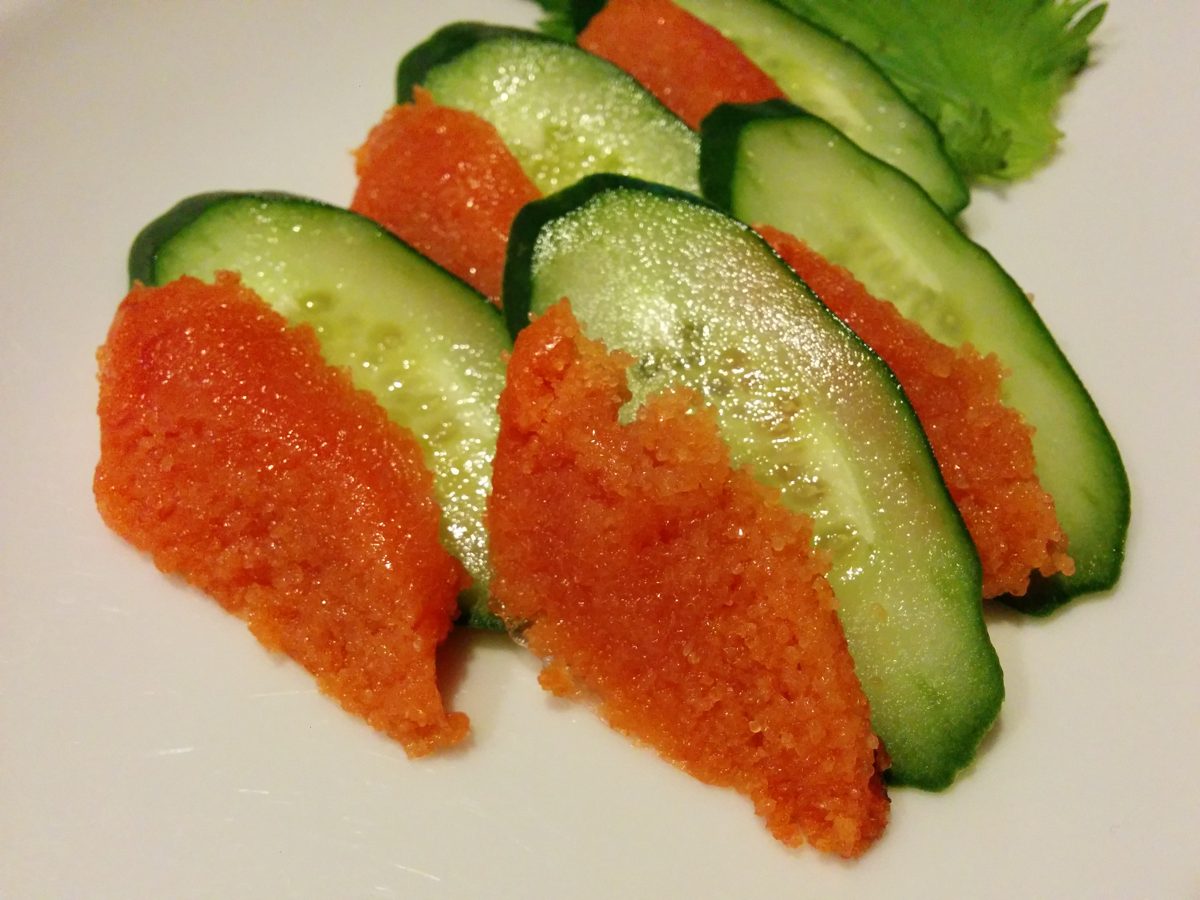
Where do I eat a mentaiko rice bowl?
Ganso Hakata Mentaiju in Nishinakasu serves a whole piece of mentaiko over rice and seaweed for 1,980 yen, with small, medium or large rice and four levels of heat. It opens at 7:00, so it works for breakfast, until 22:30. The shop says the average wait is 30 minutes to 2 hours. It takes bookings online only, for evening slots, with a free EPARK account; not by phone. For takeaway boxes, skip the line and use the exit-side door. It takes cards, cash, transit IC cards and QR payments.
The menu also has a larger mentaiju at 3,410 yen and mentaiko tsukemen at 1,980 yen, and Nishinakasu adds a motsunabe menu after 17:00. Takeaway boxes, the shop says, keep for 6 hours. It also warns that shops copying its brand have appeared, and that its only official shops are the ones on its website, Nishinakasu and Hakata Station.
Where do I buy mentaiko to take away?
Fukuya opened in Nakasu in 1948 and, its history says, began making and selling mentaiko in January 1949. The Nakasu main shop opens 9:00 to 22:00 daily, but closes at 18:00 on public holidays, and takes cash, cards and PayPay. Its mentaiko is sold frozen: from April to October, the shop says it keeps about 6 hours without ice packs, or 8 hours with an ice pack and cooler bag for 220 yen. For longer trips, it sells a shelf-stable mentaiko in oil for 1,296 yen. Its overseas shipping page says chilled international shipping is on hold, so do not count on sending it home.
If you are leaving town, Fukuya also has a shop in the Hakata Station underground mall, open 10:00 to 18:30, a stand in Hakata Deitos, 8:00 to 21:00, and a shop on the 2nd floor of the domestic terminal at Fukuoka Airport, 6:30 to 21:00.
Hakata udon is soft
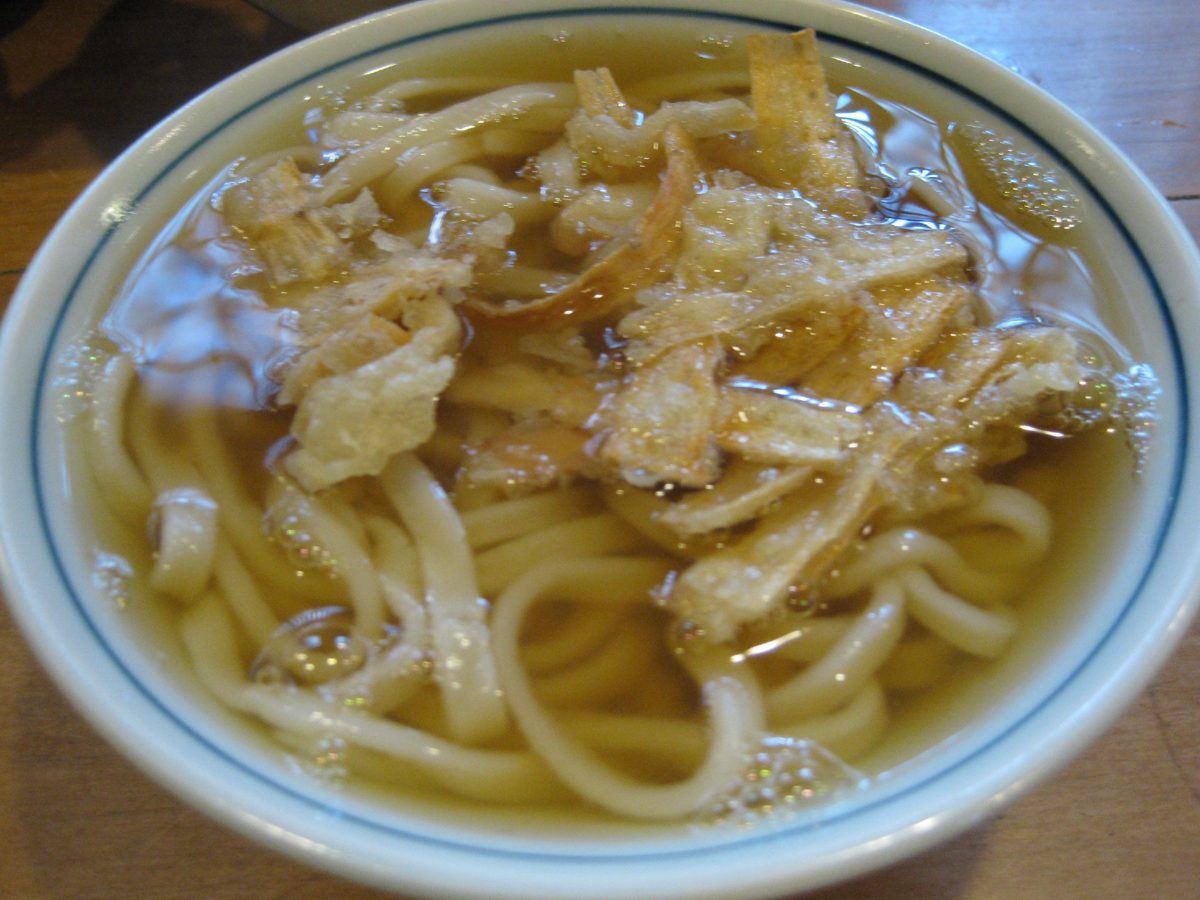
What makes Hakata udon different?
The city’s guide says its defining feature is soft noodles, and the prefecture describes a clear broth of light soy sauce. A stone marker at Jotenji Temple reads that udon and soba began here; the prefecture says they are said to have arrived from China in the Kamakura period. Locals order gobo-ten (burdock tempura) or maru-ten (a round fish cake) udon, with kashiwa chicken rice on the side. Compare the firmer noodles in our Tokyo udon guide.
Where can I try it?
Makino Udon, a chain of 18 shops, lists plain udon at 390 yen, gobo-ten 490 yen, maru-ten 520 yen and kashiwa rice 210 yen for eating in. Its Hakata Bus Terminal branch, on B1 next to Hakata Station, opens 10:00 to 23:00, but the chain says prices differ at that branch, and it raised prices on June 1, 2026, without dating its menu page. All shops close October 14, except the bus terminal and Marina Town branches.
From October 1, the chain sells a seasonal shiitake udon or soba for 550 yen. Its “airport” branch has a street address in Higashi-Hirao, not inside the terminal building.
Yakitori, gyoza and goma-saba
Why is Fukuoka yakitori different?
The prefecture says that in Fukuoka pork belly is the meat of choice over chicken, with lots of cabbage, and that chicken skin twisted into a spiral is a local staple. The city’s guide adds that a plate of cabbage with sauce arrives as soon as you sit down, and that many shops let you eat as much as you like. Compare our Tokyo yakitori guide.
Where are the bite-size gyoza?
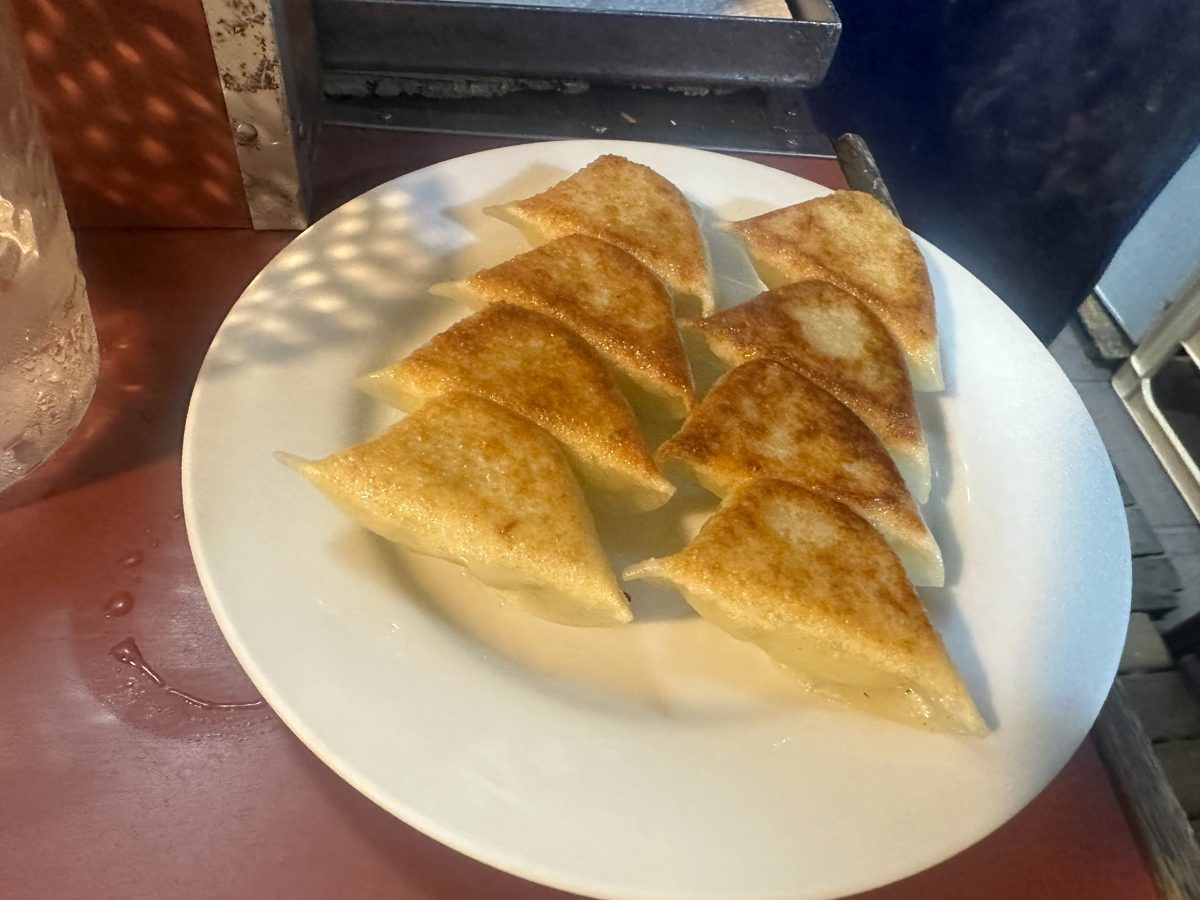
The city’s English guide calls Fukuoka’s bite-size gyoza famous. Hakata Gion Tetsunabe serves them, made the same day, from 17:00 to 22:30, closed Sundays. It does not list prices, and says the “Tetsunabe gyoza” sold at department stores and airports has nothing to do with it.
What is goma-saba?
Mackerel dressed with soy sauce and sesame, which the prefecture calls a local specialty and the city says is easy to find at izakaya. We found no official site for a specialist shop to quote prices from. For more of the city’s own chains, see our guide to Ippudo.
Where can I eat fish early in the morning?
At the Nagahama Fish Market, about 12 minutes on foot from Akasaka Station. The prefecture says restaurants on the 1st floor of the market hall are open to the public, and many people come for breakfast when they open early. The market itself is wholesale; the public can buy fish there only once a month, on its Citizens’ Appreciation Day. We did not read the individual restaurants’ pages.
Who this Fukuoka food guide suits
First-time visitors who want to eat past the ramen bowl, travelers planning a yatai night who need to know what to carry, and anyone deciding between eating mentaiko in town and carrying it home. Check each shop’s page on the day: closures, waits and seat charges are where plans go wrong.
Frequently asked questions
What food is Fukuoka famous for besides ramen?
Do Fukuoka yatai take credit cards?
Can a yatai charge market price?
Are there toilets at Fukuoka yatai?
How much is motsunabe in Fukuoka?
How long is the wait for the mentaiko rice bowl?
Is Hakata udon different from other udon?
Can I take mentaiko home on the plane?
Bottom line (2026): Fukuoka yatai must post prices and cannot say market price; bring cash, since only about 10 percent take cards, and expect no toilets. Motsunabe at Ooyama is 2,398 yen, plus a 400 yen seat charge on single orders. The mentaiko rice bowl is 1,980 yen with a 30-minute to 2-hour wait, and Hakata udon is soft.
Sources
Prices, hours and rules are from each shop’s official site: Hakata Motsunabe Ooyama, Toriden and its menu, Fukuya Nakasu and its history, Ganso Hakata Mentaiju with its FAQ, renovation notice and Hakata Station shop, Makino Udon and its menu, and Hakata Gion Tetsunabe. Yatai rules are from Fukuoka City’s yatai regulations, yatai Q&A, English yatai guide and yatai search page; dish descriptions from Fukuoka Prefecture’s tourism site and the city’s food guide. All were read on October 5, 2026. Confirm on the official pages before you go.
Some links on this page may be affiliate links, which means we may earn a commission if you book or buy through them — at no extra cost to you. See our affiliate disclosure.
Tokyo to Osaka, Tokyo to Kyushu, Tokyo to Hokkaido — day by day — plus seven places most visitors never reach.
- 12 pages, 80 photographs, every stop linked to its guide
- Every price and opening hour read from the official page
- Re-issued monthly, so it does not go stale in your inbox
Free. One email a month, plus the rare change that matters. Unsubscribe with one click in any email. By subscribing you agree to our privacy policy.