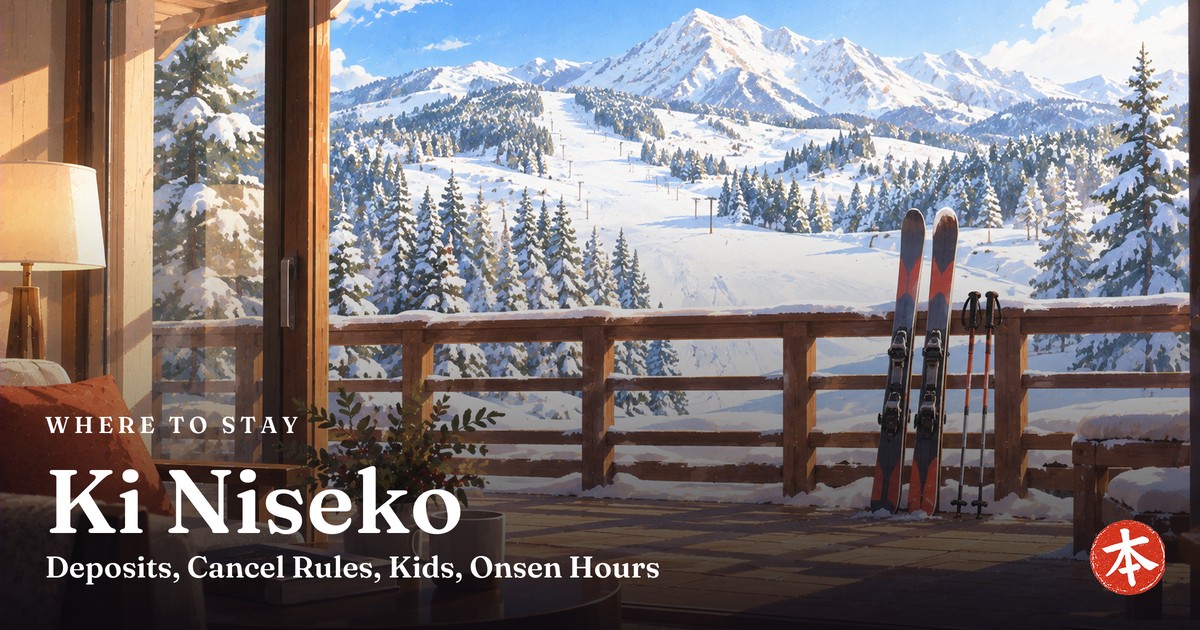
Ki Niseko is the ski-in ski-out hotel that sits next to the King Gondola at the foot of Grand Hirafu, with its own onsen source inside Mount Annupuri, and it runs on a booking contract written for international ski holidays rather than the Japanese hotel standard. That means deposits that become non-refundable 60 days out, a 10,000-yen fee for canceling even a week after booking, date changes treated as cancellations, a 20,000-yen security deposit, and floor-damage charges that start at 20,000 yen if you walk in wearing ski boots. It also means children are counted differently: 7 and over are guests, under 7 share a bed free.
Everything below is from the hotel’s official English site: the FAQ, the terms and conditions, and the onsen page. Room rates and lift-pass prices are not here; the fees, deadlines and rules the hotel prints are.
Ki Niseko at a glance
| Item | Official rule |
|---|---|
| Check-in / check-out | 15:00 / 11:00. Overstay: 25% of rack rate per hour; a full night after 4 hours. |
| Winter deposit (Dec 1-Mar 31) | 20% if confirmed 60+ days out, balance due 60 days before; 100% non-refundable if within 60 days. |
| Winter cancellation | Within 7 days of paying and 60+ days out: 10,000 yen. Later but 60+ days out: deposit forfeited. Within 60 days: 100%. |
| Changing dates or room type | Counts as a cancellation plus rebooking. Other amendments: 20,000 yen each. |
| Children | 7-15 count as guests; under 7 share a bed free, one per bedroom. Extra guest 10,000 yen a night in winter. |
| Security deposit | 20,000 yen on a card matching a guest’s passport. Cashless: Visa, Mastercard, Amex. |
| Damage | Floors: minimum 20,000 yen. Odors: minimum 50,000 yen. Smoking: minimum one night’s rate. |
| Onsen | 14:00-1:00 and 4:00-10:00; private onsen free, one 40-minute slot per stay. |
| Taxes | Rates include 10% consumption tax, onsen tax and 3% accommodation tax; no service charge. |
| Pets / smoking | No pets, even in cars. All rooms non-smoking. |
Working out the hotel tax for your dates? Our accommodation tax calculator gives it for Tokyo, Kyoto, Osaka, Hokkaido and 30+ other places from your room price, guests and dates, with the 2026–2027 changes.
What is Ki Niseko, and which room type should I book?
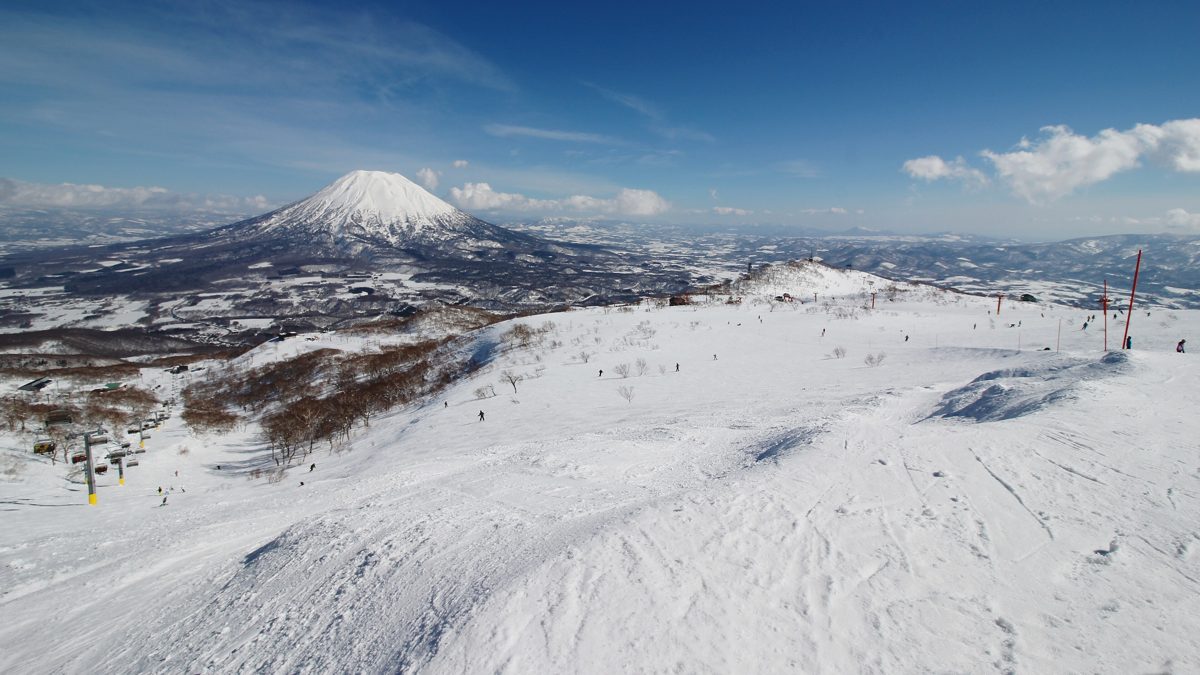
A hotel of apartment-style rooms at 8-5 Niseko Hirafu 1-jo 3-chome in Kutchan, 50 meters from the GoSnow ski school and beside the King Gondola, with YamaSport rentals 130 meters away. Room types run from Hotel Rooms (no kitchen, no microwave, and no space for a cot or high chair) through 1 Bedroom, 1 Bedroom Deluxe and 2 Bedroom apartments with full kitchens to Penthouses with sofa beds. Rooms face either Mount Yotei (front side) or the resort side toward Grand Hirafu, which is more private. Bedrooms take a king or two singles (90 by 200 cm; doubles 180 by 200 cm), set up as a double unless you say otherwise, and the 1 Bedroom Deluxe adds a Murphy bed. Our Niseko ski guide and Niseko map put Hirafu in context.
What does the rate include?
Prices are in yen and include the 10 percent consumption tax, the onsen tax and a 3 percent accommodation tax; there is no resort fee or service charge. Included with any booking: a 24-hour front desk and lobby lounge, the men’s and women’s onsen, the private onsens, the winter Ki Shuttle and the ski valet. Restaurants, spa, shop and covered parking cost extra. Tea, coffee, soaps, shampoo, dishwasher powder and cleaning products are stocked at check-in; Penthouses are cleaned daily, other rooms get bins and towels daily, a full clean and bed-making every other day, and fresh linen every fourth day.
Check-in at 15:00, the security deposit, and checkout at 11:00
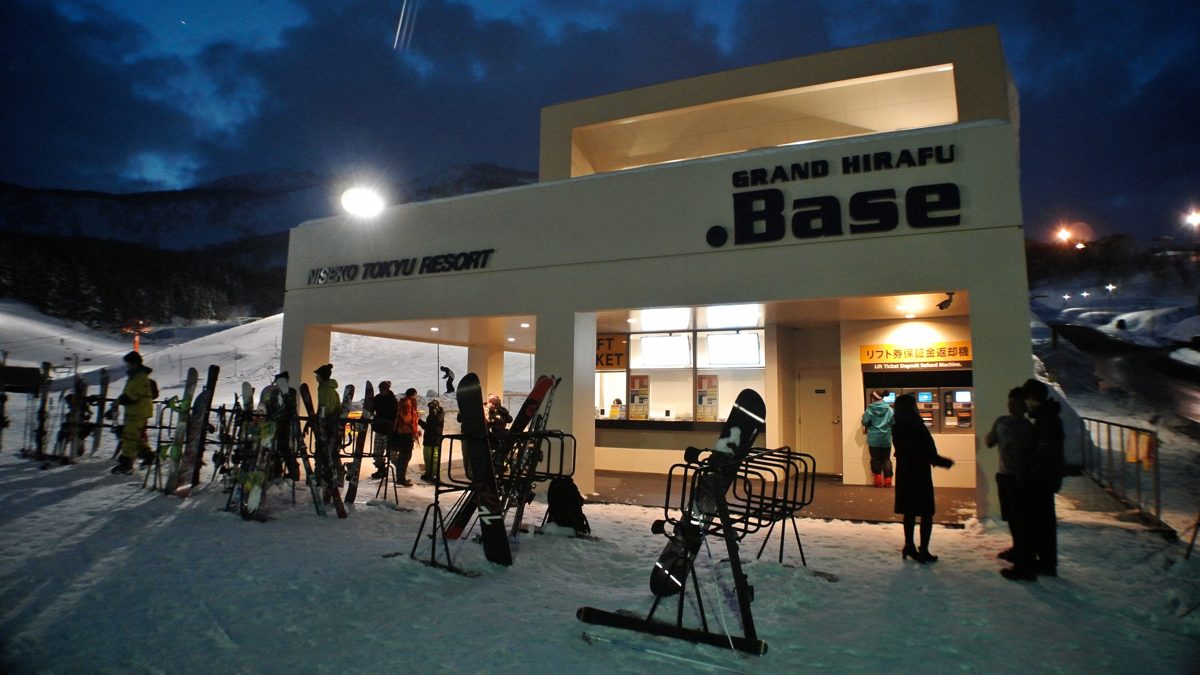
What happens at check-in?
Japanese law requires every guest’s full name, nationality, passport number and address, and the hotel wants them listed before arrival; rotating or swapping guests during the stay needs prior approval, and the person who booked must be present. A credit card security deposit of 20,000 yen is authorized for the whole stay and released after the room is inspected at checkout; you cannot get the key without it. The card must match the passport name of a staying guest, or the cardholder completes a third-party authorization form; otherwise the hotel may cancel the booking under its cancellation terms. Payments cannot be split across cards and are charged in yen.
Can I check in early or leave late?
Early check-in is possible but never guaranteed; to be sure, book the previous night. Until the room is ready you can use the lobby lounge, cafe, luggage store and, in winter, the shuttle. Late checkout is requested the night before, depends on availability and may cost extra; overstaying without written approval is charged at 25 percent of the rack rate per hour, and a room still occupied four hours after checkout is charged another night. After checkout the onsen, spa and lounge remain open to you.
Can I change rooms after arriving?
If a room is available, for a 5,000-yen administration fee plus any difference in rate. The hotel also reserves the right to move guests to comparable accommodation in cases such as overbooking or maintenance, with notice where possible.
Deposits and cancellation: the 60-day line in winter
| Winter stay (check-in Dec 1 to Mar 31) | Rule |
|---|---|
| Deposit, confirmed 60+ days before | 20% of the accommodation rate; balance due 60 days before |
| Deposit, confirmed within 60 days | 100%, non-refundable |
| Cancel within 7 days of paying, 60+ days out | 10,000 yen administration charge |
| Cancel more than 7 days after paying, 60+ days out | Deposit forfeited |
| Cancel within 60 days of check-in | 100% of the booking |
Three clauses catch people. Changing the room category, the check-in date or the checkout date is a cancellation of the whole booking with the fees above, followed by a rebooking if space exists. Any other amendment after payment, such as a name change or adding a person, costs 20,000 yen per change. And cancellations count only in writing by email; a phone call does not stop the clock, and the booking stays active until the reservations team confirms in writing.
What about summer?
For check-ins from April 1 to November 30, a stay of one or two nights is paid at check-in and cancels free more than two days ahead, at 50 percent two days ahead and 100 percent within a day. Stays of three nights or more take a 20 percent deposit (100 percent if booked within a week of arrival) with the balance due seven days before; canceling more than seven days out costs 10,000 yen if within a week of paying and 20 percent of the rate after that, and 100 percent within seven days.
Do refunds come back in full?
Refunds go to the card or by bank transfer, and transfer fees and exchange-rate losses are deducted; the terms note that a yen refund to a foreign card will not match the original charge. Credit transferred from an earlier booking is non-refundable, and the hotel expects you to hold travel insurance from the day you pay the deposit, since flight delays and cancellations are not its responsibility.
Children: 7 and over count, under 7 share a bed free
The occupancy math is the thing to get right before booking. Anyone 16 or older is an adult; children aged 7 to 15 count toward the room’s maximum occupancy just like adults. An infant under 7 who shares a bed may stay beyond the maximum, one infant per bedroom, and pays no extra-person charge. An extra guest above the standard occupancy sleeps on a Japanese futon or rollaway in the living room (or a sofa bed in a Penthouse), requested before arrival, at 10,000 yen per night in the winter rate period or 2,800 yen for a child and 3,800 yen for an adult in summer. Cots and high chairs are free, but only in 1 Bedroom rooms and larger.
Can children use the onsen?
Yes, with one rule: children aged 7 and over may not enter the bath of the opposite gender, and the sides never swap. Families with a small child can book one of the two private onsens, Hinoki and Momiji, free for hotel guests, after check-in, for one 40-minute session per stay; a baby bath, bath chair, bouncer and baby soap are provided.
The onsen, damage rules and the small print
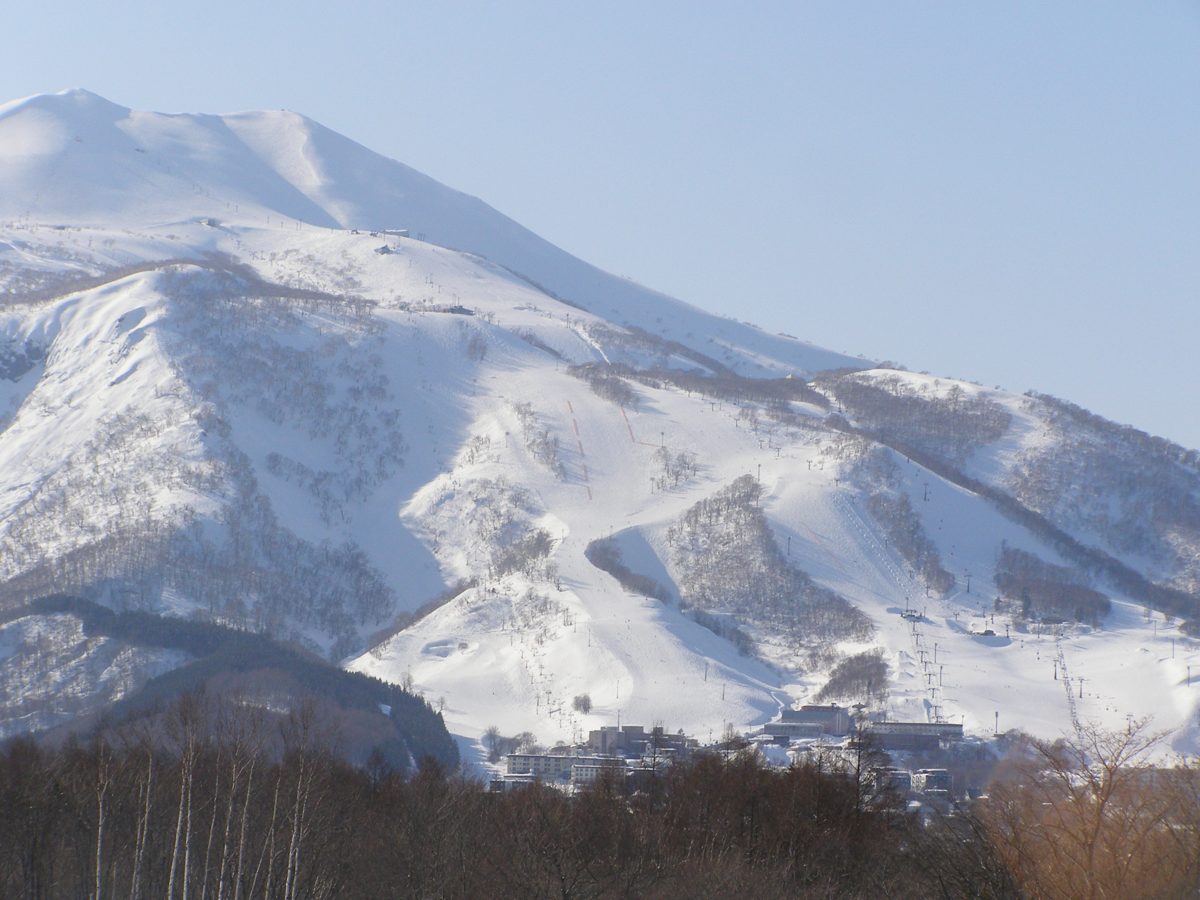
When is the onsen open?
14:00 to 1:00 and 4:00 to 10:00 every day, with saunas from 14:00 to 23:00 and 4:00 to 10:00. Each side has an indoor bath and an outdoor stone rotenburo fed by the hotel’s own spring, plus a sauna and cold plunge. The onsen page explains etiquette but says nothing about tattoos; our tattoo and onsen guide covers how to ask.
What are the damage and cleaning charges?
The terms are unusually explicit. Wooden floors scratched by ski boots or snow spikes are repaired at your cost with a minimum of 20,000 yen, and the hotel warns that in large rooms repairs can exceed 2,000,000 yen, so boots stay in the ski valet. Strong smells from grilling meat, perfume or incense that make the room unusable for the next guest cost at least 50,000 yen in cleaning. No open flames. Smoking anywhere in the hotel can get a group evicted without refund and costs at least one night’s full rate plus compensation to affected guests.
Parking, pets and payment
Winter parking is severely restricted, must be requested and confirmed for each booking, and is charged; street parking is illegal and cars are towed. In summer, outdoor spaces are free without booking and covered spaces are limited and bookable. No pets, inside, outside or in a parked car. The hotel is cashless: Visa, Mastercard and American Express. It lends no medicines under the Pharmaceutical Affairs Law and will point you to a pharmacy in Kutchan.
Lift passes, rentals, transfers and the airport
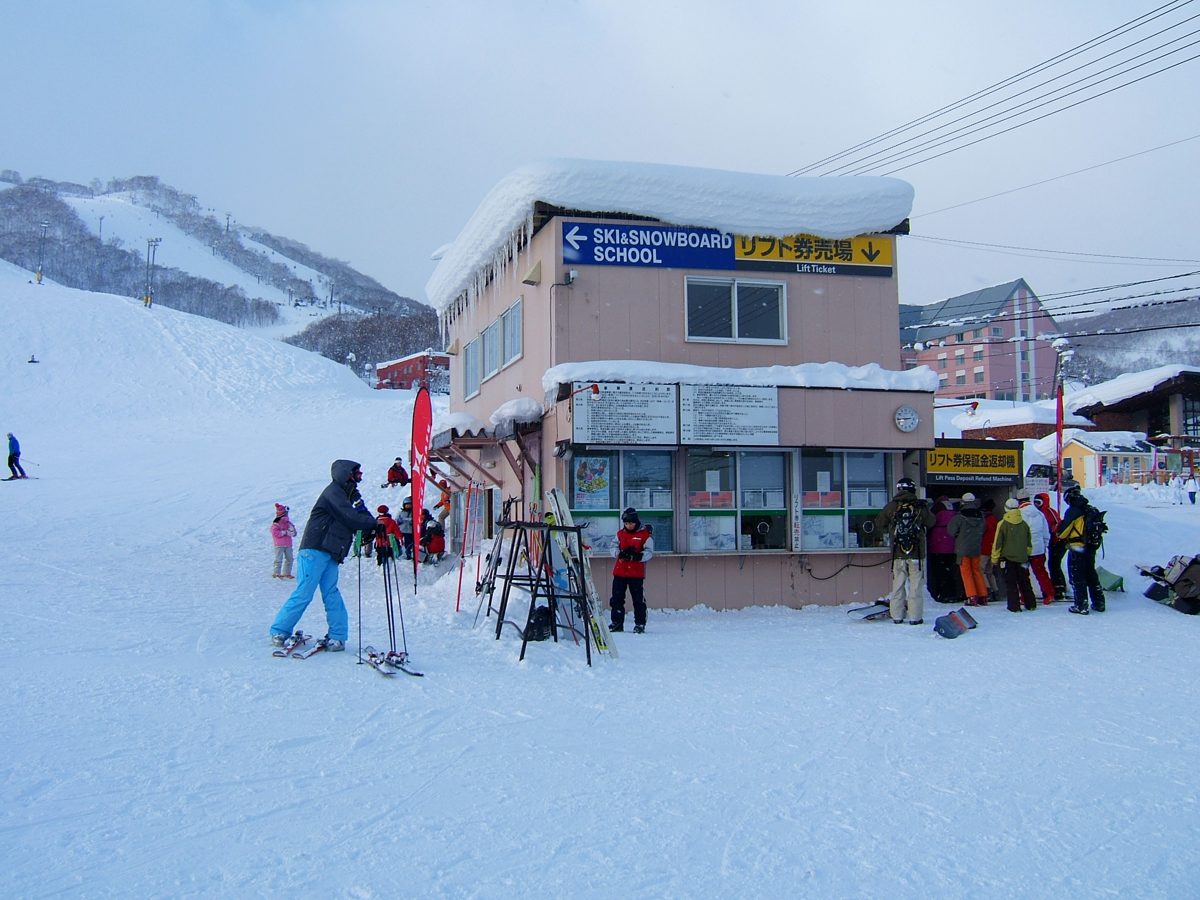
Should I buy lift passes through the hotel?
The price is the same as at the ticket office, so the point is skipping a queue the hotel says can run 30 to 40 minutes at peak. Pre-book at least 72 hours ahead and the passes are at the desk at check-in. Two rules matter: a Grand Hirafu pass cannot be upgraded to All Mountain later, and the day of your first scan counts as a full day even if it is 16:30. Passes run on consecutive days, except All Mountain passes of 8 days or more, which allow two rest days. Slightly cheaper All Mountain passes are sold on the Niseko United site with stricter terms. Our Hakuba lift pass guide shows how the other big resort handles the same questions.
Rentals, lessons and transfers
YamaSport, 130 meters away, delivers rental gear to the hotel’s ski valet and takes it back there, with a 48-hour minimum booking. Lessons are arranged through providers such as GoSnow, meeting at the ski valet (full-day and morning privates) or the King Gondola base; lift passes are never included. All resort services booked through the hotel are paid 7 days before arrival, canceled in full within 14 days of arrival unless the item says otherwise, and airport transfers need your flight details 14 days before. The concierge cannot book restaurants for you because most require a card to hold a table.
How do I get there?
New Chitose Airport is about 2.5 hours by car; the hotel recommends a private transfer, with the JR train to Kutchan Station or winter ski buses as the alternatives, and its concierge plans either. Our Sapporo map covers the city end of the journey, and the Japan skiing guide explains the ski-bus network.
Who Ki Niseko is for
Skiers who want the gondola at the door, an apartment kitchen and a real onsen, and who can commit to their dates two months out and keep their boots out of the room. If you need flexibility on dates, the 60-day line and the change-equals-cancel clause are the reasons to look at a hotel with Japanese-standard terms instead.
Frequently asked questions
What time is check-in and check-out at Ki Niseko?
What is the deposit and cancellation policy for a winter stay?
What about a summer stay?
How are children counted?
What deposits and damage charges apply at check-in?
When is the onsen open, and can children use it?
How do lift passes bought through the hotel work?
Is there parking, and are pets allowed?
Bottom line (2026). Check in from 15:00, out by 11:00. Winter bookings take a 20 percent deposit that becomes 100 percent non-refundable 60 days out; even an early cancellation costs 10,000 yen, and changing dates is a cancellation. Children 7 and over count; under 7 share a bed free. A 20,000-yen security deposit is held, and floor damage starts at 20,000 yen. Onsen 14:00-1:00 and 4:00-10:00. As of September 18, 2026.
Sources
Rules and figures are from Ki Niseko’s official site: the FAQ, the terms and conditions and the onsen page, read on September 18, 2026. Rates and rules change; confirm on the official site before you book.
Some links on this page may be affiliate links, which means we may earn a commission if you book or buy through them — at no extra cost to you. See our affiliate disclosure.
Tokyo to Osaka, Tokyo to Kyushu, Tokyo to Hokkaido — day by day — plus seven places most visitors never reach.
- 12 pages, 80 photographs, every stop linked to its guide
- Every price and opening hour read from the official page
- Re-issued monthly, so it does not go stale in your inbox
Free. One email a month, plus the rare change that matters. Unsubscribe with one click in any email. By subscribing you agree to our privacy policy.