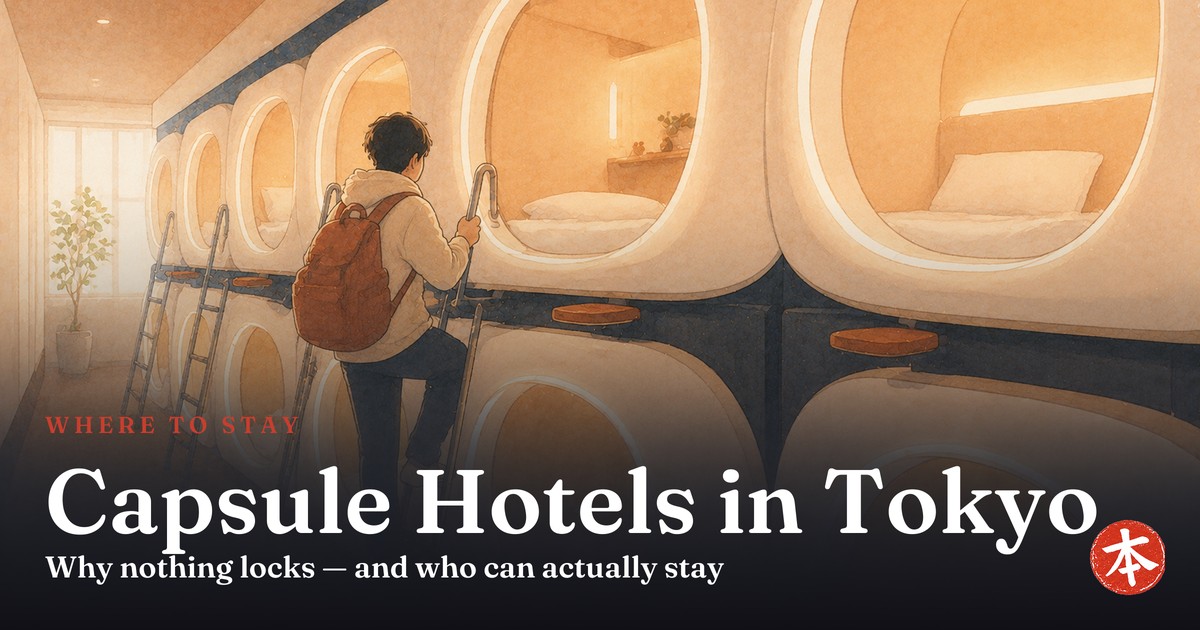
The capsule hotel is Japan's most photographed sleep, and its least understood system. The pods can't lock — by law, not oversight; the age rules differ sharply by chain; women-only buildings are now standard; and at the design-famous Nine Hours, even multi-night guests surrender their capsule for four hours a day. This guide covers the two chains that define the Tokyo scene — the minimalist and the maximalist — plus the legal architecture and etiquette that make the whole thing work, from official sources only.
Tokyo capsule chains at a glance
| Chain | Style | Age rule | The catch |
|---|---|---|---|
| Nine Hours (9h) | Design-minimal pods · 9 Tokyo-area sites (incl. women-only Kanda/Shinjuku · Narita T2 is in Chiba) | 6+ (conditions under 18) | Capsule floor closed 11:00–15:00 daily, even mid-stay |
| Anshin Oyado | Maximalist: onsen-style baths, sauna, free food & drinks · 3 men-only + 2 women-only buildings in Tokyo | Pages differ (18+ on store pages; conditions for under-18s in its FAQ) | "27-hour stay" = pod till noon, lounge till 15:00 · ¥250/15min overtime |
| First Cabin (cabin tier) | Stand-up cabins, real beds · 5 Tokyo branches | 13+ | Curtains not doors — see our separate guide |
| Legal constant: all are simple lodging under the Hotel Business Act → pods/cabins cannot lock · lockers hold valuables | |||
A night at Nine Hours, pod to checkout:
The law behind the curtain
Is a capsule hotel actually safe, then?
Statistically and structurally, yes — the system was engineered for lockless sleeping decades before hostels made it fashionable: staffed 24-hour desks, gender-gated floors, camera-covered corridors, and a locker culture guests actually use. Theft reports are rare enough that the chains lead with design and baths, not security promises.
What does "simple lodging" actually mean for your night?
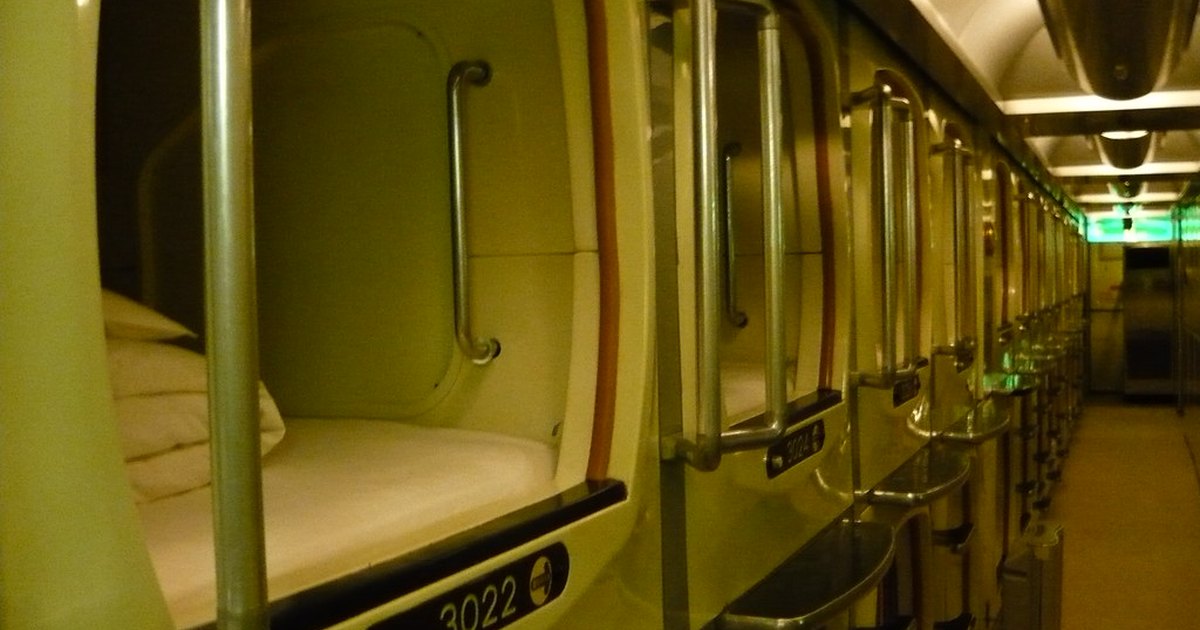
Japan's Hotel Business Act sorts all lodging into three licenses, and capsule hotels hold the kan-i shukusho (simple lodging) one — Tokyo's health bureau's own guidance literally names "so-called capsule hotels" as the category's example, defined by rooms shared among many guests. Every downstream oddity follows from that license: pods can't have locking doors (Nine Hours: "capsules themselves cannot be locked by law"; Anshin Oyado says the same and compensates with floor-level security gates), valuables live in lockers, and the "room" you buy is legally a berth in a dormitory with exceptional production values. The same license covers First Cabin's stand-up cabins — which is why their curtains can't lock either — and the practical answer to security anxiety is boring: nothing about the system depends on trust in strangers; it depends on lockers, cameras and staffed desks, and it works.
The two philosophies: 9h's subtraction, Anshin's addition
Which chain matches which traveler?
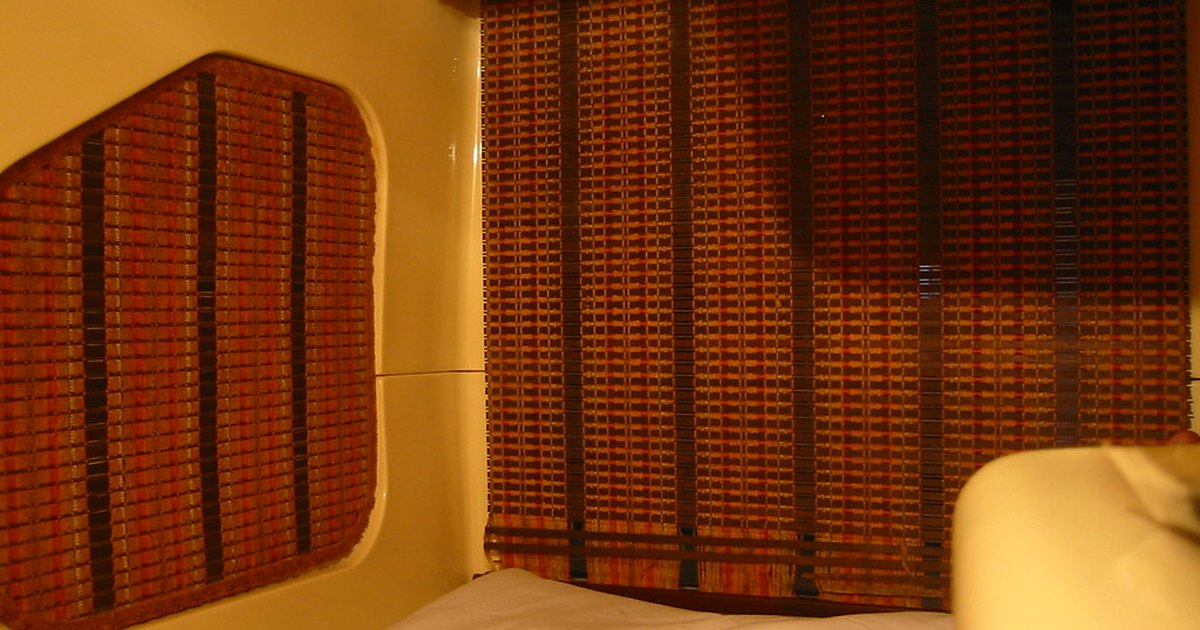
Nine Hours is the genre as design object: the official concept is literally arithmetic (1h shower + 7h sleep + 1h dress), the pods photograph like sci-fi, and select branches run an official sleep-checkup that reports on your night like a lab. Nine Tokyo-area sites include women-only buildings in Kanda and Shinjuku, a men's building at Shinagawa — and the "Narita" branch, directly connected to Terminal 2, which is in Chiba and magnificent for red-eyes. House rhythm: check-in 15:00–5:00, checkout 11:00, ages 6-up with guardian rules, and the honest quirk — capsule floors close 11:00–15:00 for cleaning even on multi-night stays. Anshin Oyado is the opposite bet: five Tokyo buildings split strictly by gender (including two women-only), and rates that bundle 200-plus freebies — artificial-onsen baths, sauna, breakfast curry, midnight ramen, a free drink wall — into what it calls a "27-hour stay" (pod till noon, baths and lounge till 15:00, then a ¥250-per-15-minutes meter). Minimalist reset versus capsule resort: know which night you're buying. Both undercut everything in our budget hotel guide on price, if not on lockable doors.
Booking and surviving the night
For a first-hand account, Ummi’s What It’s Really Like to Stay in a Capsule Hotel in Japan describes a capsule tall enough to sit fully upright, and leaving the curtain half open overnight because it felt stuffy fully closed.
Why does booking direct beat the aggregators here?
Because the perks live outside the price. Direct bookings unlock Anshin Oyado's noon early check-in and ride Nine Hours' own lowest-rate guarantee — and capsule inventory on aggregator sites often maps pod categories loosely, which is how travelers end up surprised by gender-floor assignments they'd have seen plainly on the official engine.
What do first-timers consistently get wrong?
Three things, per the chains' own rules. Booking direct matters: Nine Hours guarantees its lowest rate on its own site, Anshin Oyado's noon early check-in is a direct-booking perk, and both price dynamically — the fixed prices in old blog posts died with Anshin's May 2026 fee revision. Luggage logic: pods hold a day bag; suitcases live in lockers (Nine Hours stores bags on your check-in date only and not after checkout). The social contract: sleeping floors are silent zones — calls in the lounge, alarms on vibrate, curtains closed gently. Who should skip the genre entirely: couples wanting to sleep beside each other (gender-split floors forbid it), families outside each chain's age window, and anyone whose sleep breaks at hallway footsteps. For everyone else, it remains Tokyo's great lodging bargain and a legitimate cultural experience — the full tier list lives in the where-to-stay hub.
(For a bed in a bookshelf instead of a pod: our Book and Bed Tokyo guide covers a hostel where guests must be 3 or older and check-in is from 16:00.)
FAQ
Why don’t capsules lock?
Are capsule hotels men-only?
Can kids stay in a capsule hotel?
What does a night cost?
What’s the Nine Hours ‘reset’ system actually like?
What’s the deal with Anshin Oyado’s ’27-hour stay’?
Is there a curfew — and can I come and go?
Capsule or cabin — which should a first-timer book?
What’s the one-night etiquette cheat sheet?
Bottom line (2026) — Tokyo capsule-hotel pods cannot lock because of Japan’s lodging law (not fire codes), and age limits differ wildly by chain – 6+, 13+, or 18+ on some pages. Women-only floors and buildings are now standard, and at Nine Hours, even multi-night guests leave their capsule during the cleaning window. Nine Hours, Anshin Oyado and First Cabin each state the no-lock rule in their own words.
Sources
Legal classification and category definition: Japan's health ministry (MHLW) hotel-business pages and Tokyo Metropolitan Government health bureau guidance. No-lock statements: Nine Hours', Anshin Oyado's and First Cabin's official sites, each in its own words. Nine Hours concept, locations (via its official booking API), hours, age rules, cleaning window and luggage policy: ninehours.co.jp. Anshin Oyado buildings, gender designations, 27-hour system details, age floor, overtime rate, freebie count and cancellation terms: anshin-oyado.jp. All read on August 19, 2026. Prices are dynamic (and recently revised at Anshin Oyado) and are not quoted. The embedded video is by its creator.
Some links on this page may be affiliate links, which means we may earn a commission if you book or buy through them — at no extra cost to you. See our affiliate disclosure.
Tokyo to Osaka, Tokyo to Kyushu, Tokyo to Hokkaido — day by day — plus seven places most visitors never reach.
- 12 pages, 80 photographs, every stop linked to its guide
- Every price and opening hour read from the official page
- Re-issued monthly, so it does not go stale in your inbox
Free. One email a month, plus the rare change that matters. Unsubscribe with one click in any email. By subscribing you agree to our privacy policy.