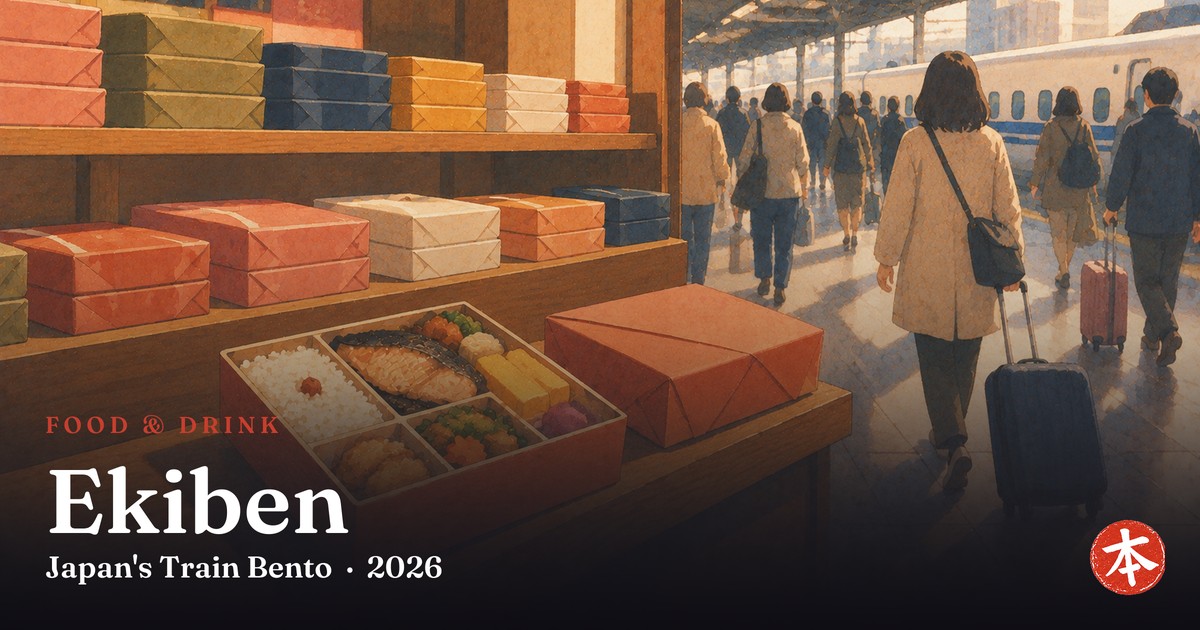
The ekiben is Japan's great travel meal: a regional feast in a box, engineered for a tray table at 285 km/h. And in 2026 it carries a practical urgency most guides miss — the Tokaido shinkansen's food cart is gone (trolley sales ended October 2023), so the station bento hall is no longer atmosphere, it's the only meal plan. Here's the culture: Tokyo Station's 150-variety festival shop open from 5:30 a.m., the pull-string boxes that heat themselves, the ¥1,180 legend from Yokohama, and the etiquette nobody writes down — all from official sources.
Ekiben at a glance
| Item | Official answer (Aug 2026) |
|---|---|
| Tokyo Station | Ekiben-ya Matsuri (Gransta, 1F central passage, inside gates) · 5:30–22:00 daily · 150+ varieties |
| Other hubs | Shin-Osaka "Ekiben Nigiwai" 6:30–22:00 · Kyoto 7:00–21:30 · Shinjuku "Itadaki" & Matsuri Select |
| The classics | Shiumai Bento ¥1,180 (since 1954) · Toge no Kamameshi ¥1,400 (since 1958) · Hipparidako-meshi ¥1,480 |
| Self-heating | Pull-string steam heaters (Awajiya's "Atchitchi" line, ¥1,680–1,780) — an official association category |
| 🚨 Onboard reality | Tokaido shinkansen cart sales ended Oct 31, 2023 · now Green Car mobile order only (Nozomi/Hikari) → buy before boarding |
| Shelf life | Same-day food — follow each box's label (sold at ambient temperature) |
Shopping the Tokyo Station hall, shelf by shelf:
The hall: how to shop Matsuri like you've done it before
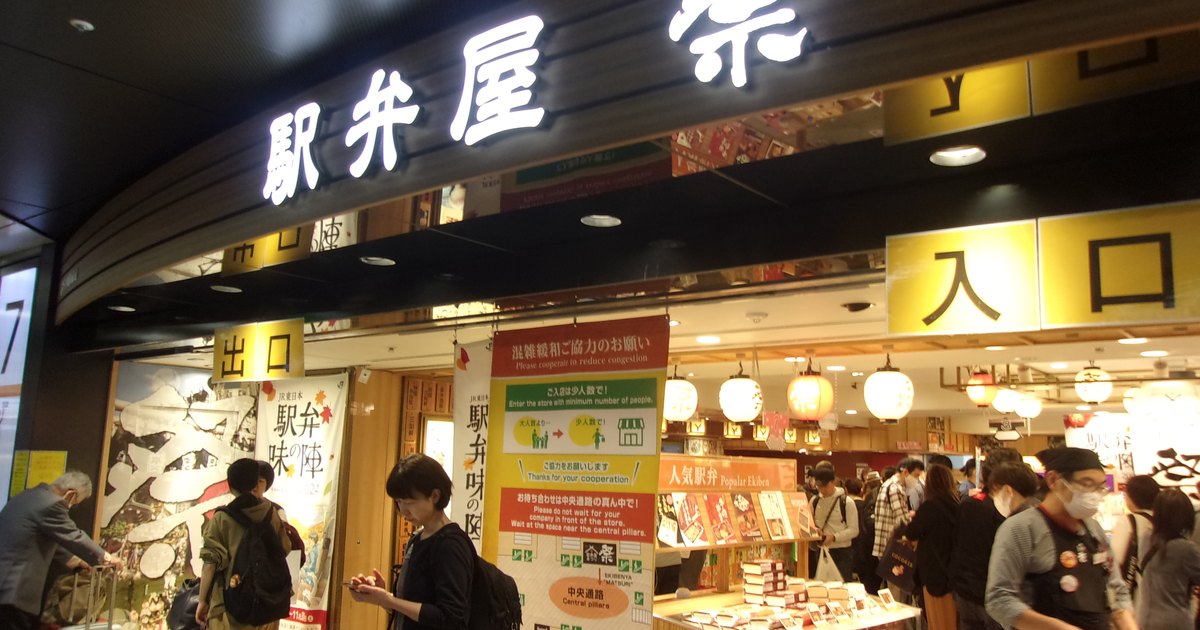
What's the winning strategy in a 150-bento wall?
Arrive with your platform time minus fifteen minutes, and shop by region, not by photo. Matsuri — inside Tokyo Station's gates on the central passage, open 5:30 to 22:00 — arranges Japan in boxes: Hokkaido crab and salmon, Tohoku beef tongue, Hokuriku seafood, the Yokohama and Kobe legends. The connoisseur's move is buying the region you're not traveling to — headed west on the Tokyo–Kyoto shinkansen, take a northern box the trip won't otherwise give you. Two structural notes from the official pages: the count is "150-plus" now (the "200" in older articles has quietly deflated), and the Matsuri Select satellite by the northern-shinkansen transfer gate covers late deciders. The little ekiben trademark logo on a sleeve means the maker belongs to the national station-catering association — the closest thing the genre has to an appellation. One thing you won't find officially published: crowd calendars. The 5:30 opening exists for the first-Nozomi crowd; shop early and the wall is yours.
The boxes: legends, pots and pull-strings
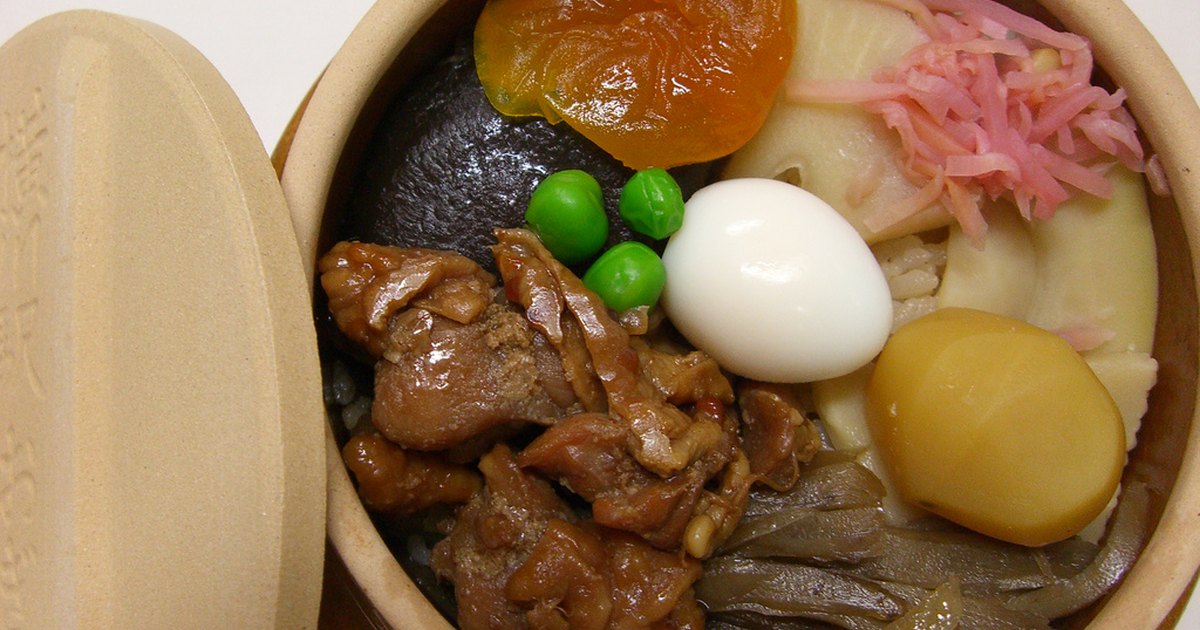
Why do the containers matter as much as the food?
Because half the genre's pleasure is the object: the kamameshi's ceramic pot cooks a perfect cup of rice at home for years afterward, the tako jar becomes a pen holder in a thousand offices, and collectors trade regional boxes like vinyl. Makers know it — containers are the franchise — which is why the memorable ekiben cluster at the ¥1,400–1,500 mark rather than the floor.
Which ekiben are actually worth planning around?
Three carry genuine history at friendly prices. Kiyoken's Shiumai Bento (¥1,180) — Yokohama's pork-dumpling box, unchanged in spirit since 1954 and a masterclass in cold-eating engineering (the company sells it at ambient temperature by design). Toge no Kamameshi (¥1,400) — chicken and mountain vegetables in a real ceramic pot, sold at Yokokawa since 1958, roughly 170 million served, and the pot goes home as a souvenir rice cooker. Hipparidako-meshi (¥1,480) — octopus and anago over rice in a tako-trap jar, invented for the 1998 Akashi Kaikyo Bridge opening and now Kobe's edible mascot. The genre's party trick is the self-heating box: pull the string, a chemical element steams the meal hot in minutes — Awajiya's "Atchitchi" sukiyaki and crab versions (¥1,680–1,780) are the reference, and the association lists heated ekiben as its own official category. Pair any of them with the pre-boarding ritual in our Tokyo Station food guide — ramen down, bento up.
The 2023 rule change that reordered everything
What's the ideal timing between shop and seat?
Fifteen minutes covers the whole ritual at Tokyo Station: five to shop Matsuri, five for platform logistics, five of margin. Buy your drink at the same time — platform machines cluster near car positions but sell out of tea on peak mornings — and if the box is a self-heater, pull the string on the platform so the steam show happens before the doors close. Unwrap after departure; the first minutes out of Tokyo are the traditional opening ceremony.
Why is "buy before boarding" now non-negotiable?
Because the cart is history: JR Central ended trolley sales across the Tokaido shinkansen on October 31, 2023, citing (among other things) passenger preference for quieter cars — and the replacement, a mobile-order service, covers Green Car passengers only on Nozomi and Hikari, with nothing at all on Kodama or in ordinary cars. The company's own guidance points everyone else to station shops and platform vending machines. Practical consequences: the ekiben hall is now part of your boarding schedule, not a detour; platform kiosks thin out fast at peak; and the same-day rule matters — boxes are ambient-temperature food with short label windows (Kiyoken's own pickup guarantee runs about two hours), so buy for this ride, not tonight's hotel. Onboard manners are unwritten but stable: long-distance trains with tray tables are ekiben territory, pungent choices earn side-eyes, and trash leaves with you. Dated system changes like the cart's end live on our changes tracker. For the deepest dive, January brings Keio Shinjuku's annual ekiben fair — about 380 varieties, held every year since 1966.
(Buy at the station, because the trolley barely exists any more — our shinkansen map guide has the current onboard-sales picture.)
FAQ
What exactly is an ekiben?
Where do I buy ekiben at Tokyo Station?
Can’t I just buy food on the shinkansen?
How much does an ekiben cost?
What are the self-heating ekiben?
When did ekiben start?
How long does an ekiben keep — can I save it for the hotel?
Is it okay to eat on Japanese trains?
Where else can I experience ekiben culture?
Sources
Matsuri's location, hours and variety count: JR East Cross Station's and Gransta's official shop pages (an official English page also exists). Shin-Osaka, Kyoto and Shinjuku shop details: JR West Food Service Net's and JR East Cross Station's official pages. History, the four founding claims, Ekiben Day and the trademark system: the Japan Railway Station Concessionaires Association's official pages. Prices and product histories: Kiyoken's, Oginoya's and Awajiya's official pages (Oginoya's October 2024 revision notice included). The cart-sales termination and Green Car mobile order: JR Central's official press release and current service pages. The Keio fair: the store's official event pages. All read on August 20, 2026. The embedded video is by its creator.
Tokyo to Osaka, Tokyo to Kyushu, Tokyo to Hokkaido — day by day — plus seven places most visitors never reach.
- 12 pages, 80 photographs, every stop linked to its guide
- Every price and opening hour read from the official page
- Re-issued monthly, so it does not go stale in your inbox
Free. One email a month, plus the rare change that matters. Unsubscribe with one click in any email. By subscribing you agree to our privacy policy.