APA is the hotel chain you cannot avoid in urban Japan — a 1,000-plus-property network whose corporate line is simply "Japan's largest hotel chain" — and the one travelers argue about most. The rooms are small on purpose (the brand's own page frames it as a carbon decision), the beds and TVs are deliberately oversized inside them, check-in takes literally one second with the app, and about 65 properties hide grand bath halls the rest lack. Here's how to use the machine well, from official pages.
APA at a glance
| Item | Official answer (Aug 2026) |
|---|---|
| Scale | 1,000+ hotel network (incl. franchise/partner; JP site: 1,031 hotels / 133,053 rooms, Apr 2026) · "Japan's largest hotel chain" per corporate site |
| The rooms | Compact by stated design (CO2 rationale) · brand page: 140cm+ "Cloud Fit" beds · 50-inch TVs · egg-shaped tubs |
| Location | Avg 2 min 30 sec walk from nearest station (Tokyo-area average, official) |
| Check-in tech | 1-second check-in (app prepay + QR machine) · express-box checkout · 15:00 in / 10:00 out |
| Cancellation | Standard plans: free until the day before · same-day/no-show 100% · 🚨 special/event plans override |
| Big baths | ~65 properties with "Daiyokuden" halls · official search has a filter · most APAs: in-room tub only |
A standard APA single, wall to wall:
The small-room doctrine, read fairly
What did APA actually optimize for?
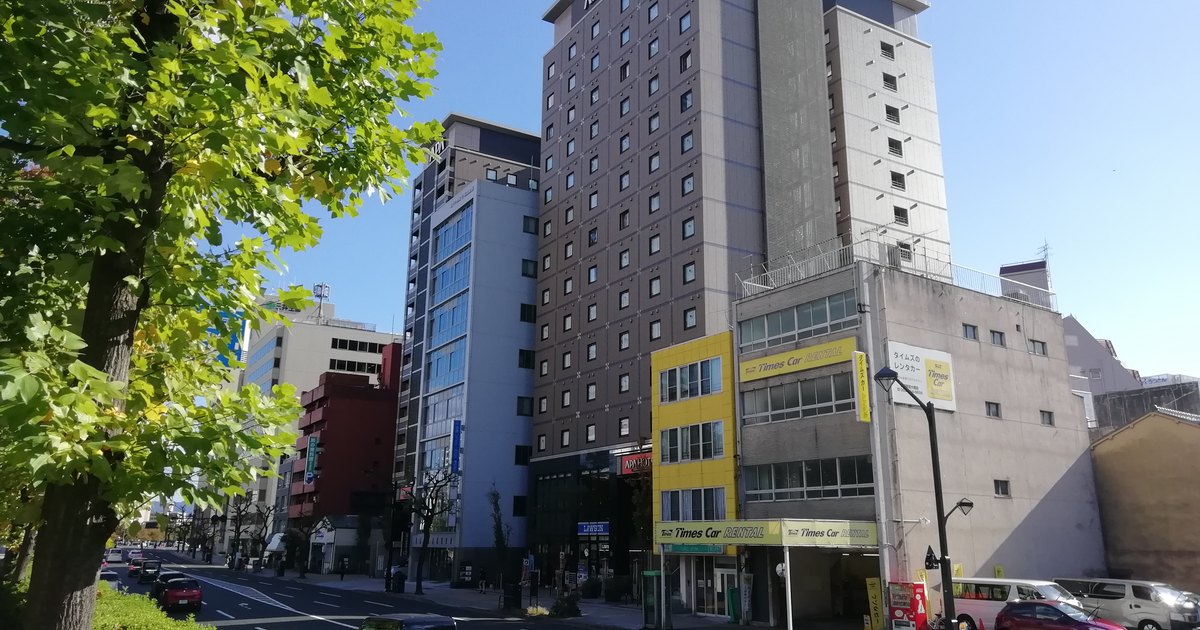
Density and sleep, by its own account. The official "New Urban Style" brand page makes the case without blinking: rooms are "not needlessly cramped… smaller on purpose", cutting per-room carbon by a claimed third versus typical city hotels — and into that footprint APA packs the parts that matter at 11 p.m.: the house-developed Cloud Fit bed at 140cm-plus wide (wider than many mid-range doubles), a 50-inch TV you can watch from the pillow, the signature egg-shaped tub, free VOD, and a bathroom with a bidet seat as standard (specs per the brand page — APA's own description, which we'd rather attribute than assert). Add the location doctrine — 2 minutes 30 seconds average to the nearest station in greater Tokyo — and the design brief is obvious: you're meant to be out in the city, then asleep, and almost never standing in the middle of the room wondering about square meters. Judge it as a sleeping machine near a station and it scores; judge it as a living room and you booked the wrong product.
The tech: Triple One and the art of never queuing
Do the giant APAs feel different from the small ones?
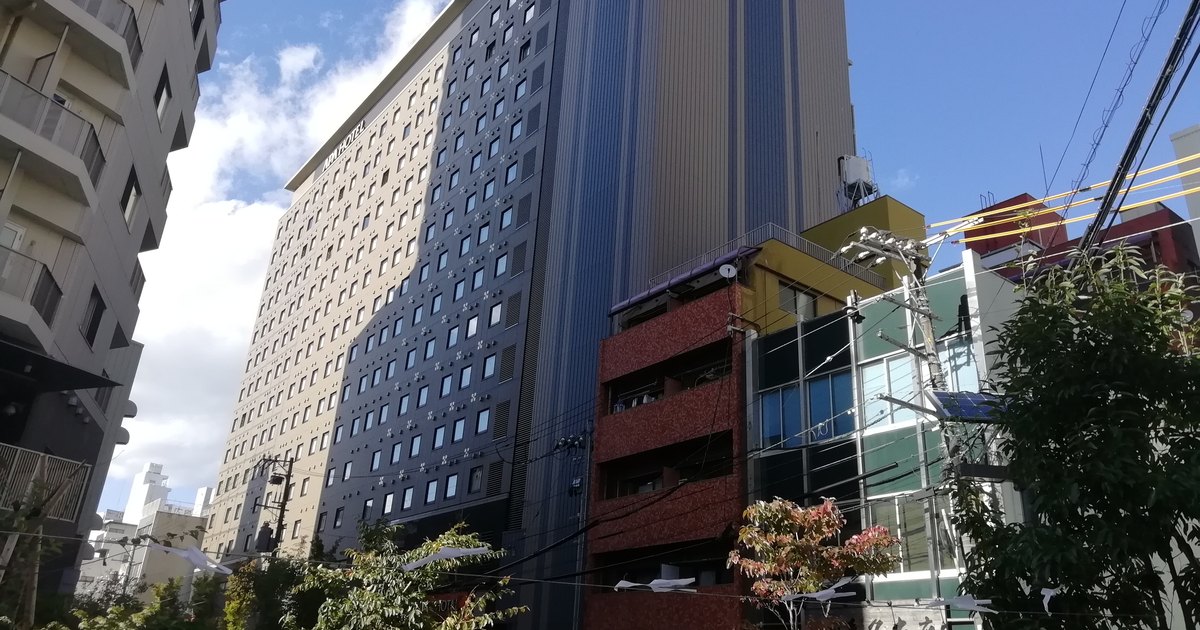
Substantially. The mega properties — Yokohama Bay Tower's 2,311 rooms, the 50-story Makuhari — run like vertical villages: multiple restaurants, big bath halls, convenience stores in the lobby, and elevator logistics worth planning around at checkout hour. The classic small urban APA is the opposite creature: a slim tower, a two-person front desk, and nothing between you and the station but a crosswalk. Same room DNA, very different stays — pick by whether you want facilities or frictionlessness.
How does the one-second flow actually work?
Three official steps collapse the entire hotel transaction. Book and pay in the app (room selectable at booking); at the hotel, tap your member QR on the 1-second check-in machine beside the desk — the key comes out; leave by dropping the key in the express checkout post if nothing's owed. No lines at 15:01, no lines at 9:59 — which, at hotels this size, is a genuine amenity. Non-members aren't locked out: online-paid bookings get a web-check-in QR, and OTA bookings from major platforms can use a guest online check-in on arrival day. The points layer is simple enough to bother with (5,000 points = cash back, app-only booking step bonuses), and the app's 7 million downloads — the corporate site's number — says most regulars already voted. One planning note: rates are fully dynamic, so the same room swings widely with city demand; APA's own "book direct, lowest price" framing is where to start comparing, not finish.
Choosing your APA: baths, giants and the fine print
What surprises first-time foreign guests most?
Four small collisions with the system, all solvable in advance. The 10:00 checkout arrives an hour before instinct says it should. The room door opens to a bed that nearly fills the room — put the big suitcase on the luggage stand before exploring. Passports get scanned at check-in for non-residents (law, not policy). And payment happens up front at check-in — cash, cards, e-money and mobile payments all work, but the transaction comes before the room key, not after the stay.
How do you pick well inside a 1,000-hotel menu?
Filter, don't browse. The official search's big-bath filter separates the ~65 Daiyokuden properties (artificial mineral-spring "Gen'yo no Yu" halls at many; a 21st-floor open-air bath at Shinagawa Sengakuji; real onsen at a handful) from the in-room-tub majority — the single highest-impact choice for tired-legs travel. The tower and mega properties (Yokohama Bay Tower's 2,311 rooms; the 180m Makuhari) trade intimacy for facilities and views. And read the plan label before trusting the famous flexibility: the default free-until-the-day-before cancellation belongs to standard individual plans, while event-period and discount plans carry their own rules, stated at booking. Where APA fits the bigger picture: against Toyoko Inn's inclusions-first model in this tier, and within the full spread of our Tokyo budget guide and where-to-stay hub.
FAQ
How big is the APA chain?
Are APA rooms really that small?
What is the one-second check-in?
What are check-in and check-out times?
What’s the cancellation policy?
Which APA hotels have the big communal baths?
Is breakfast included?
Should I book through the APA app or an OTA?
APA or Toyoko Inn — which budget chain fits me?
Bottom line (2026) — APA runs a 1,000-plus hotel network on a deliberate bet — rooms engineered small (the chain calls it a carbon choice), beds and TVs engineered big, and locations averaging 2.5 minutes from stations. Check-in takes one second with the app, and cancellation is free until the day before — usually. Expect a tight room, not a lounge.
Sources
Network figures and definitions: APA's official Japanese site header (April 2026), English site, and corporate "by the numbers" recruitment page (October 2025) — each figure attributed to its scope and date. Room philosophy and specs: the official brand page (2024 edition, attributed accordingly). Check-in system: official feature pages and member pages (May 2026). Times, fees, co-sleeping and luggage rules: the official English support FAQ. Cancellation table: the official accommodation contract, Japanese and English. Grand-bath count and names: the official spa feature and search filters. All read via archived snapshots of the official site on August 20, 2026. The embedded video is by its creator.
Some links on this page may be affiliate links, which means we may earn a commission if you book or buy through them — at no extra cost to you. See our affiliate disclosure.
Tokyo to Osaka, Tokyo to Kyushu, Tokyo to Hokkaido — day by day — plus seven places most visitors never reach.
- 12 pages, 80 photographs, every stop linked to its guide
- Every price and opening hour read from the official page
- Re-issued monthly, so it does not go stale in your inbox
Free. One email a month, plus the rare change that matters. Unsubscribe with one click in any email. By subscribing you agree to our privacy policy.