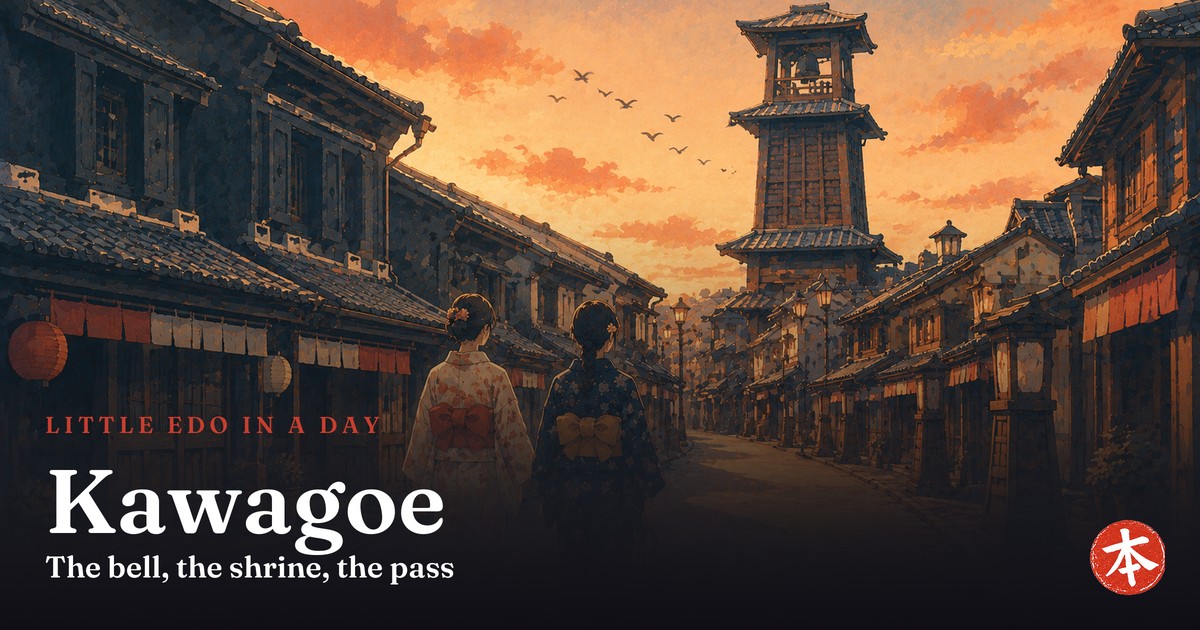
Kawagoe's pitch is almost unfair: the Edo-period streetscape Tokyo lost to fires and progress survives intact 26 minutes from Ikebukuro — a boulevard of black clay-walled merchant warehouses, a 16-meter bell tower that rings four times a day, a candy alley from the Meiji era, and a 1,500-year-old shrine that spends each summer under two thousand glass wind chimes. "Little Edo" is the rare nickname that undersells. Here's the full day by official sources — trains, the two passes that still exist, the bell times, and what each gate charges.
Kawagoe at a glance
| Stop | Official facts | Cost |
|---|---|---|
| Kurazukuri Street (Ichibangai) | National preservation district since 1999 · 30-odd clay warehouses · Osawa House (1792, Important Cultural Property) | Free to walk |
| Toki no Kane bell | ~16 m, 4th generation (post-1893 fire) · rings 6:00 / 12:00 / 15:00 / 18:00 | Free (exterior) |
| Hikawa Shrine | Wind chimes Jun 27–Sep 6, 2026 · main hall an ICP since May 2026 · prayers 9:00–16:00 | Grounds free |
| Kitain Temple | Edo Castle rooms + 538 Rakan statues · seasonal hours, listed closures | ¥400 / ¥200 |
| Kashiya Yokocho | ~30 candy shops · official "100 Scent-scapes" pick | Pocket change |
The warehouse street, the bell and the alley in motion:
Getting there: three railways and two real passes
Which line — and which pass — fits your day?
From Ikebukuro, the Tobu Tojo Line's Kawagoe Limited Express does it in as little as 26 minutes — the fastest door. From Seibu-Shinjuku, the Koedo limited express takes about 44 minutes but lands at Hon-Kawagoe, the station closest to the old town. JR's Saikyo/Kawagoe Line runs about 50 minutes from Shinjuku (20 from Omiya) for Saitama-side itineraries. The pass math, from the operators' current English pages: Tobu's Kawagoe Discount Pass Premium (¥1,200 adult, ¥600 child) bundles the Ikebukuro round trip with unlimited rides on designated Tobu buses — including the Koedo Loop that links the sights — plus shop discounts; buy digital or at the Ikebukuro tourist center. Seibu's Kawagoe Pass (¥1,000, or ¥1,500 with buses) is round-trip-only, same-day-only, and restricted to non-Japanese passport holders — everyone's passport checked at purchase. One caution from the official record: the cheaper non-Premium Tobu pass is gone from the ticket lineup, so the ¥950 figure in older guides buys nothing in 2026.
The old town: what the fire spared and the town preserved
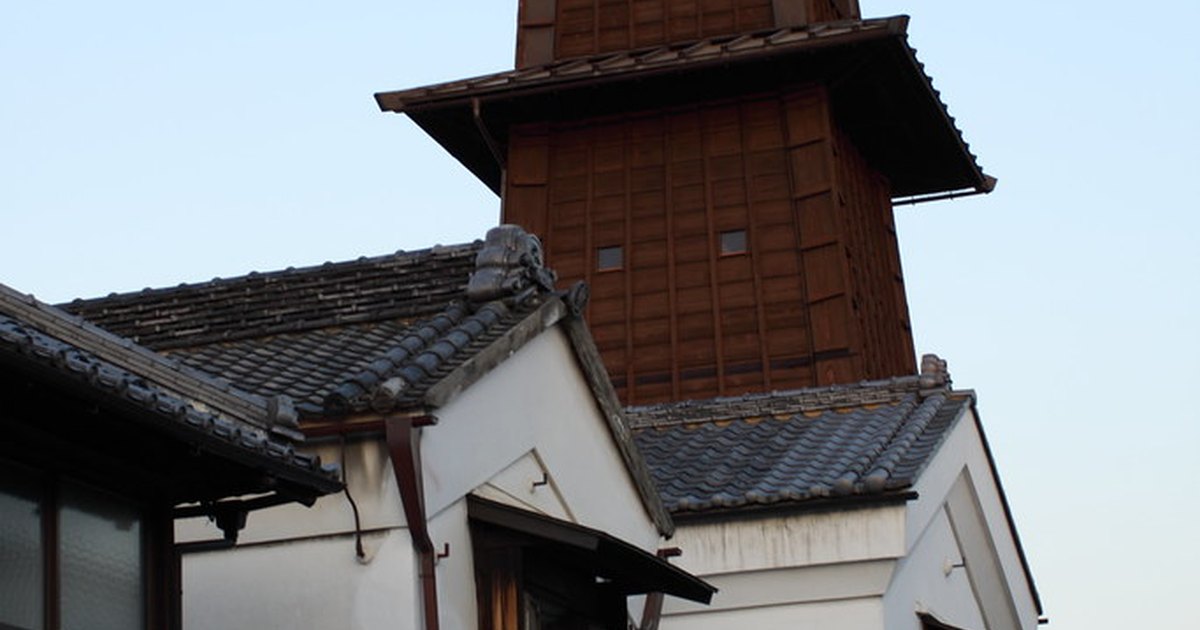
Why does Kawagoe look like this when Tokyo doesn't?
The paradox is the point: the 1893 fire that leveled a third of the town convinced its merchants to rebuild in kurazukuri — fireproof clay-walled warehouse style — just as Tokyo was abandoning it, and about 30 of those buildings still line Ichibangai, a nationally designated preservation district since December 1999. The senior citizen is Osawa House (1792), a nationally designated Important Cultural Property that predates the fire itself. Overhead, the Toki no Kane — the fourth tower on the spot, raised right after the fire — still marks the town's day at 6:00, noon, 15:00 and 18:00; stand on the narrow lane beneath it for one of the four and you'll understand why the sound made the national soundscape list. One street south, the Taisho Roman Yume-dori switches eras — granite paving and early-20th-century facades, arcade-free since 1995 and a regular film location. For how this day compares with the region's other escapes, our day-trips hub ranks them all.
Hikawa Shrine and Kitain: the ticketed hour
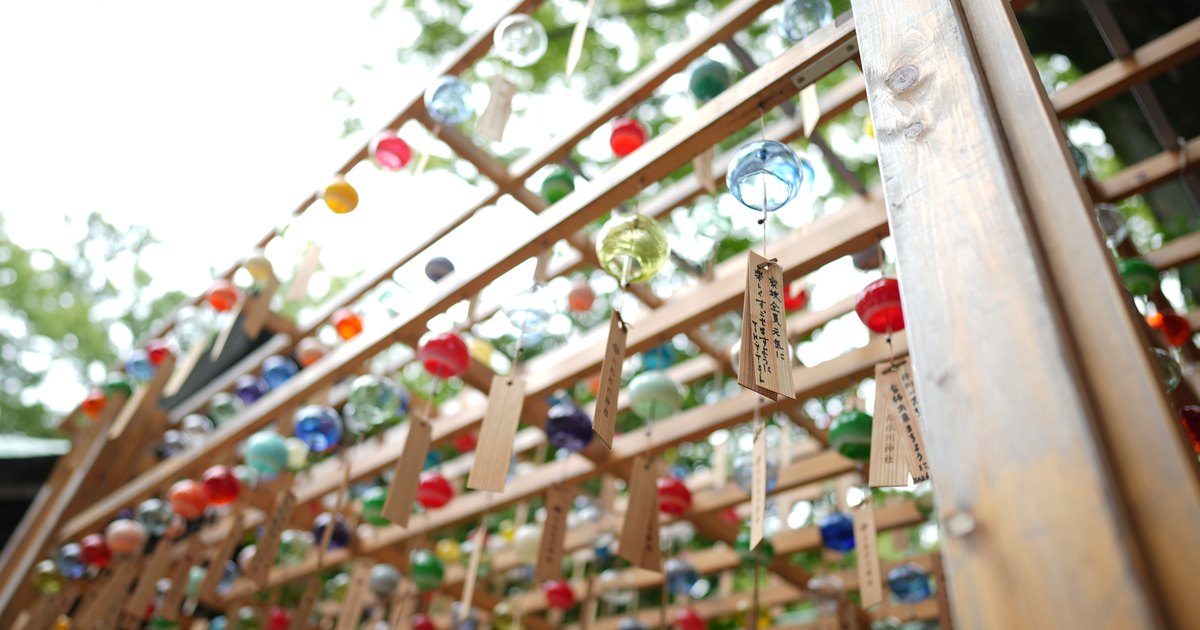
What do ¥0 and ¥400 buy?
Hikawa Shrine asks nothing at the gate. By its own account it has stood about 1,500 years (tradition dates it to 541), it received Important Cultural Property status for its main hall in May 2026, and each summer it strings roughly 2,000 Edo glass wind chimes across the grounds — June 27 to September 6 in 2026, dates that reset annually. The famous fish-shaped fortune slips are real; details beyond that live on seasonal pages, so we'll leave the surprise intact. Kitain charges ¥400 (¥200 for students) for the best indoor hour in town: rooms moved here from Edo Castle — the shogun Iemitsu's birth chamber among them — and the 538 stone Rakan statues, every expression different, one allegedly matching your own face if you search honestly. Hours run seasonally (9:00–16:30 weekdays in the warm months, tighter in winter) with listed closures — late December to January 8, plus event days — so the official calendar is the final word.
For a first-hand account, Kelly and Mike’s Kawagoe Day Trip on Passport Nomads follows their roughly five-hour visit, starting at Hikawa Shrine and fishing for one of its little sea bream fortunes.
The kimono move — and the sweet-potato economy
What does dressing the part actually cost?
Kawagoe is the Tokyo region's easiest kimono town: flat, compact, photogenic at every corner. Koto publishes its prices: from ¥3,190 reserved ahead (full sets with hair styling ¥3,850 including tax, back by 17:30). Other shops on the Taisho Roman street set their own prices, so check before you go and book the morning slot. Fuel the walk on the local staple: sweet potato, in every form the town can fry, candy or brew, densest in Kashiya Yokocho's ~30 shops. Sister day-trips for your shortlist: Kawaguchiko for the Fuji version of a perfect day, and Atami for the onsen-coast version. Dated changes to any of it — passes included — land on our 2026 tracker.
FAQ
How do you get to Kawagoe from Tokyo?
Is there a Kawagoe discount pass in 2026?
What is the Toki no Kane bell tower — and can you climb it?
When is the wind-chime festival at Hikawa Shrine?
How much is Kitain Temple, and what’s inside?
What is Kashiya Yokocho (Penny Candy Alley)?
Should I rent a kimono in Kawagoe?
How long does Kawagoe take — half day or full day?
Is Kawagoe worth it compared to other Tokyo day trips?
Bottom line (2026) — Kawagoe sits 26 minutes from Ikebukuro and delivers an Edo-era streetscape, a 16-meter bell tower that still rings four times a day, a candy alley and a shrine strung with two thousand wind chimes each summer. Plan around the Kawagoe Discount Pass Premium on Tobu — the non-Premium pass no longer appears on Tobu’s official English pages — or the Seibu Kawagoe Pass, which carries a passport restriction.
Sources
Train times and town facts (bell times and history, preservation district, Osawa House, candy alley): the Koedo Kawagoe Tourism Association's official pages. Kawagoe Discount Pass Premium: Tobu Railway's official English ticket pages (where the non-Premium pass no longer appears). Seibu Kawagoe Pass and its passport restriction: Seibu Railway's official English page. Wind-chime dates, shrine history and the May 2026 ICP designation: Kawagoe Hikawa Shrine's official site. Admission, seasonal hours and closures: Kitain's official visitor page. Taisho Roman street history: the street association's official site. Kimono prices: Koto's official price page (rechecked October 7, 2026). All read on August 17, 2026. Rail fares are not quoted; check the operators. The embedded video is by its creator.
Some links on this page may be affiliate links, which means we may earn a commission if you book or buy through them — at no extra cost to you. See our affiliate disclosure.
Tokyo to Osaka, Tokyo to Kyushu, Tokyo to Hokkaido — day by day — plus seven places most visitors never reach.
- 12 pages, 80 photographs, every stop linked to its guide
- Every price and opening hour read from the official page
- Re-issued monthly, so it does not go stale in your inbox
Free. One email a month, plus the rare change that matters. Unsubscribe with one click in any email. By subscribing you agree to our privacy policy.