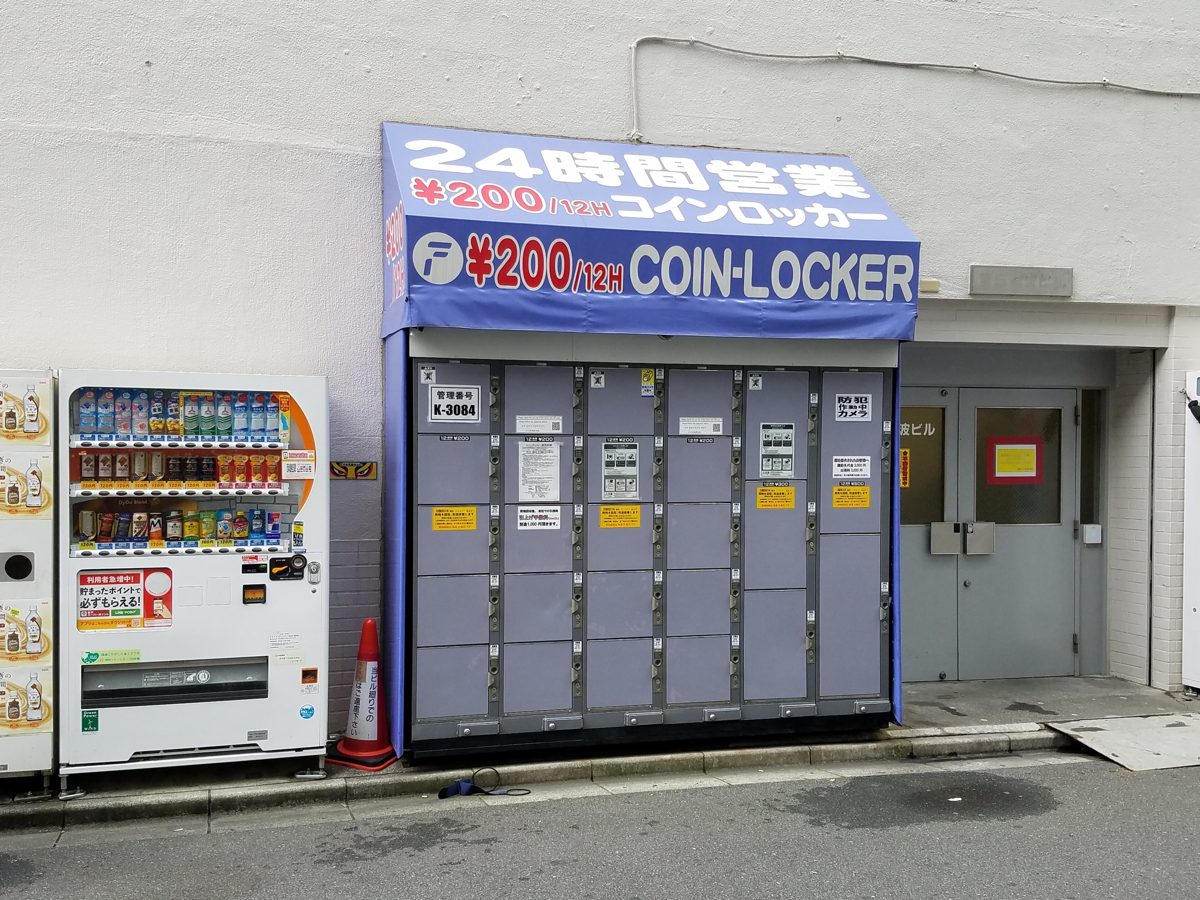
You have checked out, your flight is at night, and you want a few hours in Tokyo without a suitcase. Coin lockers in Tokyo are everywhere, but the big ones fill up, prices change from station to station, and many take only cash or only an IC card. This guide lists the large locker banks and staffed counters at the stations you are most likely to pass, how to check which lockers are free before you arrive, and what to do when they are all full.
For storage across Japan, see our luggage storage guide; to send bags ahead, our luggage forwarding guide.
Tokyo coin lockers at a glance
| Operator | Sizes and price per day | Payment | Limit |
|---|---|---|---|
| JR East stations | 300 / 500 / 700–800 / 900–1,000 yen | Many cash-only or IC-only | Not stated |
| Multi eCube (JR East group) | From 300 yen; M and L +100–200 yen at peak times | IC, QR, cards | 3 days |
| Tokyo Metro | 300 / 500 / 600 / 900 / 1,000 yen | As shown on the locker | 4 days |
| Tokyu (Shibuya and others) | 300 / 500 / 600 / 900 yen; some vary by season | Coins on some | 3 days |
From JR East’s travel magazine, Metro Commerce and Tokyu, read October 9, 2026. JR East says prices vary by location and locker type.
How Tokyo coin lockers work
How do I pay?
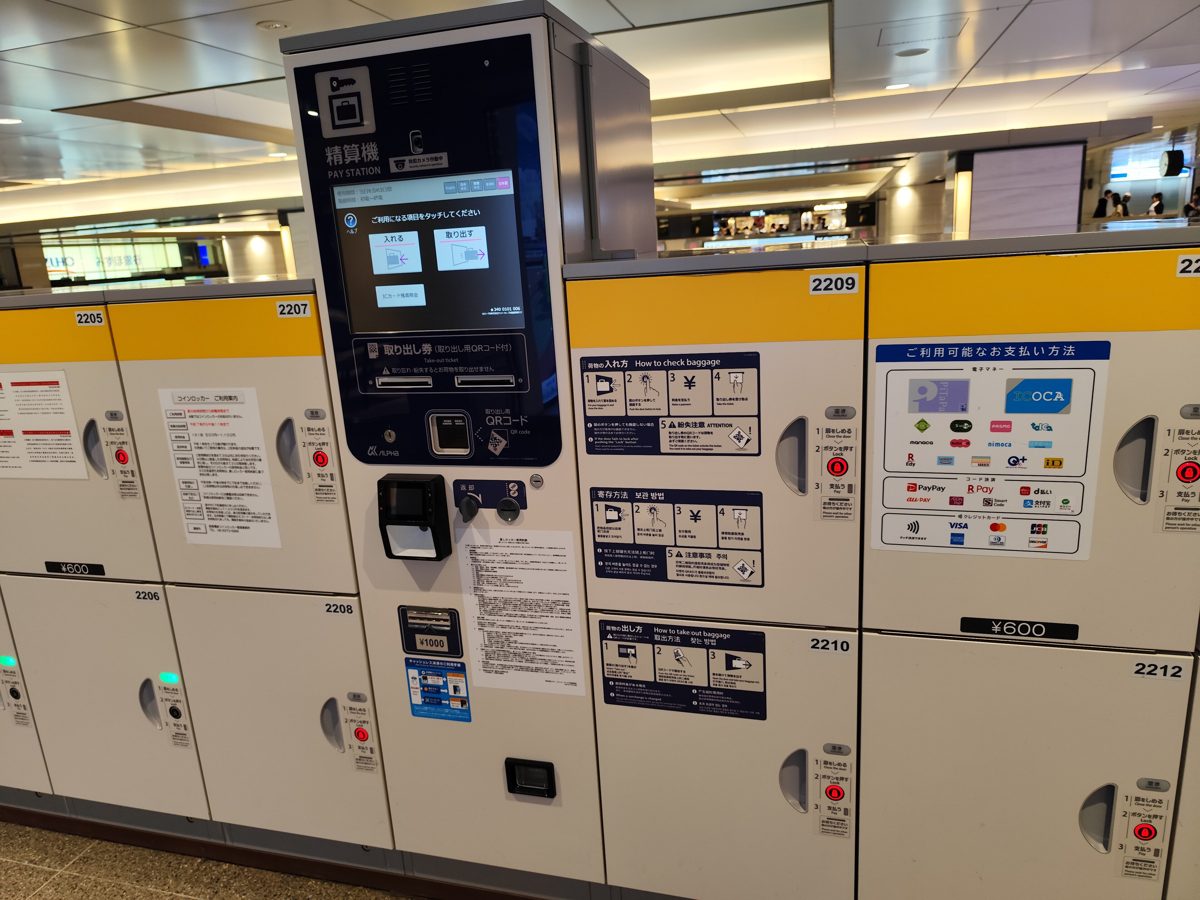
This is where most people get stuck. JR East’s own magazine says that many lockers take only cash or only transport IC cards, which is why it singles out Multi eCube, the JR East group’s lockers that also take QR code payments (including Alipay and WeChat Pay) and Visa, JCB, Mastercard and American Express. Tokyo Metro’s terms say you pay by whatever method the locker shows. Carry some 100-yen coins and a loaded Suica or other IC card, and you can use almost any locker.
When does a new day start?
Not at midnight. Tokyo Metro and Tokyu both count a new day at 2:00 a.m., so a bag left at 20:00 and collected at 3:00 the next morning pays for two days. Lockers in stations are open from the first train to the last.
What happens if I leave my bag too long?
Tokyo Metro allows 4 days, counting the first; after that it opens the locker, moves the bag to storage for 30 days, keeps charging, and asks for ID and the locker receipt when you collect it, with storage fees in cash only. Tokyu allows 3 days and keeps bags for a month at its locker center. Multi eCube allows 3 days, then moves the bag to its office. If your bag has gone, our lost property guide explains how Japan returns things.
What can’t go in a locker?
Tokyo Metro’s terms ban valuables (anything worth 30,000 yen or more), dangerous goods, anything that smells or spoils, animals and anything 30 kg or more, and limit compensation to 30,000 yen. Some lockers with cameras photograph your face when you put a bag in. Tokyu’s rules are similar.
How to check which coin lockers in Tokyo are free
Before you drag a suitcase across a station, look online. Three official tools show free lockers in real time:
| Tool | Covers | Languages |
|---|---|---|
| Multi eCube | JR East group lockers; search without signing up; booking possible | English, Korean, Chinese |
| Locker Concierge | Tokyo Metro stations, locker by locker | English, Chinese, Korean |
| Tokyo Station Suica locker availability | Suica lockers at Tokyo Station; also the Tokyo Station Navi app | English |
The difference it makes is real. When we checked Ikebukuro on Tokyo Metro’s tool at 12:53 on October 9, 2026, 7 of 9 large-locker banks showed none free, and both extra-large lockers were taken.
Can I book a locker in advance?
Yes, at Multi eCube. Booking costs 500 yen per locker on top of the daily fee, opens a month ahead and covers up to 3 days; you need to register with an email address and a credit card.
Coin lockers at Tokyo Station
Tokyo Station has the most lockers and the most staffed counters, so if you are passing through on the way to the airport or the shinkansen, it is the safest place to leave a bag.
1. Gransta, basement floor, inside the gates
The largest bank: more than 900 lockers near Gransta, 728 small, 152 medium and 40 large, open from the first train to the last, according to JR East’s magazine.
2. Yaesu North Exit, outside the gates
Near the shinkansen gates: 5 extra-small, 80 small and 51 medium lockers. Handy if you are not taking a train.
3. Keiyo underground passage, inside the gates
On the long walk to the Keiyo Line, with 5 extra-small, 78 small and 33 medium lockers; JR East’s magazine says it tends to be less crowded.
4. Gransta cloakroom, basement floor, inside the gates
Staffed, 8:30 to 21:00, for same-day storage until 20:30, at 500 / 1,000 / 2,000 yen for small, medium and large. Bags must be under 250 cm in total and under 30 kg. It can also send bags by courier, with same-day shipping accepted until 17:20 (Gransta).
5. Baggage counters run by JR East Logistics
Three more staffed counters, at the same prices per bag: BAGGAGE STORAGE+ inside the Gransta underground north gate (9:30 to 20:00, closes when full), the counter in front of the shinkansen south transfer gate on the first floor (9:00 to 21:00), and the baggage service counter outside the Yaesu South gate (9:30 to 20:00). JR East Logistics prices them by the total of the three sides: S up to 100 cm 500 yen, M up to 200 cm 1,000 yen, L over 200 cm 2,000 yen, per bag, and you must collect by closing time on the day.
6. Hakobyun Quick, for bags you do not want on the shinkansen
At the baggage service counter, Hakobyun Quick sends a bag by shinkansen with no booking, from one piece, up to 30 minutes before the train leaves, according to Tokyo Station City.
Coin lockers at Shinjuku, Ueno and Ikebukuro
7. Shinjuku, 2F inside the gates near the South Gate
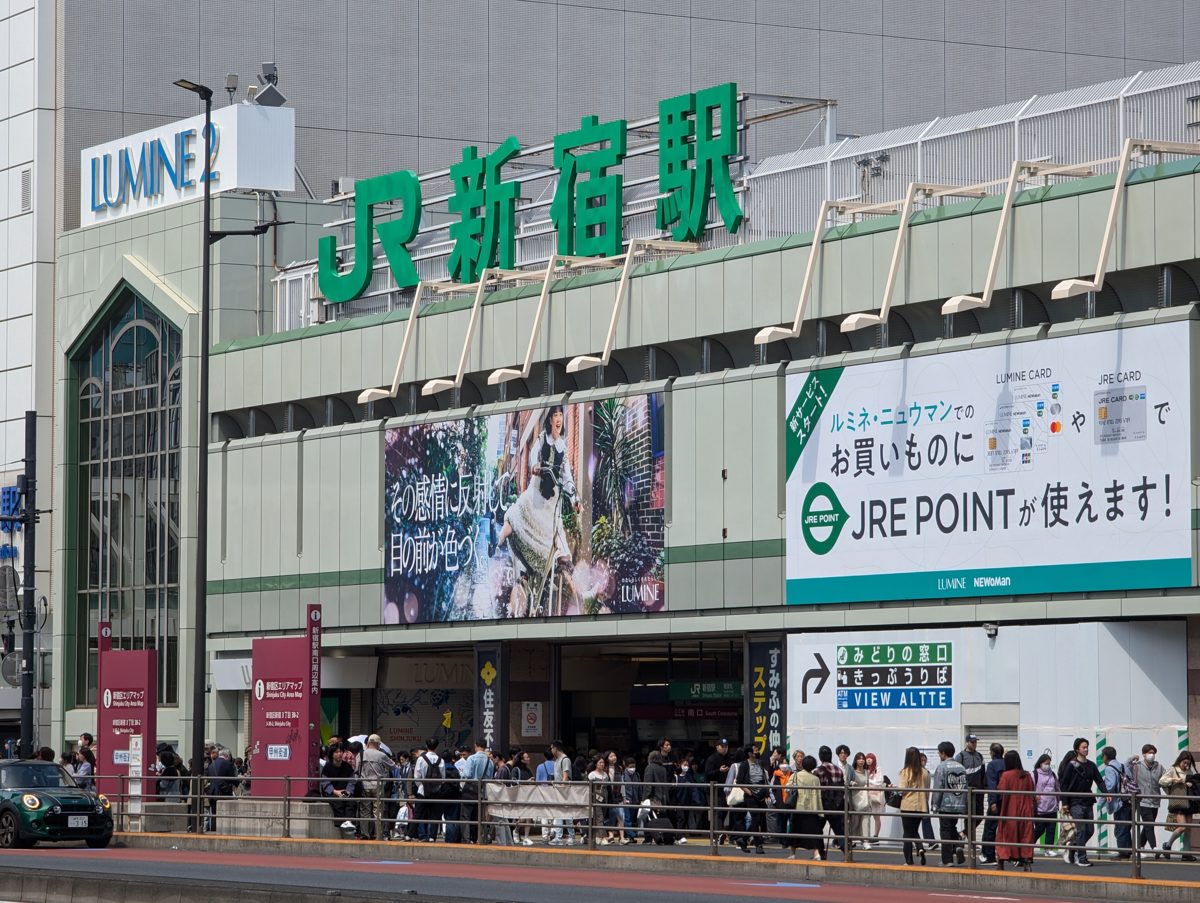
A big bank: 5 extra-small, 80 small, 85 medium and 76 large lockers (as of August 2025). JR East’s Shinjuku guide warns that the suitcase sizes can be almost full by late morning.
8. Shinjuku, B1F passage toward platforms 5 and 6
The magazine’s tip for when the rest are full: 22 small, 12 medium and 42 large lockers on the B1 passage inside the gates.
9. Shinjuku, New South Gate by the Suica penguin
Near the Busta Shinjuku bus terminal, with 10 extra-small, 15 small, 13 medium and 41 large lockers. Useful if you are leaving on a highway bus.
10. Ueno Station, 3rd-floor concourse baggage counter
Staffed, inside the Park Gate, 10:00 to 20:00, at the same 500 / 1,000 / 2,000 yen per bag, and one of the counters where JR East Logistics will keep a bag for up to 30 days.
11. Tokyo Metro Ikebukuro
Nine locker locations from small to extra-large, all shown live on Locker Concierge. This is the station where we found most large lockers taken at lunchtime, so check before you go.
Coin lockers at Shibuya and Haneda
12. Tokyu lockers at Shibuya
Tokyu’s lockers at Shibuya come in four sizes, up to an extra-large of 843 to 1,135 mm high for 900 yen. Since August 1, 2026, some Tokyu lockers charge by season, so pay what the touch screen shows (Tokyu).
13. Tokyo Metro Shibuya
Metro Commerce lists lockers from extra-small to extra-large at Shibuya, from 300 to 1,000 yen; check free ones on Locker Concierge.
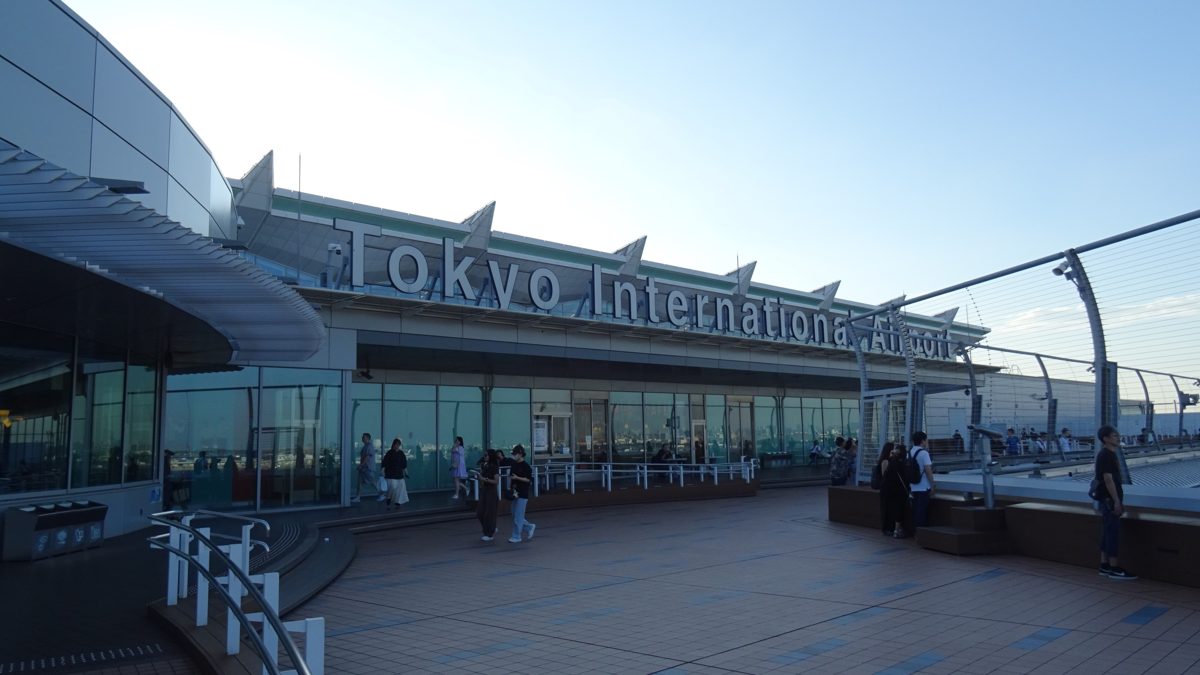
14. Haneda Terminal 3, open 24 hours
If you fly from Haneda late, leave the bag at the airport. Haneda’s Terminal 3 baggage storage is open 24 hours, at 800 / 1,000 / 2,000 yen per 24 hours, for up to two weeks, bags up to 300 cm in total and 30 kg. Terminal 3 lockers cost 500 to 900 yen, and an extra-large 2,000 yen on the 3rd floor south. Our Haneda to Tokyo Station guide covers getting there.
More staffed counters and airport lockers near Tokyo
15. Shinagawa Station, Event Space YK
Inside the Central Gate, 10:00 to 19:00. It prices by day of the week: medium 800 yen on weekdays and 1,000 yen on weekends and holidays, large 1,600 yen on weekdays and 2,000 yen on weekends and holidays, according to JR East Logistics.
16. Two more counters at Tokyo Station
Gransta also lists a cloakroom inside the JR East Travel Service Center at the Marunouchi North Exit, outside the gates, from 8:30 to 20:00 for same-day storage, at the same 500 / 1,000 / 2,000 yen. JR East Logistics adds a counter in the north-south passage inside the Marunouchi Central gate, 10:00 to 20:00.
Can I book a staffed counter ahead?
Some, yes. JR East Logistics lists its counters at Tokyo (two), Ueno and Shinagawa as bookable through ecbo cloak, a storage booking service that needs its own membership. The railway pages do not show ecbo’s prices, so check them when you book.
Haneda Terminals 1 and 2
The domestic terminals have staffed baggage storage from 8:00 to 19:30, at the same 800 / 1,000 / 2,000 yen a day as Terminal 3. Their lockers include an extra-large one 117 cm high for 1,000 yen a day and a locker 175 cm high for 1,500 yen, and the keyless type takes cash, cards, e-money and QR codes. Haneda lockers can be used for up to seven days, counted in 24-hour blocks from when you start; after that, the airport moves the bag to storage for 30 days (Haneda).
Narita Airport
Narita says locker prices vary by location and that payment by cash, cards, IC cards and other cashless methods is accepted, for up to 8 days, with each day ending at midnight. Its Multi eCube lockers include an LW size, 86 by 56 by 65 cm, for 1,200 yen a day, and bags left there by 11:30 can be delivered the same day to hotels in 10 central Tokyo wards and Urayasu City. Staffed storage at Narita is run by several companies, each with its own prices.
What to do when every coin locker in Tokyo is full
- Check the live tools above before you walk; a locker two exits away may be free.
- Go to a staffed counter: Tokyo Station has four, Ueno one, from 500 yen a bag.
- Send it to your hotel the same day: Multi eCube delivers to hotels by 18:00 if you deposit by 11:00, and Tokyo Metro’s Tokyo MetLocker+ delivers to about 500 hotels, as a rule by 19:00, if you deposit by 14:00. Check the current price when you book.
- Ship it ahead to the airport or your next hotel; see our luggage forwarding guide.
- Ask your hotel to keep it after checkout; see our hotel luggage storage comparison.
One gap: the official JR East Logistics list of staffed counters covers Tokyo, Ueno and Shinagawa in the city, and does not include Shinjuku, Shibuya or Ikebukuro, so at those stations lockers and same-day delivery are what you have.
Before you leave a bag in a Tokyo coin locker
A few habits save a lot of trouble on the way back, when you are in a hurry for a train or a flight:
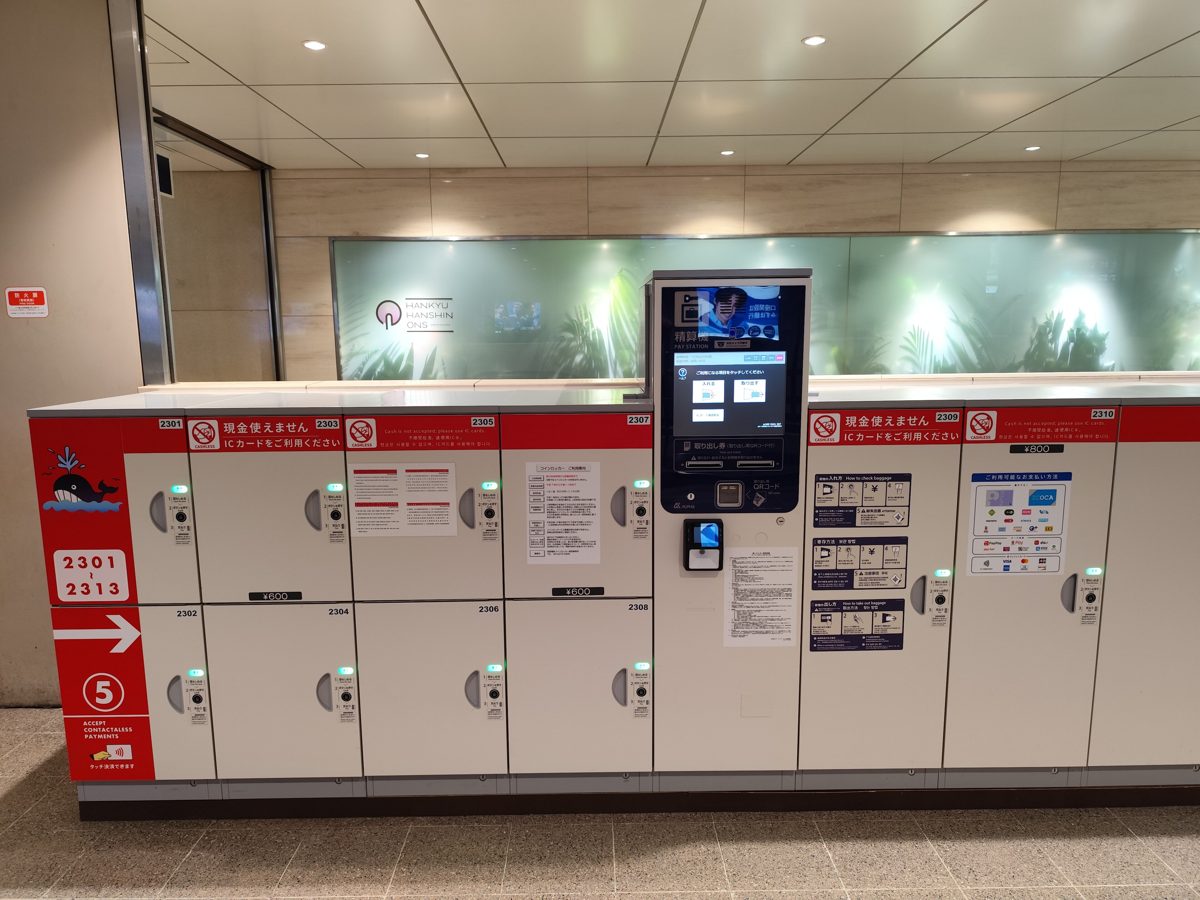
- Photograph the locker: its number, the bank and the nearest exit sign. Big stations have dozens of banks that look the same.
- Keep the receipt or the IC card you paid with. Tokyo Metro’s terms treat the receipt as proof of use, and ask for it, with photo ID, if your bag has been moved to storage.
- Count the days from 2:00 a.m., not midnight, and pay the extra when you collect; on Tokyu lockers you put in the amount shown for a stay of two days or more.
- Keep valuables with you: passports, cash, cameras and laptops do not belong in a locker, and compensation is capped at 30,000 yen.
- Check closing times at staffed counters: bags must be collected the same day, and none of them return bags after hours.
Frequently asked questions
How much does a coin locker cost in Tokyo?
Can I pay for a Tokyo coin locker with a credit card?
How long can I leave luggage in a Tokyo coin locker?
How do I find a free coin locker in Tokyo?
What if all the coin lockers are full?
Where is the biggest group of coin lockers at Tokyo Station?
Are big suitcase lockers hard to find in Shinjuku?
What can’t I put in a Tokyo coin locker?
Bottom line (2026): Coin lockers in Tokyo cost about 300 to 1,000 yen a day, and many take only cash or only an IC card. Check free lockers online before you go, use the staffed counters at Tokyo or Ueno station when the big lockers are full, and remember a new day starts at 2:00 a.m.
Sources
Every fact on this page is from official sources: JR East’s travel magazine on Tokyo Station lockers, Shinjuku Station lockers and Multi eCube; Multi eCube; Tokyo Station City; JR East Logistics; Gransta; Metro Commerce lockers, its locker terms (PDF) and Tokyo MetLocker+; Locker Concierge; Tokyu; and Haneda Airport’s lockers and baggage storage pages. All were read on October 9, 2026. Prices and rules change; check on the spot.
Some links on this page may be affiliate links, which means we may earn a commission if you book or buy through them — at no extra cost to you. See our affiliate disclosure.
Tokyo to Osaka, Tokyo to Kyushu, Tokyo to Hokkaido — day by day — plus seven places most visitors never reach.
- 12 pages, 80 photographs, every stop linked to its guide
- Every price and opening hour read from the official page
- Re-issued monthly, so it does not go stale in your inbox
Free. One email a month, plus the rare change that matters. Unsubscribe with one click in any email. By subscribing you agree to our privacy policy.