Why is there a small “bathing tax” line on your ryokan bill? Japan’s onsen tax, also called the hot spring tax or bathing tax, is charged by the town where the hot spring bath sits, and each town sets its own rate and exemptions. So we read the official tax page of every hot-spring town we could and put 21 towns in one table.
The short version: 14 of the 21 towns we checked charge a flat 150 yen per night, the national standard. 4 charge more, from ¥250 to ¥500 in Beppu. Hakodate cut its rate to ¥100 in April 2026. Most exempt children under 12, and day trips cost ¥50 to ¥150, or nothing in Matsue.
Onsen bathing tax in Japan: the 21-town table
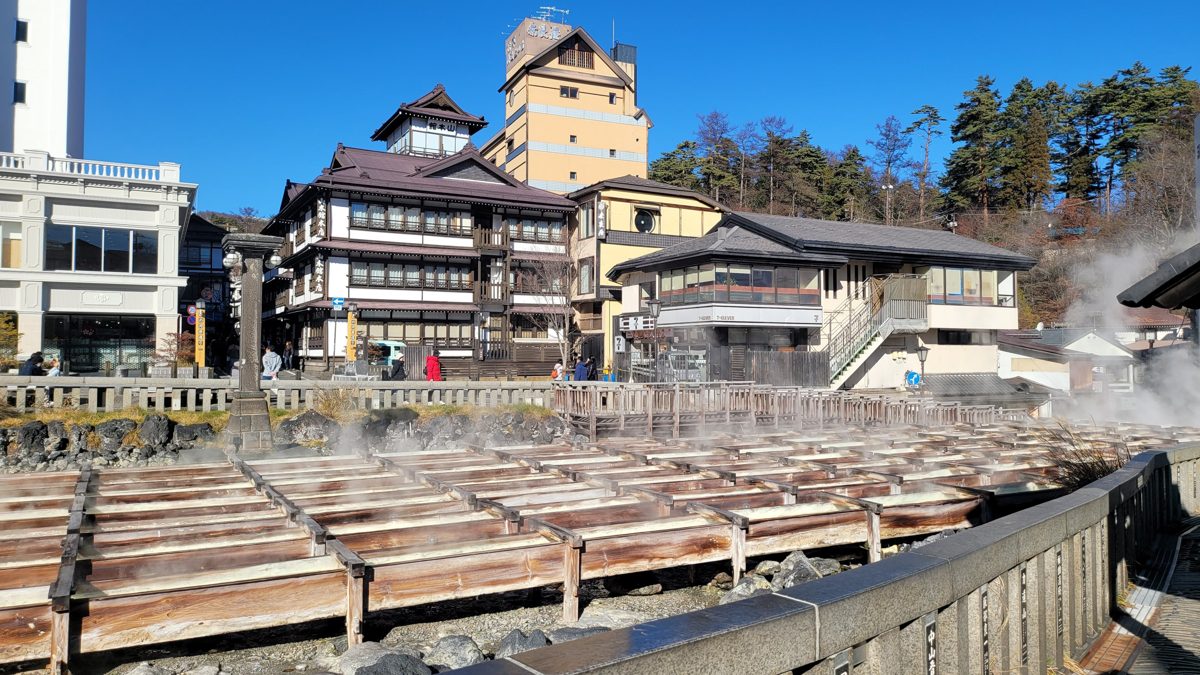
Grouped by the overnight rate, highest first; within a group, north to south as the research ran. Rates are per person. “Other exemptions” lists what each page names besides children. Each row links to the official page, also listed under Sources.
| Town | Overnight | Day trip | Children exempt | Other exemptions | Recent change | Source |
|---|---|---|---|---|---|---|
| More than ¥150 a night (4) | ||||||
| Beppu Beppu City, Oita | ¥50 to ¥500 per person per day, set by the room and food charge before tax: ¥250 for ¥6,001 to ¥50,000, ¥500 from ¥50,001 | Same table, by the charge; ¥40 at baths in entertainment facilities | Under 12 | Communal baths and public bathhouses (sento); high school and younger groups on school trips; others the mayor approves. The table starts at ¥1,500; the page does not say what applies below ¥1,500 | Higher rate extended 5 years from April 1, 2024 (to March 31, 2029) | Official |
| Noboribetsu Noboribetsu City, Hokkaido | ¥300 | ¥50 | Under 12 | Communal baths and public bathhouses (sento). Long stays for treatment (7 days or more): ¥70 a night | ¥150 to ¥300 on April 1, 2020 | Official |
| Ito Ito City, Shizuoka | ¥300 | ¥150 | Until the first April 1 on or after the day the child turns 12 (the city: “think of it as Japanese elementary school age and younger”) | Communal baths and public bathhouses (sento); a charge (room and food included) of ¥1,000 or less; school trips (not university) | October 1, 2025: flat ¥150 became ¥300 overnight and ¥150 day trip; the child exemption widened from under 6 | Official |
| Yufuin and Yunohira Yufu City, Oita | ¥250 (room charge ¥4,001 or more before tax); ¥100 (¥4,000 or less) | ¥70 (charge ¥400 or more before tax). Below ¥400: not stated | Under 12 | Communal baths and public bathhouses (sento); junior and senior high school students on escorted school trips | From stays on October 1, 2024, including bookings made before | Official |
| A flat ¥150 a night (14) | ||||||
| Hakone Hakone Town, Kanagawa | ¥150 | ¥50 | Under 12 (elementary school or younger, or until the first March 31 after turning 12) | Communal baths and public bathhouses (sento). No tax while the water is not hot spring water, such as when supply stops | None noted | Official |
| Atami Atami City, Shizuoka | ¥150 per person per day (1 night = 1 day) | ¥150 | Under 12 (12-year-old elementary pupils included) | Communal baths and public bathhouses (sento); baths charging ¥1,000 or less; school trips | None noted | Official |
| Kinosaki Toyooka City, Hyogo | ¥150 per person per day | ¥150, but exempt at day-use baths charging ¥1,000 or less (tax included) | Under 12 | Communal baths and public bathhouses (sento). School trips: ¥50 | None noted (page updated October 22, 2021) | Official |
| Arima Kobe City, Hyogo | ¥150 | ¥75 | Under 7 | Communal baths and public bathhouses (sento); school events; social welfare facilities; day visits under ¥1,200 before tax | None noted | Official |
| Jozankei Sapporo City, Hokkaido | ¥150 | ¥100 | Under 12 | Communal baths and public bathhouses (sento); elementary and junior high pupils on school trips and other school events | None noted | Official |
| Kurokawa Minamioguni Town, Kumamoto | ¥150 per person per day | ¥150, but exempt at day-use baths charging ¥1,000 or less | Under 15 | Communal baths and public bathhouses (sento); day-use facilities charging ¥1,000 or less | None noted | Official |
| Gero Gero City, Gifu | ¥150 | ¥100 | Until the first March 31 after turning 12 | Public bathhouses (sento); day bathing at ¥1,000 or less before tax, food included | None noted (day-trip ¥100 since April 1, 2015) | Official |
| Dogo Matsuyama City, Ehime | ¥150 per person per day | ¥150 | Under 12 | Communal baths and public bathhouses (sento); students on school trips, including pupils aged 12 and over | None noted (page updated January 18, 2022) | Official |
| Nikko, Kinugawa and Yunishigawa Nikko City, Tochigi | ¥150 | ¥50 | Under 12 | Communal baths and public bathhouses (sento) | None noted | Official |
| Nanki-Shirahama Shirahama Town, Wakayama | ¥150 per person per day, day use included | ¥150 | Under 12 | Communal baths and public bathhouses (sento); elementary and junior high pupils on school trips; self-catering and day-use facilities charging ¥1,000 or less. High school trips: ¥75 | None noted | Official |
| Ginzan Obanazawa City, Yamagata | ¥150 (self-catering stays ¥75) | ¥75 | Under 12 | Communal baths and public bathhouses (sento) | None noted | Official |
| Nozawa Onsen Nozawa Onsen Village, Nagano | ¥150 | ¥50 | Under 12 | Communal baths and public bathhouses (sento) | None noted | Official |
| Hakuba Hakuba Village, Nagano | ¥150 | ¥50 | Under 12 | Communal baths and public bathhouses (sento) | None noted | Official |
| Tamatsukuri and Matsue Shinjiko Matsue City, Shimane | ¥150 per person per day (1 night = 1 day) | Exempt (day visitors are not taxed) | Until the first March 31 after turning 12 (elementary school and younger); foreign tourists who meet the age rule are exempt too | Communal baths and public bathhouses (sento) | None noted | Official |
| ¥150 or ¥100, by room price (2) | ||||||
| Kusatsu Kusatsu Town, Gunma | ¥150 (basic room charge over ¥6,000); ¥100 (¥6,000 or less) | ¥50 (day trip or rest) | Elementary school age and younger | Junior high pupils on school trips. Its FAQ lists only these two exemptions. High school trips: ¥50 | None noted (page updated January 19, 2024) | Official |
| Ibusuki Ibusuki City, Kagoshima | ¥150 (room charge ¥6,001 or more); ¥100 (¥6,000 or less), from the city tax ordinance | ¥100 (bathing with food, rest or similar, no stay) | Under 12 | Communal baths and public bathhouses (sento); others set by a city regulation we did not read. A low-price exemption is not confirmed. School trips: ¥20 | Not checked (the city tax page returned an error; we read the current ordinance) | Official |
| Less than ¥150 a night (1) | ||||||
| Yunokawa Hakodate City, Hokkaido | ¥100 (general bathers) | Not stated: the page lists “general bathers” only | Under 15 | Youth hostel members and long stays for treatment: ¥50 (was ¥70) | April 1, 2026: ¥150 to ¥100 while the city’s accommodation tax applies. The page still labels ¥150 “current” beside “after revision: ¥100” | Official |
Counts: 4 / 14 / 2 / 1 for more than ¥150, flat ¥150, ¥150 or ¥100 by room price, and less than ¥150. Several towns write “per person per day” and count a one-night stay as one day.
What the bathing tax table shows
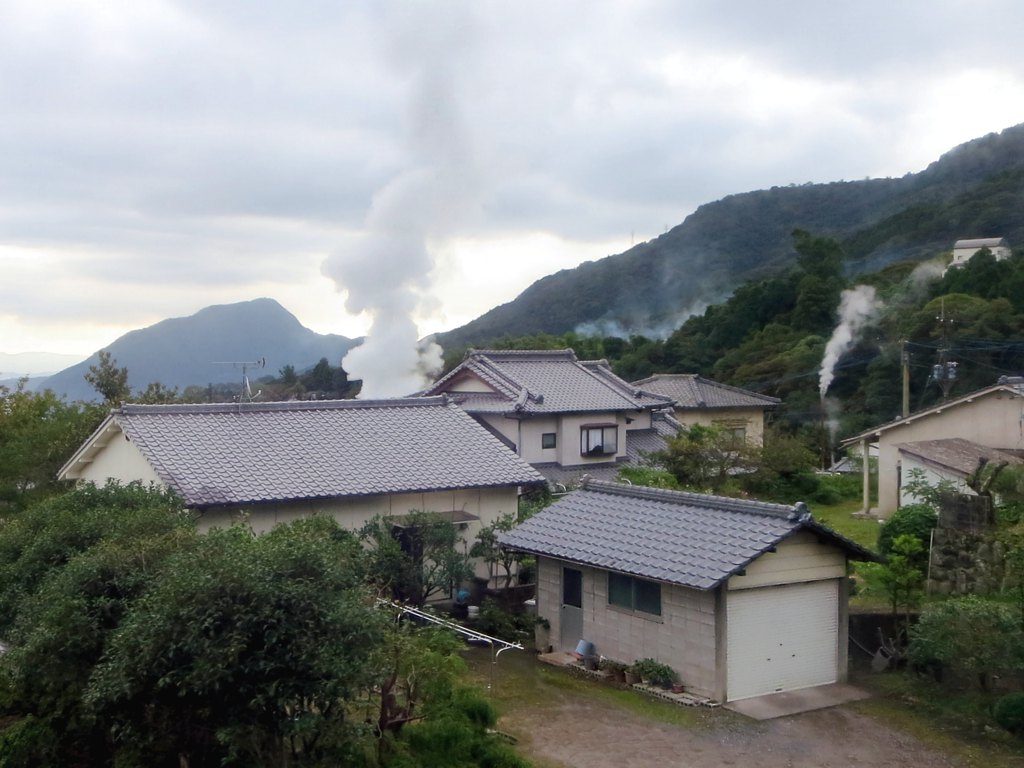
How much is the onsen tax in most towns?
¥150 a night. 14 of the 21 towns we checked charge a flat ¥150, from Hakone, Atami and Kinosaki to Dogo, Kurokawa and Nozawa Onsen. That matches the Ministry of Internal Affairs and Communications, which sets ¥150 per person per day as the standard. Add Kusatsu and Ibusuki, which charge ¥150 above a room price of ¥6,000, and the ¥150 band covers 16.
Which towns charge more than ¥150?
4, among the 21 towns we checked. Beppu sets the tax by the room and food charge before tax, from ¥50 up to ¥500 at ¥50,001 or more; its own example is a ¥5,000 room plus ¥1,300 of food, ¥6,300 in all, for a tax of ¥250. Noboribetsu and Ito charge a flat ¥300 a night, twice the standard. Yufu, home of Yufuin, charges ¥250 above a ¥4,000 room charge and ¥100 below it.
Which towns charge less than ¥150?
Hakodate, whose Yunokawa hot springs now cost ¥100 for general bathers, down from ¥150. Kusatsu and Ibusuki charge ¥100 at the lower room price, ¥6,000 or less. No town in the table charges overnight guests nothing, though Matsue exempts day visitors.
How much do day-trip bathers pay?
¥150 or less. ¥50 in 6 towns (Hakone, Kusatsu, Nikko, Nozawa Onsen, Hakuba and Noboribetsu), ¥70 in Yufu, ¥75 in Arima and Ginzan, ¥100 in Jozankei, Gero and Ibusuki, and ¥150 in 6 towns that charge by the day, Atami, Kinosaki, Kurokawa, Dogo, Shirahama and Ito. Matsue, for Tamatsukuri, does not tax day visitors at all. Beppu uses its price table for day trips too, and Hakodate’s page gives no separate day-trip rate.
Who pays no onsen tax? Children and other exemptions
At what age are children exempt?
Under 12 in 14 towns. Four word it as elementary school age: Kusatsu, Gero and Matsue, and Ito, whose page reads “until the first April 1 on or after the day the child turns 12” and adds that this means Japanese elementary school age and younger. Three differ: Arima (Kobe) exempts only children under 7, so elementary pupils pay there, while Kurokawa and Hakodate exempt children under 15.
Are cheap day-trip baths exempt from the bathing tax?
In 7 towns, yes. Atami, Kinosaki, Kurokawa, Gero, Shirahama and Ito exempt baths or day visits that cost ¥1,000 or less, and Arima day visits under ¥1,200 before tax. The details differ: Kinosaki counts tax included, Gero counts before tax with food included, and Ito counts room and food together.
Are public bathhouses exempt?
18 of the 21 pages exempt bathers at communal baths and general public bathhouses (sento). Gero names public bathhouses only. Kusatsu’s FAQ says the only exemptions are children of elementary school age and younger and junior high pupils on school trips, and Hakodate’s page lists neither. No page names individual baths, so we do not say that any famous bath is exempt; ask at the bath.
Are school trips exempt?
Many towns exempt school trips or charge them less. Kinosaki and Kusatsu charge high school trips ¥50, Shirahama ¥75 and Ibusuki ¥20. Arima and Sapporo exempt school events, and Matsuyama exempts students on school trips, including pupils aged 12 and over.
How the onsen bathing tax is collected
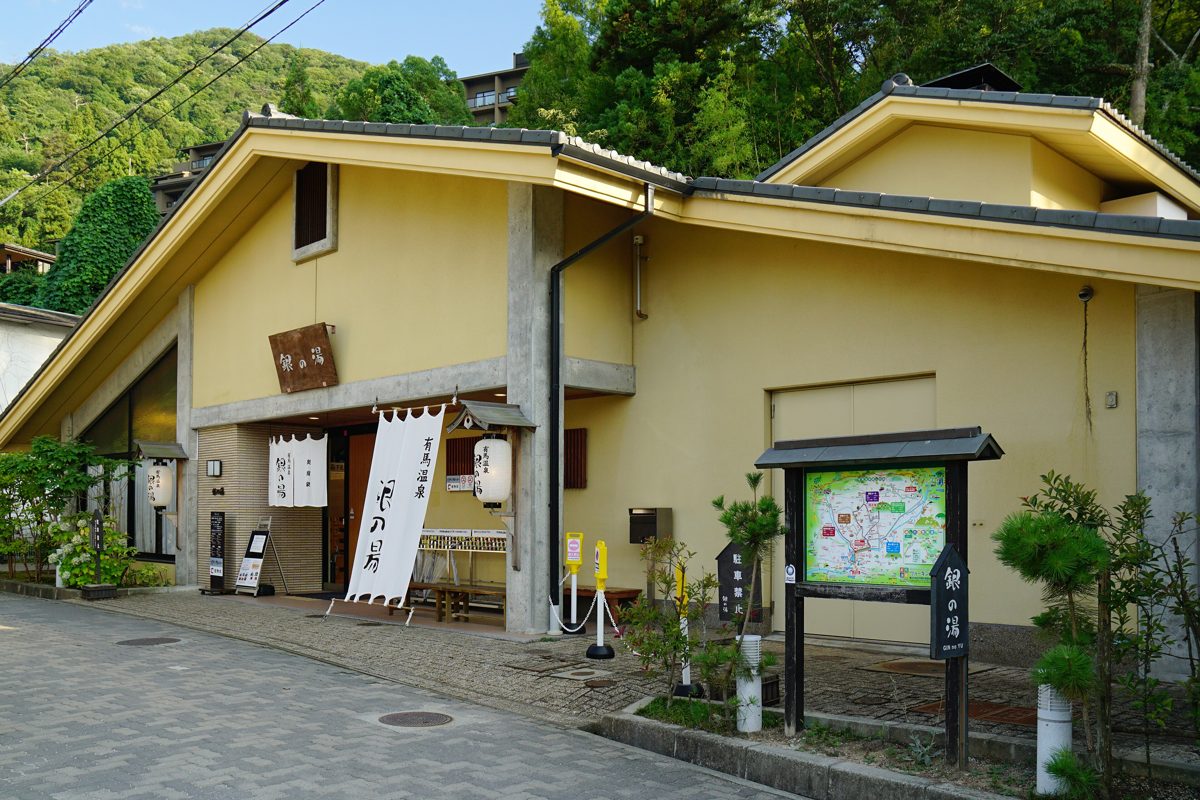
Who collects the bathing tax, and what does it pay for?
The hotel, ryokan or bath. The ministry describes it as a tax levied by the municipality where the mineral spring bath is, with the inn collecting it from bathers and paying it to the municipality. It names four uses: environmental sanitation facilities, protecting hot spring sources, firefighting facilities, and promoting tourism. Kusatsu’s FAQ puts it plainly: bathers do not pay the town directly.
Is the bathing tax included in the room price?
It varies by hotel. The town pages set the amount and who collects it, not how a hotel shows it. So whether it is already in your quoted price depends on the hotel. Read the price notes when you book, and ask the hotel if the bathing tax is not mentioned.
Is the bathing tax the same as the accommodation tax?
No. The bathing tax is on bathing in a hot spring; an accommodation tax is a separate tax on the stay itself, and a town can charge both. Hakodate started an accommodation tax on April 1, 2026 and cut its bathing tax at the same time, and Gero’s page lists an accommodation tax from October 1, 2025. See our Japan travel changes in 2026 for the new accommodation taxes.
Do you pay for each night and each bath?
Each night, yes. Kusatsu’s FAQ gives ¥150 times 2 nights, ¥300, for a two-night stay. Bath-hopping can add up there too: its FAQ says each bath you use charges its own tax, so one bath each at three places comes to ¥50 times 3, ¥150. Beppu halves the rate from the first night for stays of 7 nights or more, and Noboribetsu charges ¥70 a night for treatment stays of 7 days or more.
Onsen tax changes from 2024 to 2026
What changed in Ito?
On October 1, 2025, Ito replaced its flat ¥150 with ¥300 for overnight guests and ¥150 for day trips. It also widened the child exemption from under 6 to elementary school age. Guests already staying before that date kept the old rules for that stay.
What changed in Hakodate?
Hakodate cut the bathing tax for general bathers from ¥150 to ¥100, and for youth hostel members and treatment stays from ¥70 to ¥50, for as long as its new accommodation tax is charged. That tax began on April 1, 2026. The city page still labels ¥150 as “current” beside the revised ¥100, so go by the revision notice, not that label.
What changed in Yufu and Beppu?
Yufu moved to ¥250 or ¥100 by room price from stays on October 1, 2024, and its page says guests who booked before still pay the new amount. Beppu extended its higher rate for five years from April 1, 2024, to March 31, 2029. That makes 4 changes in the table since 2024. Some pages are older: Kusatsu’s was last updated in January 2024, Matsuyama’s in January 2022 and Toyooka’s in October 2021.
What the bathing tax pages do not say
Which rates could we not confirm?
- Beppu below ¥1,500: its table starts at ¥1,500; the page does not say what applies below.
- Yufu day trips below ¥400: its table lists ¥400 or more only.
- Ibusuki: the ordinance gives the rates and leaves further exemptions to a regulation we did not read, so a low-price exemption is not confirmed.
- Hakodate day trips: the page lists general bathers only and gives no separate day-trip rate.
Do neighboring hot springs share a rate?
Only inside the same municipality. Kinugawa and Yunishigawa follow Nikko City, Yunohira follows Yufu, and Matsue Shinjiko Onsen follows Matsue, as in the table. Kurokawa’s under-15 rule is Minamioguni’s; nearby towns are separate and we did not check them.
Planning an onsen trip around the bathing tax
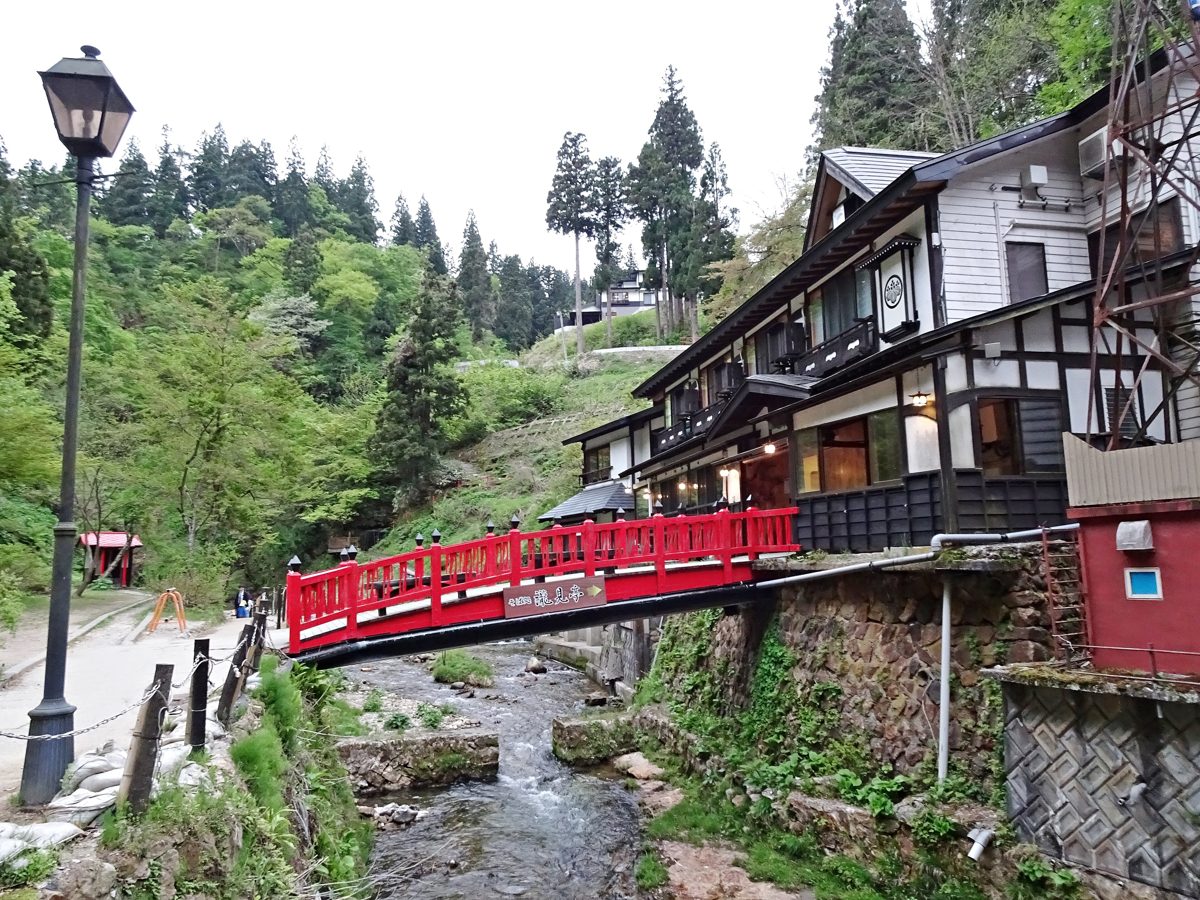
What if the hotel’s bath is not a hot spring?
Then the tax does not apply, because it is charged on bathing in a hot spring. Hakone’s page says that when supply stops, for example after volcanic activity or a landslide, and the water is no longer hot spring water, hotels need not collect it. Our guide to the onsen law explains what counts as a hot spring.
What should I check before I book?
The town, since the rate follows the municipality, then whether your price includes the bathing tax and any accommodation tax, and the child age rule if you travel with kids. For Hakone, see things to do in Hakone; for the trip to Kusatsu, Kusatsu Onsen from Tokyo. Bathhouses also set their own rules, such as on tattoos at onsen.
Frequently asked questions
How much is the onsen bathing tax in Japan?
Is the bathing tax included in my hotel price?
Is the bathing tax the same as the accommodation tax?
Do children pay the onsen tax?
Do day-trip bathers pay the bathing tax?
Do I pay the bathing tax for every night?
Which town charges the most bathing tax among those you checked?
Do I pay the onsen tax to the town office?
Bottom line (2026): Japan’s onsen bathing tax is set by each town, against a national standard of ¥150 per person per day. 14 of the 21 towns we checked charge a flat ¥150 a night; Noboribetsu and Ito charge ¥300, Beppu up to ¥500, and Hakodate ¥100 since April 2026. Most exempt children under 12, day trips cost ¥50 to ¥150 or nothing, and the hotel collects it. It is separate from any accommodation tax.
Sources
Each row is from the municipality’s own page or ordinance, read on October 5, 2026. Tax rates change, so confirm with the town or your hotel before you rely on them.
- Beppu City, Oita: bathing tax (Beppu)
- Noboribetsu City, Hokkaido: bathing tax (Noboribetsu)
- Ito City, Shizuoka: bathing tax (Ito)
- Yufu City, Oita: bathing tax (Yufuin and Yunohira)
- Hakone Town, Kanagawa: bathing tax (Hakone)
- Atami City, Shizuoka: bathing tax (Atami)
- Toyooka City, Hyogo: bathing tax (Kinosaki)
- Kobe City, Hyogo: bathing tax (Arima)
- Sapporo City, Hokkaido: bathing tax (Jozankei)
- Minamioguni Town, Kumamoto: bathing tax (Kurokawa)
- Gero City, Gifu: bathing tax (Gero)
- Matsuyama City, Ehime: bathing tax (Dogo)
- Nikko City, Tochigi: bathing tax (Nikko, Kinugawa and Yunishigawa)
- Shirahama Town, Wakayama: bathing tax (Nanki-Shirahama)
- Obanazawa City, Yamagata: bathing tax (Ginzan)
- Nozawa Onsen Village, Nagano: bathing tax (Nozawa Onsen)
- Hakuba Village, Nagano: bathing tax (Hakuba)
- Matsue City, Shimane: bathing tax (Tamatsukuri and Matsue Shinjiko)
- Kusatsu Town, Gunma: bathing tax (Kusatsu)
- Ibusuki City, Kagoshima: bathing tax (Ibusuki)
- Hakodate City, Hokkaido: bathing tax (Yunokawa)
- Ministry of Internal Affairs and Communications: bathing tax
Some links on this page may be affiliate links, which means we may earn a commission if you book or buy through them — at no extra cost to you. See our affiliate disclosure.
Tokyo to Osaka, Tokyo to Kyushu, Tokyo to Hokkaido — day by day — plus seven places most visitors never reach.
- 12 pages, 80 photographs, every stop linked to its guide
- Every price and opening hour read from the official page
- Re-issued monthly, so it does not go stale in your inbox
Free. One email a month, plus the rare change that matters. Unsubscribe with one click in any email. By subscribing you agree to our privacy policy.