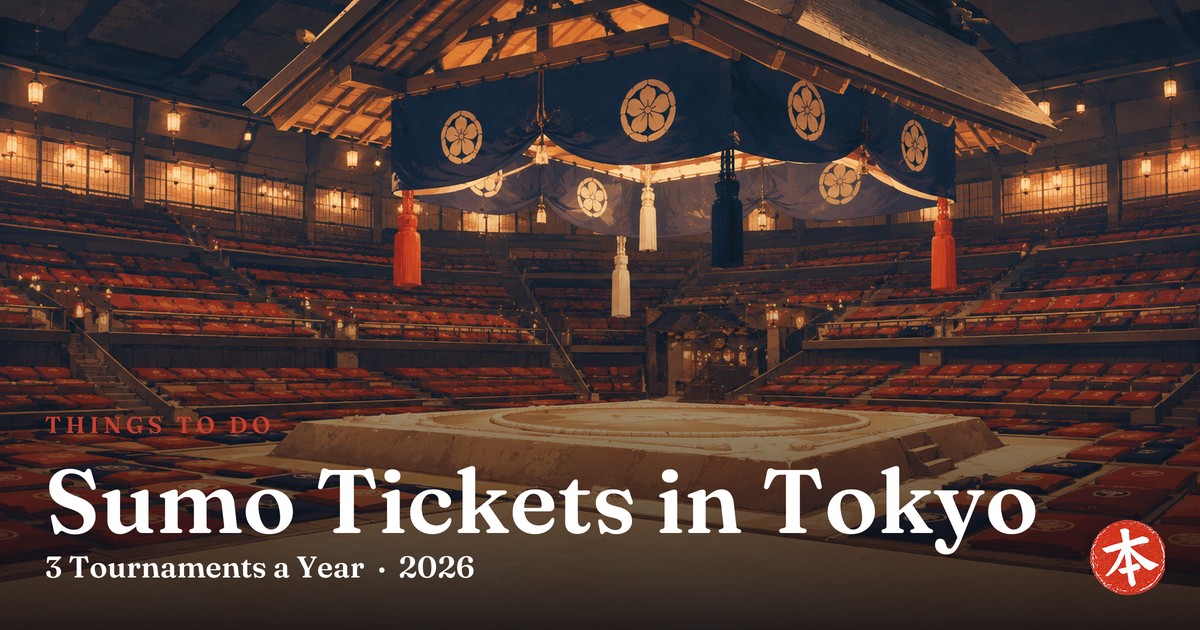
Watching a Grand Sumo Tournament is one of the best things you can do in Tokyo — but there's a catch that ruins a lot of plans: Tokyo only holds sumo three times a year. January, May and September, fifteen days each, at Ryogoku Kokugikan. Turn up in March or October hoping to catch a tournament and there isn't one.
And when there is one, the good tickets sell out — sales open about a month ahead and popular days go fast. So seeing sumo in Tokyo is really two problems: being here in the right window, and buying the moment tickets drop.
Here's the 2026 schedule, the seat types and rough prices, exactly when tickets go on sale, and the same-day standing tickets that are your backup if the reserved seats are gone.
Sumo in Tokyo at a glance (2026)
| 🚨 When | Only 3 times a year in Tokyo: 11–25 Jan · 10–24 May · 13–27 Sep 2026 (15 days each) |
|---|---|
| Where | Ryogoku Kokugikan, by Ryogoku Station, eastern Tokyo |
| Tickets on sale | ~1 month ahead — and popular days sell out on release day |
| Ringside (tamari) | Around ¥20,000 — priciest, hardest to get |
| Box (masu) | ¥9,500–14,800 — floor cushions, usually sold as a box of 4 |
| Balcony chairs | ¥5,500–7,500 — best-value reserved seat |
| Same-day standing | From ¥2,200 — queue in the morning, the backup option |
| How to buy | Ticket Oosumo (official, English option) |
Prices are rough 2026 ranges and change per tournament — the point is the shape: ringside is expensive and scarce, balcony chairs are the value pick, and standing is the cheapest way in.
Worth reading even in Japanese: a spectator’s running account of Day 2 of the May tournament at Ryogoku — both yokozuna out injured, a chaotic start, and still bout after bout of it going off. This is what a live day actually feels like.
The catch: Tokyo has sumo only three times a year
This is the thing to get straight before anything else. Professional sumo runs six Grand Tournaments a year, and only three are in Tokyo — January, May and September. The other three are elsewhere:
- March — Osaka
- July — Nagoya
- November — Fukuoka
Seats and prices (2026)
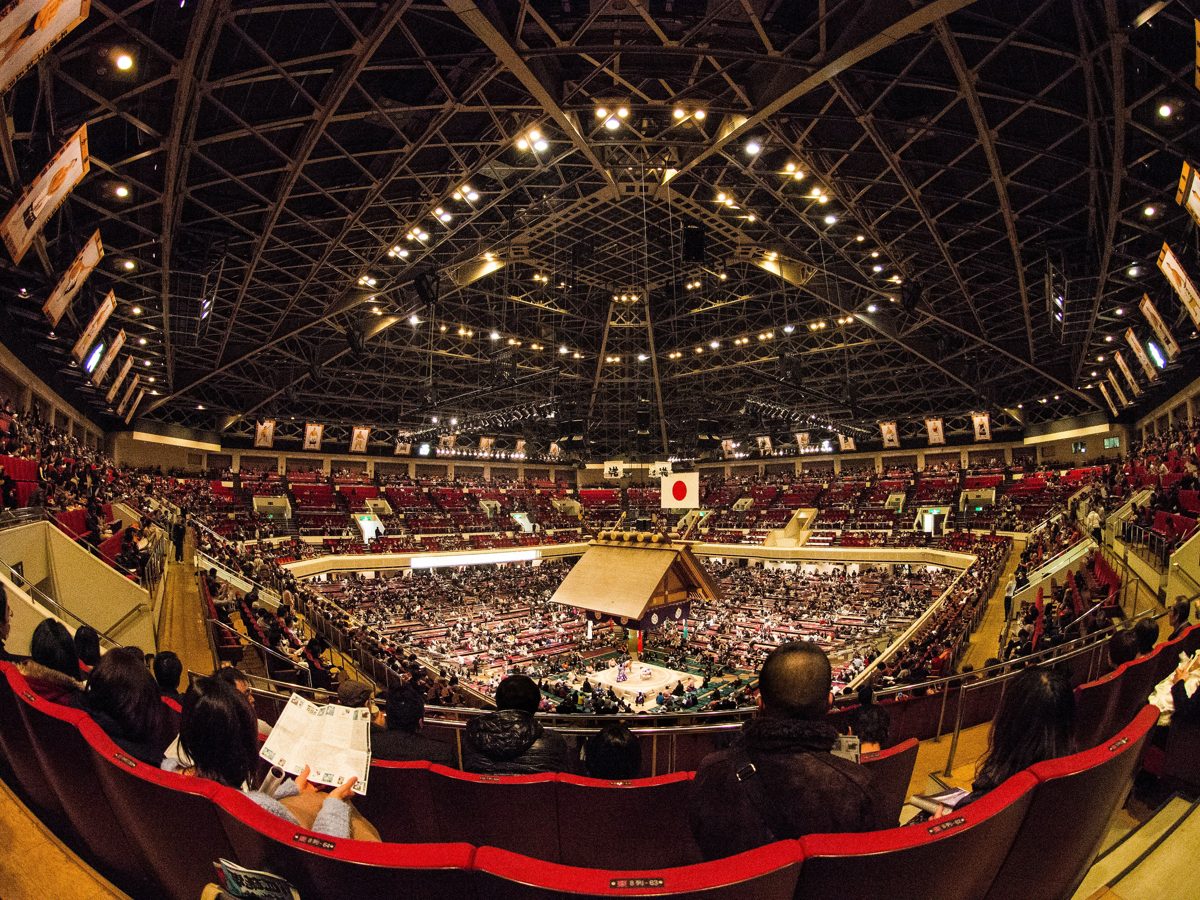
Four broad options, from splurge to shoestring — rough 2026 prices, confirm on the official site:
| Tamari (ringside) | Around ¥20,000 · cushions at the very front · hardest to get |
|---|---|
| Masu (box) | ¥9,500–14,800 · floor cushions, traditional · usually a box of 4 |
| Balcony (chairs) | ¥5,500–7,500 · western-style seats · best value reserved |
| Same-day standing | From ¥2,200 · unreserved · morning queue |
A wrestler on each arm. The kind of photo people go for — the meet-and-greet moments happen around the arena, not just the bouts inside.
When tickets go on sale, and how to buy
Tickets are sold through Ticket Oosumo, the official site, which has an English option. Sales open about a month before each tournament — for 2026 that was 6 December 2025 (January), 4 April (May) and 8 August (September).
The rule that matters: buy on release day. Popular days — the opening weekend, the final days, anything with a star wrestler — sell out quickly once sales open. Waiting until you land in Japan is often too late for a good seat.
Check sumo tickets & tours → Affiliate link — see disclosure.
Sold out? Same-day standing tickets
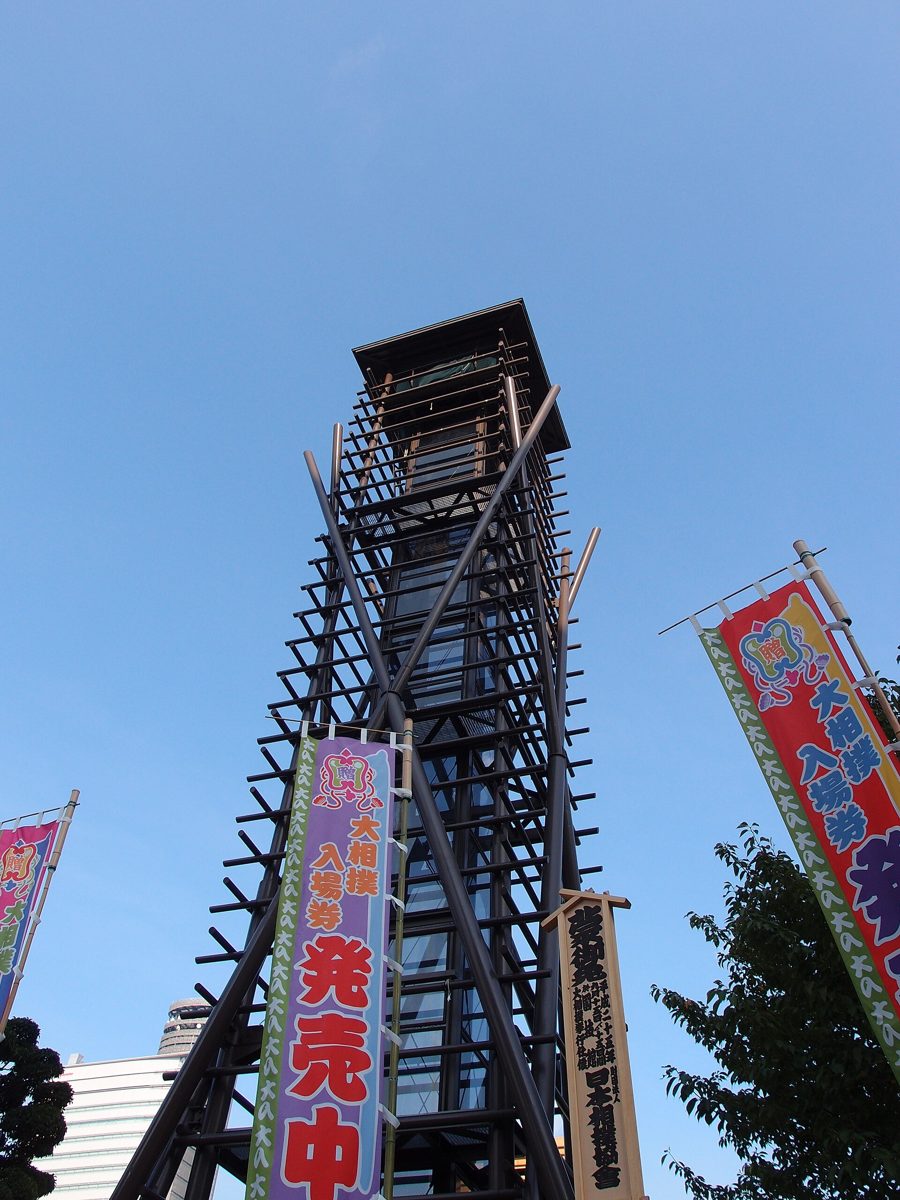
If the reserved seats are gone, there's still one way in: same-day unreserved standing tickets. A limited number go on sale on the morning of each day, from around ¥2,200, first-come. People queue early outside Ryogoku Kokugikan to get them — the earlier you're in line on a popular day, the better your chance. It isn't guaranteed, but it's the difference between maybe and no.
Getting there — Ryogoku
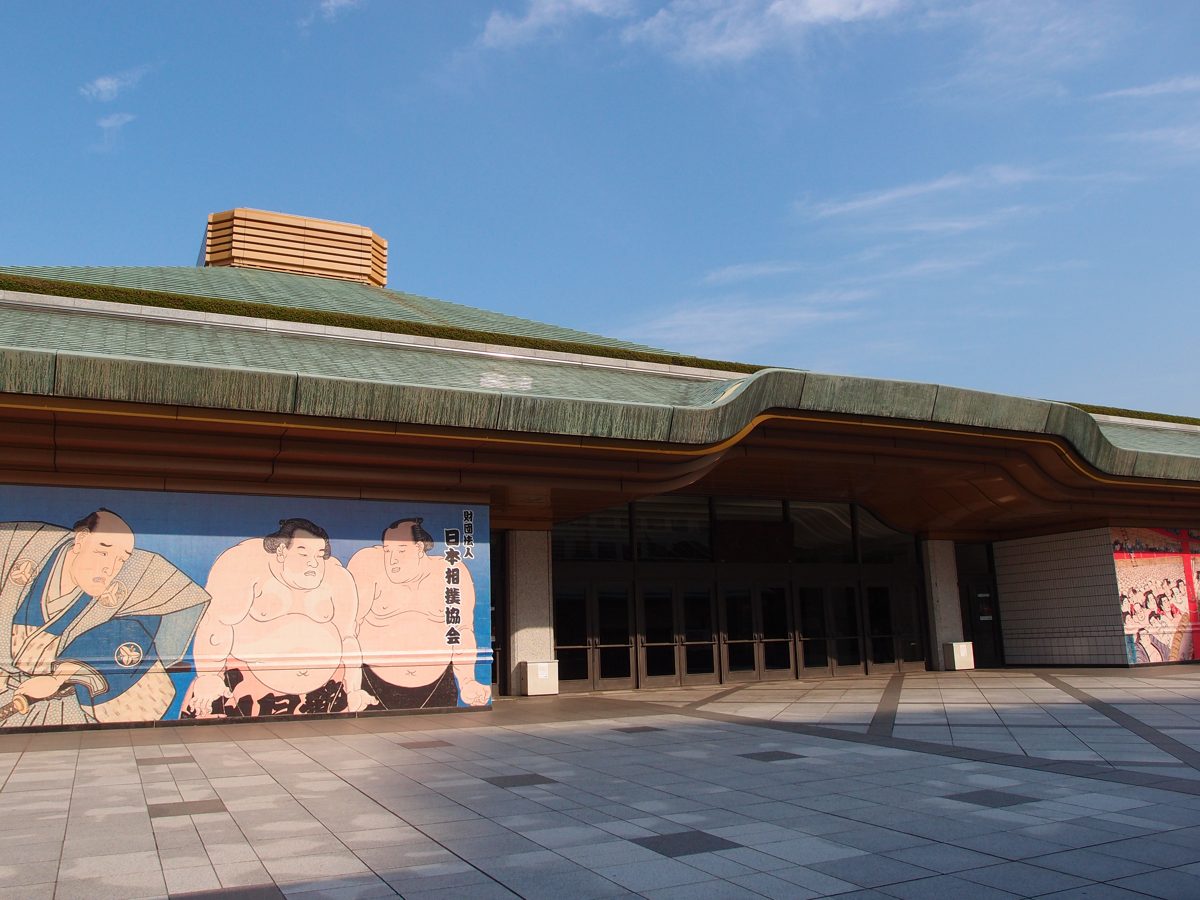
Everything happens at Ryogoku Kokugikan, right by Ryogoku Station in eastern Tokyo. The whole neighborhood is sumo country — training stables, chanko-nabe (the wrestlers' hotpot) restaurants — so it's worth arriving early and soaking it up rather than turning up at the last minute.
Getting across Tokyo to Ryogoku is easiest with a tap-and-go IC card — see our Suica & IC card guide. Making a full Tokyo day of it? Tokyo Tower is another classic on the same side of the city.
A first-ever Grand Sumo Tournament, captioned in both Japanese and English. If it’s your first time too, this is the view from the seats you’re deciding between.
Tips for foreign visitors
- Check the schedule first. No tournament in your window means no sumo in Tokyo — full stop.
- Buy on release day. Sales open ~1 month ahead and good days go fast.
- Solo? Skip the masu box. It's sold for four — balcony chairs are better value.
- Sold out isn't over. Same-day standing from ~¥2,200 if you queue early.
- Confirm prices officially. They're set per tournament and change.
- Arrive early at Ryogoku. The neighborhood is half the experience.
(For dinner after the sumo: our chanko nabe in Tokyo guide covers six restaurants, where one portion costs from 1,760 yen with tax to 3,520 yen with tax.)
FAQ
When can I see sumo in Tokyo in 2026?
How much are sumo tickets in Tokyo?
How do I buy sumo tickets as a foreigner?
What’s the difference between the seat types?
Can I still get in if it’s sold out?
Where is sumo held in Tokyo?
Is a masu box seat worth it for one person?
Bottom line (2026) — Tokyo hosts sumo only three times a year — January, May and September — and reserved seats sell out. Four seat tiers span splurge to shoestring; if reserved seats are gone, same-day standing tickets are the backup. Confirm 2026 prices and the on-sale date on the official site before booking.
Sources
The 2026 schedule and ticketing process, with prices as rough 2026 ranges to confirm officially:
- Japan Sumo Association — official ticket information (Ticket Oosumo) — schedule, seat types, on-sale dates, exact prices
The schedule and prices are as of the announced 2026 tournaments; ticket prices are set per tournament and change. Confirm dates, prices and on-sale times on the official ticket site before booking. Some links on this page may be affiliate links, which means we may earn a commission if you book or buy through them — at no extra cost to you. See our affiliate disclosure.
Tokyo to Osaka, Tokyo to Kyushu, Tokyo to Hokkaido — day by day — plus seven places most visitors never reach.
- 12 pages, 80 photographs, every stop linked to its guide
- Every price and opening hour read from the official page
- Re-issued monthly, so it does not go stale in your inbox
Free. One email a month, plus the rare change that matters. Unsubscribe with one click in any email. By subscribing you agree to our privacy policy.