The thing to know before you land: there is no direct train from Haneda Airport to Tokyo Station. You change once. That's it — that's the whole thing that trips people up, standing in arrivals looking for a "Tokyo Station" train that doesn't exist.
What you actually do is take one of two short airport lines to a transfer station — Hamamatsucho (monorail) or Shinagawa (Keikyu) — then hop on JR for the last couple of stops. Total time: about 30 minutes. With an IC card it's genuinely easy.
Here are the two routes, why an IC card beats buying a ticket, when the monorail is free, and the late-night backup — the practical stuff for the first 30 minutes of your trip.
Haneda to Tokyo Station at a glance (2026)
| 🚨 Direct train? | No — you change once. Airport line → transfer station → JR to Tokyo Station |
|---|---|
| Route A: Monorail | Haneda → Hamamatsucho (~20 min) → JR to Tokyo Station. Free with a JR Pass |
| Route B: Keikyu | Haneda → Shinagawa (~15 min) → JR to Tokyo Station |
| Total time | About 30 minutes, including the transfer |
| Cost | Roughly ¥500–660 — fares change; tap IC or check a planner |
| Easiest way | An IC card (Suica / PASMO / Welcome Suica) — tap, don’t buy tickets |
| Terminals | T1 & T2 domestic · T3 international · all have both stations |
Flying in? Our arrival card helper shows what to write in each box of Japan’s arrival card, in card order.
There’s no direct train — here’s what you actually do
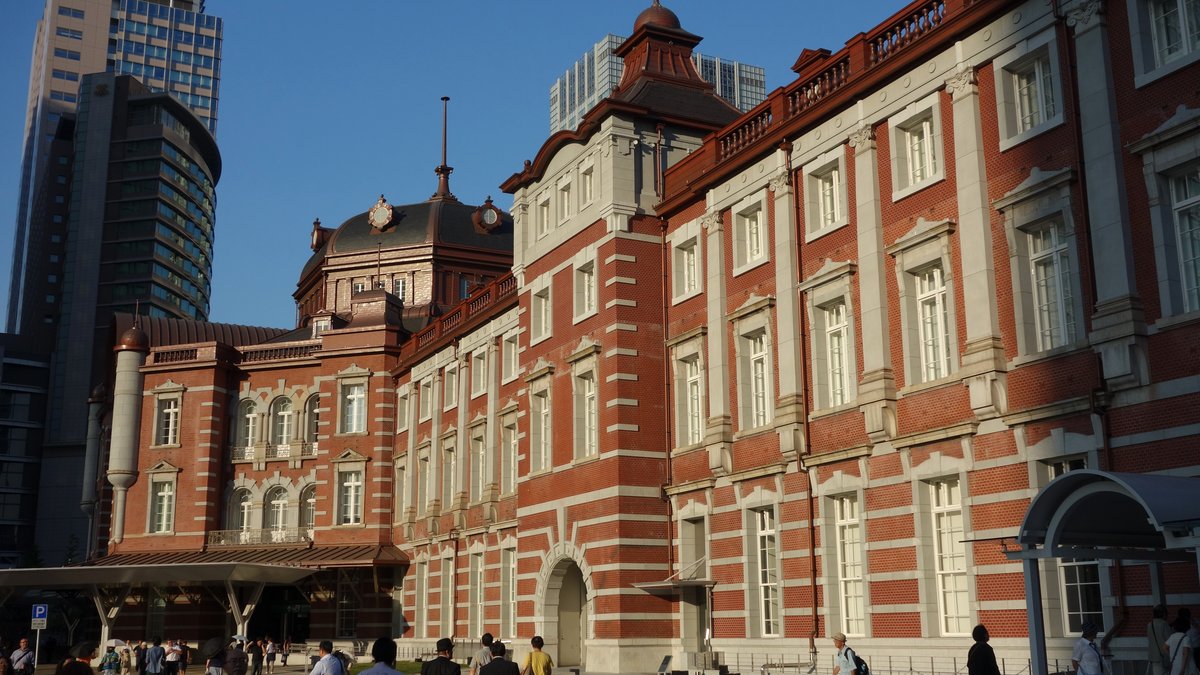
Let's kill the confusion first. You will not find a train at Haneda with "Tokyo Station" on the front. What you do instead is a two-leg trip with one transfer:
- Route A — Tokyo Monorail: ride it from your terminal to Hamamatsucho (about 20 minutes), then change to the JR Yamanote or Keihin-Tohoku line for two stops to Tokyo Station.
- Route B — Keikyu Line: ride it to Shinagawa (about 15 minutes), then change to JR for the short hop to Tokyo Station.
Both land you at Tokyo Station in about 30 minutes total. Neither is meaningfully "better" for most people — take whichever platform is closer to where you come out, unless one of the tie-breakers below applies.
Use an IC card — don’t buy a ticket
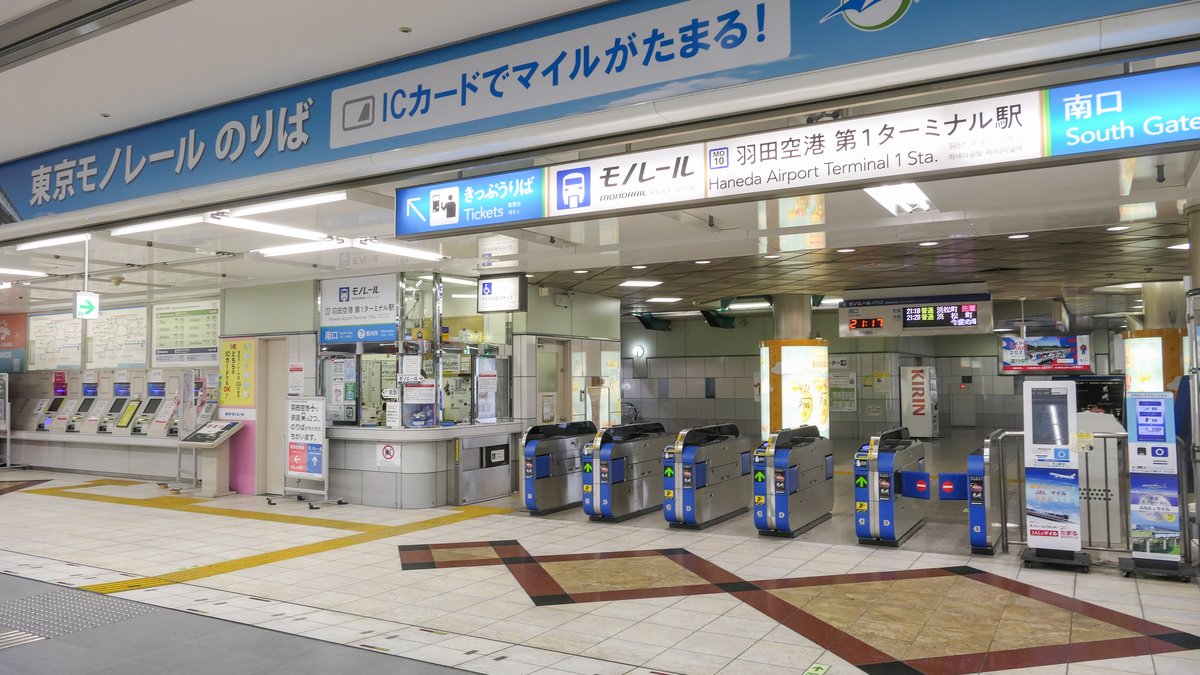
The single best thing you can do for this trip: tap through with an IC card — Suica, PASMO, or a Welcome Suica if you don't have one yet. Here's why it matters more than usual on an airport transfer:
- You don't work out the fare or buy separate tickets for the airport line and the JR leg — you tap in at Haneda and tap out at Tokyo Station, and it charges the right amount.
- The transfer is seamless — no ticket gates to puzzle over with luggage.
- You'll use the same card for the rest of your trip anyway.
New to IC cards? Our Suica & IC card guide covers which one to get and how, including the Welcome Suica for short trips.
Check Haneda transfers → Affiliate link — see disclosure.
Got a JR Pass? Take the monorail
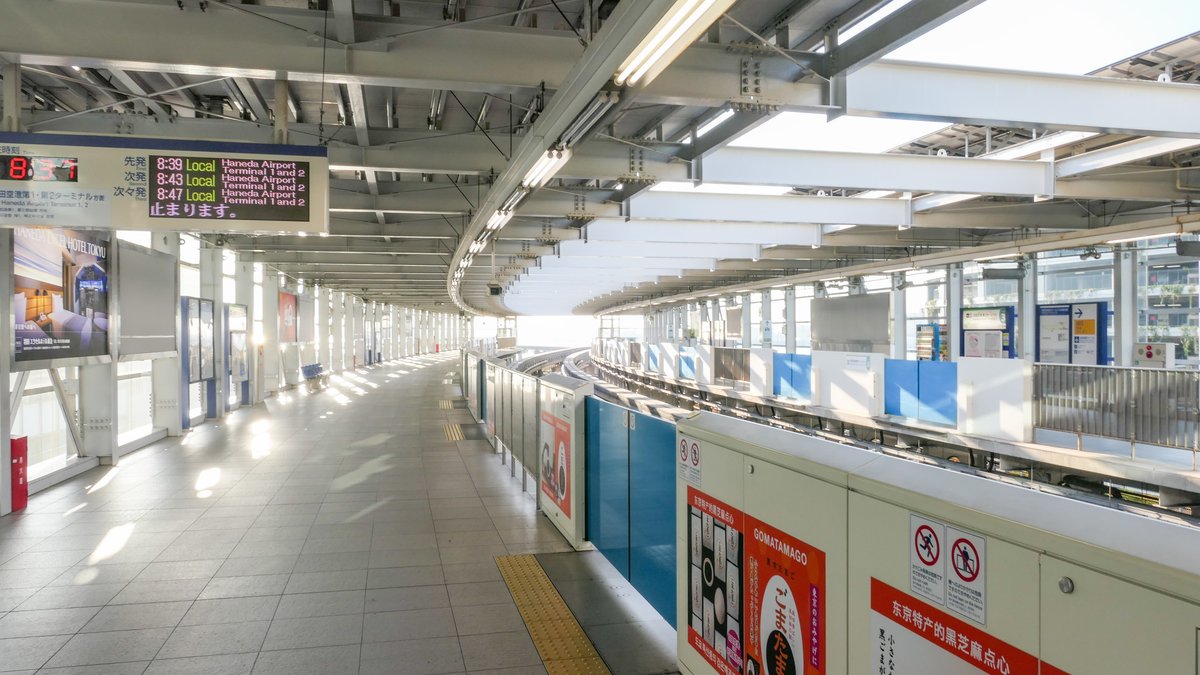
One clear tie-breaker: the Tokyo Monorail is covered by the Japan Rail Pass and the JR Tokyo Wide Pass. If you're activating a pass on arrival, the monorail route (to Hamamatsucho, then JR to Tokyo Station) is free — take it. The Keikyu Line is not a JR line, so a JR Pass won't cover it. Not sure the pass is even worth it? Our JR Pass guide is honest about when it isn't.
Which terminal, and where are the stations
Quick orientation: Terminals 1 and 2 are domestic; Terminal 3 is international, so if you're flying in from abroad you'll almost certainly arrive at T3. Every terminal has both a monorail station and a Keikyu station connected directly to it — you don't need to change terminals to reach the trains. From arrivals, follow the signs down to the station level.
Arriving late at night
Trains stop around midnight. If you land after the last train, the two backups are an airport limousine bus (where still running at that hour) or a taxi — a longer, much pricier ride into the city. If your flight is a late one, check the last-train time for your route before you land, so you know in advance whether you're taking the train or a bus.
One more late-night option: stay one station away. Keikyu EX Inn Haneda runs free pick-up shuttles from T1 and T3 until around midnight and drops you back at the terminals from 4:00 AM — a practical bridge between a late landing and an early start.
Tips for foreign visitors
- There's no direct train. Plan on one transfer — Hamamatsucho or Shinagawa.
- Tap an IC card. It handles the fare and the transfer for you.
- JR Pass? Monorail's free. Keikyu isn't covered.
- About 30 minutes either way — don't agonise over the choice.
- T3 is international. Both train stations are attached to every terminal.
- Late flight? Check the last train before you assume you can take it.
FAQ
Is there a direct train from Haneda Airport to Tokyo Station?
What’s the easiest way from Haneda to Tokyo Station?
How much does it cost to get from Haneda to Tokyo Station?
Is the monorail free with a Japan Rail Pass?
Which terminal am I arriving at, and does it have a station?
What if I arrive at Haneda late at night?
Should I take the monorail or the Keikyu Line?
Landing at Narita instead of Haneda? See our guide to the Narita Express with the JR Pass.
Bottom line (2026) — There is no direct train from Haneda to Tokyo Station — you change once, using one of two routes. An IC card beats a paper ticket, and the monorail is free with a JR Pass. Trains stop around midnight; after that, use a taxi or airport bus. Travel times from the official airport site, July 2026.
Sources
Travel times read from the official airport site in July 2026; fares given as approximate ranges to confirm live:
- Haneda Airport — official train & monorail access — travel times to Tokyo Station, Shinagawa and Hamamatsucho, terminal station layout
Travel times are from Haneda Airport's official access page (as of July 2026); fares are approximate 2026 ranges and change — check a route planner or tap an IC card for the live fare. Some links on this page may be affiliate links, which means we may earn a commission if you book or buy through them — at no extra cost to you. See our affiliate disclosure.
Tokyo to Osaka, Tokyo to Kyushu, Tokyo to Hokkaido — day by day — plus seven places most visitors never reach.
- 12 pages, 80 photographs, every stop linked to its guide
- Every price and opening hour read from the official page
- Re-issued monthly, so it does not go stale in your inbox
Free. One email a month, plus the rare change that matters. Unsubscribe with one click in any email. By subscribing you agree to our privacy policy.