Enoshima is the Tokyo area's most complete small adventure — a sacred island you climb like a pilgrimage and descend like a beach town — and in October 2025 it quietly rewrote its entire price list, which most English guides haven't noticed. The famous outdoor escalator now costs ¥500 and only goes up; the botanical garden at the summit became free by day; the lighthouse is ¥800; and the shrine's goshuin rose to ¥500 this month. Here's the island, cave candles and lunch-stealing hawks included, from official sources.
Enoshima at a glance (post-revision prices)
| Item | Official answer (Aug 2026) |
|---|---|
| Getting there | 3 stations, 15–23 min walk to the shrine · ~1 hour direct from central Tokyo · Odakyu Freepass ¥1,640 (+¥750 Romancecar) |
| Escar escalator | ¥500/¥250 all 3 sections (since Oct 2025 — old ¥360 is dead) · up only, stairs down · 8:50–19:05 |
| Cocking Garden | Free 9:00–17:00 (event nights: ¥500 after 17:00) · Sea Candle tower ¥800/¥400 |
| Shrine | Three sanctuaries, free grounds · Hoanden hall ¥200 · goshuin ¥500 (revised Aug 1, 2026) |
| Iwaya Caves | ¥500/¥200 · candle lent in the 152m first cave · rough seas close them — check same-day status |
| Aquarium | ¥2,800 adult (since Mar 2025) · seasonal hours · island+aquarium pass ¥3,940 |
Station to summit to caves, the full crossing:
The climb: escalator up, goddesses all the way
How does the three-shrine pilgrimage actually flow?
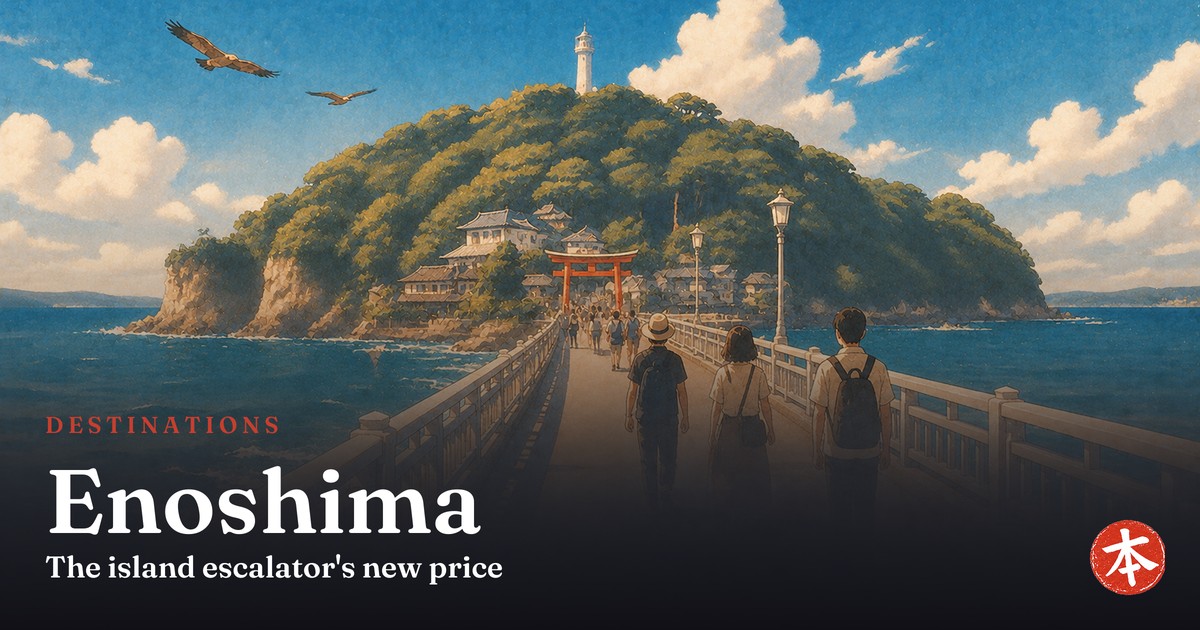
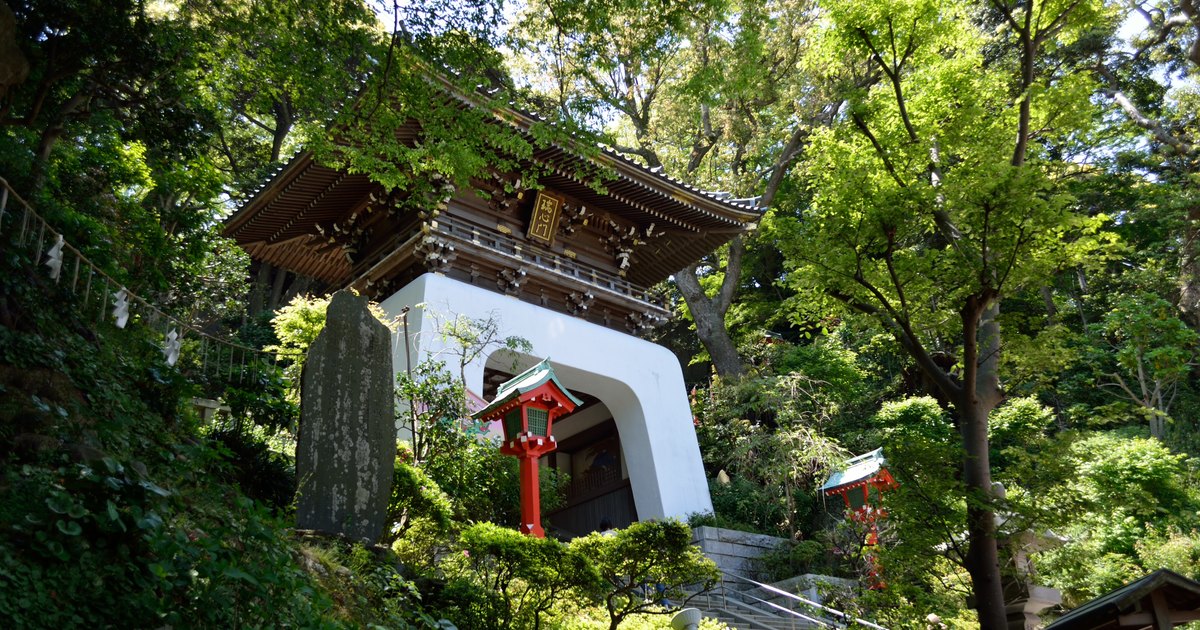
Cross the 389-meter Benten Bridge (built for the 1964 Olympics' yachting events; 15–20 minutes from the station side), pass the bronze torii into the souvenir lane, and decide at the red torii: 200-plus steps or the Escar. Japan's first outdoor escalator does the climb in three paid sections (¥500 total since October 2025) and famously never goes down — the descent is stairs, by design. The shrines arrive in order: Hetsumiya (with the octagonal Hoanden and its eight-armed Benzaiten, ¥200), Nakatsumiya five minutes on, and Okutsumiya ten minutes further at the island's far shoulder — three sister goddesses, one of Japan's three great Benzaiten sites, the sea visible between every flight of steps. Shrine offices run 8:30–17:00, and the goshuin went to ¥500 on August 1, 2026 — a revision the shrine posted itself, fresher than any guidebook.
The summit and the far shore: garden, tower, caves
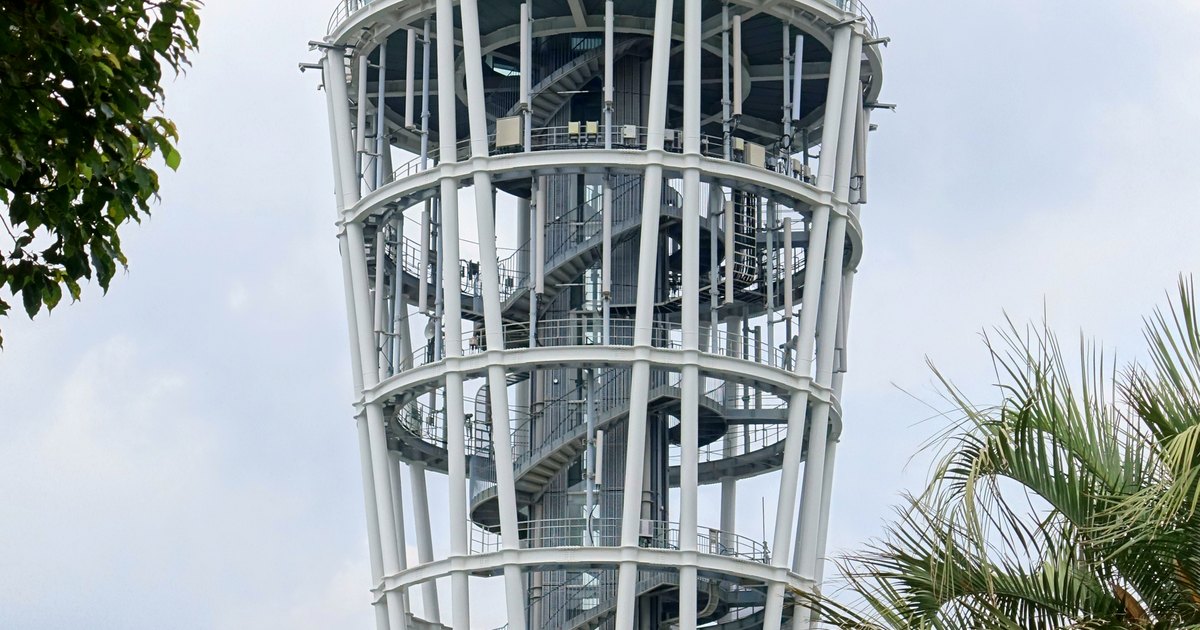
Is the Sea Candle view worth ¥800?
On a clear day, unambiguously: the observation decks hang over Sagami Bay with Mount Fuji floating across the water to the west, the Miura and Izu peninsulas bracketing the horizon, and the whole pilgrim island mapped below your feet. Winter mornings give the sharpest Fuji; summer hazes it but trades in the lantern-lit evenings. On a socked-in day, keep the ¥800 and spend it on octopus crackers — the garden below is free.
What did the 2025 price revision actually change?
Almost everything English articles quote. The Samuel Cocking Garden — the Victorian trader's greenhouse estate at the summit — is now free from 9:00 to 17:00 (and all day when no evening event runs); the ¥500 evening charge applies only during the island's event seasons, a year-round cycle running from spring's art festival through summer lanterns (early August–mid September), autumn candles, and the long winter "Shonan's Jewel" illumination. The Sea Candle inside it — the lighthouse-observatory with the Fuji-over-Sagami-Bay view — is ¥800 (up from the old ¥500), and the combo tickets re-shuffled too: escalator+garden+tower for ¥1,100, or the Enoshima 1day at ¥1,550 adding the caves. Down the island's far stairs, the Iwaya Caves stay gloriously analog: ¥500, a candle handed to you for the 152-meter first tunnel (folklore says it reaches Mount Fuji), the dragon-legend second cave next door — and a real weather dependency, so check the city's same-day operating notice before committing the walk. The Benten-maru boat (¥400, irregular, weather-permitting) shortcuts the return when it feels like running.
For a first-hand walk down to the far shore, Toni’s Fun things to do in Enoshima on 2 Aussie Travellers estimates about 250 steep steps down the southern side to rock shelves and tide pools just above the water, and notes that not much of the information inside the caves is in English.
Eating, hawks, and the Kamakura combination
Which pass math actually wins?
Run the arithmetic before buying anything. Coming only for the island from Shinjuku, the ¥1,640 Freepass beats separate tickets once you ride the Enoden even twice. Doing the full paid stack on the island — escalator, tower, caves — the ¥1,550 Enoshima 1day saves against à la carte (¥500+¥800+¥500). Adding the aquarium pushes toward the ¥3,940 island-and-aquarium pass. Skipping the escalator and towers entirely? The island's shrines and views cost nothing but stairs.
How do you keep your tako senbei?
Respect the air force. The island's black kites are skilled enough lunch thieves that the aquarium's official FAQ warns visitors about open-air eating — so eat the famous octopus-pressed crackers and shirasu snacks near the shop, back to a wall, and never raise food skyward for a photo. (The island's celebrated cats, meanwhile, have no official census — enjoy them, trust no numbers.) Logistics for the larger day: Enoshima pairs naturally with Kamakura via the Enoden tram (¥260 to the island's station; the ¥800 Noriorikun day pass covers hopping), and the Odakyu Enoshima-Kamakura Freepass (¥1,640 from Shinjuku) remains the classic wrapper — details of every route in our Tokyo-to-Kamakura transit guide. Build the full coastal day with our Kamakura guide, and if the aquarium's jellyfish hall calls, current prices and the island-plus-aquarium pass are in the table above. Dated revisions like the Escar's new fare live on the 2026 changes tracker.
FAQ
How do you get to Enoshima from Tokyo?
What is the Enoshima Escar — and why can’t you ride it down?
Is the Samuel Cocking Garden really free now?
What’s the deal with the three shrines?
What are the Iwaya Caves like?
Can you skip the walk back around the island?
Is the aquarium worth adding?
What’s this about hawks stealing food?
When should you visit — and how long does the island take?
Bottom line (2026) — Enoshima quietly rewrote its price list in October 2025: the outdoor Escar escalator now costs ¥500 and only goes up, the Sea Candle tower is ¥800, and the Samuel Cocking Garden became free by day. On top of that you get a three-shrine goddess pilgrimage and a candle-lit cave — an easy day trip from Tokyo.
Sources
Escar, Sea Candle, Cocking Garden and combo prices, hours, the up-only rule and the October 2025 revision notice: the operator's (Enoshima Electric Railway) official Sea Candle site. Shrine structure, Hoanden fee, office hours, walking times, bridge history and the goshuin revision: Enoshima Shrine's official site. Cave prices, dimensions and the day-of status system: Fujisawa City's official tourism pages, with English corroboration from the city's Discover Fujisawa site (including the free-candle detail and the ferry's irregular schedule). Aquarium prices and the kite warning: the aquarium's official pages. Passes: Odakyu's official global site. All read on August 20, 2026. The embedded video is by its creator.
Some links on this page may be affiliate links, which means we may earn a commission if you book or buy through them — at no extra cost to you. See our affiliate disclosure.
Tokyo to Osaka, Tokyo to Kyushu, Tokyo to Hokkaido — day by day — plus seven places most visitors never reach.
- 12 pages, 80 photographs, every stop linked to its guide
- Every price and opening hour read from the official page
- Re-issued monthly, so it does not go stale in your inbox
Free. One email a month, plus the rare change that matters. Unsubscribe with one click in any email. By subscribing you agree to our privacy policy.