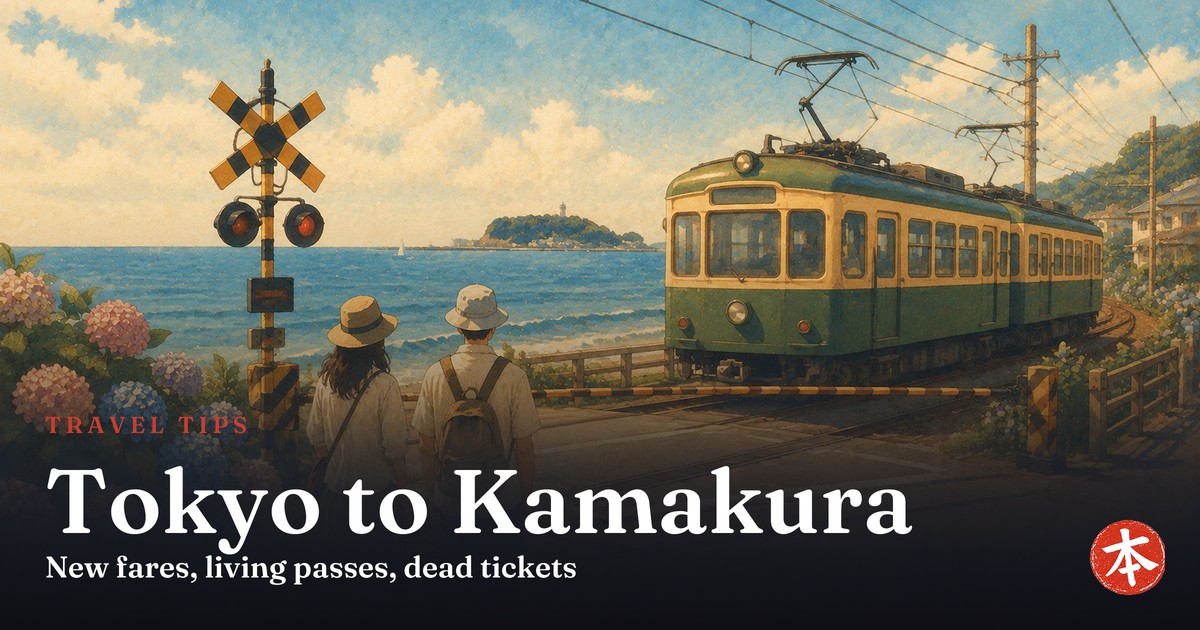
The Tokyo–Kamakura run is Japan's classic day trip, and its English-language documentation quietly expired on March 14, 2026, when JR's fare revision killed the ¥940 everyone quotes: the direct train is now ¥1,040 (¥1,034 by IC — cards beat paper for the first time). Add the ¥700 JR pass that died in 2020 but still tops blog lists, an Odakyu pass that's the real living deal at ¥1,640, and the Enoden's ¥800 day pass, and the corridor deserves a clean 2026 rewrite. Here it is, from official fare tables.
Tokyo → Kamakura at a glance
| Route | Official answer (Aug 2026) |
|---|---|
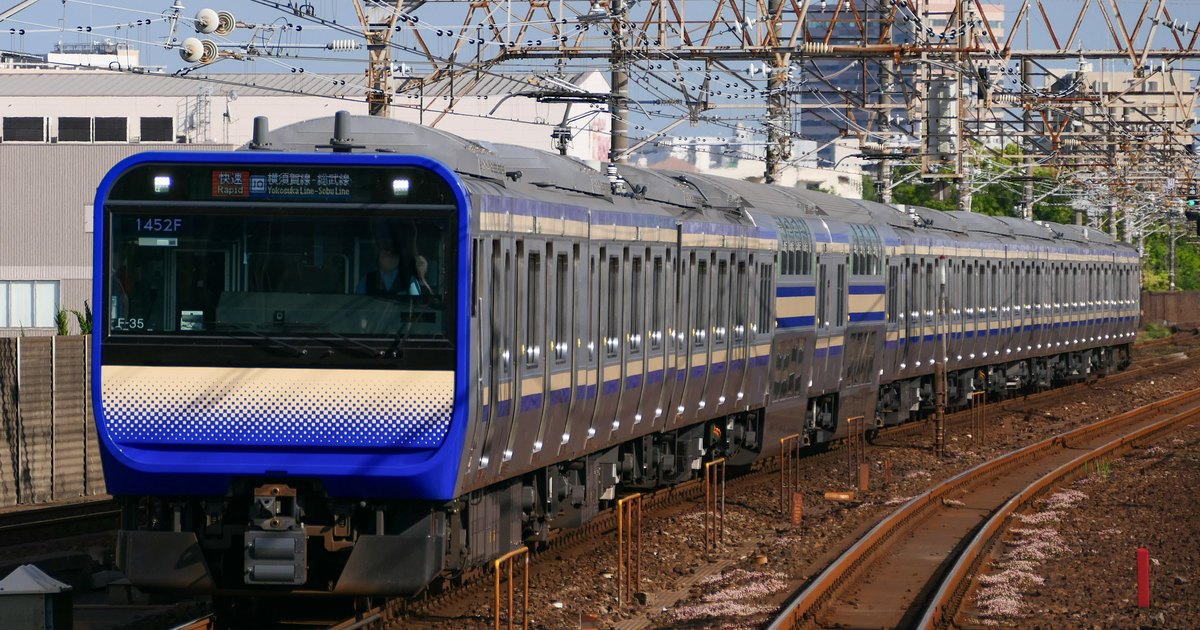
| JR Yokosuka line (Tokyo Stn, direct) | ¥1,040 / IC ¥1,034 (revised Mar 14, 2026) · Green Car +¥1,000 Suica / +¥1,260 paper |
| JR Shonan-Shinjuku line (Shinjuku/Shibuya) | Same fare: ¥1,040 / ¥1,034 · take Zushi-bound through-trains, else change at Ofuna |
| Odakyu + Freepass (Shinjuku) | ¥1,640 (child ¥430) · Odakyu round trip + Fujisawa–Katase-Enoshima + all Enoden, 1 day · Romancecar +¥750 |
| Enoden locally | Kamakura–Hase ¥200 (~4 min) · Kamakura–Enoshima ¥260 (~24 min) · day pass ¥800 |
| Shonan Monorail | Ofuna–Shonan-Enoshima ¥340 (since Mar 2026) |
| Dead options | 🚨 JR Kamakura-Enoshima Pass (¥700): discontinued Mar 31, 2020 · JR round-trip paper tickets: ended Mar 13, 2026 |
The routes and transfers, shown door to door:
The JR route: simplest, now correctly priced
What did the March 2026 revision actually change for this trip?
Three things worth a traveler's attention. The fare: Tokyo–Kamakura sits in the trunk-line 51–60km band at ¥1,040 paper / ¥1,034 IC — up from ¥950/¥945, and with the odd new twist that IC is cheaper than paper (JR's pamphlet shows the flip across the table). The structure: the old "electric-car special zone" categories merged into the trunk table and the barrier-free surcharge disappeared as a separate line — so older fare explanations are wrong in mechanism, not just amount. And the housekeeping: round-trip paper tickets ended March 13, 2026 — tap in, tap back, or buy two singles. What didn't change, explicitly: Green Car and express fees, so the bilevel Green Car remains ¥1,000 by Suica (¥1,260 paper) — the civilized upgrade for the Sunday-morning run down. From Shinjuku or Shibuya, the Shonan-Shinjuku line's Zushi-bound through-trains do it transfer-free at the identical fare.
Not sure which IC card to get? Our Japan IC card guide asks for your phone, your airport and how long you are staying, and tells you whether Welcome Suica Mobile, Welcome Suica, TOURIST PASMO, Suica or ICOCA fits.
The Odakyu route: the living pass
Where do you actually buy each ticket?
JR needs nothing but an IC card — tap in at any gate — or a machine-issued single; Welcome Suica works everywhere on the route. The Odakyu Freepass sells at Shinjuku's Odakyu machines and windows, and digitally in the EMot app at the same ¥1,640 (purchasable from a month out); Romancecar seats add on through e-Romancecar in English. The Enoden's ¥800 day pass sells at every station's machines on the day — no planning required. Nothing on this corridor needs booking ahead except a Romancecar panorama seat.
Who actually wins with the ¥1,640 Freepass?
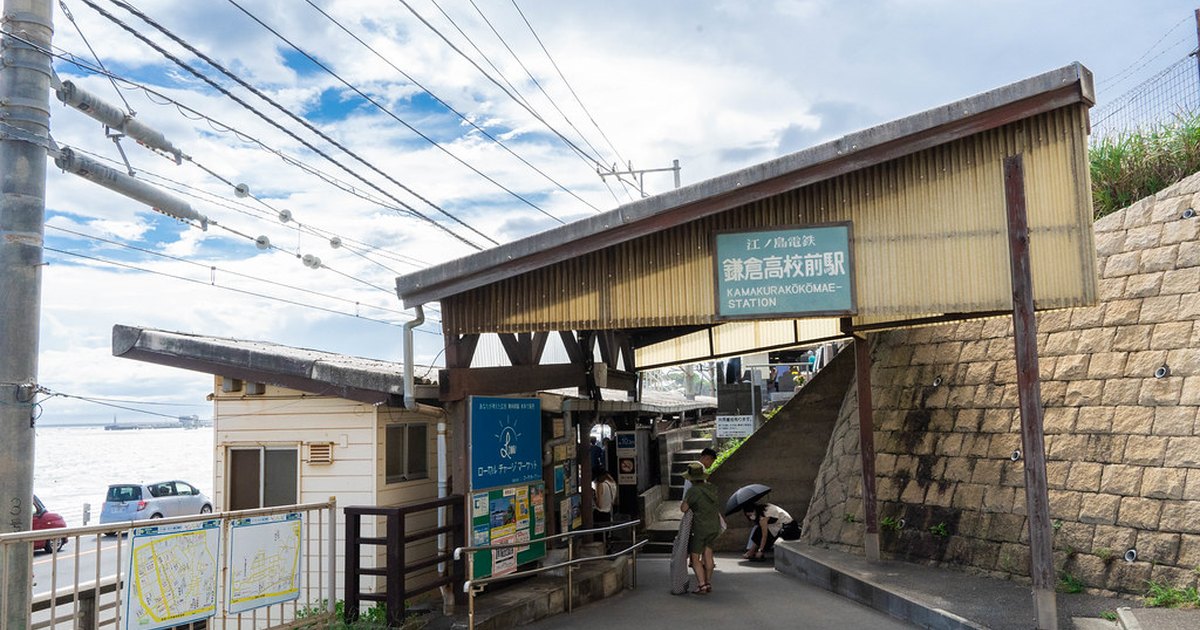
Anyone whose day is really about the coast. The Enoshima-Kamakura Freepass (¥1,640 from Shinjuku, one day) buys the Shinjuku–Fujisawa round trip, the little Katase-Enoshima stub, and — the crown jewel — unlimited Enoden, which converts the famous tram from a fare meter into a hop-on toy: island, Kamakokomae's railroad-crossing view, Hase's Buddha, Kamakura, in any order, all day. Add ¥750 (¥700 ticketless) and the Romancecar carries you to the island end reserved and seated. Read the boundaries before buying: no JR, no monorail, and Odakyu coverage starts at Fujisawa — for a temples-first Kamakura day with no island, plain JR beats it. Either way the walking end of the trip is mapped in our Kamakura guide and station-by-station map, and the island itself in the Enoshima guide.
The connectors: Enoden, monorail, and the loop play
When should you travel to dodge the crush?
The corridor's congestion is brutally predictable: weekend late mornings outbound and 16:00–18:00 inbound are packed standing-room on the JR side, and the Enoden's two-car trains reach genuine squeeze between Kamakura and Hase from mid-morning on fine weekends. The plays: leave Tokyo before 8:30 (the Green Car earns its fee here), ride the Enoden's coastal stretch before 10:00 or after 16:00, and on hydrangea weekends in June treat the whole line as a festival queue — beautiful, but budget the time. Weekdays, none of this applies and the corridor is a pleasure end to end.
What's the smartest full-day routing?
Make it a loop and every leg becomes sightseeing. Morning: JR to Kamakura (¥1,034, Japan Rail Pass holders free — the pass covers JR here but none of the private lines, per its own conditions), temples while the tour buses are still loading. Midday: the Enoden west — ¥200 to Hase for the Buddha, onward to the island at ¥260, or the ¥800 Noriorikun day pass once you're hopping (three rides breaks even; the old ¥650 price is long dead). Afternoon: Enoshima. Evening: exit via the Shonan Monorail — ¥340 of suspended-railway swagger over the hills to Ofuna — and JR home. Every IC card taps through all four systems, the loop repeats nothing, and the day's whole rail bill lands under ¥3,000 without a single queue at a ticket window.
(For the westbound long haul instead, Tokyo to Kyoto runs the same official-fares treatment on the shinkansen corridor.)
FAQ
How much is the train from Tokyo to Kamakura now?
Is there a direct train from Shinjuku or Shibuya?
Is the Green Car worth it?
What happened to the JR Kamakura-Enoshima Pass?
How does the Odakyu Freepass route work?
JR or Odakyu — which should I choose?
How do I get around Kamakura once there?
Does the Japan Rail Pass cover this trip?
What about the Shonan Monorail route?
Bottom line (2026) — The ¥940 Tokyo–Kamakura fare that every English guide quotes died in March 2026 — it’s now ¥1,040, and IC is cheaper than paper for the first time. The JR Kamakura-Enoshima Pass old blogs recommend was discontinued in 2020. What actually works: the Yokosuka line or the ¥1,640 Odakyu Freepass.
Sources
JR fares: JR East's official post-revision fare search system (queried directly for Tokyo/Shinjuku/Shibuya–Kamakura, base and Green fares) and the official revision pamphlet (fare tables, the IC/paper relationship, the round-trip discontinuation and the unchanged-fees statement). The 2020 pass discontinuation: JR East Yokohama branch's official press release. Odakyu fares, Freepass price, coverage and conditions: Odakyu's official fare tables and Freepass pages. Enoden fares, times (posted as approximate) and day pass: the railway's official fare and ticket pages and English FAQ. Shonan Monorail fares: its official ticket page. Japan Rail Pass conditions: the pass's official site. All read on August 20, 2026. The embedded video is by its creator.
Some links on this page may be affiliate links, which means we may earn a commission if you book or buy through them — at no extra cost to you. See our affiliate disclosure.
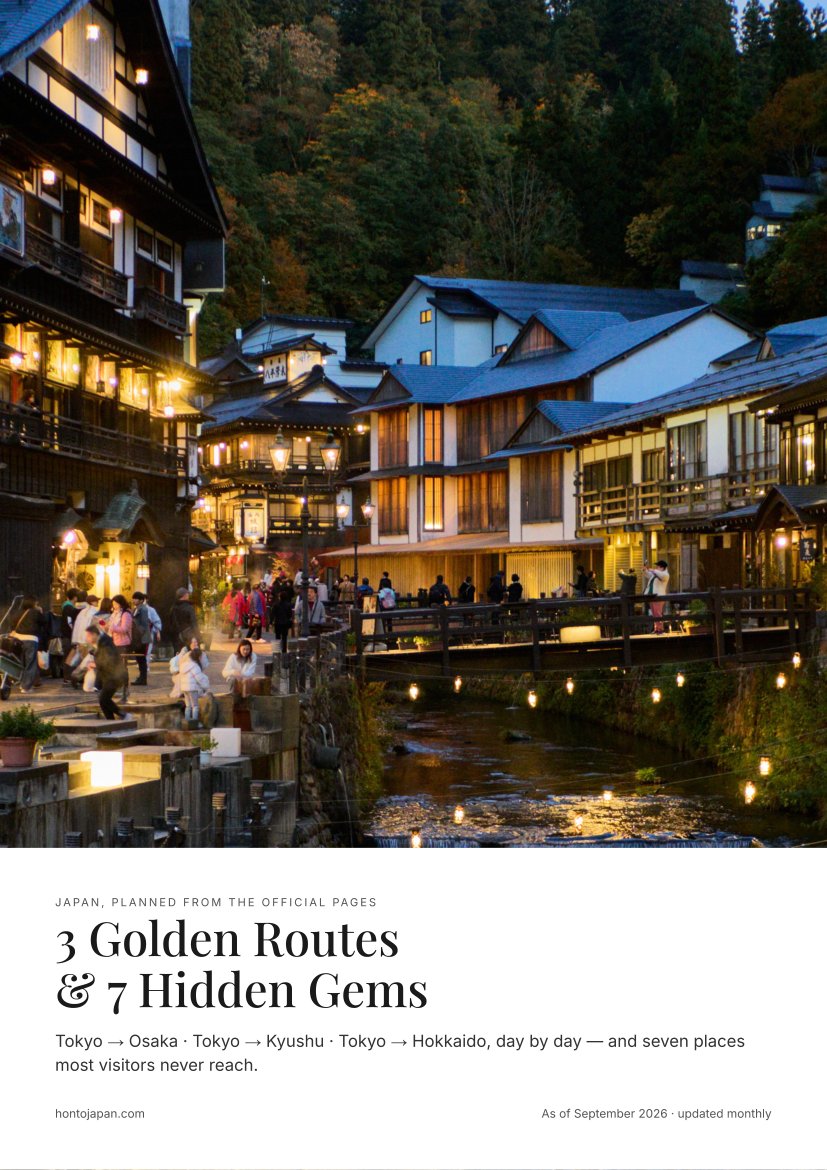
Tokyo to Osaka, Tokyo to Kyushu, Tokyo to Hokkaido — day by day — plus seven places most visitors never reach.
- 12 pages, 80 photographs, every stop linked to its guide
- Every price and opening hour read from the official page
- Re-issued monthly, so it does not go stale in your inbox
Free. One email a month, plus the rare change that matters. Unsubscribe with one click in any email. By subscribing you agree to our privacy policy.