Honto Japan Editorial– Author –

-

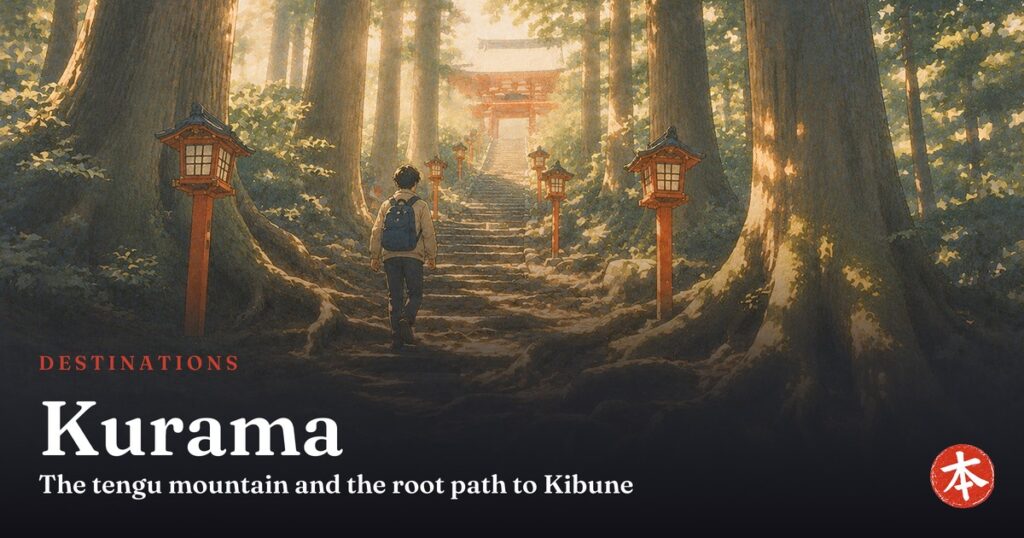
Kurama (2026): Kyoto’s Tengu Mountain — the ¥500 Temple, the Root Path to Kibune, and an Onsen Back From the Dead
Thirty scenic rail minutes north of Kyoto, Kurama stacks a 770 AD mountain temple (entry ¥500 — not the ¥300 old guides quote), the cedar-root hiking path where a boy samurai allegedly trained with tengu, the water-blessed shrine village of Kibune, and a hot spring that quietly reopened. The full mountain day, priced from official pages. -
Tsukemen in Tokyo (2026): Where Dipping Ramen Was Born, the 7:30 A.M. Rokurinsha Trick, and How to Order It Right
Tsukemen — thick noodles dipped into concentrated broth — was born at a Tokyo shop in 1955, and the city still sets the standard: Rokurinsha's Tokyo Station queue (beatable at 7:30 a.m.), Fu-unji's 15-seat cult counter (¥1,000, now open daily), Tsujita's three-stage eating method. The origin story, the etiquette, and the shops — from official pages only. -
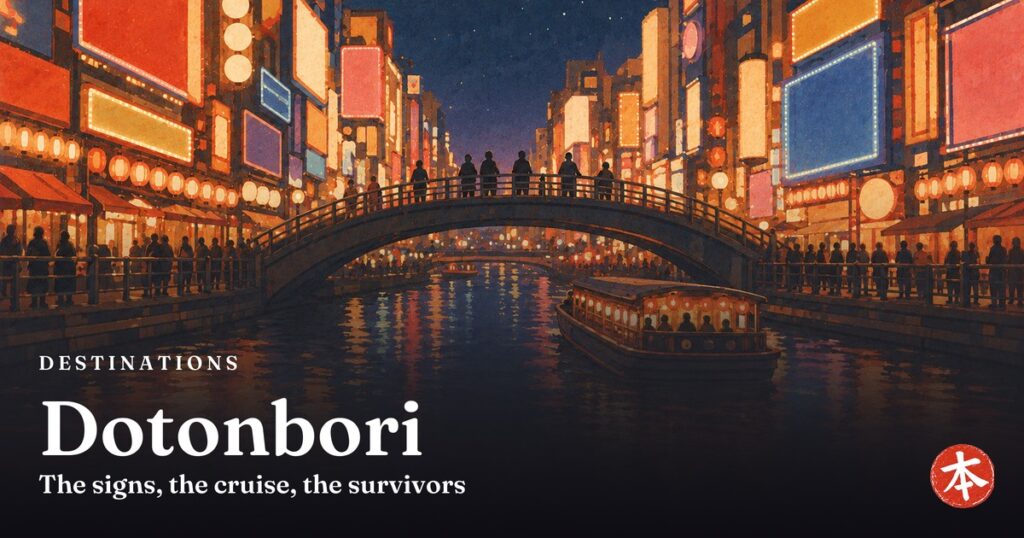
Dotonbori (2026): The Glico Sign’s Real Hours, the ¥2,000 Canal Cruise, and the Famous Restaurant That No Longer Exists
Osaka's neon canal district runs on facts most guides get wrong: the Glico sign lights only until midnight, the river cruise went up to ¥2,000 in 2025, the pufferfish-lantern institution Zuboraya closed for good — and a 400-year-old temple alley hides one block south. Dotonbori by official sources: the canal's 1615 origin, the signs, the boats and where to actually eat. -
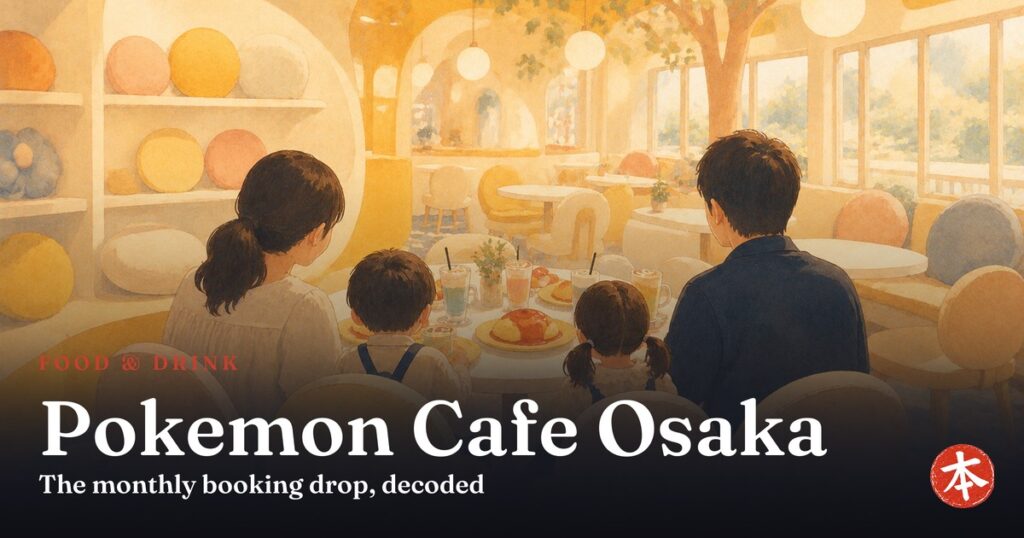
Pokemon Cafe Osaka (2026): Booking, the Real Menu Prices, and How It Differs From Tokyo
The Shinsaibashi Pokemon Cafe runs on the same monthly ticket-drop system as Tokyo — but with different seat rules, a different meeting time and its own booking site. Here's the current reservation playbook, the full 2026 menu with official prices (curry plate ¥2,530, Pikachu parfait show included), and the Tokyo-vs-Osaka differences no one else documents. -
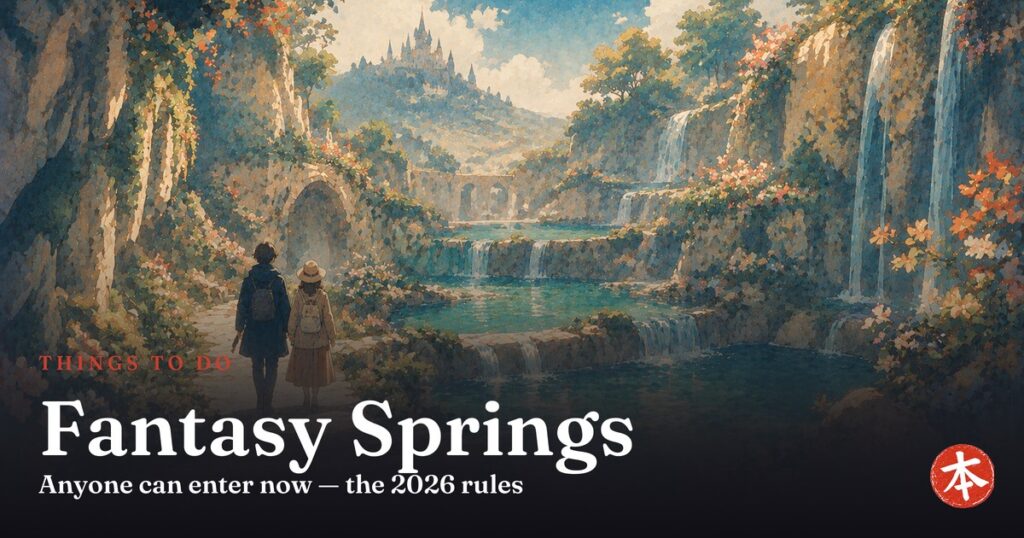
Fantasy Springs in 2026: Anyone Can Enter Now — the Entry-Pass Era Is Over, and Most Guides Haven’t Noticed
Tokyo DisneySea's Frozen-Rapunzel-Peter Pan land opened in 2024 behind a notorious entry-pass system — and that system is gone. The current official FAQ says it plainly: anyone in the park can walk in, every attraction takes the regular line. Here's how the area actually works in 2026: the four rides, the paid-skip reality, the hotel-gate privileges and the Mobile Order restaurants. -
Capsule Hotels in Tokyo (2026): Why Nothing Locks, Who Can Actually Stay, and the Two Chains Worth Knowing
Tokyo's capsule hotels run on rules most guides get wrong: the pods can't lock because of Japan's lodging law (not fire codes), age limits differ wildly by chain (6+, 13+, 18+ on some pages), women-only floors and buildings are standard now — and at Nine Hours, even multi-night guests leave their capsule from 11:00 to 15:00. The system, the chains and the etiquette, from official sources. -
Buying Anime Figures in Japan (2026): The Akihabara Circuit, New vs Used Codes, and the Tax Change That Rewrites Receipts
Akihabara's figure hunt runs on knowledge: which store opens when (noon, eleven, ten — never assume), what 'unopened' officially means in the used market, why Ichiban Kuji lottery prizes can't follow you home, and how November 2026's tax-free overhaul changes checkout math. The complete circuit — AmiAmi, Kotobukiya, Tamashii Nations, Volks, Suruga-ya — from official sources. -
Mochi in Tokyo (2026): Five Historic Shops, the Sellout Clock, and a ¥237 Masterpiece
Tokyo's great mochi is sold by shops older than the word 'Tokyo' — an 1819 dango house in Nippori, a riverside kusamochi maker, Shinjuku's ¥237 mitarashi — and almost all of them run on one rule guides ignore: when it sells out, the shutters close. Where to go, when to arrive, what the shops officially publish (and honestly don't), plus the mochi-eating safety advice Japan's own government issues. -
Kaiseki in Tokyo (2026): Four Houses With Real Published Prices — and the Service-Charge Math Nobody Does
Tokyo's kaiseki scene can be entered for ¥9,000 all-inclusive at the Imperial Hotel's Nadaman or crowned at ¥99,000 in a New Otani garden villa — but comparing menus is a trap: some houses quote tax-in-plus-20%-service, others fold everything in. Here's the honest math for four restaurants with official published prices, the 30-minute lunch window at Kikunoi, and the famous names to stop recommending. -
Ginzan Onsen from Tokyo (2026): The Route, the ¥1,000 Bus, and How Winter Access Really Works Now
The gas-lit Taisho-era onsen street of every winter-Japan photo takes one shinkansen and one ¥1,000 bus to reach — and one honest caveat: last winter's crowd-control system (car bans, priority passes) officially ended March 1, 2026, and next winter's rules aren't announced yet. Here's the route, the day-bath reality, the gas-lamp hours, and what to trust from official pages. -
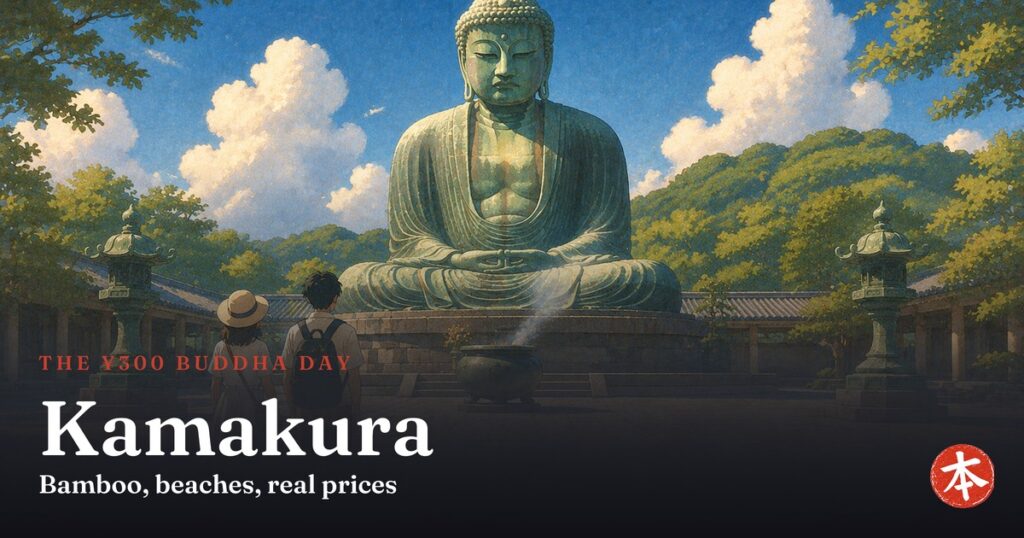
Things to Do in Kamakura (2026): The Big Buddha for ¥300, the Bamboo Temple, and the Prices Guides Keep Getting Wrong
Kamakura packs a 750-year-old bronze Buddha (¥300, plus ¥50 to climb inside), a 2,000-stalk bamboo garden with ¥600 matcha, a money-washing shrine and a beach into one day trip — and almost every English guide quotes prices one or two revisions old. Here's the current official sheet, the ¥800 Enoden day pass, and what the 'no eating while walking' rule really says. -
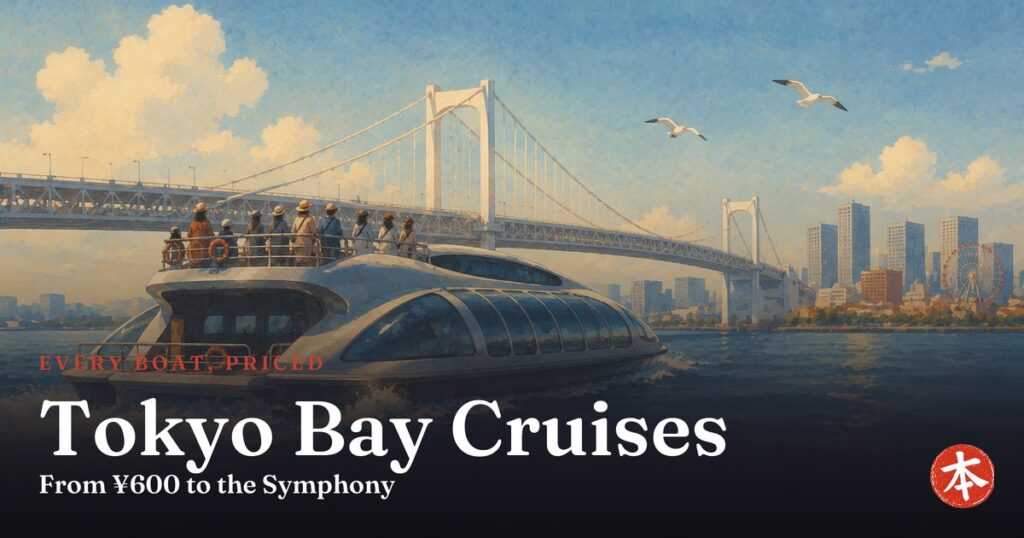
Tokyo Bay Cruise Guide (2026): Symphony Dinners, ¥600 Water Buses, and the Boats That Stopped Running
Tokyo's bay comes in every budget: futuristic water buses from ¥600, the Symphony's white-tablecloth dinner cruises from ¥15,000 under Rainbow Bridge, and yakatabune party boats. Also, two things most guides haven't noticed: the Mizube Line water bus has been suspended all year, and the famous red Atakemaru's website has gone dark. The 2026 state of the bay, from official sources.