If your train in Japan is delayed or stopped, three questions come first: where to check what is running, whether you get money back, and how to keep going. This page answers them from the railways’ own pages. The short version: a Shinkansen or limited express 2 hours or more late refunds its limited express charge; a JR Pass is never extended; and if you ride by tapping Suica or ICOCA, you cannot use the free substitute routes.
If the cause is a typhoon or heavy rain, our typhoon season guide covers planned suspensions in more depth, and our weather warnings guide explains the alerts.
Train delays in Japan: the rules at a glance
| Situation | What the railways say |
|---|---|
| Limited express or Shinkansen 2 hours or more late | Limited express charge refunded in full; not Green Car or Gran Class |
| Train canceled before you ride | Full fare and charges refunded |
| Train stops partway | Unused fare and the canceled limited express charge refunded; free ride back to your start |
| JR Pass and other passes | No extension, no refund once started |
| Substitute transport | Not for IC card rides (Suica, PASMO, ICOCA), except commuter passes |
| Delay certificate | Online for local trains; not proof you rode, not compensation |
| Missed flight or hotel | Not compensated |
From JR Central, JR East, JR West, Japan Rail Pass, Tokyo Metro and Osaka Metro pages, read October 7, 2026.
Where do I check train delays in Japan in English?
| Railway | English service page | Delays it posts |
|---|---|---|
| JR East | Train information | Over 30 minutes, 4:00 to 2:00 |
| JR Central (Tokaido Shinkansen) | Shinkansen service | Threshold not stated |
| JR West | Train service status | Over 15 minutes; 10 for the Sanyo and Hokuriku Shinkansen |
| Tokyo Metro | Service Information on the home page | 5 minutes or more |
| Osaka Metro | Service information | 10 minutes or more |
From each railway’s page, read October 7, 2026. JR West posts delays over 15 minutes from 6:00 to midnight, and on Kyoto-Osaka-Kobe local lines from 4:00 to 2:00, with a 10-minute threshold from 7:00 to 9:00.
What do the pages leave out?
JR East says delays of a few minutes are not reported, its page is updated 5 to 10 minutes after a delay begins, part of it is AI-translated, and it does not refresh on its own; Osaka Metro says the same about refreshing. For Shinkansen and limited express delays, including the Narita Express, JR East points to its Infoline, 050-2016-1603, from 10:00 to 18:00. JR East, JR Central and JR West also post service updates on X, and JR Central has a timetable app with real-time train information.
What will I see in the station?
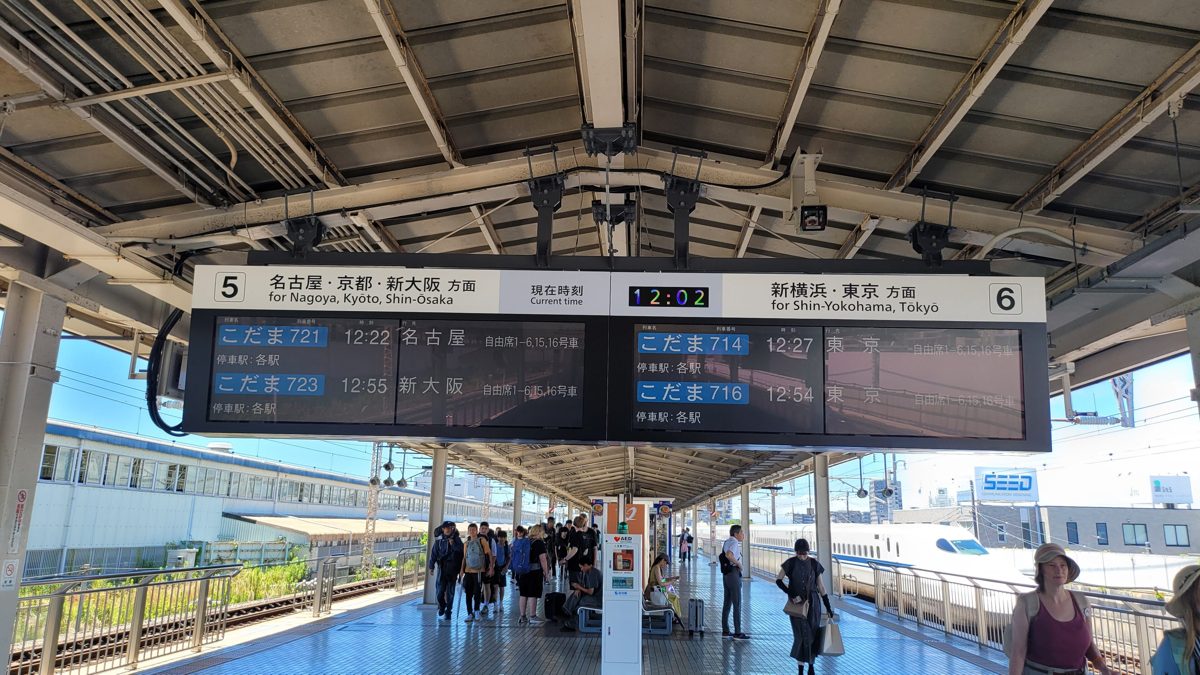
Tokyo Metro says that when a train is 5 minutes or more late or suspended, the display by each ticket gate shows it in English, Chinese and Korean, and that it makes announcements in English in stations during a temporary suspension. Its free app for visitors, Tokyo Metro For Tourists, comes in six languages. JR West asks passengers to check the displays and posters in the station.
Do I get a refund when my train in Japan is late?
The 2-hour rule
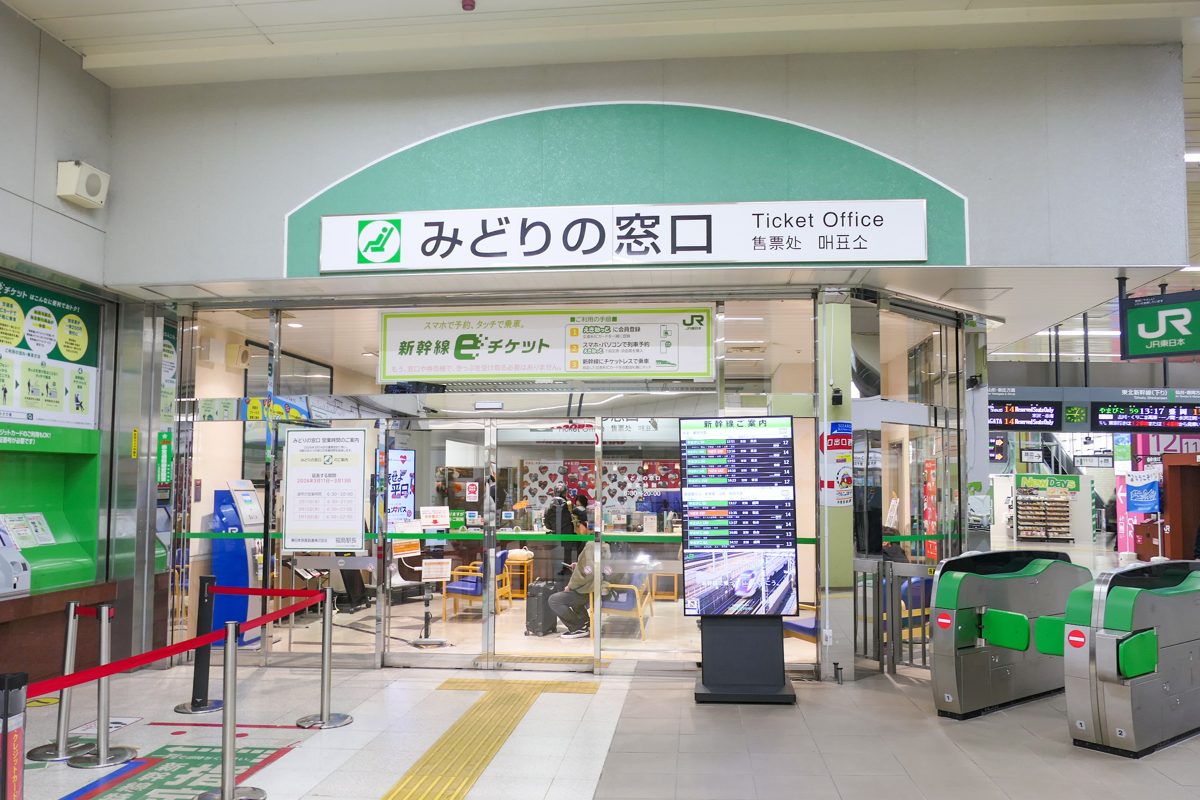
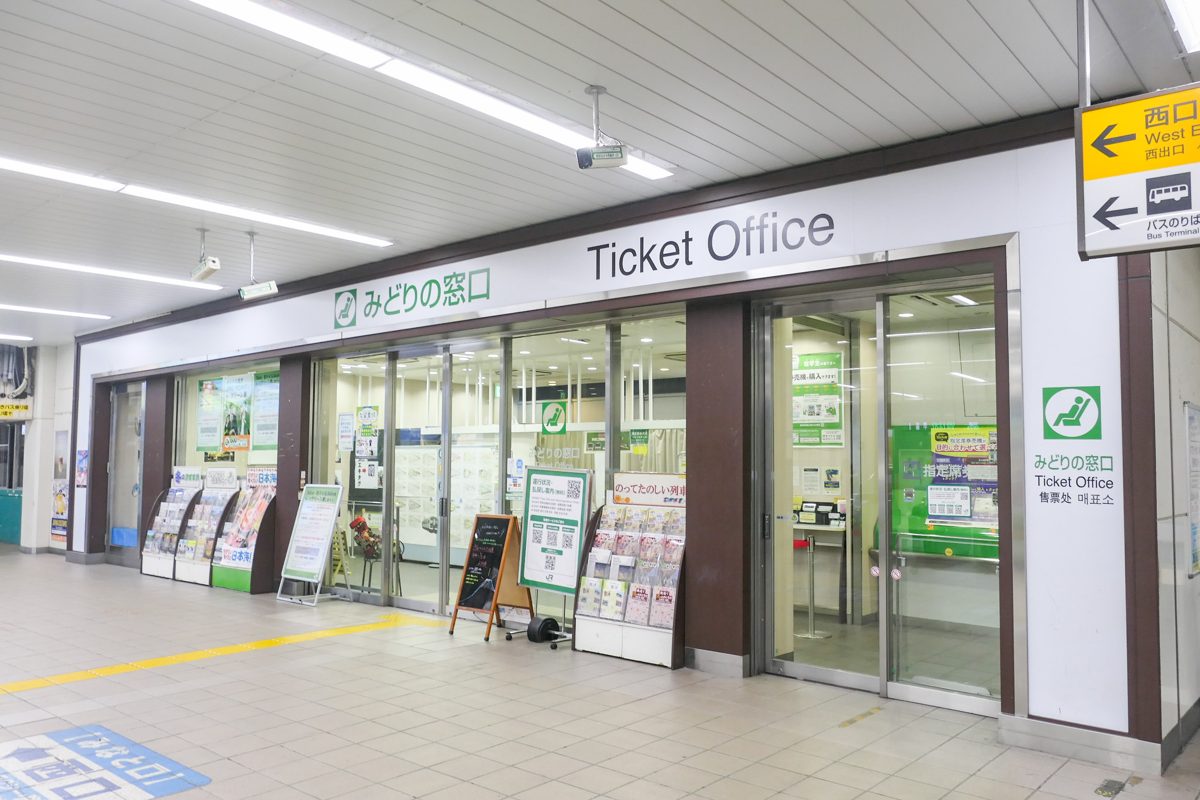
If a limited express or Shinkansen arrives 2 hours or more late, the limited express charge is refunded in full. JR West’s FAQ adds that Green Car and Gran Class charges are not refunded. The pages name the limited express charge, not the base fare. JR Central treats a missed connection the same way: if a late train makes you miss a connection and you arrive more than two hours late, it is handled like a trip canceled partway. Go to a JR ticket office (Midori-no-madoguchi) or a travel agency; JR East accepts claims for up to one year from the day after the delay.
What if I hold a Nozomi or Mizuho ticket with a JR Pass?
The Japan Rail Pass site says that if a Nozomi or Mizuho train you hold a special ticket for is delayed by over two hours, you should go through a staffed gate and tell JR staff, and the ticket may be refunded, within one year. Our Nozomi tickets guide covers that ticket.
These refund figures are the railways’ own wording. JR West writes “2 hours or more”, while JR Central and the JR Pass site say “more than” or “over” two hours; if your train is close to exactly two hours late, ask at the ticket office.
When a train in Japan is canceled: refunds and changes
Refunds
JR Central’s English page is the clearest: if a train is canceled, the full fare and charges are refunded. If it is canceled partway, you get the fare for the rest of the journey and the full limited express charge for the canceled train, and you can ride back to your starting station free, with a full refund. Discount tickets are handled case by case. JR West says that after a natural disaster such as a typhoon or heavy snow, eligible tickets are refunded without a handling fee at a station within one year of the boarding date.
Changing to another train
JR West says that after a cancellation or a major delay, you can change at the ticket office to a reserved seat on another train the same day, for the same section and the same seat type, even if you have already changed the ticket once. If no reserved seats are left, it changes you to a non-reserved or standing ticket and refunds half the limited express charge and all of any Green Car, Gran Class or sleeper charge. It notes that passes for overseas visitors and tickets from travel agencies may be handled differently.
Tickets booked online with JR West
If you booked on JR West’s online reservation site and had not picked up the ticket, the support center handles it and e-mails eligible customers; JR West asks you not to request a refund on the site yourself. If you had picked it up, take the ticket and the credit card you paid with to a ticket office in a large station.
Train delays in Japan with a JR Pass
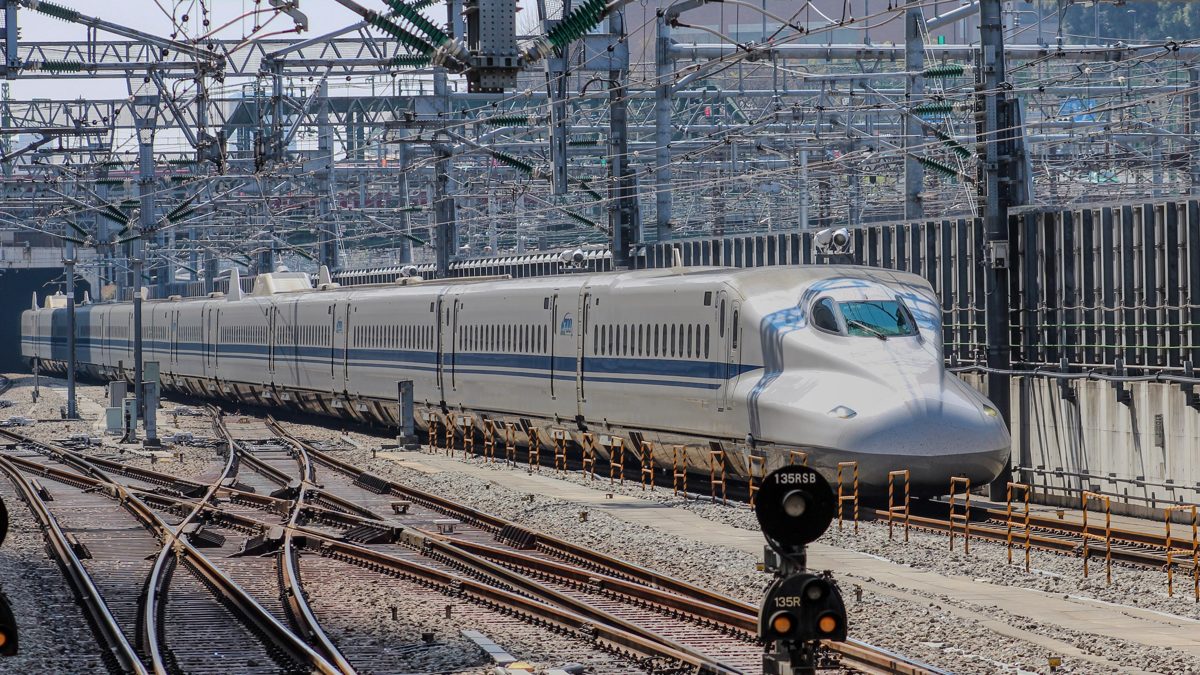
To change or cancel a reserved seat, do it before the train’s departure time; after a reserved-seat ticket is issued, changes are made at a station ticket window. The pass does not guarantee a seat, and you cannot switch to a reserved seat after boarding. JR West’s FAQ notes that pass holders can ride the non-reserved cars of Shinkansen and limited express trains other than the Nozomi and Mizuho without booking, which helps when you need the next train that has non-reserved cars. The pass site does not say what happens to a seat you booked on a canceled train, so ask at the window. See our JR Pass guide.
Substitute transport: why Suica riders lose out
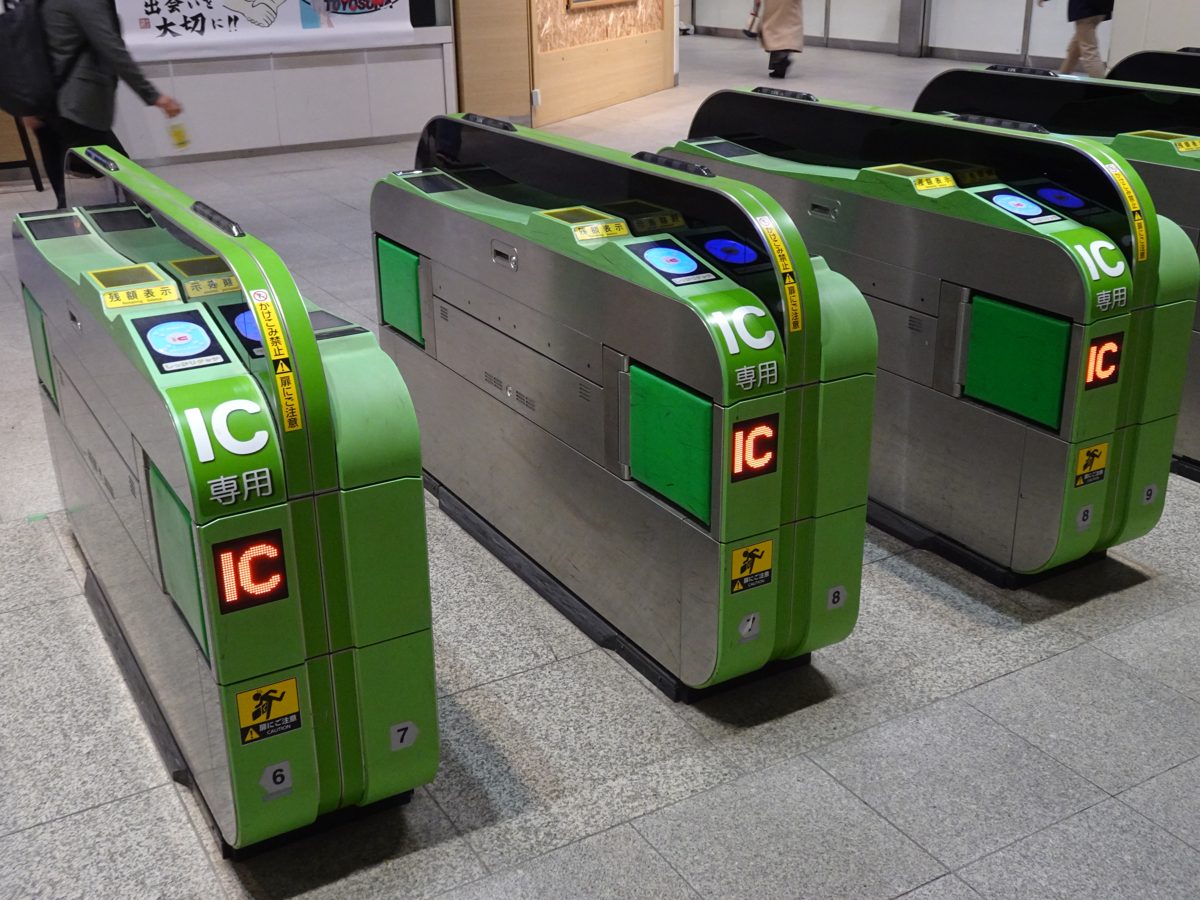
When a line stops, railways can let ticket holders finish the same trip on another company’s line at no extra cost. Tokyo Metro calls it alternative transportation, JR West calls it replacement transport (furikae yuso), and they announce it in stations and on trains. Staff at the gate of the stopped line check your ticket and may hand you a slip, but Tokyo Metro says showing a valid ticket at the other company’s gate can be enough.
What counts, and what does not?
What does count: paper tickets, magnetic passes and Tokyo Metro’s 1-Day Open Tickets. Tokyo Metro says taxis are never covered, though a bus may be offered; Osaka Metro says other routes or taxis are at your own cost, and that substitute transport may take time to start or may not be offered at all. No page names the Tokyo Subway Ticket specifically; our Tokyo Subway Ticket guide and Suica guide cover how each works.
What is a delay certificate in Japan?
A delay certificate (chien shomeisho) is a railway’s record of how late a line ran in a time band. What each railway offers is narrow:
Who issues them, and for how long?
- JR East posts them online for delays of about 5 minutes or more on local trains on conventional lines; limited express, special and charter trains are excluded. A certificate shows the maximum delay on that route, not your train, and is not proof that you rode.
- JR Central posts them for 5 minutes or more, for 30 days, but excludes the Tokaido Shinkansen and reserved-seat trains; for those, ask station staff. After you get home, it takes requests through its feedback form.
- Tokyo Metro ended paper certificates on April 1, 2026; they are now on its website and app only, in Japanese, for 35 days, rounded up to 10 minutes.
- Osaka Metro posts them for 5 minutes or more, for 35 days, and says they do not certify compensation.
Will a certificate get me compensation?
JR Central adds that even with a certificate, it is not liable for damages. JR West says it cannot compensate for missed flights or hotel stays, and JR East says the same about extra costs caused by delays. If a flight or a hotel is at stake, leave a buffer of a few hours, and keep the airline’s own number to hand.
Before a typhoon: planned suspensions
JR Central says that when heavy rain or strong wind is expected to stop trains for a long time, it may suspend service in advance and tell passengers. JR East says it may cancel trains ahead of time based on Japan Meteorological Agency information, announces it on its website, in stations and on social media, and warns that stations are very crowded just after service resumes because fewer trains run. No railway says how many hours ahead it announces. JNTO’s 24-hour hotline, 050-3816-2787, helps visitors in English, Chinese and Korean.
Why does service take long to come back?
JR East explains that before heavy rain it may move trains to safe places to keep them from flooding, so after the storm it takes time to bring them back before service restarts. It announces as the restart time the time when passengers can ride safely. JNTO also offers Safety tips, a free alert app for foreign visitors.
What does canceling cost if the train is running?
If you change your own plans while trains are running on schedule, the standard handling fees apply, and the railways list them on their ticket pages. JR Central lists 220 yen to refund a basic ticket; for a reserved seat, 340 yen until two days before, and from the day before until departure, 30% of the ticket price with a minimum of 340 yen. These fees are not charged when the railway itself cancels the train.
Frequently asked questions
Do I get a refund if my Shinkansen is delayed in Japan?
What happens to my ticket if a train in Japan is canceled?
Does the JR Pass get extended if trains are canceled?
Can I use substitute transport with Suica in Japan?
How do I get a delay certificate in Japan?
Will JR pay for my missed flight or hotel if the train is late?
Where can I check train delays in Japan in English?
How long do I have to claim a refund for a delayed or canceled train?
Bottom line (2026): If your train in Japan is 2 hours or more late, the limited express charge comes back; if it is canceled, the fare and charges do. A JR Pass is never extended, IC card riders cannot use substitute transport, and no railway pays for a missed flight or hotel.
Sources
Every fact on this page is from official pages: JR East (train information, Q&A, delay certificates, typhoon guide), JR Central (Shinkansen service, accidents and refunds, FAQ), JR West (service status, FAQ 43, 22, 38, 104), the Japan Rail Pass (conditions, special tickets), Tokyo Metro (home, FAQ), Osaka Metro (service, delay certificates) and JNTO. All were read on October 7, 2026. Rules change; ask at the station when in doubt.
Some links on this page may be affiliate links, which means we may earn a commission if you book or buy through them — at no extra cost to you. See our affiliate disclosure.
Tokyo to Osaka, Tokyo to Kyushu, Tokyo to Hokkaido — day by day — plus seven places most visitors never reach.
- 12 pages, 80 photographs, every stop linked to its guide
- Every price and opening hour read from the official page
- Re-issued monthly, so it does not go stale in your inbox
Free. One email a month, plus the rare change that matters. Unsubscribe with one click in any email. By subscribing you agree to our privacy policy.