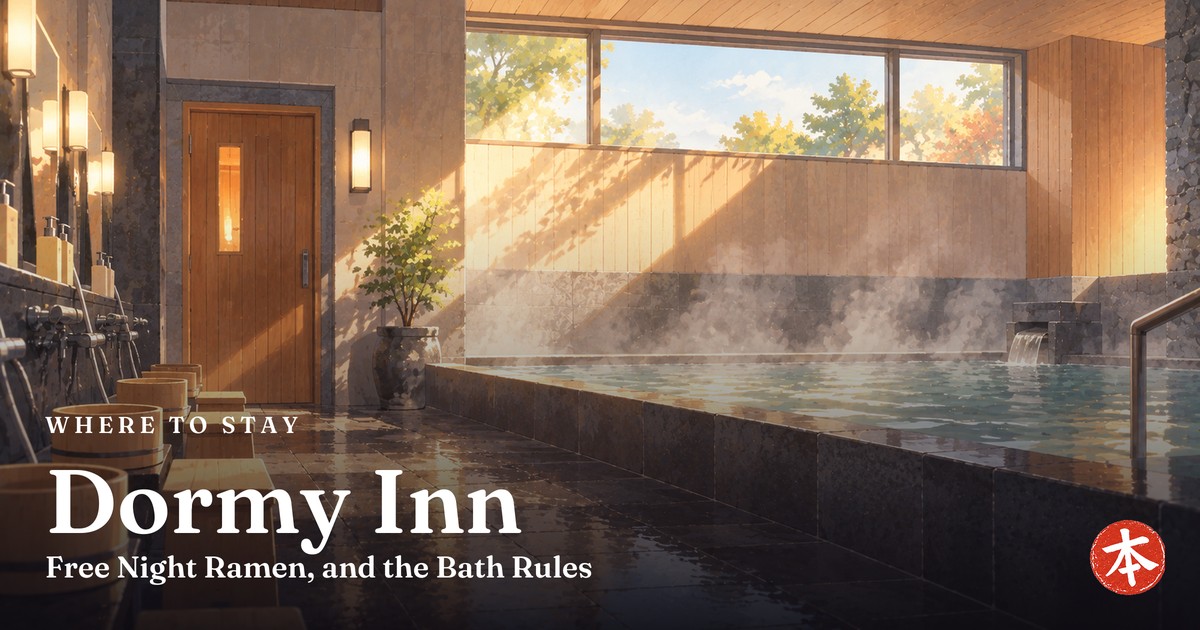
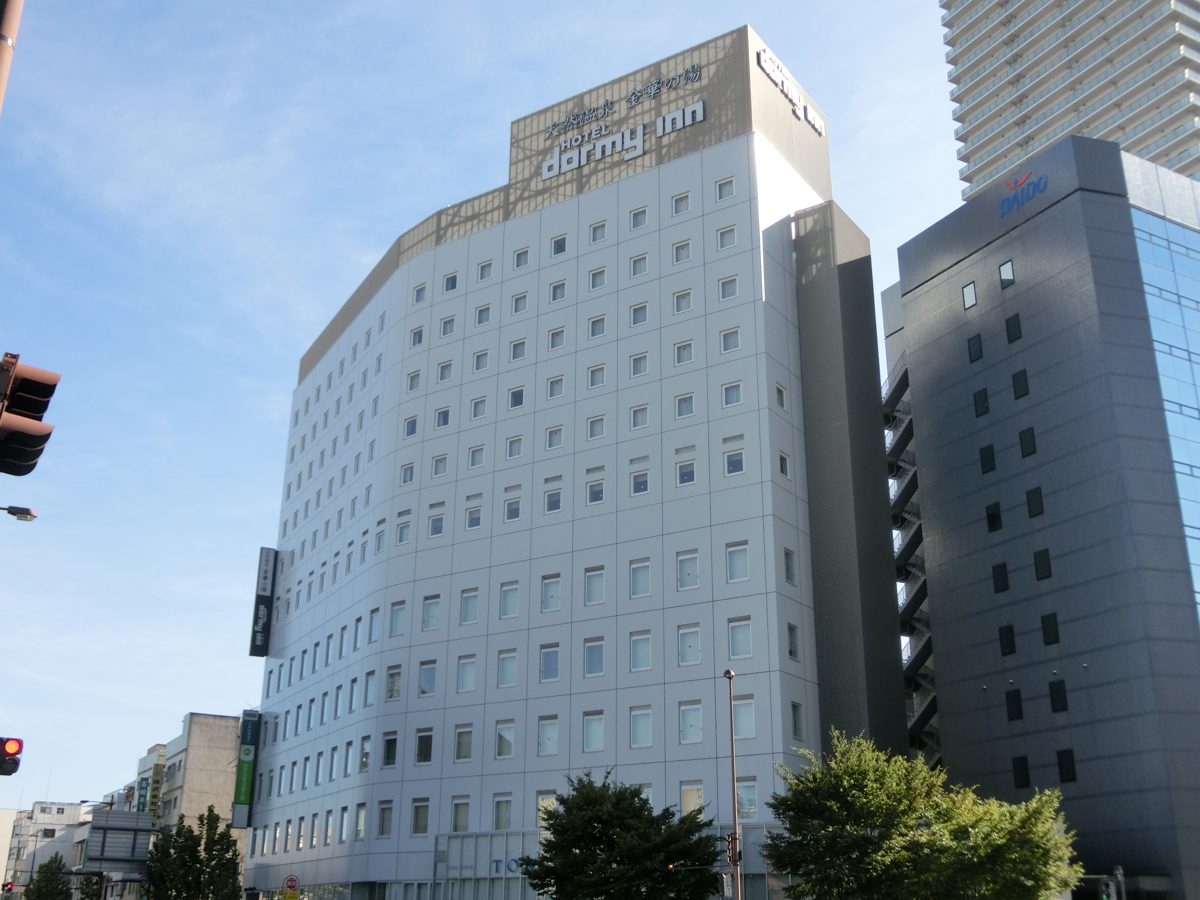
Dormy Inn is the Japanese business-hotel chain that visitors keep recommending to each other for three things that are not on the booking page: a public bath open until 10 in the morning, a free bowl of ramen at night, and a washing machine that costs nothing. What the recommendations leave out is the rulebook. The chain publishes one, in Japanese, on its own FAQ, and it is specific: 1,000 yen per person for every hour past checkout, 3,000 yen for a child over two to share your bed, no tattoos unless a sticker covers them, and no towels in the changing room.
This page is that rulebook in English. It is the chain-wide standard from the official FAQ; a single property can set its own hours or prices, and when it does, the property page wins. Room rates are not here, because the chain does not publish a single list of them.
Dormy Inn at a glance
| Item | Chain standard (official FAQ) |
|---|---|
| Check-in / check-out | 15:00 / 11:00. Property or plan times override. |
| Early arrival / late checkout | 1,000 yen per person per hour; latest checkout 14:00. |
| Children | 0–2 free sharing a bed (one per bed); 3 to elementary age 3,000 yen to share; junior high and up adult rate. |
| Big bath | 15:00 to 10:00 next day; sauna closed 1:00–5:00; no phones; no towels in the tub; no swimwear. |
| Tattoos | Refused in principle; cover stickers (max two) at some properties. |
| Free at night | Half-size soy-sauce ramen, refills welcome; post-bath ice cream. |
| Laundry | Washer free (about 30 minutes); dryer 100 yen per 20 minutes. |
| Breakfast | Buffet, priced per property, guests only; can be added at check-in. |
| Payment | At check-in; card in one payment; e-money and QR at the desk (as of Feb 10, 2026). |
| Pets / cribs / extra beds | None of the three. |
Chain-wide rules from the official FAQ, read September 16, 2026. Individual hotels can differ.
What is Dormy Inn, and which brand am I booking?
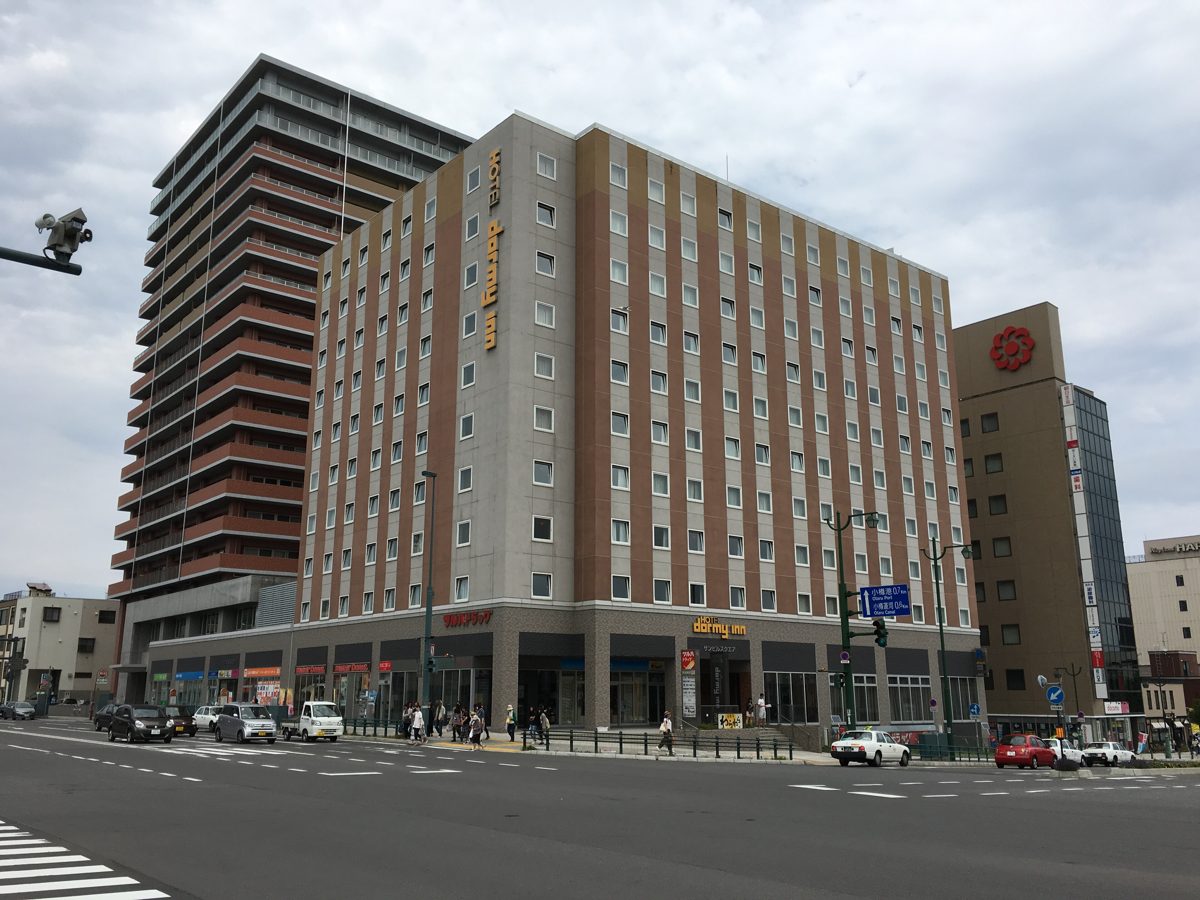
The parent company, Kyoritsu Maintenance, runs the chain under several names, and the name tells you the type of building. The official hotel list splits them like this.
What is the difference between Dormy Inn, PREMIUM and EXPRESS?
Dormy Inn is the standard business hotel with a big bath. Dormy Inn PREMIUM is the upper tier, in central locations such as Ginza, Shibuya Jingumae and Kanda in Tokyo. Dormy Inn EXPRESS is the compact tier. All three share the same FAQ rules on this page; what changes is the room and the neighborhood, not the bath hours or the child charge.
What is Onyado Nono?
Onyado Nono is the chain’s Japanese-style line: tatami corridors you walk in socks, natural hot-spring baths in most of them, and the same free ramen. The Tokyo ones are Nono Asakusa and Nono Asakusa Bettei; there are also Nono properties in Kyoto, Nara, Osaka, Matsumoto, Kanazawa, Toyama, Fukui, Matsue, Sakaiminato, Sendai, Kumamoto and Beppu on the official list.
What is global cabin, and why does it matter for families?
global cabin is the capsule-style brand (Yokohama Chinatown in the Kanto list). It is the one brand where the FAQ says bed-sharing with a child is not allowed, so the free-under-3 rule does not apply there.
How many Dormy Inns are in Tokyo?
The official list shows 13 in Tokyo: Hatchobori, Meguro Aobadai (EXPRESS), PREMIUM Shibuya Jingumae, PREMIUM Ginza, Ueno-Okachimachi, Akihabara, Korakuen, EXPRESS Asakusa, Nono Asakusa, Nono Asakusa Bettei, PREMIUM Kanda, PREMIUM Tokyo Kodenmacho and Ikebukuro. Nationally the list runs from Wakkanai in the north to Kagoshima in the south, plus a Gangnam property in Seoul.
Check-in, checkout and the 1,000 yen an hour rule
What happens if I arrive before 15:00?
The desk will hold your bags (see the luggage section), but the room starts at 15:00. If a property lets you in early, the charge is the same as a late checkout: 1,000 yen per person, per hour. Two people arriving an hour early is 2,000 yen, which is the chain’s own worked example.
How late can I check out?
14:00 at the latest, at 1,000 yen per person for each hour after 11:00. Three hours for two people is 6,000 yen, so for a family it is often cheaper to check out on time and leave the bags at the desk.
Can I stay in the room during the day on a multi-night booking?
Yes, with no extra charge, though the FAQ warns that some properties ask you to leave the room while it is cleaned. If you booked a no-cleaning plan and change your mind, cleaning can be added for 1,500 yen per day, requested by 13:00 (the last cleaning slot starts at 14:00).
Can two rooms be next to each other?
Only as a request. Send the second guest’s name, booking number and check-in date to the hotel and they will try; the FAQ does not promise it.
What do children cost at Dormy Inn?
This is the part most English booking sites get wrong, because the chain prices children by whether they need a bed, not only by age. The official table is the same at every property.
| Child | Sharing an adult’s bed | Needs own bed or futon |
|---|---|---|
| 0 to 2 years | Free (one child per bed) | Adult rate |
| 3 years to elementary school | 3,000 yen per night (one child per bed) | Adult rate |
| Junior high school and older | Adult rate | Adult rate |
Official Dormy Inn child rates, all properties. global cabin: no bed-sharing.
How many children can share a room booked for two adults?
At most two, one per bed, and only if the room type allows it. The 3,000 yen is paid at check-in. A child of junior-high age is an adult for pricing and cannot be added as a bed-sharer.
Are there cribs or extra beds?
No cribs and no extra beds, chain-wide. Some properties have bed guards, and some lend a baby bathtub, both in limited numbers. Beds are fixed to the floor and cannot be pushed together; the Hollywood twin room type is the one where two beds are already joined. Extra duvets are not available, blankets are. Children’s loungewear and slippers exist but sizes vary by hotel.
Can a child use the big bath with a parent of the other sex?
Up to age 6 as the chain rule, and where the local government sets a different limit, the local rule applies. Our guide to Japan’s onsen rules explains why the age differs by prefecture.
Can a teenager stay alone?
From 15 years old, with a signed consent letter from a parent and photo ID at check-in, and the hotel may phone the parent. Under 15, a guardian must stay too. Minors of different sexes cannot share a room without an adult. For families comparing chains, our family hotels in Tokyo guide has the equivalent rules elsewhere.
The big bath: hours, tattoos and the things that get you asked to leave
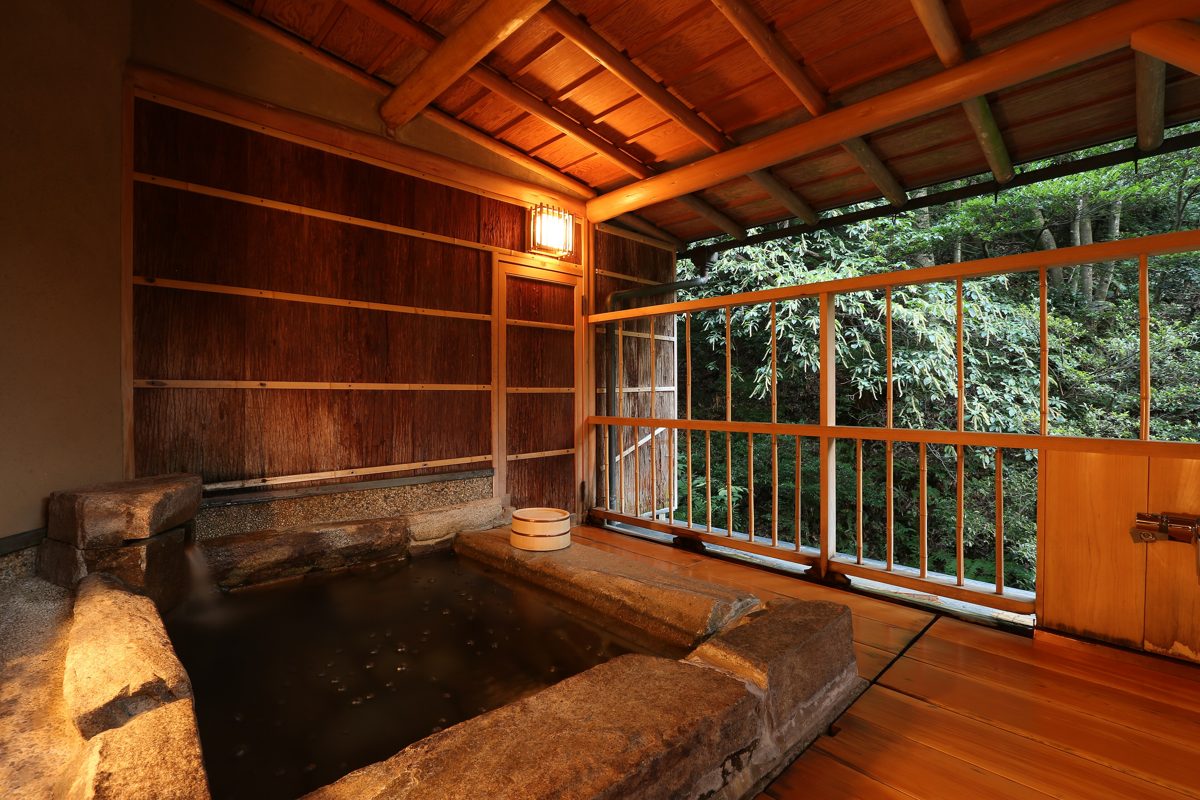
When is the bath open?
15:00 to 10:00 the next morning, chain-wide. The sauna is closed from 1:00 to 5:00. A number of properties alternate the men’s and women’s baths at fixed times, so the sign by the lift on the day is the final word. Some baths are natural hot springs and a hot-spring tax is then built into the room rate.
What is banned in the bath?
Phones, tablets and cameras, in the bath and in the changing room. Towels in the tub. Swimwear. Glass, food and alcohol. A bottle of water for hydration is fine. There are no towels in the changing room; you carry the one from your room down with you, and the front desk swaps it for a fresh one.
Can I bathe with a tattoo?
The official answer is refused in principle. The exception is a cover sticker: some properties stock them, the limit is two stickers per guest, and if two stickers hide the tattoo you can go in. The sizes are small 85 by 105 mm, medium 100 by 140 mm, large 118 by 172 mm. A full sleeve does not fit. Our tattoo and onsen guide lists baths that do not ask.
Can I use the bath without staying?
Only at eight properties, listed on the FAQ as of August 5, 2025: EXPRESS Sendai Seaside, EXPRESS Koriyama, EXPRESS Mikawa-Anjo, EXPRESS Toyohashi, EXPRESS Kakegawa, Nono Toyama, EXPRESS Izumo no Kuni Unnan and Nono Sakaiminato. Every other Dormy Inn bath is for staying guests.
The free things: ramen, ice cream, laundry
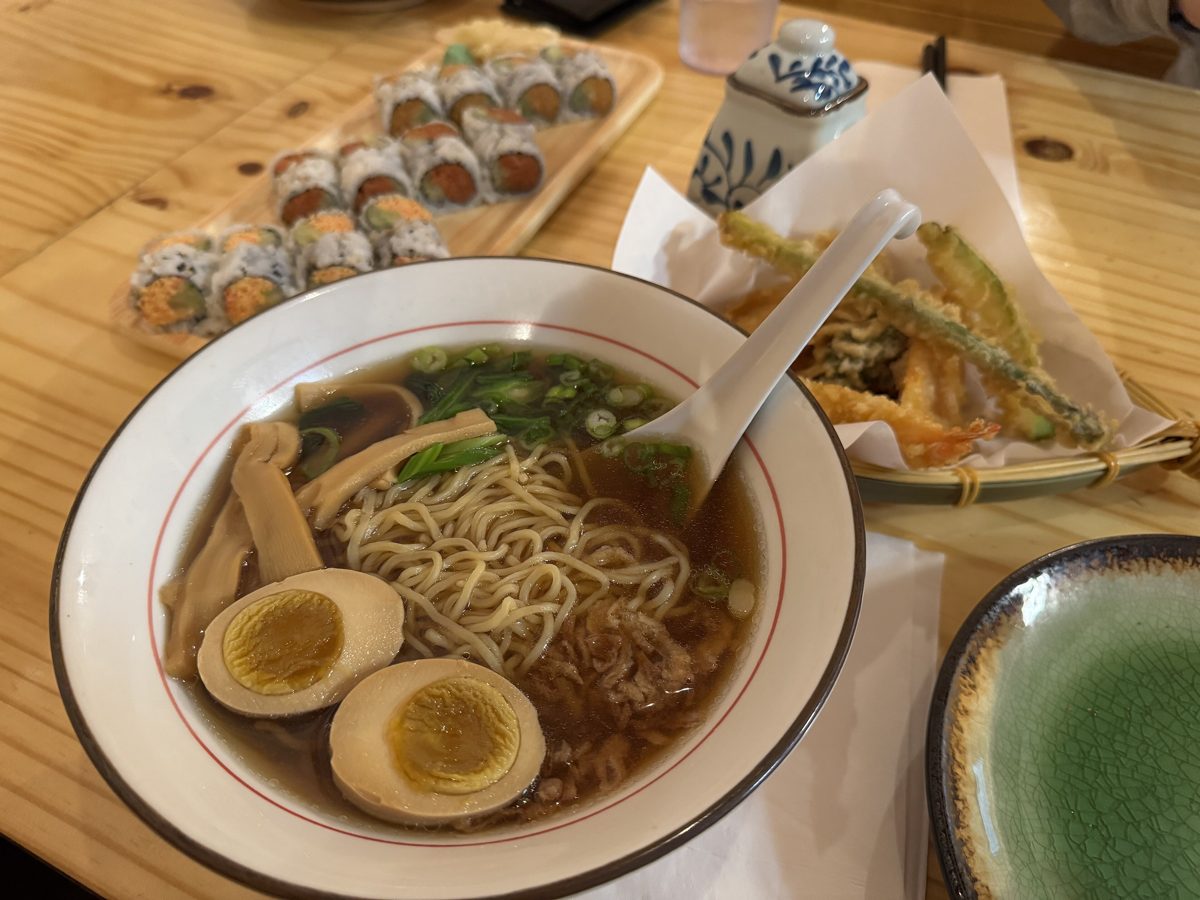
What is the night ramen?
The chain calls it yonaki soba. It is a half-size bowl of Dormy Inn’s own soy-sauce ramen, free, served at night in the restaurant area; the official page says it is half-size out of consideration for your health and then tells you to have another. Hours are set per hotel and are on each property’s page, not the chain FAQ.
What else is free?
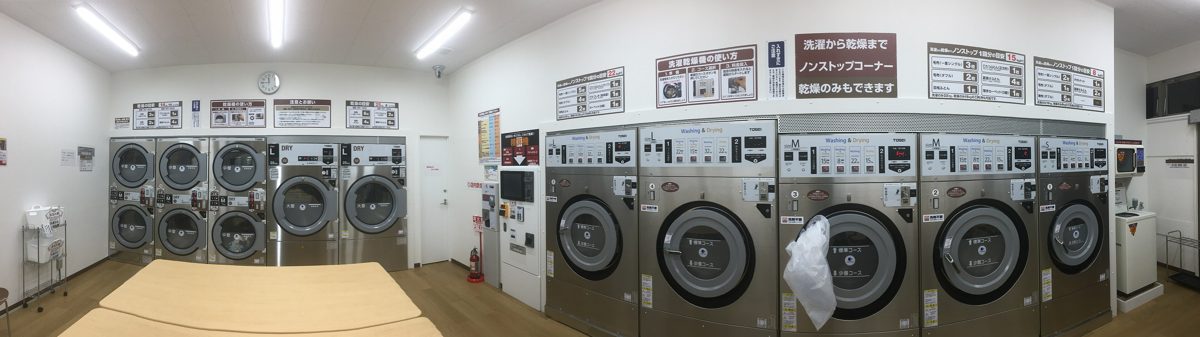
A welcome drink (coffee, tea, soft drinks) on arrival; a seasonal welcome sweet in the room fridge; ice cream after the bath; a lactic-acid drink in the morning; and the washing machines, which dispense detergent automatically and run about 30 minutes. The dryer is the one thing with a price: 100 yen per 20 minutes. Loungewear is provided and can be worn anywhere in the building, including the restaurant.
Is breakfast worth adding?
It is a buffet built around small dishes and a local specialty per hotel, priced by the property. If your plan does not include it you can add it at check-in. It is guests only: walk-in breakfast was suspended on November 1, 2022 and had not resumed at the time we read the FAQ. Allergies: the kitchen does not prepare individual dishes or remove ingredients, only some properties answer questions about the nine designated allergens, and the FAQ warns about cross-contact on shared tongs. Baby chairs are free.
Luggage, deliveries and getting there
Can I send my suitcase ahead?
Yes. The hotel accepts courier deliveries if they are prepaid; cash-on-delivery is refused, and so is anything that needs a fridge or freezer. Write the stay date, the guest name, a phone number and the contents on the slip, keep the tracking number, and tell the hotel it is coming. Our luggage forwarding guide covers the counters and the prices.
Will they hold bags before check-in and after checkout?
Yes, on the condition that the hotel has agreed to hold them; they will not take valuables or fragile items. If you leave and come back a few days later they will keep a bag in between, but if the second booking is canceled the bag may be posted to you cash-on-delivery.
Can I have an online order delivered to the hotel?
Up to your checkout time, prepaid, with your check-in date, phone number and booking number on the label. Tell the desk in advance.
Is there an airport shuttle?
No. Some properties run a shuttle to the nearest station; the property page says whether. Parking exists at some hotels and not others.
Booking: the official site, the membership and the best-rate promise
Why does the official site ask me to register?
Because booking there requires a free Dormy’s membership. Registration is on the site, the confirmation comes from kyoritsumembers.com, and bookings can be made up to a year ahead. The site has an English switch; the underlying FAQ we read is the Japanese one. Pay-at-hotel bookings are confirmed from dormy-hotels.com and prepaid ones from jtbbookandpay.com, which matters when a message lands in spam.
Is the official site cheaper than Booking.com or Klook?
The chain states a best-rate guarantee for its own site against public booking sites, with a long list of conditions: same plan, dates, headcount, room type, stay hours, payment method and cancellation terms, compared at the time of booking, and not for packages, member-only rates or prepaid-voucher deals. It also notes that the same price may simply be on sale elsewhere. In practice, compare on the day; the guarantee is a claim, not a discount.
What does a cancellation cost?
The chain has a cancellation policy but says each property’s own terms take precedence, and that plans can differ. Bookings made on the official site are changed or canceled on its reservation page; bookings from other sites are handled on those sites. Coupons and points cannot be used to pay a cancellation fee, and expired ones are lost.
How do I pay?
At check-in, as the default. Credit cards in a single payment, and e-money and QR codes at the desk as of February 10, 2026, though the self-service kiosks do not take e-money. Long stays have weekly and monthly rates, set by each property.
What Dormy Inn does not do
Pets, at any property. Birthday cakes, which the FAQ declines on food-safety grounds. Waiting lists for full dates. Filming rooms, restaurants or baths for publication without permission. If those are on your list, our budget hotels in Tokyo guide has chains with different rules.
Frequently asked questions
What time is check-in and check-out at Dormy Inn?
Is the late-night ramen at Dormy Inn really free?
Do children stay free at Dormy Inn?
Can I use the big bath with a tattoo at Dormy Inn?
What are the big bath hours?
Is breakfast included at Dormy Inn?
Can Dormy Inn receive my luggage before I arrive?
Do I need an account to book on the official site?
Bottom line (2026). Dormy Inn is a rulebook chain: 15:00 in, 11:00 out, 1,000 yen per person per hour beyond that, kids under 3 free in your bed and 3,000 yen up to elementary age, a bath that runs until 10 the next morning and refuses tattoos unless two stickers cover them, and a free half bowl of ramen at night. Book the room type by how many beds you actually need, carry your towel down to the bath, and send the suitcase prepaid.
Sources
All rules, hours and figures are from Dormy Inn’s official FAQ (dormy-hotels.com/dormyinn/faq) and its service page (dormy-hotels.com/dormyinn/service), read in Japanese on September 16, 2026. The Tokyo property list is from the official hotel list on the same site. Where the FAQ gives its own date for a rule (e-money from February 10, 2026; day-use baths as of August 5, 2025; walk-in breakfast suspended from November 1, 2022) that date is quoted.
Some links on this page may be affiliate links, which means we may earn a commission if you book or buy through them — at no extra cost to you. See our affiliate disclosure.
Tokyo to Osaka, Tokyo to Kyushu, Tokyo to Hokkaido — day by day — plus seven places most visitors never reach.
- 12 pages, 80 photographs, every stop linked to its guide
- Every price and opening hour read from the official page
- Re-issued monthly, so it does not go stale in your inbox
Free. One email a month, plus the rare change that matters. Unsubscribe with one click in any email. By subscribing you agree to our privacy policy.