Two 40g tins of matcha from the same maker in Uji. One is 3,888 yen. The other is 43,200 yen. Nothing on either tin explains the difference to someone reading in English, and the price list that does explain it is a PDF most buyers never open.
There is a second problem sitting on top of the first. Every matcha grade is currently sold out, the maker has capped how much you can buy, and it now publishes a list of resellers it has not authorized — while deducting 10 percent from any order it judges to be for resale.
| Cheapest 40g tin | Seiran — 2,160 yen |
|---|---|
| Most expensive 40g tin | Tenju — 43,200 yen (20x) |
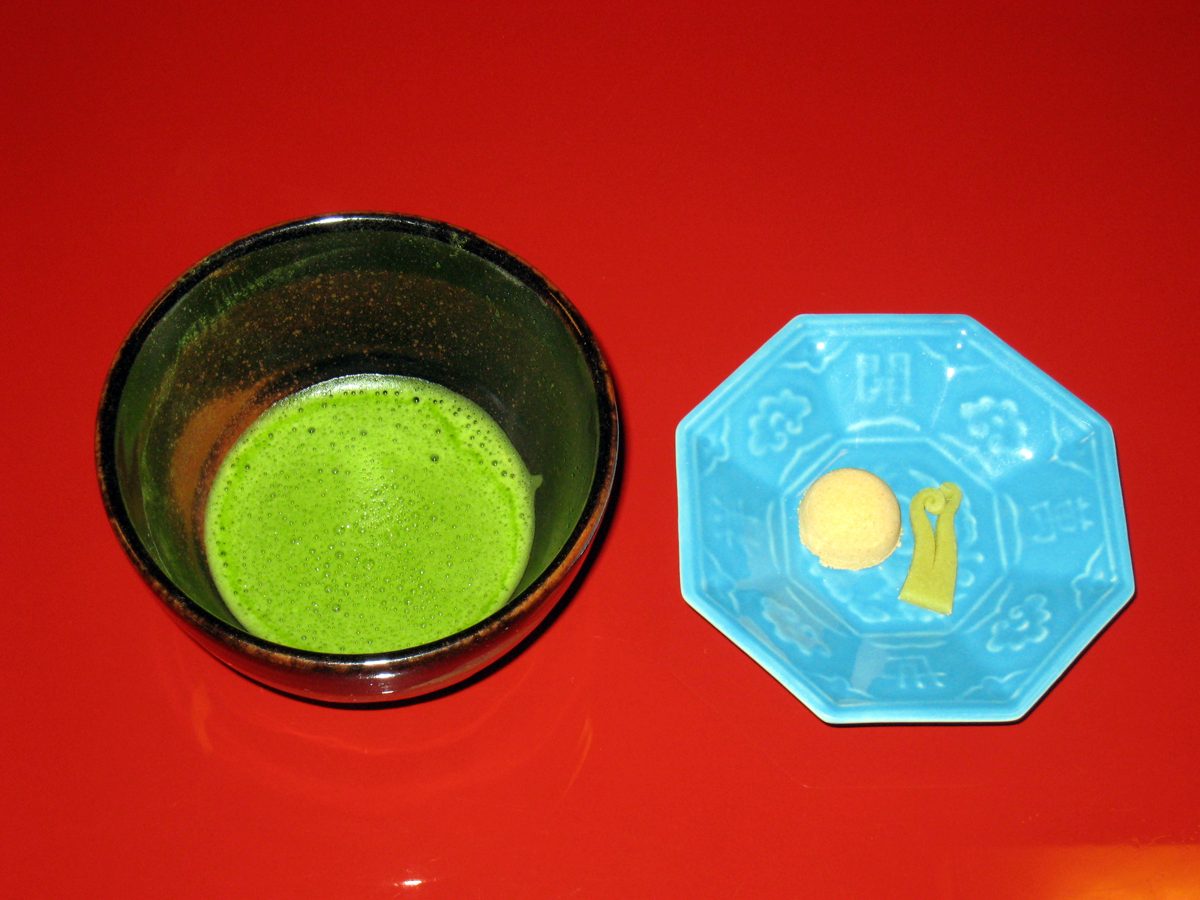
| The mark that matters | A filled circle in the catalog = suitable for both usucha and koicha |
| Stock | All matcha sold out. Quantity limits apply |
| Restocks | Announced on the shop’s top page. Weekdays only, not every grade each time |
| Shelf life | 7 months from packing; expect 5–6 months left on arrival |
| Resale | Refused. 10% deducted since November 2024 if judged a resale purchase |
The Marukyu Koyamaen price ladder, in one table
What the official catalog actually lists
These are the maker’s own prices, effective August 2026, from its English catalog. Consumption tax is included — 8 percent on teas and sweets, 10 percent on utensils. All figures in yen.
| Grade | 20g can | 40g can | 100g can |
|---|---|---|---|
| Tenju | 21,600 | 43,200 | 105,840 |
| Kiwami Choan | 13,500 | 26,568 | 65,340 |
| Choan | 7,614 | 14,796 | 36,180 |
| Eiju | 4,968 | 9,720 | 23,760 |
| Unkaku | 3,888 | 7,560 | 18,360 |
| Kinrin | 3,132 | 6,048 | 14,580 |
| Wako | 2,484 | 4,752 | 11,340 |
| Yugen | 2,052 | 3,888 | 9,180 |
| Chigi no Shiro | — | 3,024 | 7,020 |
| Isuzu | — | 2,592 | 5,940 |
| Seiran | — | 2,160 | 4,860 |
The spread is the whole story
Twenty times, from Seiran to Tenju, for the same weight from the same company. No other category of Japanese food product does this so openly. It is also why “buy Marukyu Koyamaen” is not useful advice on its own — the name tells you almost nothing about what you are getting or what you will pay.
Where the line actually falls
The catalog marks certain grades with a filled circle, meaning suitable for both usucha and koicha. That mark, not the price, is the meaningful division. Below it, the tea is intended for thin tea only. Above it, you are paying for a leaf that holds up when you use three or four times as much powder in less water.
The grades that are not in the online shop at all
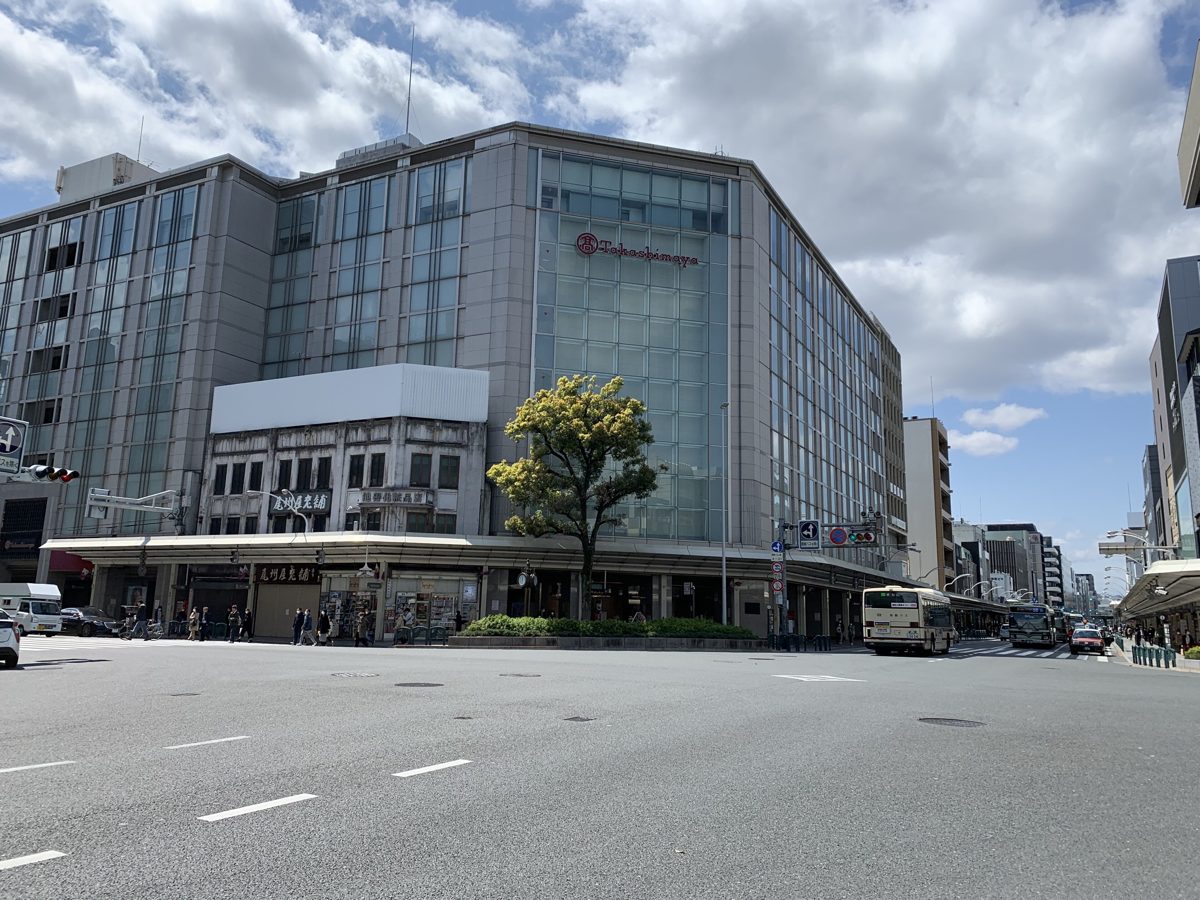
Several are shop-exclusive, which is worth knowing before you conclude a grade is discontinued. Wakatake is sold only at directly operated shops. Ogura no Sono and the low-caffeine matcha are at the head office and Makishima factory shop. Miyabi no In, Shizuku no In and Midori no In are at the Nishinotoin shop and its tearoom. Heian no Kaori, Homare and Sui are at JR Kyoto Isetan; three “Mukashi” grades are at Kyoto Takashimaya.
Why every Marukyu Koyamaen matcha is sold out
The maker’s own explanation
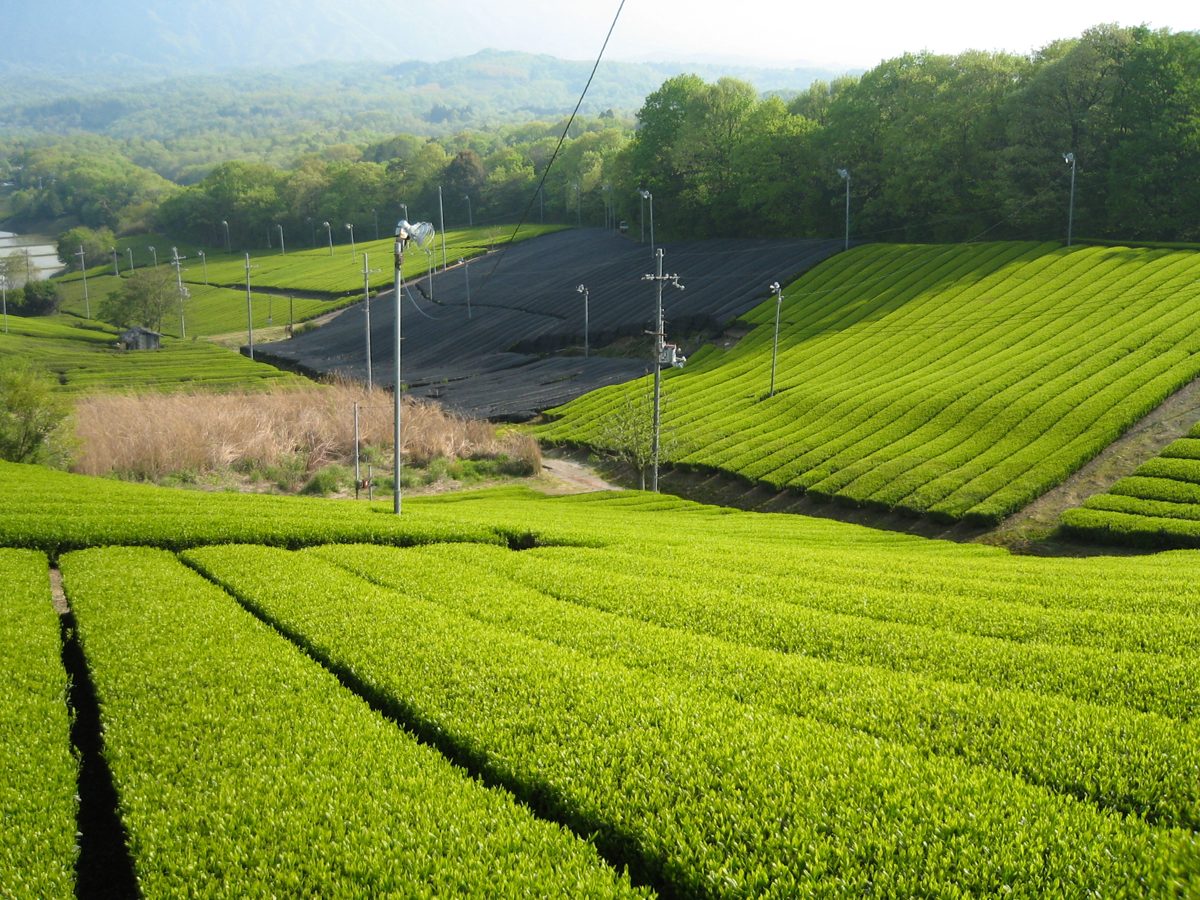
Posted in October 2024 and still up: demand rose sharply and passed their production capacity. They tried purchase limits at their own shops with limited success. And then the sentence that explains why this is not a temporary supply hiccup: tea leaves for matcha can only be procured once a year, in a specific window, and the company stocks raw leaf from that single harvest for the whole year’s production.
What they expect to happen
In their words, they consider there is a very high possibility of going completely out of stock before the next tea harvest season arrives. A quantity limit now applies to all matcha products, described as a measure to reach as many customers as possible while stock lasts. That is a manufacturer publicly telling you it may run out entirely.
How restocks actually work
The date is announced on the top page of the shop, under a notice about restocking — not on the individual product pages, which is where most people look. Restocks happen at least once a week, on weekdays only, never on weekends or Japanese public holidays. And not every grade and size appears in every restock.
The practical consequence
Decide on two or three acceptable grades rather than one. If you are set on a single grade in a single size, you are waiting for a specific combination to appear in a specific week, and the company has said plainly that it cannot promise that combination will come round again this harvest year.
Counterfeits, resellers, and the missing sticker
The company runs an anti-counterfeit program
There is a permanent IP and brand protection section in the site navigation, which is not something most tea companies need. In August 2026 it posted an example of a counterfeit product and a fake certificate found on a Malaysian marketplace. In July 2026 it warned about accounts using its brand name without permission on a social platform in Taiwan. In September 2026 it updated a list of unauthorized resellers and proxy purchasing services.
The sticker detail that reads backwards
This one is genuinely counterintuitive. If you order from the official international shop and the tin arrives without a verification sticker, that is correct. The company states that because the order ships directly from its own plant, the goods are guaranteed genuine and no sticker is applied. A missing sticker on a direct order is not a warning sign. The company also operates a QR-based verification system for checking products.
The resale policy, and the 10 percent
Stated plainly on the shop’s own FAQ. Any purchase suspected of being for resale will be rejected. Anyone who has resold or attempted to resell will have future orders refused at the company’s discretion, and orders already placed will be canceled and only partially refunded. Since November 2024, a purchase judged to be for resale has 10 percent of the combined product price, handling fee and shipping deducted.
And what that means for buying through a third party
The company states it is not liable for defective products or services purchased from unauthorized resellers or through resale. We are not going to point you at a particular third-party service for this maker, because the company publishes a list of services it has not authorized and we have not read that list. Buy from the official shop, or from a retailer that can show it is an authorized stockist.
Storage, dates, and not wasting what you bought
This is Marukyu Koyamaen’s own video, filmed at their Motoan tea room, showing how the powder is meant to be whisked. Three minutes, no explanation needed — and it is the cheapest insurance available on a tin that cost you several thousand yen, because most matcha that disappoints people at home was simply made wrong.
Seven months, and how to read the stamp
The maker gives a best-before period of seven months from the day of packing for all its tea products. Allowing for international shipping, it says you should expect roughly five to six months remaining when the parcel reaches you. The date is printed as YY.MM.DD, so a can stamped 25.03.01 was packed on March 1, 2025.
Why the date matters more here than for most food
Matcha is ground leaf with an enormous surface area, and it loses aroma and turns dull long before it becomes unsafe. A best-before date on a tin of it is a statement about flavor, not about safety. Buying a 100g can because the per-gram price is better is a false economy unless you genuinely drink it — the last third will not taste like the first.
The size question, answered by the price table
Look at Wako in the table above. 2,484 yen for 20g, 4,752 for 40g, 11,340 for 100g. The 100g is barely cheaper per gram than the 40g. For most of the range, the volume discount is small enough that buying the size you will actually finish is the correct call, not the largest tin you can justify.
If you are cooking with it, buy the cooking grade
The catalog lists a dedicated cooking matcha at 1,728 yen, sold in a sifter can. Using a ceremonial grade in a cake is a waste in both directions — the nuance you paid for disappears under sugar and heat, and the cooking grade is formulated to hold color and flavor through baking. There are also a low-caffeine matcha and a GABA matcha in the range.
Buying Marukyu Koyamaen from outside Japan
The official route
The company runs its own international online shop, ships from its head office plant in Uji, and answers inquiries in two to five business days on weekdays. Prices there differ from the Japanese shop, which the FAQ addresses directly. Customs duties and import taxes are the buyer’s responsibility and are not included.
What to check before you order
Three things, all from the maker’s own FAQ. Whether the grade you want is in stock at all rather than listed. Whether your country appears in the shipping list. And whether you are comfortable with the quantity limit, because it applies to every matcha product and it is not negotiable.
Buying it in Japan instead
If you are traveling, the shop-exclusive grades listed earlier are the argument for going in person — several are not sold online anywhere. The company is based in Uji, south of Kyoto, and runs a matcha factory tour. Our guide to matcha in Kyoto covers the wider context, and Nishiki Market is where most visitors encounter tea shops without knowing what they are looking at.
Timing a trip around it
Restocks are weekday-only and skip Japanese public holidays, and the shops close for them too. If your trip overlaps a holiday week, that is a real constraint on both the online and the in-person route — our guide to Japan’s public holidays covers which weeks those are.
What else Marukyu Koyamaen makes
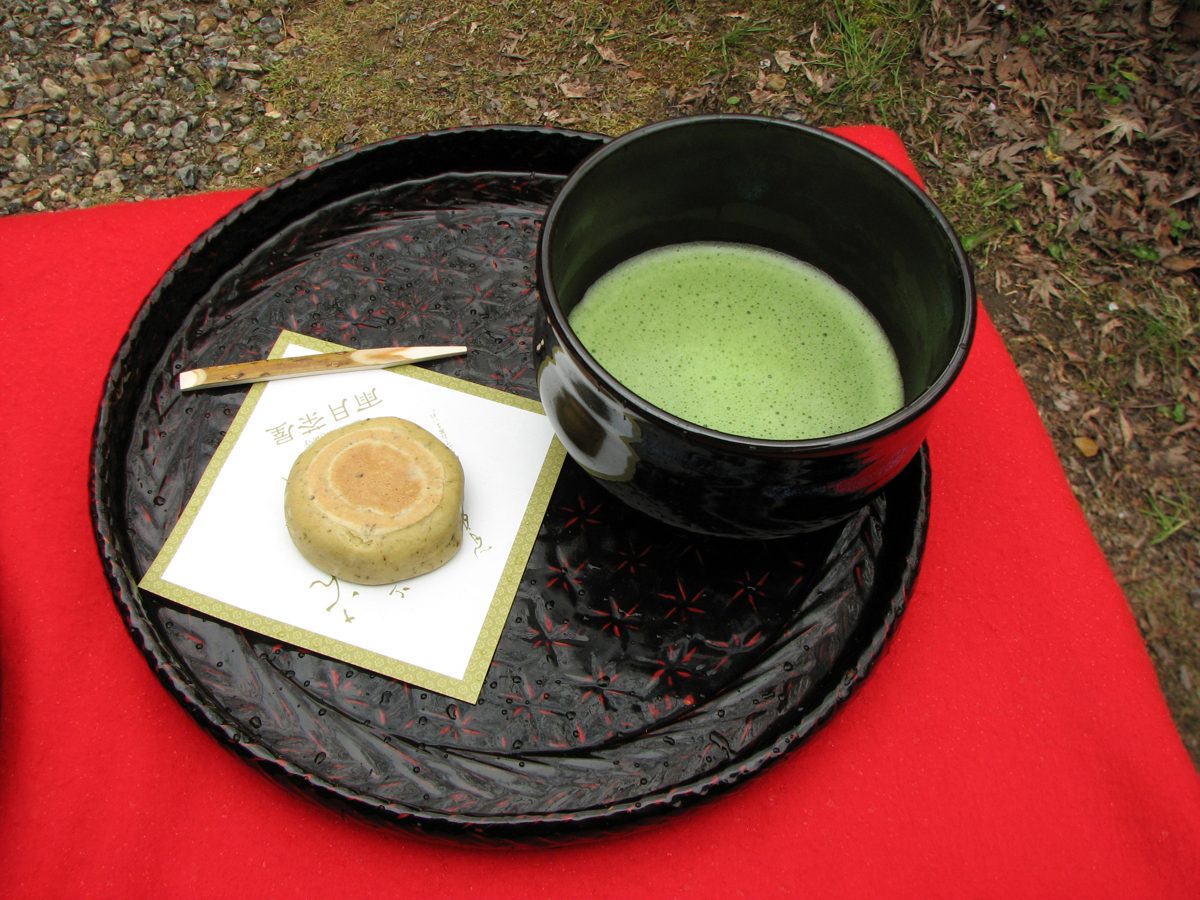
Beyond matcha
The same catalog lists gyokuro, sencha, kabusecha, karigane (stem tea), konacha and hojicha, each with its own grade ladder. Gyokuro tops out at Chitose no Homare at 24,840 yen for 90g; sencha starts far lower. If matcha is sold out, the leaf teas are the part of the range most people never look at.
Matcha made for cold water
Two products in the catalog are specifically for cold-water preparation — Suzukumo and Awaraku, sold in 1.5g sticks as well as tins. Ordinary matcha does not dissolve properly in cold water; these are milled and blended for it. Worth knowing before you conclude that iced matcha at home is always gritty.
Tea-school grades
A section of the catalog is given over to matcha favored by particular tea schools — Mushakojisenke, Sohen-ryu and Yabunouchi, each associated with a named tearoom. These are not marketing labels; they are blends prepared to a school’s preference. If you practice, this is the section to read. If you do not, it is safe to ignore.
And the sweets
Matcha candy at 540 yen a bag, gaufrettes, cream rolls, wafer rolls, matcha senbei, and seasonal confections sold only in fixed windows — one from October to May, another from June to September. These travel better than tea does and make the more practical souvenir. Our guide to Japanese street food and our Tokyo food tour guide cover the eating-there side.
Marukyu Koyamaen FAQ
Which Marukyu Koyamaen matcha should I buy?
Why is Marukyu Koyamaen always sold out?
When do they restock?
How can I tell if my Marukyu Koyamaen matcha is genuine?
Does Marukyu Koyamaen allow resellers?
How long does the matcha keep?
What is the difference between usucha and koicha grades?
Can I visit Marukyu Koyamaen in Kyoto?
Bottom line. The name is not the product — the grade is, and the range runs from 2,160 to 43,200 yen for the same 40g tin. The mark to look for in the catalog is the filled circle, meaning the grade works for koicha as well as usucha; below that line it is thin tea only. Right now everything is sold out and the maker has said it may run out entirely before the next harvest, so pick two or three acceptable grades and watch the shop’s top page for restock dates — weekdays only. When it arrives, check the YY.MM.DD stamp: you get seven months from packing and should see five or six left. And a missing verification sticker on a direct order is normal, not a fake.
Sources & what we deliberately did not state
Checked on September 3, 2026. From Marukyu Koyamaen’s official English site and its official English catalog dated August 5, 2026: the matcha grade and price table with prices effective August 2026 and consumption tax included at 8 percent for teas and sweets and 10 percent for utensils; the catalog mark indicating grades suitable for both usucha and koicha; the cooking matcha, low-caffeine matcha and GABA matcha; the cold-water preparations Suzukumo and Awaraku; the tea-school grades associated with Mushakojisenke, Sohen-ryu and Yabunouchi; the shop-exclusive grades at the directly operated shops, the head office and Makishima factory shop, the Nishinotoin shop, JR Kyoto Isetan and Kyoto Takashimaya; and the gyokuro, sencha, kabusecha, karigane, konacha and confectionery ranges. From the international shop’s FAQ: the statement that all matcha is sold out because demand exceeded production capacity, that matcha leaf can be procured only once a year, that the company considers a complete stock-out before the next harvest very likely, and that a quantity limit applies to all matcha products; that restock dates are announced on the top page, happen at least weekly on weekdays only excluding weekends and Japanese public holidays, and do not include every grade and size each time; the seven-month best-before period from packing with five to six months expected on arrival and the YY.MM.DD date format; the explanation that direct orders carry no verification sticker because they ship from the company’s own plant, and the existence of a QR verification system; and the resale policy under which suspected resale purchases are rejected, future orders refused at the company’s discretion, placed orders canceled and partially refunded, 10 percent of the combined product price, handling fee and shipping deducted since November 2024, and no liability accepted for goods bought through unauthorized resellers. From the site’s news feed: the September 2026 update to its list of unauthorized resellers and proxy purchasing services, the August 2026 counterfeit and fake certificate example found on a Malaysian marketplace, and the July 2026 warning about unauthorized use of its brand name on a social platform in Taiwan. More on how we work: how we research.
Deliberately not stated. Any recommendation of a proxy or forwarding service for this maker, because the company publishes a list of resellers and proxy services it has not authorized and we have not read that list — pointing readers at a named service without checking it against that list would be irresponsible. Tasting notes for individual grades, because we have not tasted them and the catalog does not describe flavor. Shipping costs and delivery times, which vary by country and are given per-order on the shop. Whether any particular grade will return in a given restock, because the company itself says it cannot promise that. Current stock status, because it changes weekly and anything we print here will be wrong. And prices in any currency other than yen, because the shop bills in yen and conversion is your bank’s. This reflects what those sources said on September 3, 2026; the official shop carries the current position.
Tokyo to Osaka, Tokyo to Kyushu, Tokyo to Hokkaido — day by day — plus seven places most visitors never reach.
- 12 pages, 80 photographs, every stop linked to its guide
- Every price and opening hour read from the official page
- Re-issued monthly, so it does not go stale in your inbox
Free. One email a month, plus the rare change that matters. Unsubscribe with one click in any email. By subscribing you agree to our privacy policy.