
teamLab Borderless is the most-searched museum in Japan and the most mis-described: English articles still send readers to Odaiba (closed 2022), quote flat prices that became dynamic, promise water you will not find (that's the other teamLab), and invent a weekly closing day. The real museum sits under Azabudai Hills, permanent since February 2024, with adult tickets on dynamic pricing from ¥3,400 (official page, October 2026), same-day door sales at a ¥200 premium, and a strict no-re-entry, no-map philosophy. Here is the 2026 version, from teamLab's own pages.
Borderless in 2026, at a glance
| Item | Official answer (Aug 2026) |
|---|---|
| Where | Azabudai Hills Garden Plaza B, B1 · Kamiyacho stn exit 5 (2 min) / Roppongi-itchome exit 4 (6 min) · both underground-connected · 🚨 not Odaiba since 2022 |
| Status | Permanent (opened Feb 9, 2024) — Planets in Toyosu is the time-limited one (to end of 2027) |
| Hours | Base 8:30–21:00, varies by date · last entry 1h before close · closed on listed Tuesdays only (e.g. Aug 25, Sep 8, Oct 20) |
| Adult ticket | From ¥3,400, dynamic (official page, Oct 2026) · 13–17: ¥2,800 · 4–12: ¥1,500 · 0–3 free · Flexible Pass ¥12,000 |
| Same-day | Sold while capacity lasts · +¥200 at the door · official site & KLOOK are the only authorized sellers |
| Hard rules | No re-entry · no bags >50cm · no food · no flash, no rigs >30cm · kids ≤elementary need an adult (1 per 5) |
Inside the map-less museum:
The move nobody's blog caught up with
Why does the Odaiba myth persist?
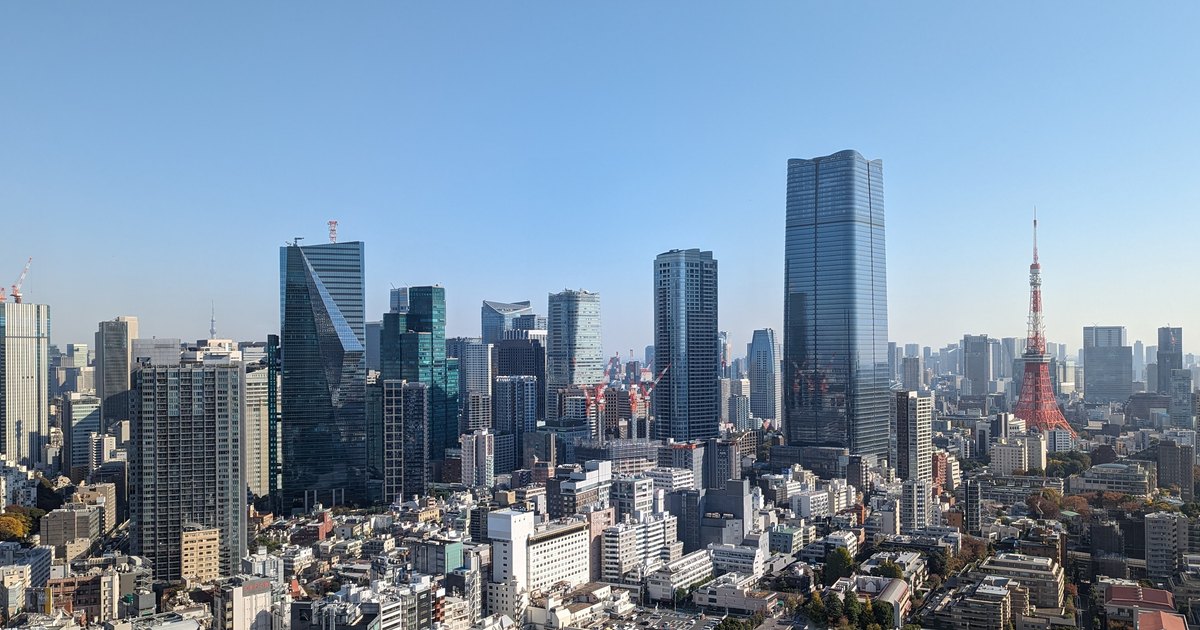
Because the original Borderless (2018–2022, in Odaiba's Palette Town) was one of the most-photographed places on earth, and its coverage never died with it. The museum that reopened on February 9, 2024 under Azabudai Hills is legally, physically and financially a different animal: permanent rather than tenant-of-a-doomed-mall, priced dynamically rather than at the old flat ¥3,200, and reached through the Hibiya line's Kamiyacho exit 5 (two minutes, underground all the way) rather than a Yurikamome ride across the bay. When you hit an article mid-planning, run its details against three tells: an Odaiba address, a single fixed adult price, or a "closed every Tuesday" line — any one of them dates the piece to a museum that no longer exists. Dated corrections like this live on our 2026 changes tracker.
Tickets: the floating price, played correctly
How do you land a lower-priced date?
Treat the official calendar like an airline fare board. The adult price is dynamic — from ¥3,400 on the official page as of October 2026 — and date choice is the whole game: weekday and off-peak dates sit near the floor, holidays and Saturdays near the ceiling, and shifting a single day sometimes saves a four-figure sum for a family (teens ¥2,800 and children ¥1,500 stay fixed regardless). Buy from the official site or KLOOK — the only two channels teamLab authorizes, and the only ones whose tickets can be rescheduled (up to three times, until two hours before entry); unauthorized resellers forfeit that safety net. The door still works when capacity remains, at +¥200 — a legitimate rainy-Tuesday tactic and a terrible Saturday one. The ¥12,000 Flexible Pass buys freedom from time slots for the itinerary-averse. For the wet sibling museum's very different ticket system, see our teamLab Planets guide.
Inside: what the no-map museum demands of you
What time slot gets you the emptiest rooms?
The museum opens as early as 8:30 on many dates, and the first slots of the morning are the structural answer to crowding: tour groups and casual visitors cluster from late morning onward, while the famous lamp room and the flagship installations reset to near-empty states at opening. The mirror-image tactic is the final entry window — one hour before close on a 21:00 or 22:00 night — accepting a shorter visit in exchange for thinning crowds. What doesn't work is waiting out a mid-day rush inside a specific room: with no re-entry and no map, the efficient move is to drift to whatever is empty and let the museum's own rotation bring the popular works back to you.
Can you build a whole Azabudai day around it?
Easily — that's half the argument for the new location over the old island one. Azabudai Hills stacks food halls, gardens and its own observation spaces directly above the museum, Tokyo Tower stands one neighborhood over, and the underground station links mean a rainy-day itinerary never surfaces. Eat before you enter (the no-food, no-re-entry combination is unforgiving), then let dinner in the complex absorb the post-museum daze.
How should you dress and pack for mirrored floors?
Wear pants or shorts you can see reflected without regret — several rooms have mirror floors, and while reception lends wrap skirts, trousers solve the problem at the source. Shoes should handle dark, uneven, occasionally sloped ground; heels are officially discouraged. Pack light: anything over 50cm goes into free lockers, strollers wait in the luggage room, and the food ban extends to gum. Photograph freely without flash — but leave the tripod and stick at home (the 30cm rule). Then obey the one rule with no workaround: no re-entry. Everything else — the wandering artworks, the unlimited clock, the map you'll never be given — is designed to reward the visitor who stops trying to be efficient. Pair it with the nearby observation decks in our Shibuya Sky guide for a day of Tokyo from the inside and above.
The rooms that have names
The section above is about how the museum works. This one is about what is in it. Most of Borderless is deliberately unnamed and unmapped, but a handful of rooms are named on the ticket listing, and two of them are described as existing only here. Allow two to three hours — that is the duration the listing suggests, and it is longer than people expect from a museum with no route.
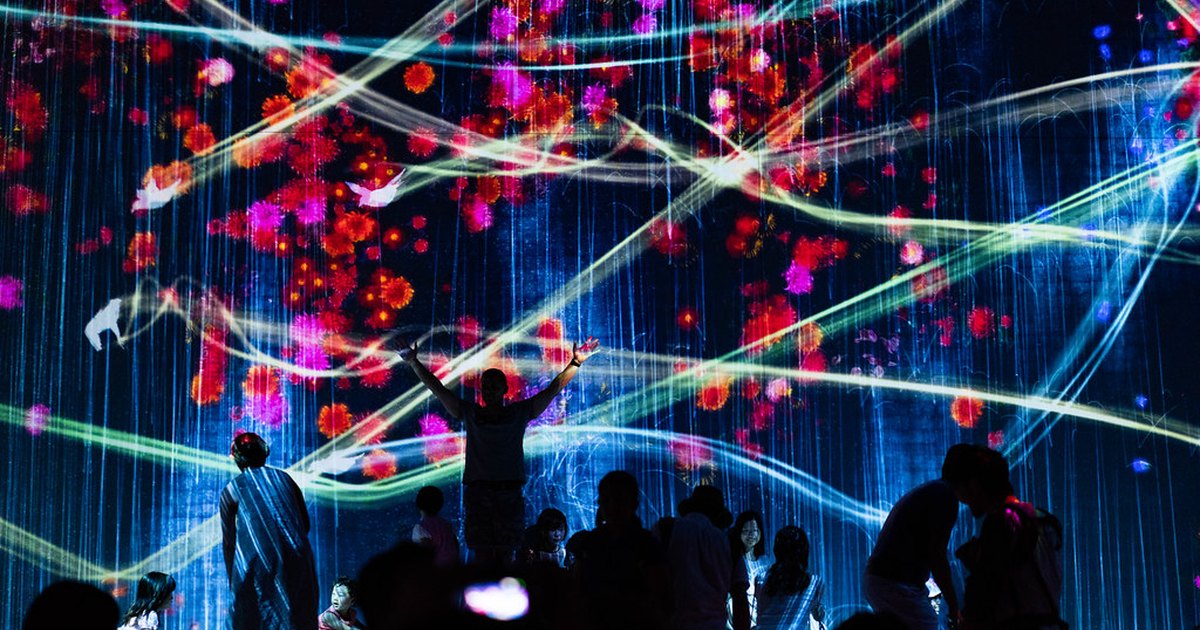
Bubble Universe
An infinitely expanding universe of sparkling floating bubbles, described on the listing as an experience only available at Borderless Tokyo. If you have been to teamLab Planets or to the old Odaiba site and are wondering what is actually different here, this is the answer the operator itself gives.
Infinite Crystal World
An immersive space filled with countless points of light that form ever-changing three-dimensional sculptures. The detail worth knowing before you go in: the listing says you can use the teamLab app to send stars into the artwork. That is a participatory piece rather than a room you walk through, and it works better if the app is already on your phone before you are standing in the dark.
EN TEA HOUSE
A meditative tea experience where digital flowers bloom in your cup — also described as being only at Borderless. Whether it sits inside your admission or is a separate purchase is not something we verified, so check it on the option you are booking rather than arriving expecting tea.
A special exhibition is running, and it has an end date
FAQ
Where is teamLab Borderless now?
How much are tickets — and why do prices keep changing?
Do I have to book in advance, or can I buy at the door?
Is this the one where you walk through water?
When is it open — and is Tuesday really the closing day?
How long does a visit take?
What are the rules inside?
Borderless or Planets — which should a first-timer pick?
Is it worth it at the higher dynamic prices?
Bottom line (2026) — teamLab Borderless left Odaiba years ago — it’s now a permanent museum under Azabudai Hills, with dynamic pricing (adults from ¥3,400 on the official page, October 2026), same-day tickets that cost ¥200 extra at the door, and closures on specific Tuesdays only. And no, you don’t walk through water — that’s teamLab Planets, the other museum.
Sources
All operational facts — location and access, opening system and listed closure dates, the price table and dynamic range, disability policy, same-day and door-surcharge rules, authorized sellers, change limits, bag/food/photography rules, re-entry ban, child supervision ratios and the mirrored-floor skirt lending — were read from teamLab's official Borderless pages (teamlab.art) on August 19, 2026. The Borderless/Planets concept contrast quotes each museum's own official descriptions. Day-specific prices and future closure dates change on the official calendar; check it with your dates. The embedded video is by its creator.
Some links on this page may be affiliate links, which means we may earn a commission if you book or buy through them — at no extra cost to you. See our affiliate disclosure.
Tokyo to Osaka, Tokyo to Kyushu, Tokyo to Hokkaido — day by day — plus seven places most visitors never reach.
- 12 pages, 80 photographs, every stop linked to its guide
- Every price and opening hour read from the official page
- Re-issued monthly, so it does not go stale in your inbox
Free. One email a month, plus the rare change that matters. Unsubscribe with one click in any email. By subscribing you agree to our privacy policy.