Quick answer: a ryokan is a traditional Japanese inn — think tatami-mat rooms, futon bedding laid out on the floor, a yukata robe to lounge in, a multi-course kaiseki dinner and a Japanese breakfast, often with a hot-spring bath, all delivered with Japan's famed hospitality (omotenashi). It's less a place to sleep than an experience of staying — and one of the most memorable things you can do in Japan.
Here's what a ryokan stay actually includes, the bathing and tattoo etiquette that trips up first-time visitors, and how to book one.
What is a ryokan?
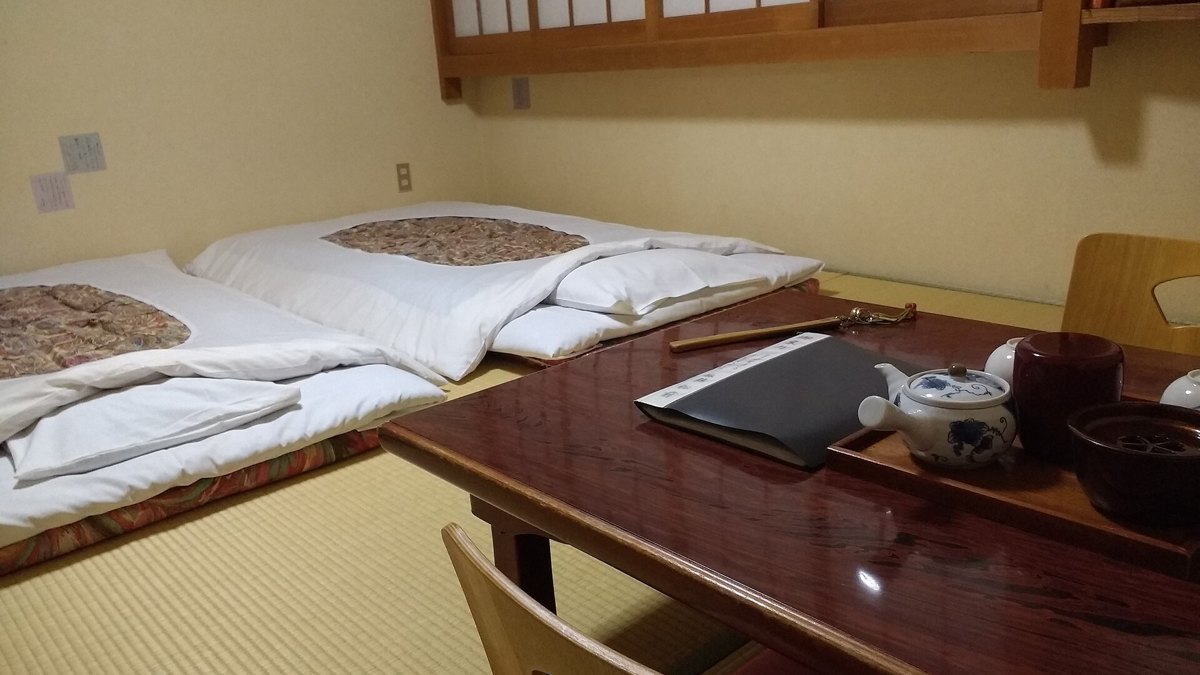
A ryokan is a traditional Japanese inn, and JNTO describes the common elements as: tatami flooring, futon bedding, private baths (sometimes outdoor), yukata robes, in-house kaiseki multi-course dinners, and a traditional Japanese breakfast — with omotenashi (hospitality) at the heart of the experience. Rather than contrast it point-by-point with a hotel, it's easier to picture it as that whole set of things together: you sleep on futon, wear a yukata, bathe communally or privately, and are looked after through a set-piece dinner and breakfast.
| Element | What to expect |
|---|---|
| Room | Tatami-mat floor, low table, futon bedding laid on the floor |
| Wear | A provided yukata (cotton robe) around the inn |
| Meals | Usually a multi-course kaiseki dinner + Japanese breakfast ("one night, two meals") |
| Bath | Private and/or communal baths; many (not all) ryokan have an onsen |
| Service | Omotenashi — attentive, traditional hospitality |
What a stay includes: kaiseki, breakfast and yukata
The meals are central. Dinner is usually kaiseki ryori — a formal, multi-course Japanese meal built around local, seasonal ingredients — followed by a traditional Japanese breakfast the next morning. This "one night, two meals" arrangement is why a ryokan can feel pricier than a hotel room: you're paying for two substantial meals and the service around them. The number of courses, whether you eat in your room or a dining hall, and the breakfast spread all vary by ryokan. You'll be given a yukata to wear around the inn — to dinner, to the bath, and to bed if you like.
The bath: onsen etiquette that matters
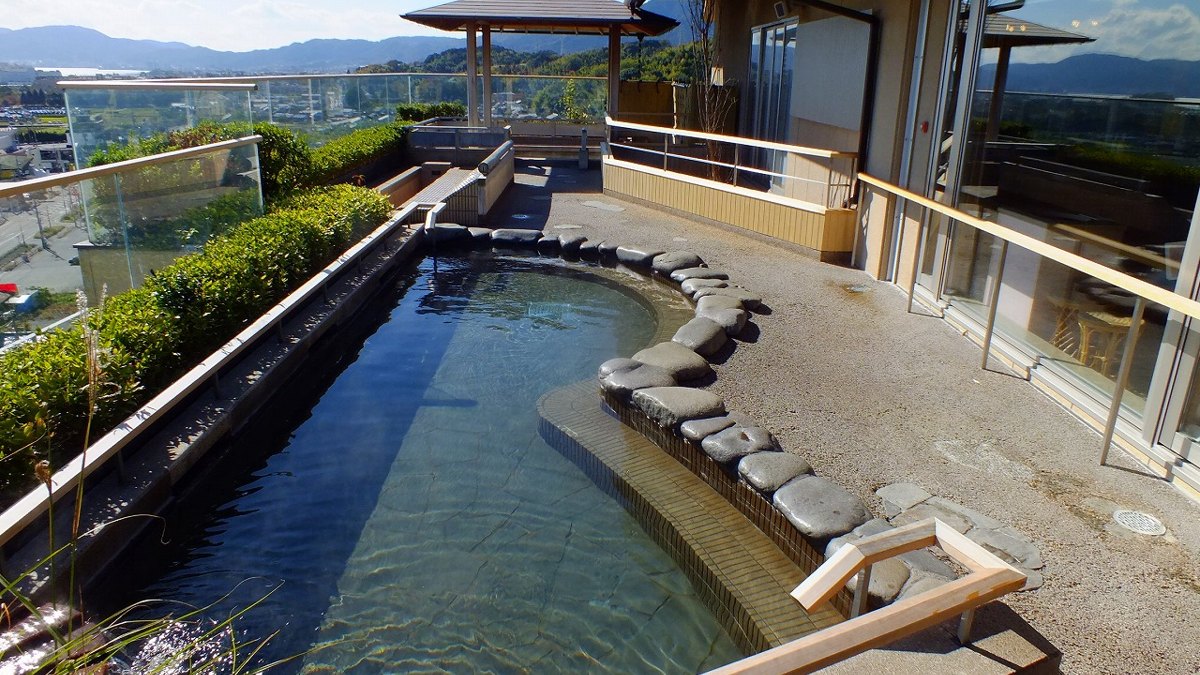
If the ryokan has a communal bath or onsen, the etiquette is consistent across Japan and worth getting right:
- Wash thoroughly before entering the bath — and pour hot water over yourself first (kakeyu).
- Bathe nude — swimwear isn't allowed; leave clothing in the changing room.
- Keep your small towel out of the water — it's for washing or modesty, not for the bath.
- Tie up long hair so it doesn't touch the water.
- No photos, phones out of the bathing area, and speak softly — onsen are places of calm.
The through-line is simple: the water is shared, so keep it clean and the space peaceful.
Tattoos and the bath
Check-in, meals and a few other things to know
Ryokan generally have earlier check-in than city hotels and a set dinner time, so plan to arrive in the afternoon rather than late evening — though exact times vary by ryokan, so confirm when booking. Shoes come off at the entrance (you'll use slippers, and even those come off on tatami). Whether staff lay out your futon while you're at dinner or you arrange it yourself depends on the inn. None of this is hard — the staff will guide you — but arriving relaxed and unhurried is the way to enjoy it. If you want a straightforward city hotel for the rest of your trip, our Hotel MyStays Tokyo guide and Kyoto station hotel guide cover the practical end of the scale.
How to book a ryokan
You can book through a ryokan's own website or the big travel platforms — Rakuten Travel, Jalan and JAPANiCAN all list ryokan — and there are multilingual portals such as Selected Onsen Ryokan aimed specifically at overseas guests. Whether an individual ryokan has an English site or takes foreign bookings directly varies, so if language is a concern, a multilingual booking platform is usually the smoothest route. Book popular onsen ryokan well ahead, especially around blossom and autumn-leaf seasons.
(The classic pairing: a day on the snow then an outdoor bath. See the Hakuba guide — ten resorts on one lift ticket.)
(Hakone is where most visitors have their first ryokan night — see things to do in Hakone for the day around it.)
(Skiing first, bath after: Niseko pairs a ski day with an onsen night better than almost anywhere.)
(The best-known modern operator of the format is covered in our Hoshino Resorts guide — six brands, not the five you have read about.)
(One of the easier places to try it: our Takayama map guide covers the old town, the morning markets and the walking times the official sources disagree about.)
FAQ
What is a ryokan?
What’s included in a ryokan stay?
What are the onsen bathing rules?
Can I go in the onsen with a tattoo?
What time is check-in at a ryokan?
How do I book a ryokan?
Sources
Japan National Tourism Organization (JNTO / japan.travel) pages, checked July 28, 2026: the traditional-ryokan guide (tatami, futon, yukata, kaiseki, omotenashi), the onsen bathing-manners guide (wash first, kakeyu, no towel in the water, nude bathing, no photos), the tattoo-and-onsen guidance (case-by-case, ask ahead, cover patches, private baths) and JNTO's list of online reservation sites (Rakuten Travel, Jalan, JAPANiCAN, multilingual portals). Details vary by ryokan — confirm with your inn.
Looking for something more lavish? See Tokyo's luxury hotels.
Tokyo to Osaka, Tokyo to Kyushu, Tokyo to Hokkaido — day by day — plus seven places most visitors never reach.
- 12 pages, 80 photographs, every stop linked to its guide
- Every price and opening hour read from the official page
- Re-issued monthly, so it does not go stale in your inbox
Free. One email a month, plus the rare change that matters. Unsubscribe with one click in any email. By subscribing you agree to our privacy policy.