Search "boutique hotels Tokyo" and you get two kinds of disappointment: listicles full of properties that quietly closed, and "boutique-styled" business hotels with moodier lighting. The real scene exists — Tokyo has one of the most interesting small-hotel cultures anywhere — but it lives in different neighborhoods than visitors look in, and it descends from hostels, not palaces. This guide teaches you to find it yourself: the districts, the lineage, the four specs that separate boutique from merely small, and the booking red flags.
Boutique Tokyo at a glance
| Where it lives | Kuramae · Kiyosumi-Shirakawa · Nihombashi/Kabutocho · back-street Shibuya — craft districts, not shopping boulevards |
|---|---|
| The lineage | Born from the 2010s design-hostel wave (renovated warehouses + serious ground-floor bars) |
| The four specs | m² · bathroom type · bar-noise floor placement · cancellation terms |
| Price logic | Design premium is modest — Tokyo's baseline hotels are already excellent |
| Booking rule | Book direct — small properties, real perks, live availability |
| Not this scene? | Efficiency → business chains · statement → five-star · tradition → ryokan |
The lineage: how hostels invented Tokyo's boutique scene
The origin story matters because it tells you where to look. From 2010, a generation of young renovators started converting unloved buildings into hostels with ambitions — the flagship example being Nui. in Kuramae, a 300-year-old toy company's warehouse rebuilt by fourteen carpenters into a bar-lounge that locals treat as their own (our full review). The formula — great bones, a ground floor with a public life, beds above — proved that design could anchor a neighborhood, and through the 2010s it migrated upmarket into proper boutique hotels across the city's east side. Kagurazaka's UNPLAN carries the same DNA on the west side. Staying at the originals remains the cheapest ticket into the aesthetic — and the surest, since we've verified them ourselves.
The hunting grounds
A Japanese architect tours one of the properties that sets the standard for what boutique means in this corner of Tokyo. It covers a single hotel rather than surveying the district, but it is a useful calibration for the design level you are hunting for.
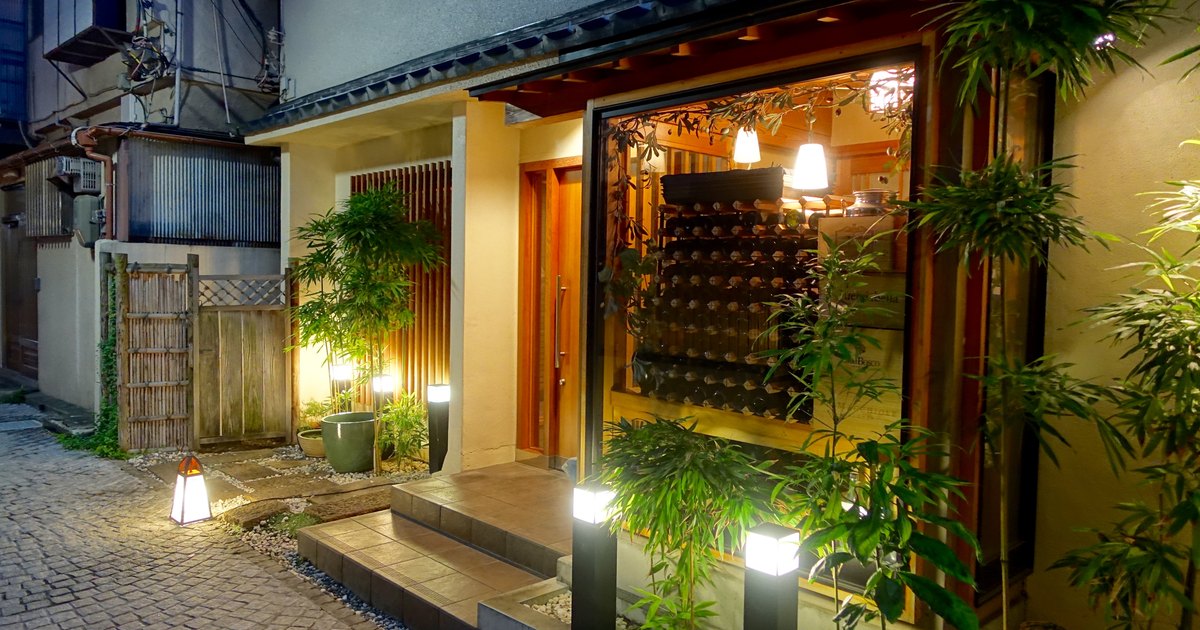
Kuramae — the warehouse quarter locals call Tokyo's Brooklyn: leather studios, stationery ateliers, roasters, and the densest concentration of converted-building stays. Kiyosumi-Shirakawa — galleries and third-wave coffee east of the river; quieter, artier. Nihombashi's side streets and Kabutocho — the old finance district's stone buildings reborn as design spaces, walkable to the Tokyo Station area. Shibuya's back blocks toward Tomigaya and Yoyogi Park — where the young design-hotel energy lives on the west side. Search accommodation maps inside those districts rather than filtering the whole city by "boutique" — the label is unregulated and the district is the better signal.
The four-spec checklist
- Square meters, not photos. Design photography flatters small rooms brutally. Under ~15 m² is compact even by Tokyo standards; the listing always states the number — read it.
- Bathroom type. The stylish end includes shower-only rooms and even shared bathrooms (hostel DNA, remember). Completely fine — as long as you knew.
- Bar-noise geometry. The ground-floor bar is the soul of these properties and also a sound system under somebody's bed. Ask for an upper floor, or embrace the hum.
- Cancellation terms, on the property's own site. Small houses run stricter rules than chains, and direct bookings usually carry the best terms and the realest availability. Book direct; it also keeps these places alive.
Boutique vs the alternatives, honestly
The self-test: if what you actually want is frictionless efficiency, Tokyo's business chains do it cheaper and better than a moody lobby ever will. If you want a statement, the five-star tier is playing a different sport entirely. If it's tradition — tatami, futon, the bath ritual — that's a ryokan, and Tokyo imitations rarely beat the real onsen-town article. Boutique is the right call when the building and its ground floor are part of why you're traveling — and once your district is chosen, the area guide handles the logistics side of the decision.
(At the top of the market, our Aman Tokyo guide covers what is open to visitors without a room — and the three things the hotel never publishes.)
FAQ
Does Tokyo have boutique hotels?
What’s the difference between a boutique hotel and a business hotel in Tokyo?
Which Tokyo neighborhoods are best for boutique and design hotels?
Are boutique hotels in Tokyo expensive?
What should I check before booking a small design hotel in Tokyo?
Where did Tokyo’s design-hostel wave come from?
Bottom line (2026) — Tokyo’s boutique scene grew out of renovated warehouses and craft districts, not Ginza towers, seeded by a design-hostel wave that started around 2010 with flagships like Nui. The guide deliberately names no unverified property — small hotels change fast, so it hands you the districts to hunt in and the four specs that separate ’boutique’ from merely ‘small’, with each recommended stay checked in its own linked review.
Sources
District characters and the design-hostel lineage are documented public history — the Nui. origin specifics are fact-checked against the operator's official pages in our linked review. No unverified property is named or recommended in this guide, deliberately: small hotels change fast, and each named property here has its own independently checked review. As of July 2026.
Some links on this page may be affiliate links, which means we may earn a commission if you book or buy through them — at no extra cost to you. See our affiliate disclosure.
Tokyo to Osaka, Tokyo to Kyushu, Tokyo to Hokkaido — day by day — plus seven places most visitors never reach.
- 12 pages, 80 photographs, every stop linked to its guide
- Every price and opening hour read from the official page
- Re-issued monthly, so it does not go stale in your inbox
Free. One email a month, plus the rare change that matters. Unsubscribe with one click in any email. By subscribing you agree to our privacy policy.