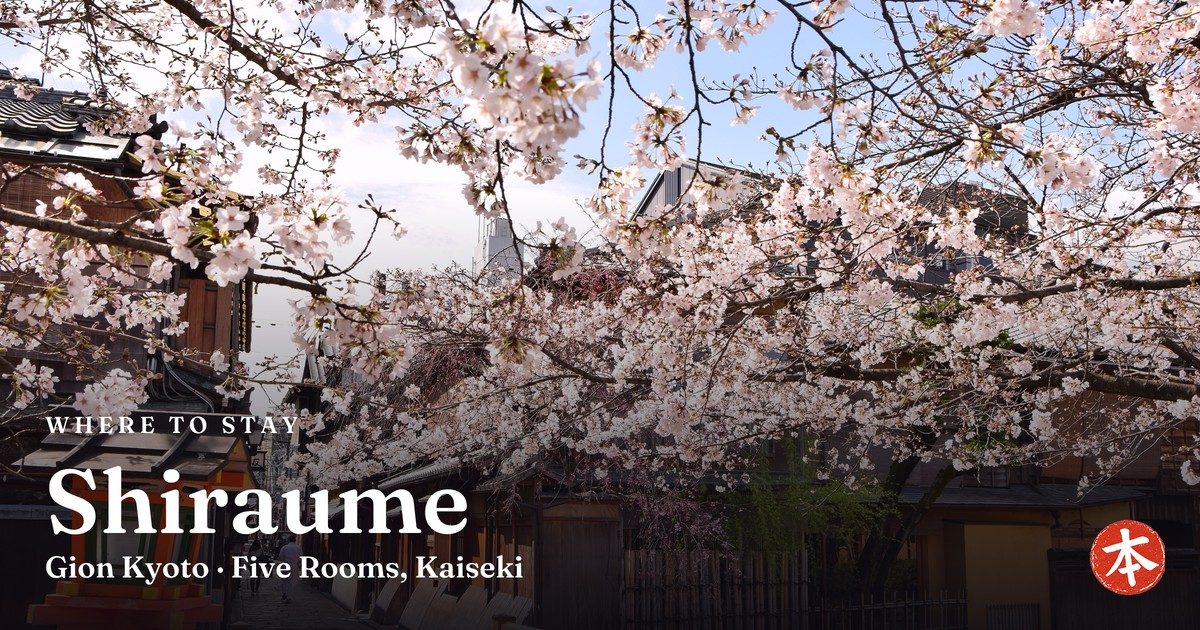
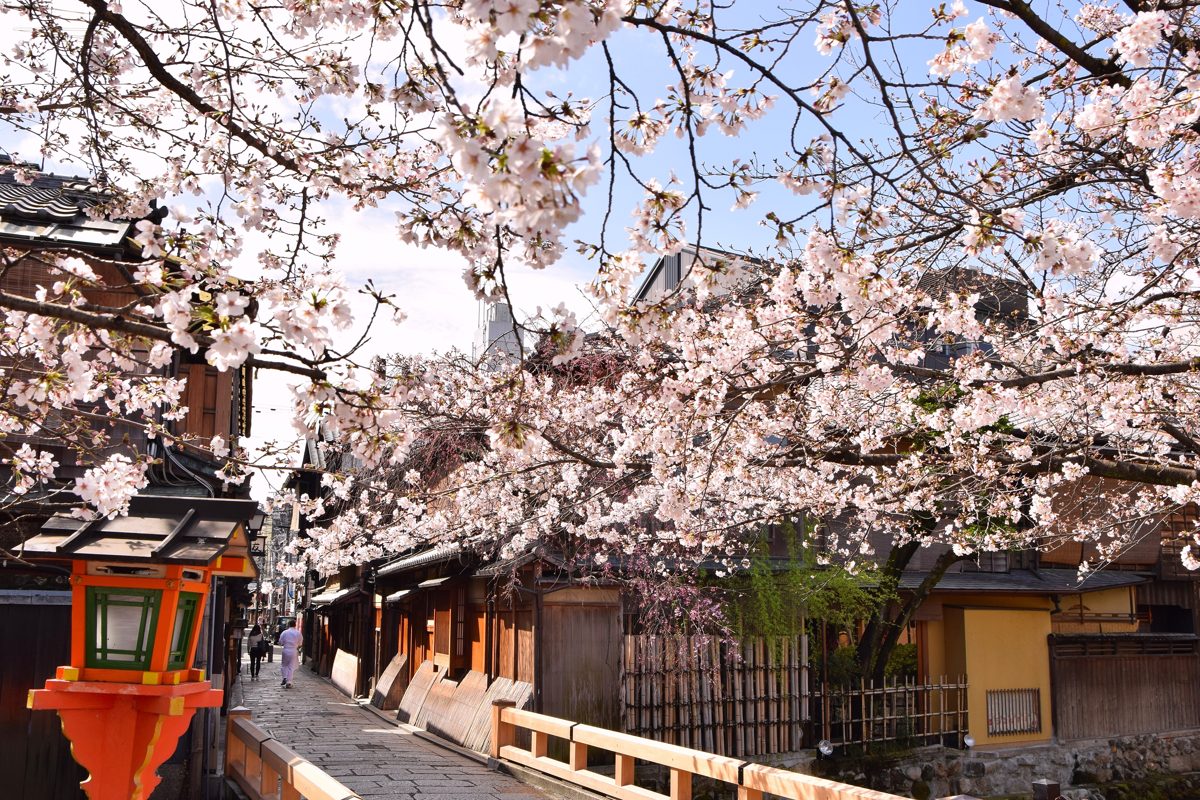
Shiraume Ryokan is a five-room inn of Kyoto cuisine on the Shirakawa stream in Gion. You reach the front door by crossing a small private bridge over the stream, between two old white plum trees the inn says are well over 100 years old. Before you book, three things matter: there is no instant booking, only a request form; guests are asked to arrive by 18:00; and the Japanese and English pages state room rates differently, so confirm the price in writing.
Shiraume Ryokan at a glance
| Item | Official information |
|---|---|
| Location | By the Shirakawa stream, Gion Shinbashi, Higashiyama-ku, Kyoto |
| Rooms | 5 Japanese-style rooms, each named for the plum |
| Check-in / out | From 15:00 (arrive by 18:00) / by 11:00 |
| Baths | Koya-maki wood baths in four of the rooms; hinoki family baths with jacuzzi |
| Meals | Seasonal Kyoto kaiseki dinner; home-style Kyoto breakfast |
| Booking | Request form (English or Japanese) or phone; no booking engine |
| Phone | +81-75-561-1459 |
| Cards | Visa, Mastercard, American Express, Diners, JCB (Japanese page) |
From the official site, read October 20, 2026.
What is the story behind Shiraume Ryokan?
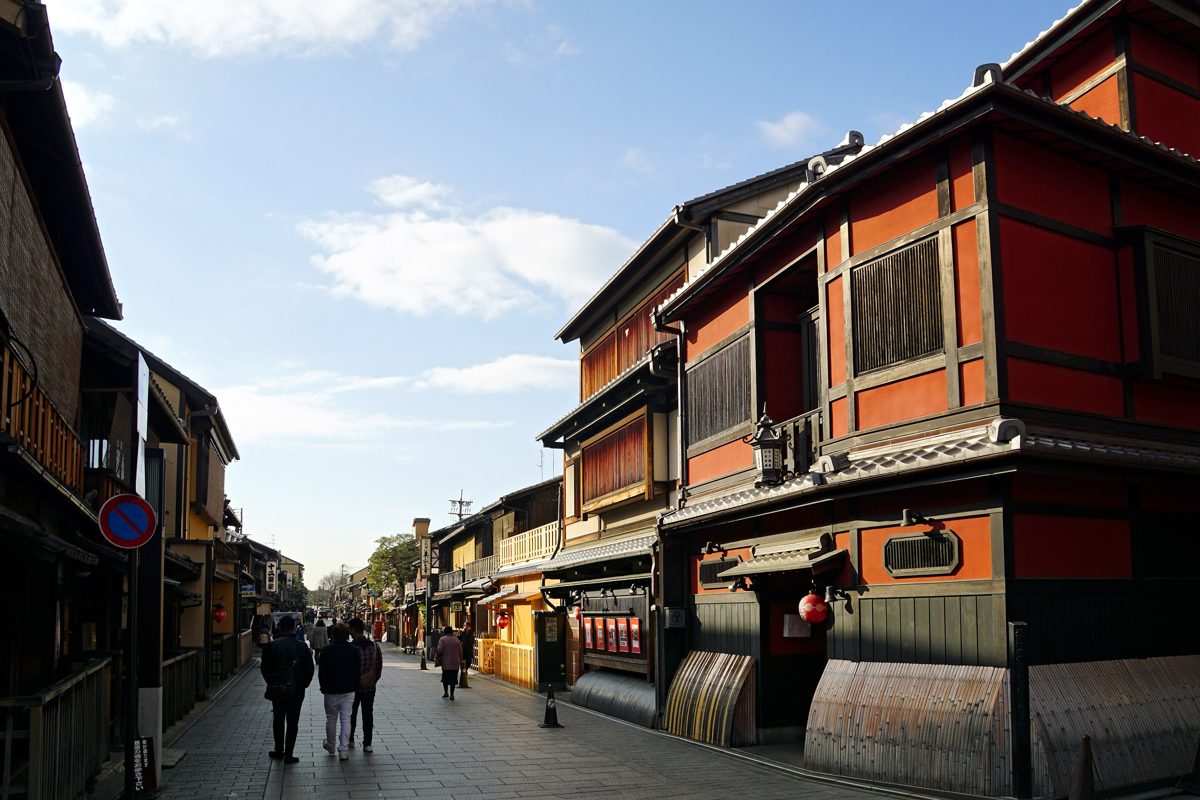
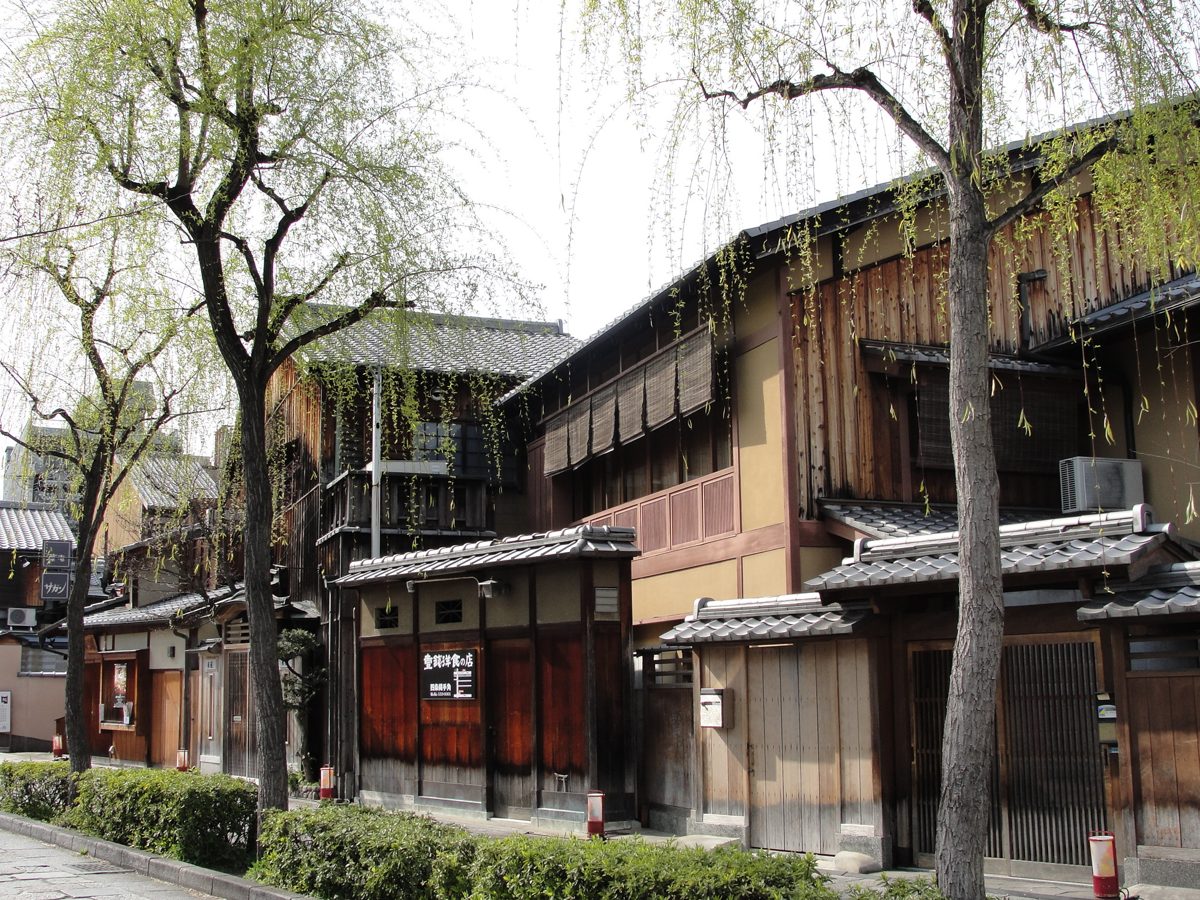
The building went up in the late Edo period as an ochaya (teahouse) called Oyanagi, in sukiya style, and the inn says the craft shows down to each pillar and door pull. In the Taisho era the poet Yoshii Isamu grew fond of the ground-floor Umemi room, and a hanging scroll from him remains. In 1949 the then proprietress, Tetsu Omura, turned the teahouse into a ryokan of Kyoto cuisine and named it Shiraume, “white plum,” after the old trees she loved.
The bridge at the entrance is one of the private bridges over the Shirakawa. In spring, weeping cherry trees bloom along the stream and are lit up at night. Gion Shinbashi was designated a preservation district for traditional buildings in 1976. If you are still planning your days in the city, see how many days to spend in Kyoto.
Which room should I choose at Shiraume Ryokan?
| Room | Layout | Up to | Note |
|---|---|---|---|
| Umegoyomi | 8-mat living room + 6-mat bedroom | 3 | Living room faces the Shirakawa; koya-maki wood bath and toilet |
| Umemi | 8-mat living room + 6-mat bedroom | 3 | Own small courtyard garden; koya-maki bath and toilet |
| Umegae | Living room and bedroom, 28 mats in all | 4 | Bookings from 3 guests |
| Umezono | 8-mat living room + 6-mat bedroom | 3 | Lacquered bath, plus koya-maki bath and toilet |
| Umeichirin | 8-mat living room + 6-mat bedroom | 2 | Hinoki bath, plus koya-maki bath and toilet |
From the Japanese rooms page, read October 20, 2026.
What is in the rooms?
The Japanese facilities page lists floor heating, air conditioning, TV with satellite channels, a DVD player, an in-room phone, a humidifier, a refrigerator, a safe, free Wi-Fi, yukata and loungewear, and a free minibar. Plug adapters, phone chargers and hair irons can be borrowed.
The baths at Shiraume Ryokan
Is there a shared bath?
Besides the koya-maki wood baths in four of the five rooms, the inn has family baths built entirely of hinoki, with a jacuzzi and floor heating, filled with groundwater. As family baths, you use them without other guests. The official pages do not mention a large public bath or an open-air bath, and they do not give bath hours or how to reserve a family bath; ask at check-in.
Can I bathe with a tattoo?
The official pages do not mention tattoos. The in-room baths and family baths are used privately, but confirm with the inn before you book. Our tattoo and onsen guide explains what to ask.
Meals at Shiraume Ryokan
What is dinner like?
Dinner is kaiseki built on seasonal Kyoto ingredients: bamboo shoots and cherry sea bream in spring, hamo (pike conger) and Kamo eggplant in summer, Tango chestnuts and matsutake in autumn, and turnips and guji (tilefish) in winter. The English page says kaiseki can be served in private rooms with a reservation; the Japanese page does not say where dinner is served.
What is breakfast like?
Breakfast is a home-style Kyoto meal passed down from a grandmother’s recipes: dashimaki (rolled omelet) made fresh and hot, tofu and Kyoto vegetables. The Japanese facilities page says you can enjoy breakfast and an after-meal coffee at the inn’s counter bar, Hatsune. In the evening, the Umedayori lounge offers free sake from Fushimi, beer and soft drinks.
Can the inn handle allergies or a special diet?
The official pages say nothing about allergies, vegetarian food or other diets. Write your needs in the message box of the request form so the inn can reply before you commit.
Can I come only for dinner?
Yes. Dinner without a stay runs from 18:00 to 22:00, with last order at 19:00, for groups of 2 to 30 in a private room or at the counter, by reservation only. Courses per person are 15,000, 18,000, 20,000 and 22,000 yen, plus consumption tax and a 1,500-yen service charge per person.
Prices, children and payment at Shiraume Ryokan
How much does a stay cost?
Rates on both language versions include dinner and breakfast, but the Japanese page lists them per person with consumption tax and accommodation tax added on top, while the English page lists them per room with both taxes included, and the two sets of figures do not match. Ask the inn for the total for your exact dates and room. The Japanese page adds that New Year, Golden Week, Obon and festival periods such as the Gion Matsuri have special rates.
Kyoto charges an accommodation tax of 200 to 10,000 yen for each guest and night, set by the room-only price and paid at the place you stay (City of Kyoto). Shiraume does not publish a room-only price, so we cannot say which band applies.
What do children cost?
By the Japanese page, elementary school children pay 70 percent of the adult rate with a mini kaiseki dinner and breakfast, or 50 percent with a children’s meal. For younger children, ask the inn. The English request form has a box for children and their meal choice.
What is the cancellation policy?
Neither version of the official site publishes a cancellation policy. Ask for the terms in writing when the inn replies to your request; our hotel cancellation guide explains what to check.
How do I pay?
The Japanese rooms page lists Visa, Mastercard, American Express, Diners and JCB. Other payment methods are not mentioned.
Getting to Shiraume Ryokan in Gion, Kyoto
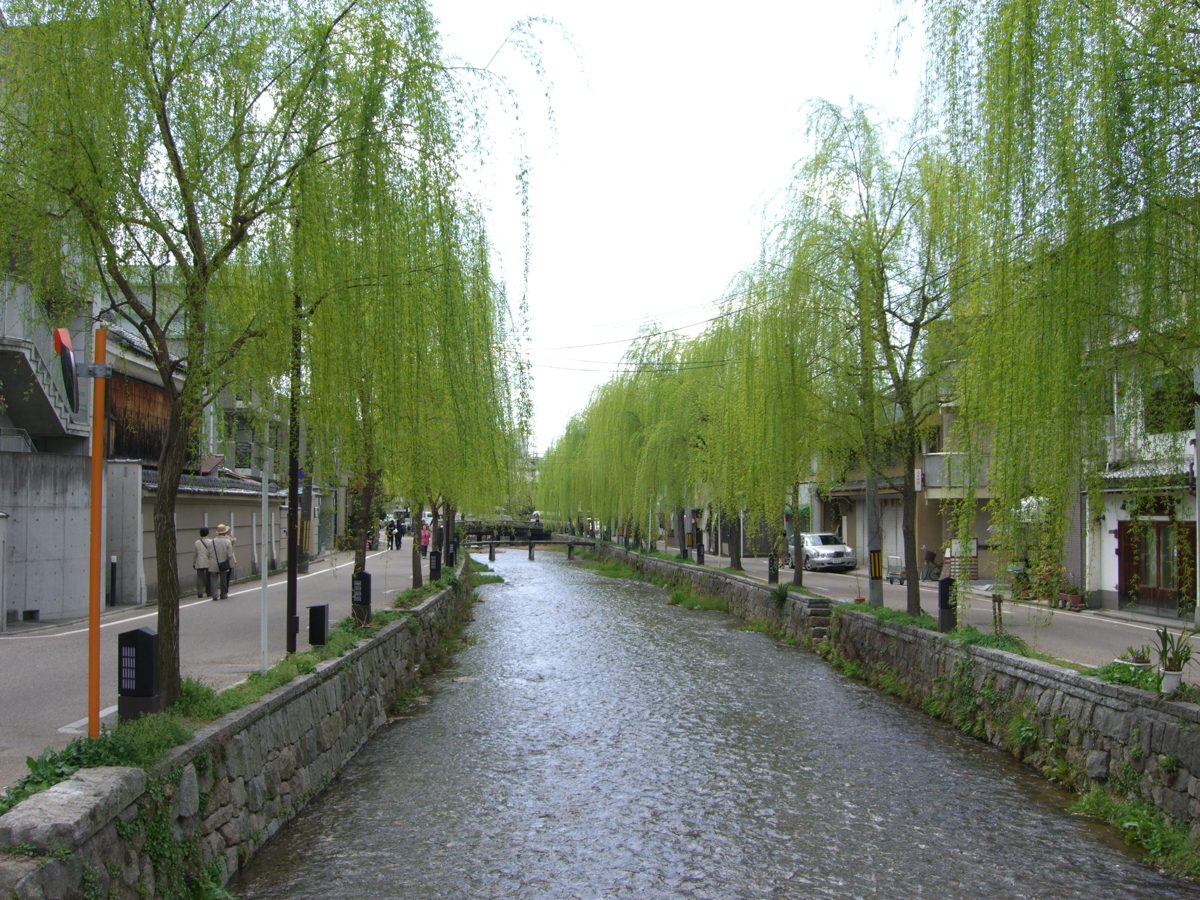
From Keihan Gion-Shijo Station, walk north about 3 minutes. Keihan Sanjo and the Tozai subway line’s Sanjo Keihan Station are about 5 minutes away, and Hankyu Kawaramachi about 7 minutes. From JR Kyoto Station, a taxi takes about 15 minutes; the inn suggests telling the driver “Gion Shirakawa.” The official pages do not mention a pickup service or parking.
What foreign guests should know before staying at Shiraume Ryokan
- Booking is by request: send the English form, then wait at least 24 hours for the reply. There is no public email address; use the form or the phone.
- Arrive by 18:00; if your train runs late, call +81-75-561-1459. See our late arrival guide.
- Confirm the total price, taxes and cancellation terms in the inn’s reply before you commit.
- The English request form also lists rooms at the inn’s annex, Baian; pick the room you mean.
- Plug adapters and phone chargers can be borrowed at the inn.
Frequently asked questions
How do I book Shiraume Ryokan?
How much does Shiraume Ryokan cost per night?
What time is check-in at Shiraume Ryokan?
Can I use the bath at Shiraume Ryokan with a tattoo?
What is the cancellation policy at Shiraume Ryokan?
Bottom line (2026): Shiraume Ryokan is a five-room former teahouse on the Shirakawa stream in Gion, with seasonal kaiseki and hinoki family baths used without other guests. Book through the English request form, arrive by 18:00, and get the total price and cancellation terms in writing.
Sources
Every fact on this page is from Shiraume Ryokan’s official pages: home (Japanese), history, rooms, cuisine, facilities, access, English home, English rooms and the English reservation request form, plus the City of Kyoto accommodation tax page. All were read on October 20, 2026. Prices and rules change; check the official site before you book.
Tokyo to Osaka, Tokyo to Kyushu, Tokyo to Hokkaido — day by day — plus seven places most visitors never reach.
- 12 pages, 80 photographs, every stop linked to its guide
- Every price and opening hour read from the official page
- Re-issued monthly, so it does not go stale in your inbox
Free. One email a month, plus the rare change that matters. Unsubscribe with one click in any email. By subscribing you agree to our privacy policy.