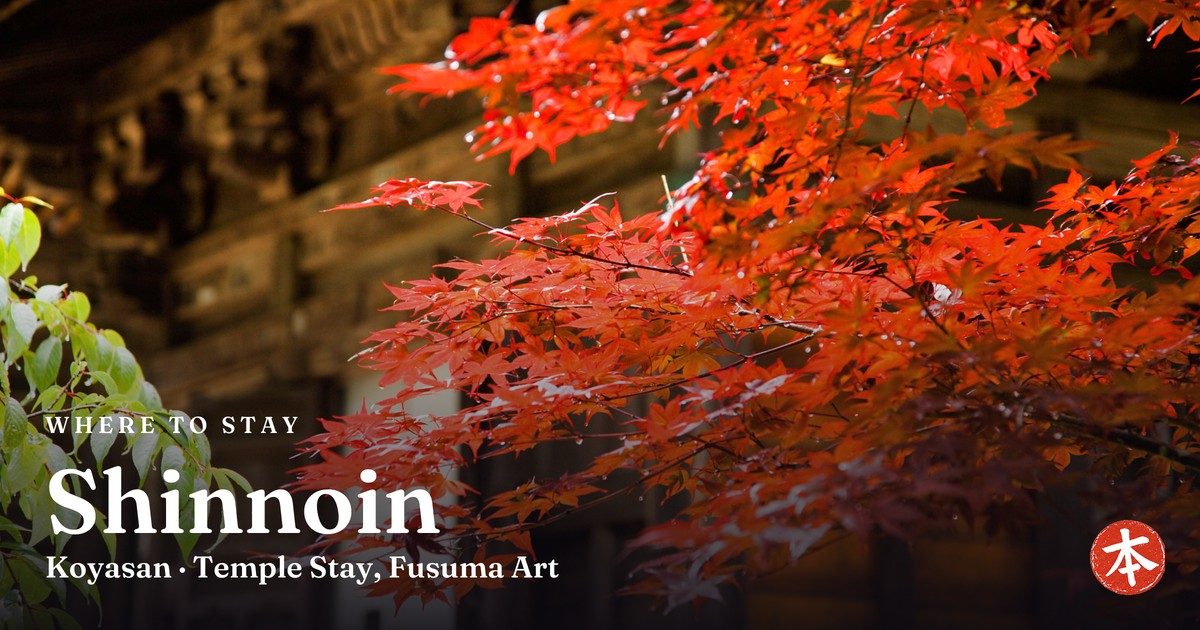
Shinnoin is a temple lodging, or shukubo, on Mount Koya in Wakayama. Its rooms keep wall and sliding-door paintings by a Kano school painter and his circle from nearly 170 years ago, and its main hall still has no electricity. Before you book, three things matter: reservations are taken by phone, with no online booking page; credit cards are not accepted; and the official walk from Koyasan Station is about 40 minutes (3.1 km).
Shinnoin at a glance
| Item | Official information |
|---|---|
| Address | 144 Koyasan, Koya-cho, Ito-gun, Wakayama 648-0211 |
| Phone / email | +81-736-56-2227 / info@shinnoin.com |
| Booking | By phone, from 3 months ahead |
| Check-in / out | 15:00 / 10:00 |
| Rooms | 7 private rooms: 6 divided by fusuma, 1 with walls |
| Meals | Shojin ryori dinner and breakfast |
| Bath | Large bath (not a hot spring) |
| Payment | No credit cards |
| English site | None |
From the official Japanese pages, read October 20, 2026.
What makes Shinnoin different from other temple stays?
Who founded the temple?
The temple was founded by Prince Shinnyo, the third son of Emperor Heizei and one of Kobo Daishi’s ten great disciples. The temple notes that he painted the portrait of Kobo Daishi in the Miedo hall of the Danjo Garan, the image on which today’s portraits of the Daishi are based.
What will I see inside?
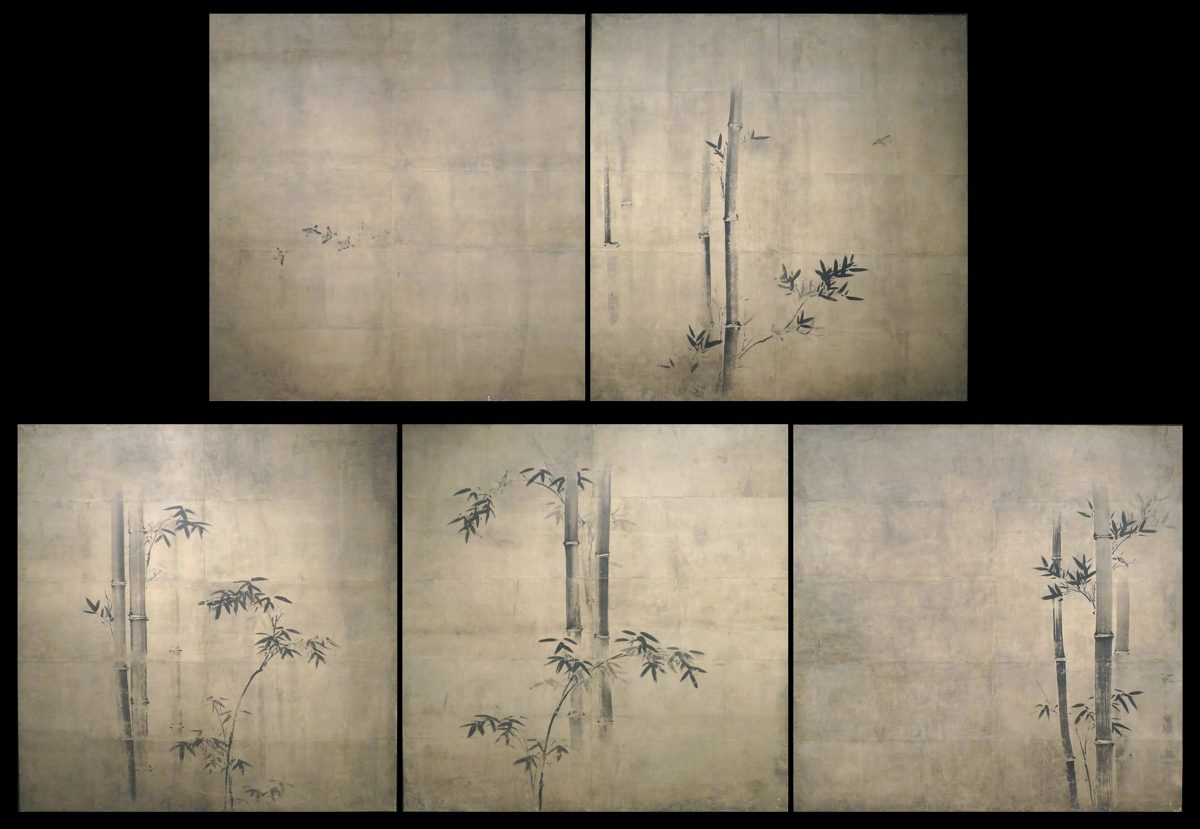
The temple keeps many wall paintings and fusuma (sliding-door) paintings by Kikuta Ishu, an official painter of the Kano school for the Sendai domain, and his followers. They were painted when the buildings went up nearly 170 years ago, and daily life still goes on among them. The main hall is built in the kura (storehouse) style, has no electricity and is lit only by lamps; the temple describes it as one of the oldest styles left on Koyasan. The principal image, Fudo Myoo, said to be the work of Chisho Daishi, is an Important Cultural Property, and the temple also holds a Bishamonten from the Konin era and a gilt-bronze Amida from the Hakuho era.
Can guests join temple activities?
The temple says it holds hands-on events regularly, such as sutra copying and zazen meditation and a morning service experience, and that some of them charge a fee. The official pages do not give dates or times, so ask when you book. In October 2026 the temple announced that its new treasure house was finished, with a dedication ceremony on October 29, 2026 (notice in Japanese); the notice does not say whether stays that day are affected.
Rooms at Shinnoin
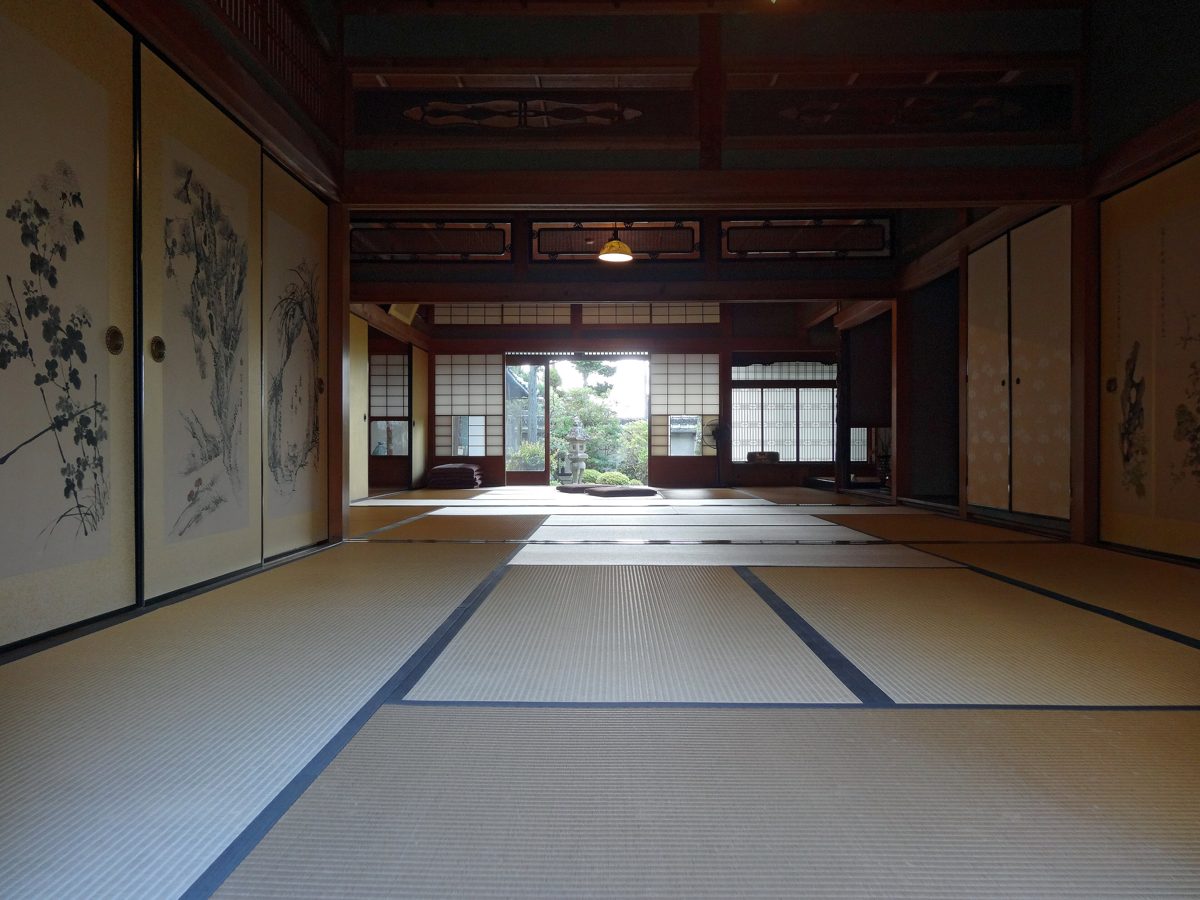
There are seven private rooms. Six are Fudo-no-ma rooms, divided by fusuma, and one, Sora-no-ma, has solid walls and takes up to 4 guests. The temple says the inherited wall and fusuma paintings let you feel the history in the rooms. Fusuma are sliding paper doors. The official pages do not give room sizes or say whether rooms have their own toilet or bath.
Shojin ryori at Shinnoin
What is served?
Dinner and the next morning’s breakfast are shojin ryori, Buddhist cuisine made with seasonal vegetables. The temple explains that it uses only plant-based ingredients such as vegetables and tofu, and that it draws interest today from vegetarians and vegans. The official pages do not say where or at what time meals are served.
Can the temple handle allergies?
The cuisine page asks guests with allergies to consult the temple in advance, just in case. Since booking is by phone, raise it on the call or through the contact form before you arrive.
The bath at Shinnoin
Is there a hot spring?
No. The facilities page says there is no hot spring, but guests can warm up in the large bath. It does not give bath hours or say whether there is a private bath.
Can I bathe with a tattoo?
The official pages do not mention tattoos. Ask the temple before you book. Our tattoo and onsen guide explains what to ask.
Booking, cancellation and payment at Shinnoin
How do I make a reservation?
The reservation page says bookings are taken by telephone, every day of the year from 9:00 Japan time; the closing time of the phone line differs between pages. Call +81-736-56-2227 (0736-56-2227 inside Japan). Bookings open 3 months ahead. If a phone call in Japanese is hard, the site has a contact form asking for your name and email; it notes there is no confirmation screen, so check your message before you send it. The temple also lists the email address info@shinnoin.com.
What does a stay cost?
The official pages show starting prices in more than one way, so we do not quote a figure here. Ask the temple for the price for your dates and number of guests, and what it includes, when you call.
What is the cancellation policy?
Fees begin 3 days before your stay:
| When you cancel | Fee (share of the stay) |
|---|---|
| 3 days before | 10 percent |
| 2 days before | 30 percent |
| 1 day before | 50 percent |
| On the day | 100 percent |
From the official facilities page, read October 20, 2026.
Our hotel cancellation guide covers how these fees work in Japan.
How do I pay, and are there taxes?
The facilities page states that credit cards cannot be used. It does not list other payment methods, so ask how to pay when you book. Neither the temple’s site nor Koya Town’s tax page mentions a bathing or accommodation tax. The official pages do not give child rates either.
Getting to Shinnoin on Koyasan
The official access page says it is about 40 minutes on foot (3.1 km) from Koyasan Station, on the Nankai Koyasan cable car. It does not describe a bus route, pickup or parking, so ask the temple how to arrive, especially with luggage. Check-in starts at 15:00. Our Koyasan guide covers the wider mountain.
What foreign guests should know before staying at Shinnoin
- The website is only in Japanese, and booking is by phone; the contact form or email is an option if calling is hard.
- Credit cards are not accepted; confirm how to pay when you book.
- The walk from Koyasan Station is about 40 minutes, so plan your route before the day.
- The main hall has no electricity and is lit only by lamps.
- Six of the seven rooms are divided by fusuma rather than walls.
Frequently asked questions
How do I book Shinnoin?
Can I pay by credit card at Shinnoin?
Is the food at Shinnoin vegan?
How far is Shinnoin from Koyasan Station?
What is the cancellation policy at Shinnoin?
Bottom line (2026): Shinnoin is a shukubo on Mount Koya with nearly 170-year-old Kano school paintings, a lamp-lit main hall and shojin ryori. Book by phone, bring a way to pay other than a credit card, and plan the 40-minute walk from Koyasan Station.
Sources
Every fact on this page is from Shinnoin’s official pages: home (Japanese), greeting, history and rooms, stay, facilities and services, cuisine, access, reservation, contact and news, plus Koya Town’s tax page. All were read on October 20, 2026. Prices and rules change; check with the temple before you book.
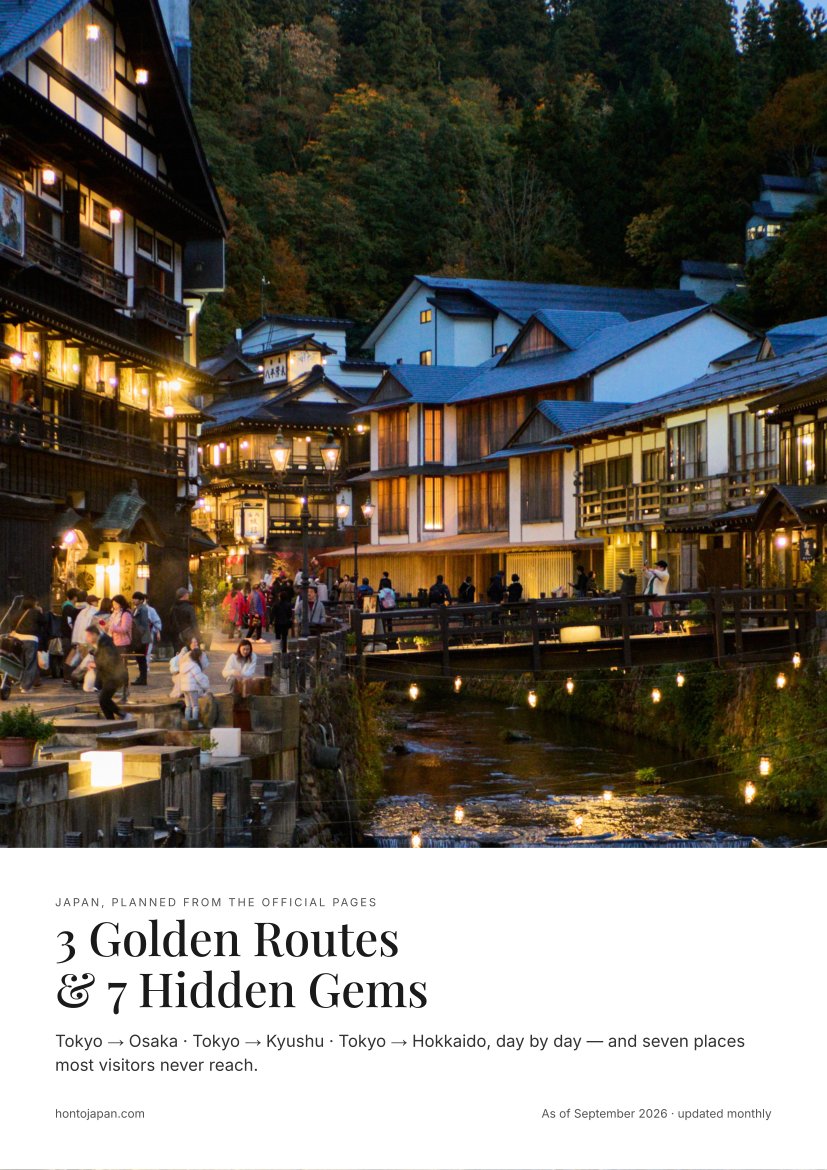
Tokyo to Osaka, Tokyo to Kyushu, Tokyo to Hokkaido — day by day — plus seven places most visitors never reach.
- 12 pages, 80 photographs, every stop linked to its guide
- Every price and opening hour read from the official page
- Re-issued monthly, so it does not go stale in your inbox
Free. One email a month, plus the rare change that matters. Unsubscribe with one click in any email. By subscribing you agree to our privacy policy.