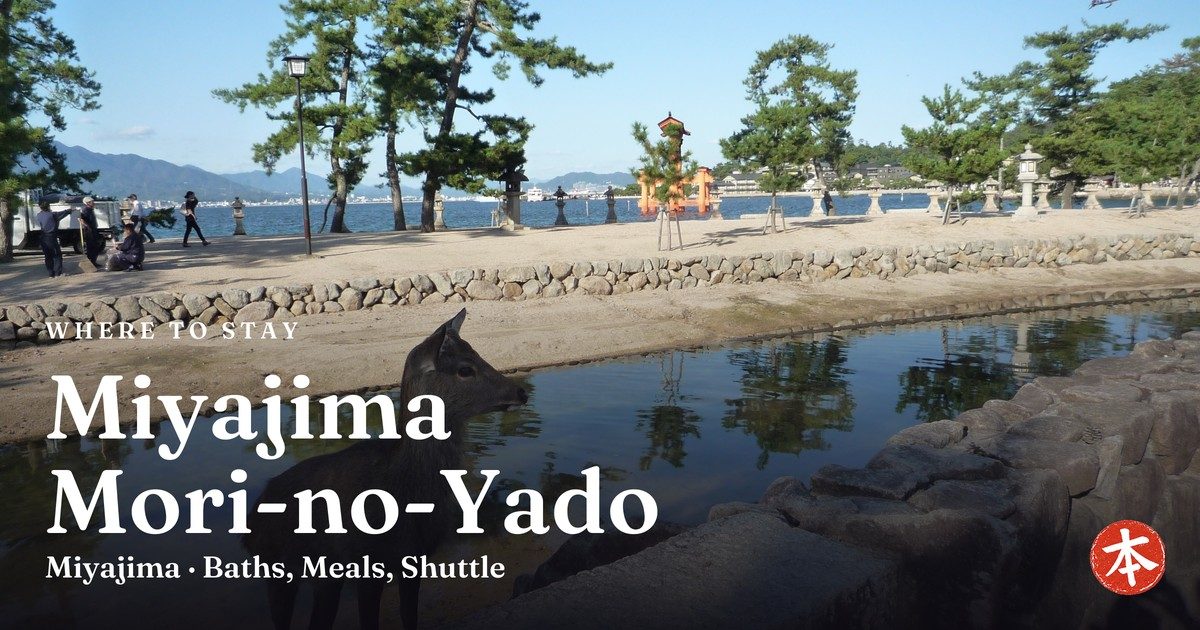
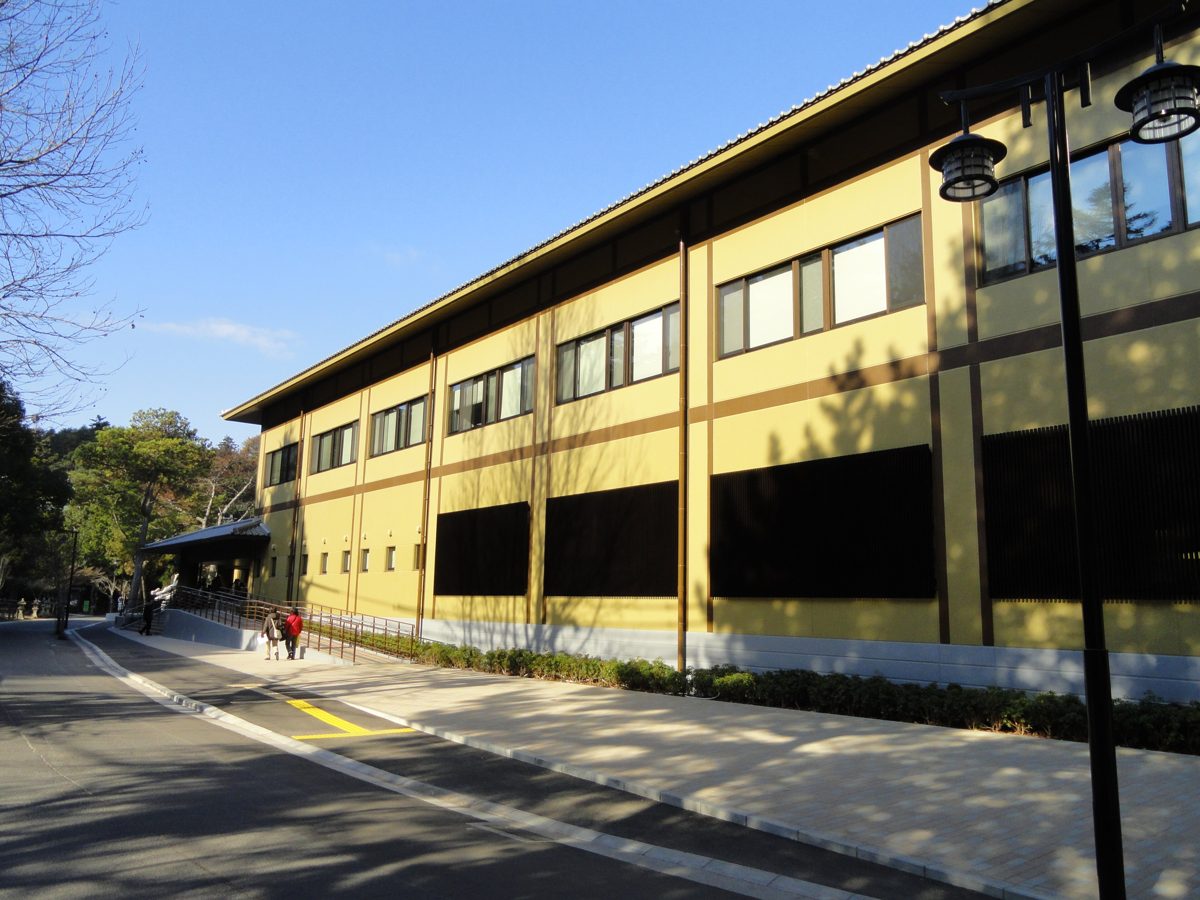
Miyajima Mori-no-Yado is a national guest house (kokumin shukusha) inside Omoto Park on Miyajima, Hiroshima. The inn describes itself as standing quietly at the foot of the primeval forest of Mount Misen, a World Heritage site, with the Miyajima Public Aquarium a one-minute walk away. Before you book, three things matter: the large bath is not a hot spring; a free shuttle with up to six seats meets staying guests at the pier; and food allergies must be reported 3 days ahead.
Miyajima Mori-no-Yado (Morinoyado) at a glance
| Item | Official information |
|---|---|
| Type | National guest house (kokumin shukusha) |
| Address | Omoto Park, Miyajima-cho, Hatsukaichi, Hiroshima |
| Rooms | Japanese rooms facing the sea or the forest; Western twin rooms, all on the sea side |
| Check-in / out | From 16:00 / 10:00 |
| Bath | Large bath, men and women separate; not a hot spring |
| Meals | Restaurant Omoto; seasonal kaiseki dinner, Japanese breakfast |
| Smoking | All rooms non-smoking; smoking corner in the building |
| Payment | Cash (Japanese yen) and credit cards |
| Contact | +81 (0)829 44 0430 (9:00–19:00); info@morinoyado.jp |
From the official website, read October 16, 2026.
Where is Miyajima Mori-no-Yado on Miyajima?
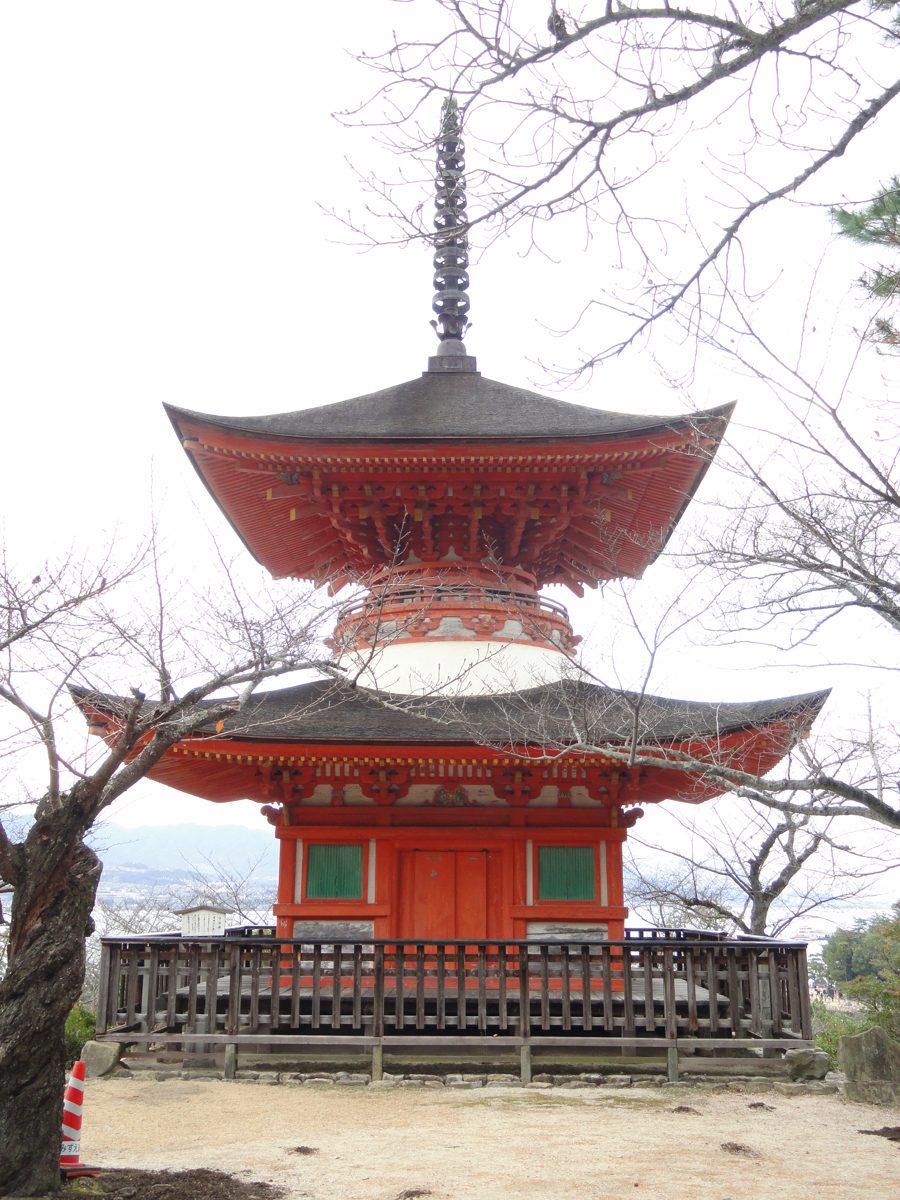
The inn sits in Omoto Park, which the official site describes as a rare grove of fir trees, some several hundred years old, growing along the shore. Omoto Shrine, said to be older than Itsukushima Shrine, stands in the park, and the Important Cultural Property Tahoto pagoda is about a 10-minute walk away. The inn notes that its surroundings are counted among the Eight Views of Itsukushima. For the rest of the island, see our Miyajima guide.
The large bath at Miyajima Mori-no-Yado
Is the bath a hot spring?
No. The English bath page, which calls it Maroudo no yu, says plainly that it is not a hot spring. It has spacious tubs for male and female guests. The page also warns that school trips and groups may be staying on the same day, so the bath can be busy at times.
When can staying guests use it?
Staying guests can bathe from 6:00 to 23:00, except during a cleaning break in the morning; check the exact break time at the front desk.
Can day visitors use the bath?
Yes. Day bathing runs from 10:30 to 17:00, with the last entry at 16:00. It costs 600 yen, plus 150 yen for a towel.
Is there a private bath, and what about tattoos?
The official pages do not mention a private bath or an open-air bath, and they do not state a tattoo rule. If either matters to you, email the inn before you book.
Dinner and breakfast at Miyajima Mori-no-Yado
Meals are served at Restaurant Omoto; the English FAQ says groups eat dinner in a banquet room.
| Course (October 2026 to March 2027) | Dishes named on the official page |
|---|---|
| Momijidani kaiseki (standard) | Shabu-shabu of Hiroshima wagyu kone, steamed Miyajima oysters, rice cooked with anago (conger eel) |
| Itsukushima kaiseki (special) | Tilefish grilled with karasumi, anago tempura |
| Breakfast (7:00–9:00) | Two small dishes of the day, salted salmon, Hiroshima lemon tofu, salad, karashi takana, rice, miso soup, Chichiyasu yogurt |
From the official cuisine page, read October 16, 2026.
What time is dinner?
The official pages give different details on dinner times, so confirm your dinner time with the inn when you book or check in. Children have their own dinner and breakfast menus, with dishes such as a hamburger steak and an omelet.
Can the inn handle allergies or a vegan diet?
Tell the inn about allergies at least 3 days ahead. The cuisine page says an extra fee may apply, traces of allergens may remain, and in some cases you may bring your own food. The lunch menu, served from 11:00 to 14:00, includes a vegan lunch and says vegans and vegetarians can eat with peace of mind. For a vegan dinner, ask before you book.
Rooms at Miyajima Mori-no-Yado
Which room types are there?
There are sea-side Japanese rooms of 8 mats with a bath and toilet, forest-view Japanese rooms of 10 mats, either with a bath and toilet or without a bath, and spacious Western twin rooms, all on the sea side with a unit bath and toilet. The official pages do not give the number of rooms, room sizes in square meters or the maximum guests per room.
What is provided in the room?
A toothbrush, body soap, shampoo, conditioner, a bath towel, a small towel and a hair dryer. The yukata is not left in the room; you choose your size at check-in. Go, shogi and playing cards can be borrowed free.
Prices, children, cancellation and payment at Miyajima Mori-no-Yado
How much does a stay cost?
Room prices are on the booking page, which we could not read as text, so this guide does not quote them. On top of the room charge, Hiroshima Prefecture has charged an accommodation tax since April 1, 2026: 200 yen per person per night when the room-only rate is 6,000 yen or more, and none below that. The inn says this tax is not included in its prices and is paid at check-in or checkout. Separately, Hatsukaichi City’s Miyajima visitor tax of 100 yen per visit is added to your ferry fare.
What do children cost?
The official pages do not list child rates; ask the inn when you book.
What is the cancellation policy?
The FAQ lists 30 percent of the room charge from 3 to 2 days before, 50 percent the day before and 100 percent on the day. The inn does not, as a rule, keep a waiting list. Our hotel cancellation guide explains how these fees work in Japan.
How do I pay?
The inn accepts cash in Japanese yen and credit cards; the card brands are not listed. Travel vouchers and traveler’s checks are not accepted.
Getting to Miyajima Mori-no-Yado
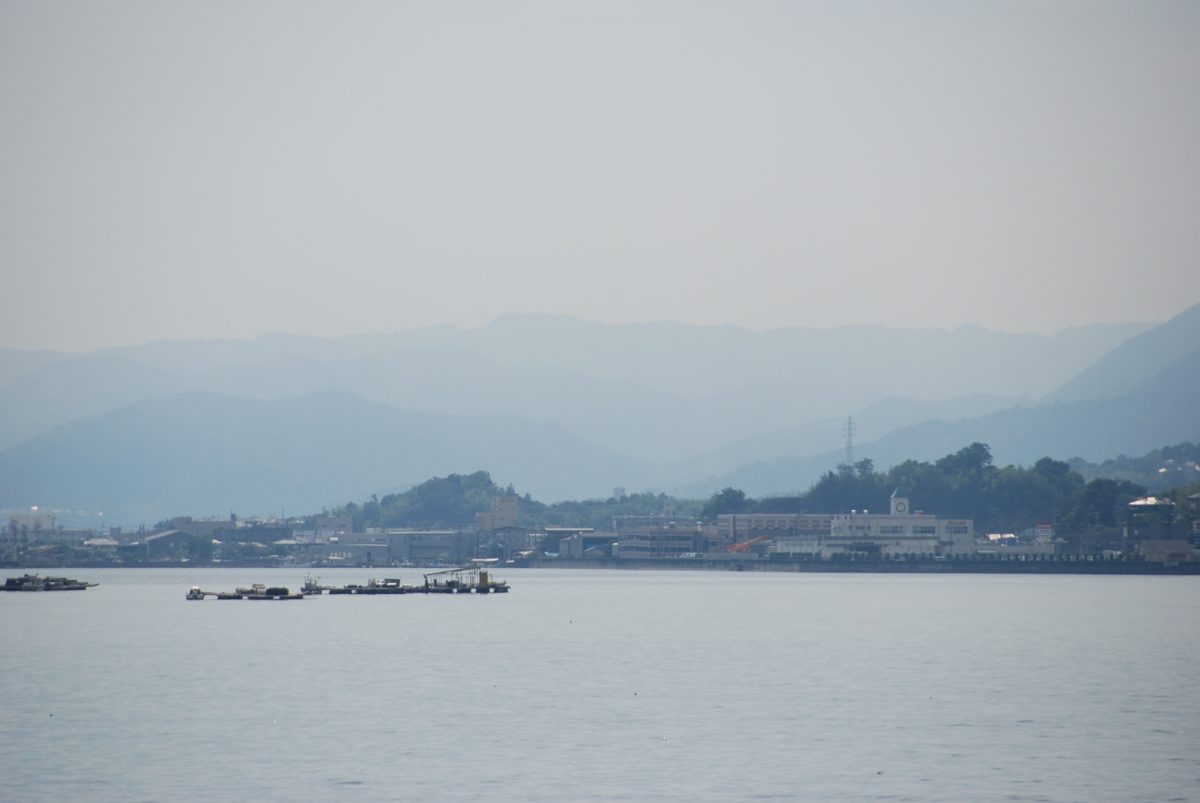
Ferries run from Miyajimaguchi to Miyajima about every 15 minutes, operated by JR West Miyajima Ferry and Miyajima Matsudai Kisen, and take about 10 minutes. The FAQ lists the first ferry to the island at 6:25 and the last at 22:42. Our Hiroshima to Miyajima guide covers the trip from the city.
How does the free shuttle work?
Staying guests ride free between Miyajima pier and the inn, about 10 minutes. There is one car with up to six seats, so call the inn before you board the ferry, and ask where to meet the driver and until what time the shuttle runs. The inn can also hold your luggage when you arrange a pier pickup.
What if I miss the shuttle?
The Maple Liner bus costs 300 yen one way and leaves the pier from 7:40 to 17:40. Taxis cost 700 to 1,000 yen and run from 8:00 to 17:30. The English access page puts the walk at about 25 minutes.
Can I drive?
The inn recommends paid parking at Miyajimaguchi, which it puts at 800 to 2,000 yen a day for a car, and taking the ferry from there.
What foreign guests should know before staying at Miyajima Mori-no-Yado
- The bath is not a hot spring, and it may be shared with school groups on some days.
- The shuttle has six seats; a larger group should plan for the bus or a taxi as well.
- The phone line takes calls from 9:00 to 19:00 Japan time.
- Budget for the 200-yen accommodation tax if your room-only rate is 6,000 yen or more; it is paid separately.
- The English and Japanese pages differ on some details, so confirm dinner and shuttle times with the inn.
Frequently asked questions
Is the bath at Miyajima Mori-no-Yado a hot spring?
How do I get from Miyajima pier to Miyajima Mori-no-Yado?
What time is check-in at Miyajima Mori-no-Yado?
What is the cancellation policy at Miyajima Mori-no-Yado?
Can Miyajima Mori-no-Yado handle food allergies?
Bottom line (2026): Miyajima Mori-no-Yado is a national guest house in Omoto Park, a minute from the aquarium, with a large bath that is not a hot spring, seasonal kaiseki with Miyajima oysters and anago, and a free six-seat shuttle from the pier. Confirm dinner and shuttle times with the inn, and book on the official English booking page.
Sources
Every fact on this page is from Miyajima Mori-no-Yado’s official pages: home (Japanese), home (English), rooms, cuisine, facilities, bath (English), access and FAQ, and the official English booking page; the taxes are from Hiroshima Prefecture and Hatsukaichi City. All were read on October 16, 2026. Prices and rules change; check the official site before you book.
Tokyo to Osaka, Tokyo to Kyushu, Tokyo to Hokkaido — day by day — plus seven places most visitors never reach.
- 12 pages, 80 photographs, every stop linked to its guide
- Every price and opening hour read from the official page
- Re-issued monthly, so it does not go stale in your inbox
Free. One email a month, plus the rare change that matters. Unsubscribe with one click in any email. By subscribing you agree to our privacy policy.