If you are sick in Japan or hurt while traveling, you need three things fast: the right number to call, a clinic that speaks your language, and enough cash to pay. This page collects what the Japanese government and JNTO say about each, word for word where it matters. It does not tell you what is wrong with you; it tells you who to ask.
Sick in Japan: which number do I call?
| Number | For | Hours | Languages |
|---|---|---|---|
| 119 | Ambulance, fire | 24 hours | Interpreting center in most areas |
| #7119 | Advice: ambulance or hospital? | Varies by area | Japanese (no other language listed) |
| 050-3816-2787 | JNTO Japan Visitor Hotline: illness, accidents, disasters | 24 hours, 365 days | English, Chinese, Korean |
| 03-5285-8181 | Tokyo Medical Information Service: which clinic to visit | 9 a.m. to 8 p.m. daily | English, Chinese, Korean, Thai, Spanish |
From JNTO, the Fire and Disaster Management Agency and the Tokyo Metropolitan Government, read October 7, 2026.
From overseas, or from a foreign SIM that needs the country code, the hotline is +81-50-3816-2787. Save these numbers in your phone today. Our Japan eSIM guide covers getting a line that can make calls.
How do I call an ambulance in Japan (119)?
What happens on a 119 call?
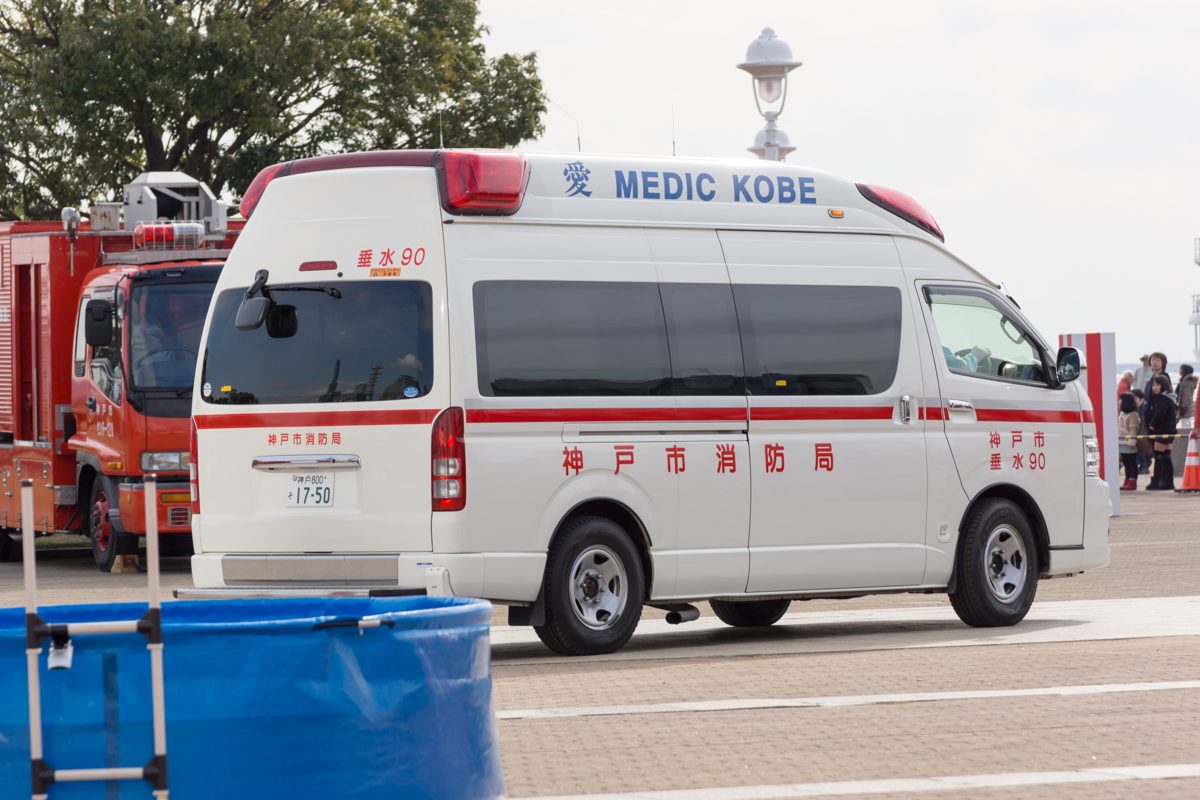
The Fire and Disaster Management Agency’s English ambulance guide says the service is available for anyone in Japan, and you can call from a mobile phone, a landline or a public phone. The dispatcher asks questions, but if the situation is serious, the ambulance is sent before all of them are asked. The agency lists what to say, in this order:
- Say it is a medical emergency (not a fire).
- Give the location. If you do not know the address, describe a nearby building or intersection.
- Describe the symptoms.
- Give the patient’s age.
- Give your name and a phone number so they can reach you after the call ends.
If people nearby can help, the agency suggests sending one of them to where the ambulance will arrive. The same guide lists symptoms for which you should not hesitate to call, such as a sudden severe headache or sudden difficulty breathing; read the full English guide rather than our summary.
Will the 119 operator speak English?
Not everywhere in the same way. The agency says 673 of Japan’s 720 fire departments, as of January 1, 2025, use a three-way interpreting service: the dispatcher forwards your call to an interpreting center that works 24 hours a day in major languages. Tokyo lists English, Chinese (Mandarin), Korean, Portuguese and Spanish. The agency also asks callers to get help from someone nearby who speaks Japanese, and to answer calmly and slowly. The Japan Tourism Agency’s guide has a Japanese sentence asking someone to call an ambulance that you can show to a person nearby.
What should I bring in the ambulance?
The agency’s list: your passport, cash or a credit card to pay at the hospital, and any medicine you take, plus a note of your medical condition if you have one. The Japan Tourism Agency adds a warning: you cannot choose which hospital you are taken to. See our guide to carrying your passport in Japan.
Sick in Japan but not sure it is an emergency? #7119
Which areas have #7119?
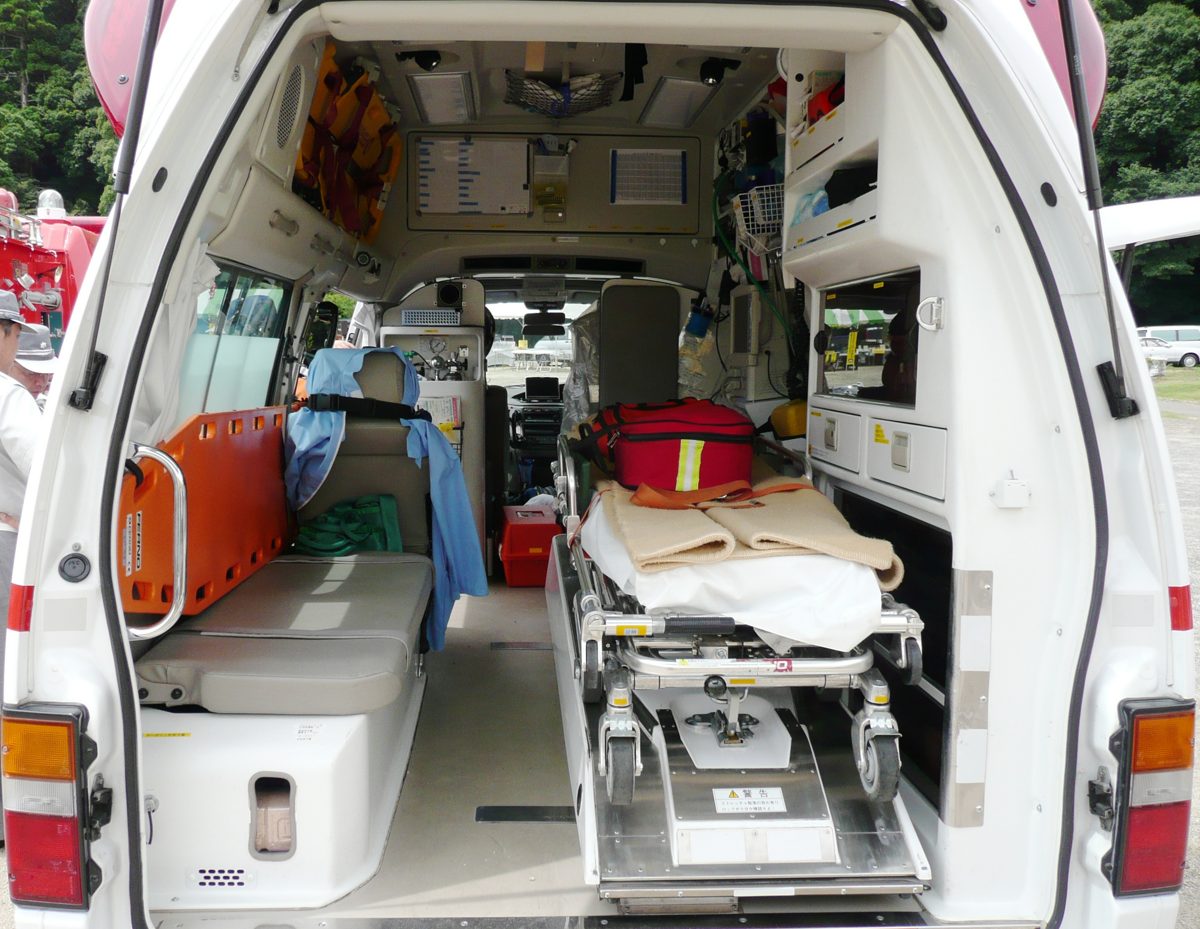
#7119 is a phone line where doctors, nurses and paramedics advise you whether to call an ambulance or go to a hospital now. The agency says it runs in 42 areas. Some prefectures, including Mie, Shimane, Saga, Miyazaki and Kagoshima, are not on its list, Hokkaido, Aichi and Wakayama cover only some cities, and several prefectures run it only at night. Some areas use a different number for the same kind of advice. Where the line serves adults only (roughly age 15 and over), the agency points parents of younger children to #8000, the children’s medical phone line.
How does #7119 work in Tokyo?
In Tokyo, the line runs 24 hours a day, staffed by doctors, nurses and former ambulance crew. An automated message answers first: press 1 for a hospital or clinic to visit, or 2 to talk about symptoms. From phones that cannot dial #7119, call 03-3212-2323 in the 23 wards or 042-521-2323 in the Tama area. The Tokyo Fire Department also has an online guide in English that helps you decide whether to go to a clinic or call an ambulance. Nationwide, the Fire and Disaster Management Agency has an app, Q-suke, that shows how urgent your symptoms are after you select them on screen; its page is in Japanese and does not mention other languages.
24-hour English help for the sick in Japan: the JNTO hotline
JNTO runs the Japan Visitor Hotline on 050-3816-2787 (+81-50-3816-2787 from overseas), 24 hours a day, 365 days a year, in English, Chinese and Korean. It covers emergencies such as illness and accidents, natural disasters, and general tourist questions, and the Japan Tourism Agency says it can introduce medical institutions where you can consult in foreign languages.
What can the JNTO hotline not do?
Know the limit: as a general rule it does not interpret three-way or make reservations for you. The official pages do not say whether the call is free. Our typhoon season guide lists the same hotline for disasters.
Sick in Japan: how do I find a clinic that speaks English?
Use the Japan Tourism Agency search
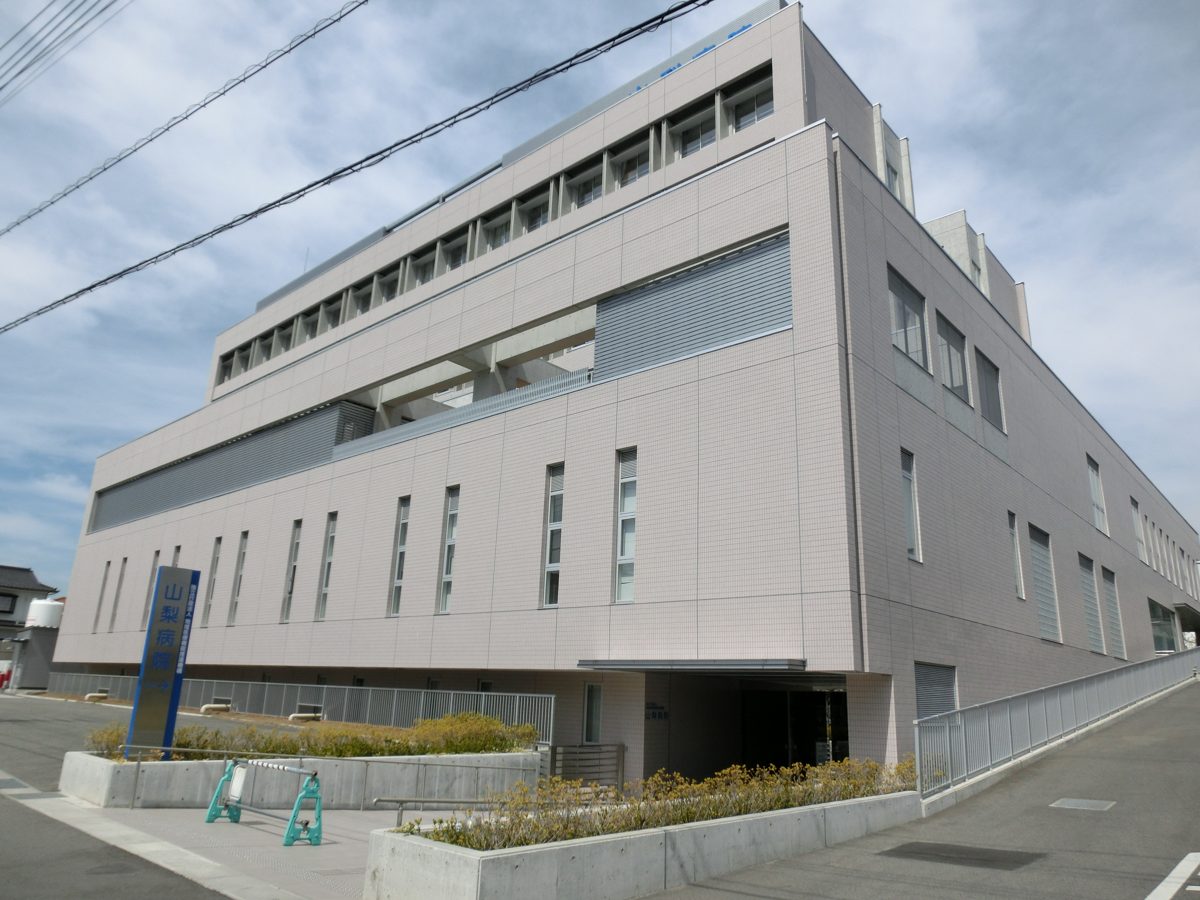
The Guide for when you are feeling ill, run by the Japan Tourism Agency in English, Chinese and Korean, has a medical institution search. You choose the prefecture, the language, the department, the credit cards accepted, and whether the emergency room is open 24 hours. It shows up to 30 results, and a PDF list can be downloaded. You can also filter for base medical institutions chosen by each prefecture: Category 1 can treat foreign emergency patients who need a hospital stay, and Category 2 can treat foreign patients, including at clinics and dentists. The list is compiled with the Ministry of Health, Labour and Welfare and updated twice a year, around May and November. The agency’s own notes: it shows only basic information, you should contact the clinic before you visit, and treatment may not be possible in some cases.
Which kind of place should I go to?
The same guide splits it three ways. If you do not need a doctor, go to a pharmacy or drugstore. If you need a doctor, visit a clinic or general hospital during regular hours, or an after-hours reception outside them, which varies by region. An emergency hospital is open 24 hours a day, 365 days a year, and accepts emergency patients. Its table of symptoms and departments suggests, for example, internal medicine for a fever or cough, orthopedics for a broken bone, and general medicine if you are unsure.
In Tokyo: the Medical Information Service
The Tokyo Metropolitan Government runs a phone line for foreign patients on 03-5285-8181, 9 a.m. to 8 p.m., every day, in English, Chinese, Korean, Thai and Spanish. Staff tell you which clinics can see you in your language and explain how Japan’s medical system works. The consultation is free, but you pay for the call. Outside Tokyo, the Ministry of Health lists consultation lines by prefecture; many run on weekday daytime hours only, so at night you are left with 119, #7119 and the JNTO hotline. Two examples from that list: Osaka runs a call center for foreign visitors from 9 a.m. to 5:30 p.m. in English, Chinese, Korean, Portuguese, Spanish, Vietnamese, Thai and Japanese, and Hyogo lists the AMDA International Medical Information Center. Chiba’s advisory service answers on weekdays from 9 a.m. to noon and 1 to 4 p.m., and Tokyo’s multilingual navigation line on weekdays from 10 a.m. to 4 p.m. Tokyo also publishes a list, by city and ward, of hospitals that accept foreign patients, with a note that details may have changed since it was made.
What to bring and how to pay at a clinic in Japan
What to bring
The Tokyo Metropolitan Government’s list for a clinic visit: proof of your travel or medical insurance, your passport, cash (it says small clinics often take only cash), and any medicine or supplements you take. It also asks you to phone the clinic before you go.
How payment works
At reception, the Japan Tourism Agency suggests you ask for an estimate of the cost first. You fill out a medical questionnaire; the agency has a multilingual questionnaire you can print or show. On payment, its guide is blunt: credit cards are only accepted at major hospitals, and clinics, in most cases, take cash only. Medicine is paid for separately at a pharmacy, though some clinics hand it out themselves. Our Japan cash and ATM guide shows where to withdraw yen.
Buying medicine at a pharmacy in Japan
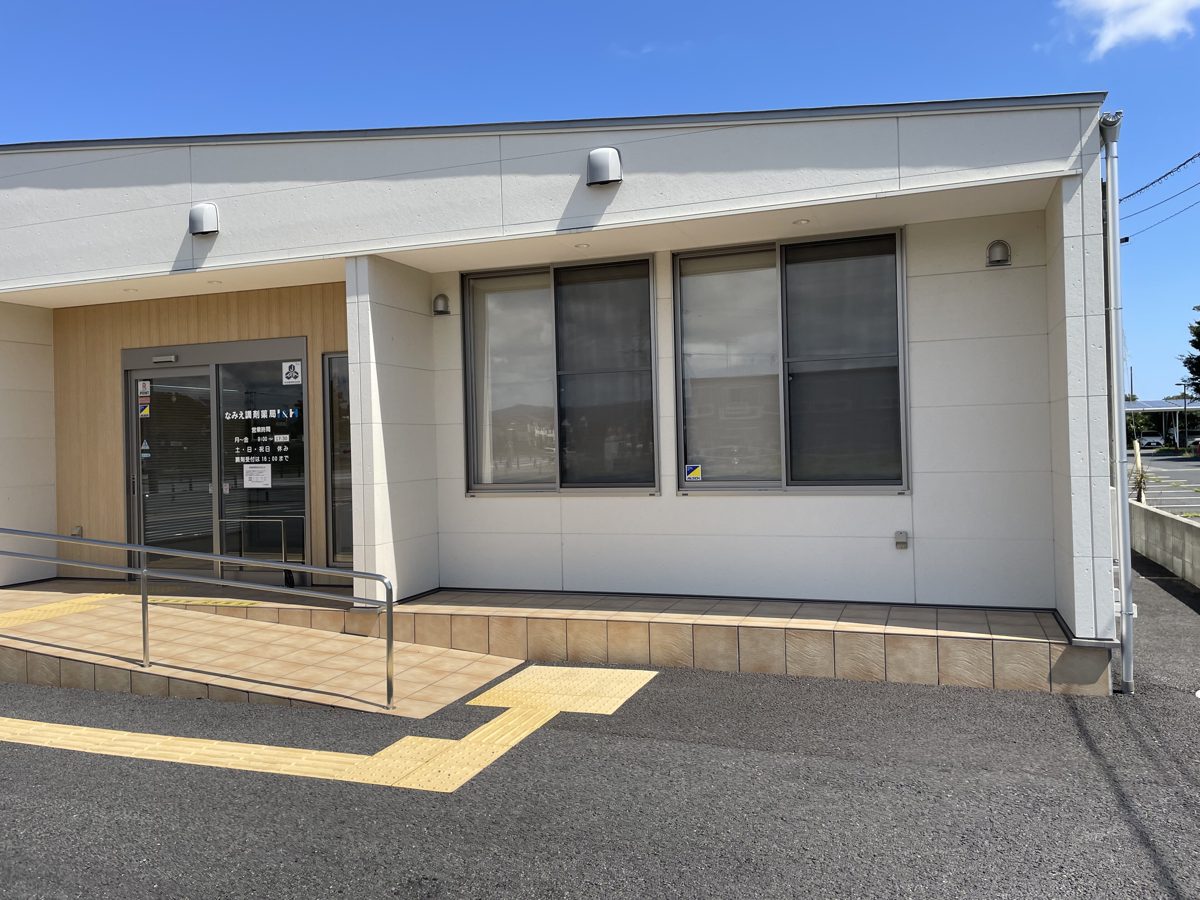
For a headache or stomach ache that does not need a clinic, the Tokyo Metropolitan Government says you can ask at a pharmacy, or a drugstore with a pharmacist, whether there is a medicine for your symptoms. Some medicines cannot be sold when the pharmacist is not there, according to the Japan Tourism Agency, and some need a doctor’s prescription. A prescription from a Japanese clinic is valid for 4 days; after that you need a new one. Medicine bought with a prescription is made up for you, and the Tokyo guide asks you not to give it to anyone else. Some clinics hand you the medicine on site; others give you a prescription to take to an outside pharmacy, where you pay separately. We did not find an official list of English-speaking pharmacies.
Do I need travel insurance if I get sick in Japan?
JNTO says it is strongly recommended that all travelers get travel insurance, and that you can sign up after you arrive. It cites a Japan Tourism Agency survey: one in twenty people gets sick or injured while abroad, and treatment in Japan can be expensive. Check whether your insurer offers a cashless service; otherwise you may have to pay first, and some clinics do not accept cards. Some credit cards include travel insurance, so ask your card provider.
Can I buy insurance after I arrive in Japan?
Yes. The Japan Tourism Agency’s guide links to travel insurance that you can buy even after you enter Japan; the page notes it cannot be accessed before you enter. The Tokyo Metropolitan Government says private medical insurance with enough cover is needed to travel without worry. JNTO also points to the AMDA International Medical Information Center for advice and translation, and notes your insurer may offer emergency translation too.
Cycling counts too: the agency’s examples of large medical bills include a bicycle collision. See our Japan cycling rules, and our weather warnings guide for heat and storm alerts.
Frequently asked questions
What number do I call for an ambulance in Japan?
Does 119 in Japan speak English?
Is there a 24-hour English helpline for tourists who get sick in Japan?
What is #7119 in Japan?
How do I find an English-speaking doctor in Japan?
Can I pay a Japanese clinic by credit card?
How much does a doctor cost in Japan without insurance?
Can I buy travel insurance after arriving in Japan?
Bottom line (2026): If you are sick in Japan, call 119 for an emergency, the JNTO hotline 050-3816-2787 for 24-hour help in English, and in Tokyo 03-5285-8181 to find a clinic that speaks your language. Phone ahead, bring your passport and cash, and ask for an estimate at reception.
Sources
Every fact on this page is from official pages: JNTO Japan Visitor Hotline, JNTO Staying Safe in Japan, JNTO travel insurance, the Japan Tourism Agency Guide for when you are feeling ill, the Fire and Disaster Management Agency (ambulance guide for visitors, #7119, 119 interpreting), the Ministry of Health, Labour and Welfare, the Tokyo Metropolitan Government Medical Information Service and the Tokyo Fire Department. All were read on October 7, 2026. Phone numbers and hours can change; check the official page.
Some links on this page may be affiliate links, which means we may earn a commission if you book or buy through them — at no extra cost to you. See our affiliate disclosure.
Tokyo to Osaka, Tokyo to Kyushu, Tokyo to Hokkaido — day by day — plus seven places most visitors never reach.
- 12 pages, 80 photographs, every stop linked to its guide
- Every price and opening hour read from the official page
- Re-issued monthly, so it does not go stale in your inbox
Free. One email a month, plus the rare change that matters. Unsubscribe with one click in any email. By subscribing you agree to our privacy policy.