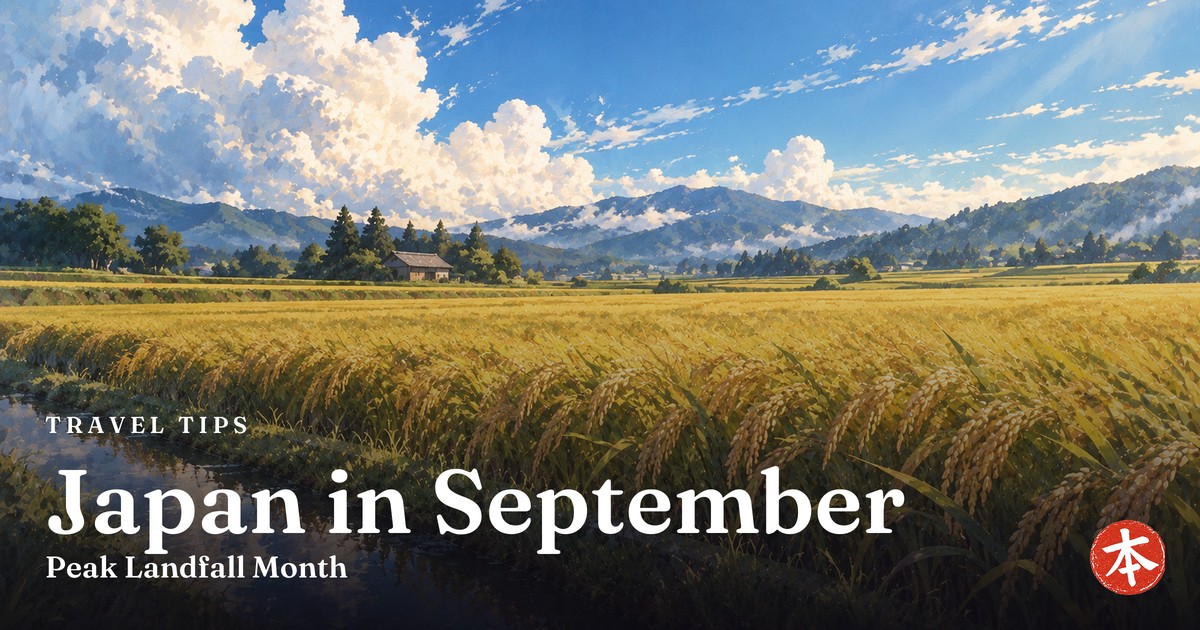
Japan in September has a reputation problem in both directions. Visitors from cooler countries hear “autumn” and pack for it; the Japan Meteorological Agency’s normals say Tokyo averages 23.3 C at 75 percent humidity and Osaka 25.2. Visitors who fear typhoons hear “season’s ending”; the same agency’s normals say September has the most landfalls of any month, 1.0 on average, ahead of August. It is still summer, and it is the peak of the one weather risk that stops trains.
That said, nothing on this page argues against September. It argues for planning it as what it is: a warm, wet, bright-in-patches month with a day of slack built in, and in 2026 a five-day holiday block from September 19 to 23 that decides where the crowds will be. Eight cities, one holiday calendar, the typhoon table, and no autumn leaves anywhere.
Japan in September at a glance
| City | Avg temp (C) | Daily high / low (C) | Rain (mm) | Sunshine (h) |
|---|---|---|---|---|
| Sapporo | 18.6 | 22.8 / 14.8 | 142 | 159 |
| Tokyo | 23.3 | 27.5 / 20.3 | 225 | 127 |
| Nagoya | 24.5 | 29.1 / 21.0 | 232 | 160 |
| Kyoto | 24.4 | 29.2 / 20.7 | 178 | 143 |
| Osaka | 25.2 | 29.5 / 21.9 | 153 | 162 |
| Hiroshima | 24.7 | 29.1 / 21.1 | 163 | 167 |
| Fukuoka | 24.7 | 28.6 / 21.6 | 175 | 165 |
| Naha | 27.9 | 30.6 / 25.8 | 275 | 181 |
September: Japan Meteorological Agency 30-year normals (1991–2020), read on September 14, 2026.
Typhoons in September: the landfall month
| Month | Typhoons formed | Approached Japan | Made landfall |
|---|---|---|---|
| July | 3.7 | 2.1 | 0.6 |
| August | 5.7 | 3.3 | 0.9 |
| September | 5.0 | 3.3 | 1.0 |
| October | 3.4 | 1.7 | 0.3 |
| Whole year | 25.1 | 11.7 | 3.0 |
JMA typhoon normals, 1991–2020 averages.
Why is September worse than August for landfalls?
August forms more typhoons, 5.7 against 5.0, and approaches are equal at 3.3, but September’s landfall figure of 1.0 is the highest of the year, against 0.9 in August and 0.3 in October. A third of all the year’s landfalls, 3.0 in total, come in this one month. The storms that form in early autumn track over the main islands more often than the summer ones do.
What does a typhoon actually do to a trip?
Mostly it stops trains before it arrives. Japanese railways announce planned suspensions ahead of a storm, and the day is lost to the announcement rather than the wind; our typhoon guide covers how that works, and the weather warnings guide explains the alert names the JMA changed in 2026. The practical rule is one day of slack in a September itinerary, and none of the important connections on the last day.
Is Okinawa the most exposed?
The national normals do not split by region, so we will not put a number on it. What the climate table shows is that Naha records its heaviest rain of the year in September, 275.2 mm, while averaging 27.9 C: warm and wet at the same time.
The heat: why September is still summer
How much cooler than August?
About three and a half degrees in Tokyo, from 26.9 to 23.3; four in Osaka, from 29.0 to 25.2; three and a half in Fukuoka, from 28.4 to 24.7. Daily highs are still 27.5 in Tokyo, 29.5 in Osaka, 29.1 in Nagoya and Kyoto. In every main-island city the September high is within a degree or two of thirty.
Is the humidity any better?
Barely. Tokyo’s September humidity normal is 75 percent, one point under July’s 76 and above August’s 74. Fukuoka is at 73, Naha 75, Sapporo 71. The dry-air feel of Japanese autumn arrives in November, not September; our October guide shows the halfway point.
How wet is it?
Wet. Tokyo 224.9 mm, its second-wettest month; Nagoya 231.6, its wettest; Kyoto 178.5; Fukuoka 175.1; Hiroshima 162.7; Osaka 152.8; Sapporo 142.2; and Naha 275.2. The autumn rain front and the typhoons overlap, and the sunshine numbers show it: Tokyo’s 126.7 hours is its second-lowest of the year.
Where is it coolest?
Sapporo, at 18.6 C with lows of 14.8, and 71 percent humidity. It is the one city on this page where September reads as early autumn. Its rain, 142.2 mm, is its wettest month of the year too, so it is cooler and still not dry.
No autumn leaves: what September looks like
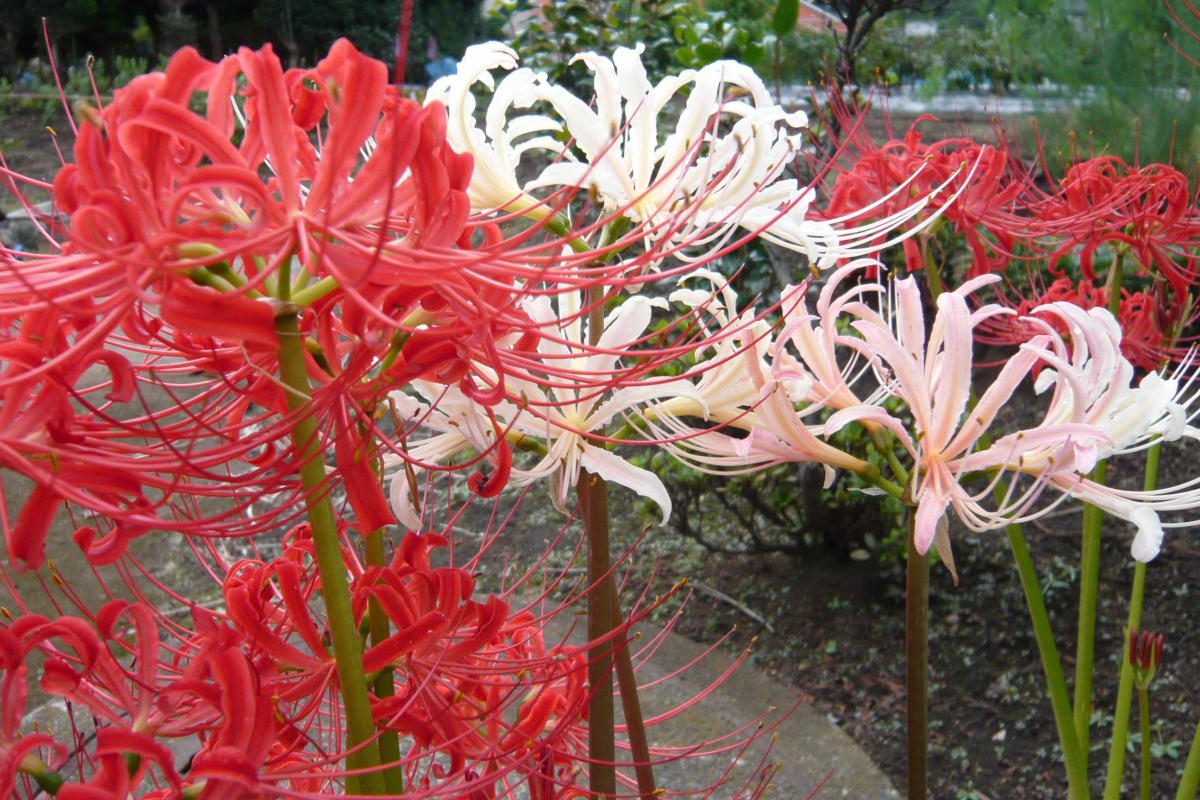
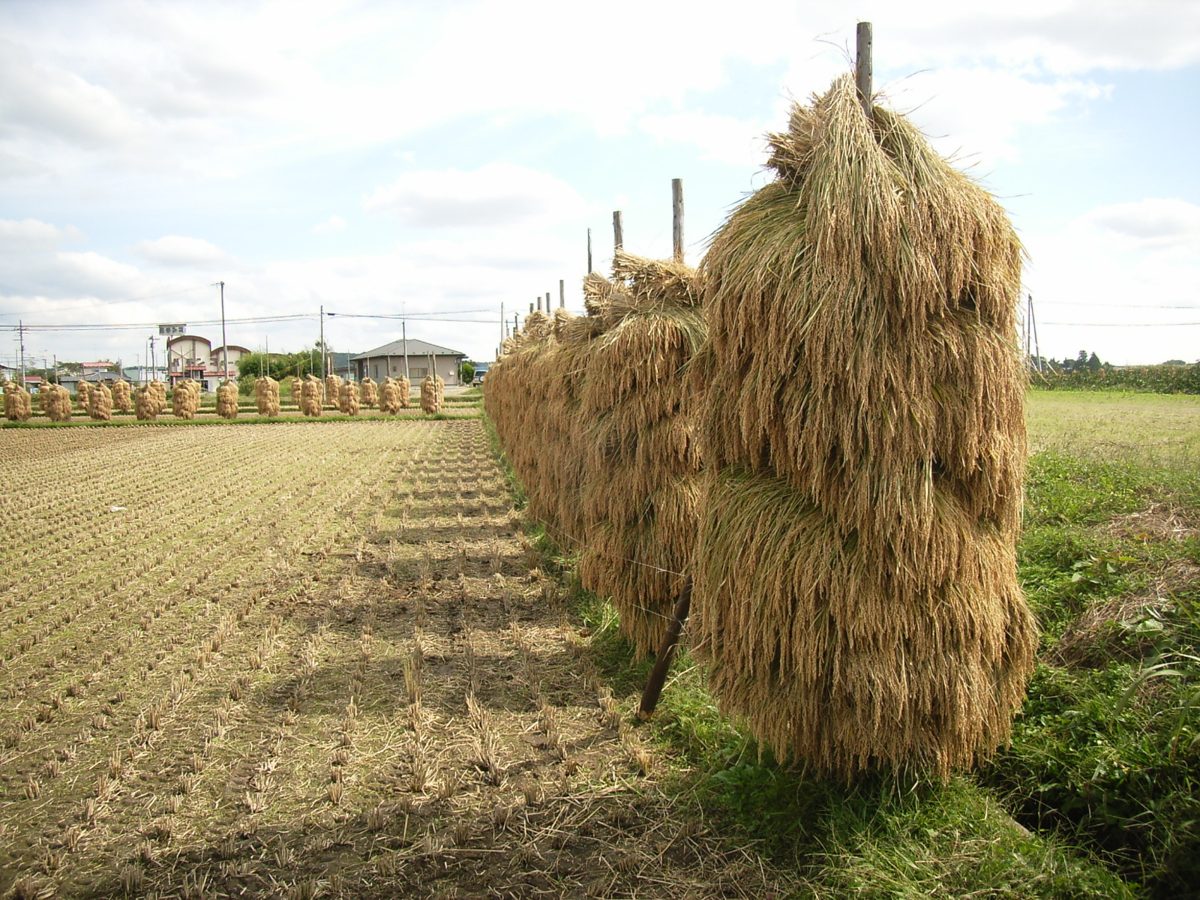
The JMA’s maple map begins in mid-October on the Pacific side of eastern Hokkaido; the ginkgo map begins in late October. There is no region of Japan where either tree colors in September on the averages. Gardens and mountainsides are green, rice is being harvested on the plains, and the photographs of red maples that illustrate “autumn in Japan” are from November and December. Anyone who books September for the color has booked two months early.
Silver Week 2026: the five-day block
| Date (2026) | Day | What |
|---|---|---|
| September 19 | Saturday | Weekend |
| September 20 | Sunday | Weekend |
| September 21 | Monday | Respect for the Aged Day (third Monday) |
| September 22 | Tuesday | Holiday: a single day between two holidays becomes a holiday |
| September 23 | Wednesday | Autumnal Equinox Day |
Cabinet Office national holiday list, 2026. In 2027 the two holidays fall on Monday September 20 and Thursday September 23 and do not connect.
What does the five-day block mean for a visitor?
Domestic travel concentrates into it: trains, hotels and the popular routes fill in the way they do at Golden Week and Obon, though we have no official figure for the scale. If the dates are flexible, the week before or the week after is the same weather with the country at work. If they are not, book the transport first. The full calendar, including the substitute-day rule that creates the 22nd, is in our holidays guide.
Does 2027 have a Silver Week?
No. Respect for the Aged Day is Monday, September 20, 2027, and the equinox is Thursday, September 23; with two working days between them, neither becomes a holiday, and the result is a three-day weekend and a separate Thursday. The five-day version depends on the equinox landing on a Wednesday.
North to south: eight Septembers
Sapporo
18.6 C, lows of 14.8, 142.2 mm, 159 hours of sun. Early autumn by feel, still wet by the numbers, and the one city where a September evening asks for a layer.
Tokyo, Nagoya, Kyoto
23.3, 24.5 and 24.4 C, highs of 27.5 to 29.2, humidity 67 to 75, rain from 178 to 232 mm. Nagoya is the wettest of the three and Tokyo the dullest at 126.7 hours of sun. For the capital’s whole year, the best time to visit Tokyo page puts September against its neighbors.
Osaka, Hiroshima, Fukuoka
25.2, 24.7 and 24.7 C. Osaka is the driest of the eight at 152.8 mm and among the sunniest at 161.6 hours; Fukuoka, at 175.1 mm, sits on the side of the country typhoons cross first.
Naha
27.9 C, highs of 30.6, lows of 25.8, 275.2 mm, humidity 75. The warmest and wettest of the eight, with 181 hours of sun. Beach weather with a storm caveat, and the caveat is at its strongest this month.
Planning a September week around the numbers
Which direction should the route run?
North, if heat is the problem: Sapporo is five degrees cooler than Tokyo and nine cooler than Naha. West does not help in September the way it does in October; Osaka is the driest city but also the second-warmest. A route that ends in Hokkaido finishes in the closest thing to autumn the month offers.
How should I read a typhoon in the forecast?
As the day you spend indoors, and the day before it as the day you move. Railways suspend in advance; the announcement is the event. Keep the last day of the trip free of essential connections, and if a storm is named, read the JMA’s own warnings rather than a weather app’s icon.
Is it a good month for the mountains or the coast?
The numbers favor altitude over sea level for comfort, because the lowland stations the JMA measures are the warm, humid ones and the mountain resorts sit above them; we have no station data for the resorts themselves and are not going to invent it. The coast is where the typhoon risk is felt first, and the sea is at its warmest of the year, which is the trade the islands offer. Neither is wrong; both are September.
What do the highs and lows mean for a day out?
A narrow band: Tokyo 27.5 to 20.3, Osaka 29.5 to 21.9, Naha 30.6 to 25.8. Nights do not cool much, which is the difference from October’s seven-degree swing. September is the last month of warm evenings on the main island.
How to check the current year yourself
Where do these numbers come from?
From the Japan Meteorological Agency, which publishes 30-year climatological normals for every observatory and updates them once a decade; the current set covers 1991 to 2020. The typhoon table is the same agency’s count of formation, approach and landfall by month over the same thirty years, and the leaf calendar is its phenological map. Every figure on this page is the agency’s own number for the named station or the named month.
What does “1.0 landfalls” actually mean?
That over thirty Septembers, thirty typhoons made landfall on Japan, one per September on average. Some years saw none and some saw two or three. It does not mean your September will contain exactly one; it means the month carries more of that risk than any other, and that a plan with no slack in it is betting against the average. The approach figure of 3.3 counts storms that came near enough to matter without necessarily crossing the coast.
How do I follow a storm once one is named?
Through the JMA’s own typhoon information and the railway operators’ suspension notices, which appear a day or more ahead. Weather apps show the track; they do not show which trains have been canceled in advance, and in Japan the cancellation is the part that changes your day. Our weather warnings guide lists the alert levels the JMA uses and what each one means for travel.
Is the second half of September different from the first?
Almost certainly, but the normals do not say by how much, and we will not split a monthly figure into weeks we have not measured. What can be said is that October’s numbers are the destination: 18.0 C, 71 percent humidity and 0.3 landfalls in Tokyo. September is the slope between August and that, and the later in the month you travel, the further down the slope you are.
Three things travelers get wrong about September
“Typhoon season is basically over”
It is at its peak for landfalls. Formation peaks in August; landfall peaks in September at 1.0 per month, the highest figure in the JMA table. October drops to 0.3 and November to zero. If you are choosing between September and October to avoid storms, October is the answer by a factor of three.
“It is autumn”
By the calendar, and by the holiday named for the equinox. By the thermometer, no: 23 to 25 C at 70 to 75 percent humidity is summer in most of the world, and the leaves do not turn anywhere in Japan until mid-October in eastern Hokkaido. The autumn the brochures show is November.
“The holidays are a good time to travel”
They are a good time to be already where you want to be. Silver Week 2026 is five days in which the country travels, and the ordinary weeks either side are the same September without the competition. The dates are fixed and public; use them to avoid the block rather than to join it.
Japan in September FAQ
Is September a good time to visit Japan?
How hot is Tokyo in September?
Are typhoons likely in September?
What are the holidays in September?
Is there autumn color in September?
Which city is coolest in September?
Is September cheaper than October?
Is the sea still warm enough for Okinawa?
Bottom line (2026). September is still summer — Tokyo 23.3 C at 75 percent humidity, Osaka 25.2, Naha 27.9 — and it is the peak landfall month for typhoons at 1.0, ahead of August. Tokyo gets 224.9 mm of rain and Nagoya its wettest month. No autumn leaves anywhere until mid-October in Hokkaido. In 2026 the holidays make a five-day Silver Week, September 19–23; 2027 does not repeat it. Keep a day of slack and go north for cool.
Sources
Climate figures are Japan Meteorological Agency 30-year normals (1991–2020) for the Sapporo, Tokyo, Nagoya, Kyoto, Osaka, Hiroshima, Fukuoka and Naha observatories; typhoon counts are the JMA typhoon normals for formation, approach and landfall; the leaf calendar is read from the JMA’s isochrone maps for maple and ginkgo; holidays and the rule creating September 22, 2026 are from the Cabinet Office list for 2026 and 2027. All read on September 14, 2026.
Some links on this page may be affiliate links, which means we may earn a commission if you book or buy through them — at no extra cost to you. See our affiliate disclosure.
Tokyo to Osaka, Tokyo to Kyushu, Tokyo to Hokkaido — day by day — plus seven places most visitors never reach.
- 12 pages, 80 photographs, every stop linked to its guide
- Every price and opening hour read from the official page
- Re-issued monthly, so it does not go stale in your inbox
Free. One email a month, plus the rare change that matters. Unsubscribe with one click in any email. By subscribing you agree to our privacy policy.