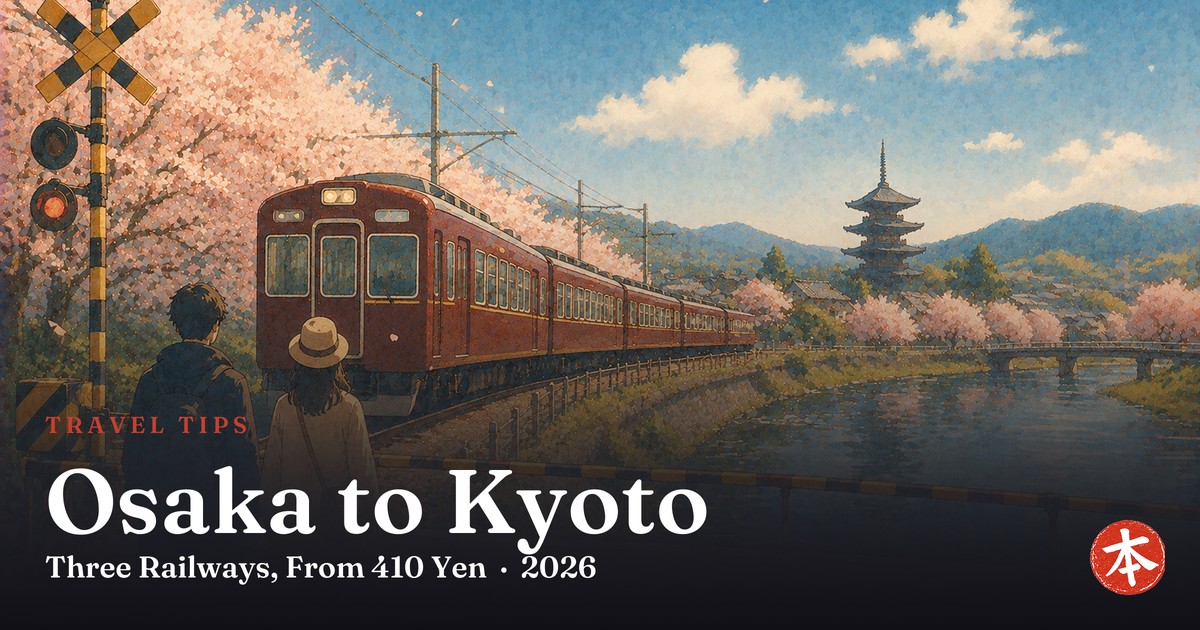
Osaka to Kyoto is Japan's densest intercity rail contest — three railways, trains every few minutes, fares from ¥410 — and the standard tourist instinct (take the shinkansen) is usually the expensive wrong answer. The 2026 fine print most guides miss: Keihan quietly revised its fares in October 2025 (even its own English pages lag), JR's ¥580 survived the 2025 restructuring untouched, and all three operators now sell ¥400–600 reserved armchairs on commuter expresses. Here's the corridor, from the official fare tables.
Osaka → Kyoto at a glance
| Route | Official answer (Aug 2026) |
|---|---|
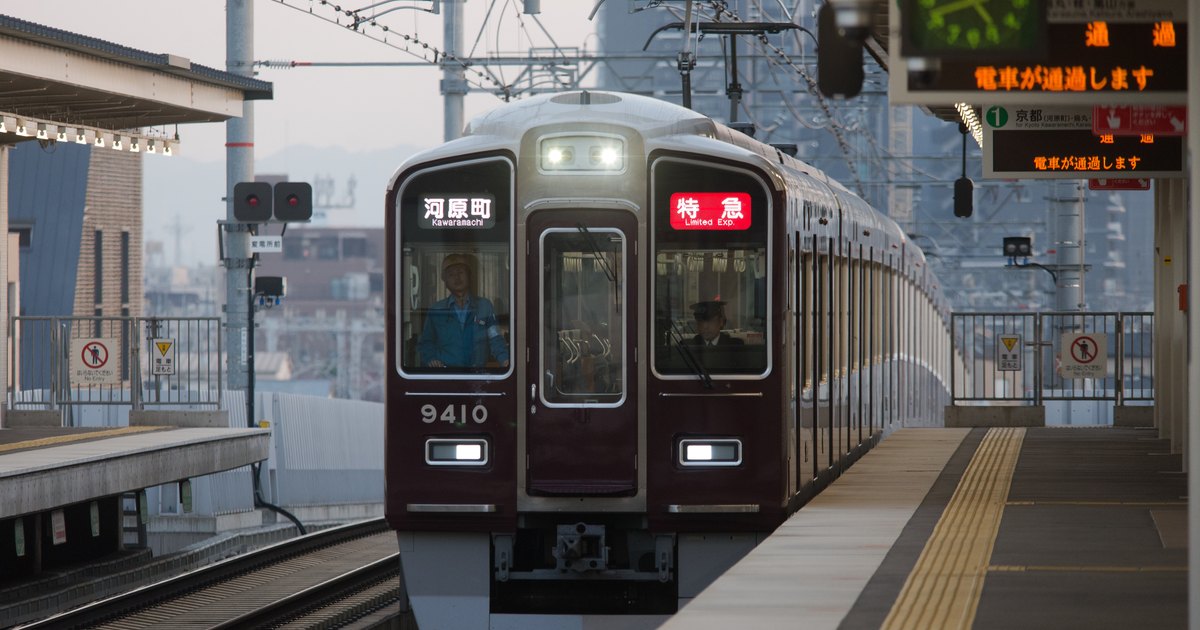
| Hankyu (Umeda → Kawaramachi) | ¥410 · limited express = no surcharge · lands in downtown Kyoto · PRiVACE reserved car +¥500 |
| Keihan (Yodoyabashi → Gion-Shijo) | ¥490 (🚨 revised Oct 1, 2025) · Fushimi Inari ¥480 · direct to Gion/Kiyomizu-Gojo/Tofukuji · Premium Car +¥400–500 |
| JR Special Rapid (Osaka → Kyoto) | ¥580 (unchanged by the 2025 restructuring) · A-Seat +¥600 ticketless · first 5:00 / last 0:00 from Osaka |
| Shinkansen (Shin-Osaka → Kyoto) | ¥580 + ¥870 = ¥1,450 unreserved · departs Shin-Osaka, not Umeda · JR Pass: Hikari/Kodama OK |
| Durations | Only Keihan publishes: 54 min Yodoyabashi–Demachiyanagi · ~40 min Kyobashi–Gion-Shijo (ltd. exp.) |
| Passes | Kansai Area Pass ¥2,800/day covers JR only (no shinkansen) · Hankyu/Keihan outside all JR passes |
The Hankyu run, Umeda to the heart of Kyoto:
Pick by doorstep, not by brand
Which line matches which Kyoto plan?
The three railways don't really compete — they serve different Kyotos. Hankyu (¥410) runs Umeda to Kawaramachi: Nishiki Market, the downtown shopping canyon, Pontocho's dinner alleys, Gion a river-bridge walk away — the evening-Kyoto line, with Karasuma for subway transfers and Katsura for the Arashiyama branch. Keihan (¥480–550) is the pilgrimage line: Fushimi-Inari and Tofukuji stations sit directly on it, then Kiyomizu-Gojo and Gion-Shijo — nothing else delivers the torii gates and the geisha district without a transfer, the trade being Osaka-side terminals at Yodoyabashi/Kyobashi rather than Umeda. JR (¥580) wins raw pace and the Kyoto Station hub — the right answer for onward rail, Nara-line connections and 5:00-to-midnight service span. The shinkansen's honest niche: JR Pass holders and through-journeys already at Shin-Osaka — at ¥1,450 plus the schlep to Shin-Osaka, it's geometry, not luxury, that defeats it.
The ¥500 armchair era: PRiVACE, Premium Car, A-Seat
How do the three premium seats differ in feel?
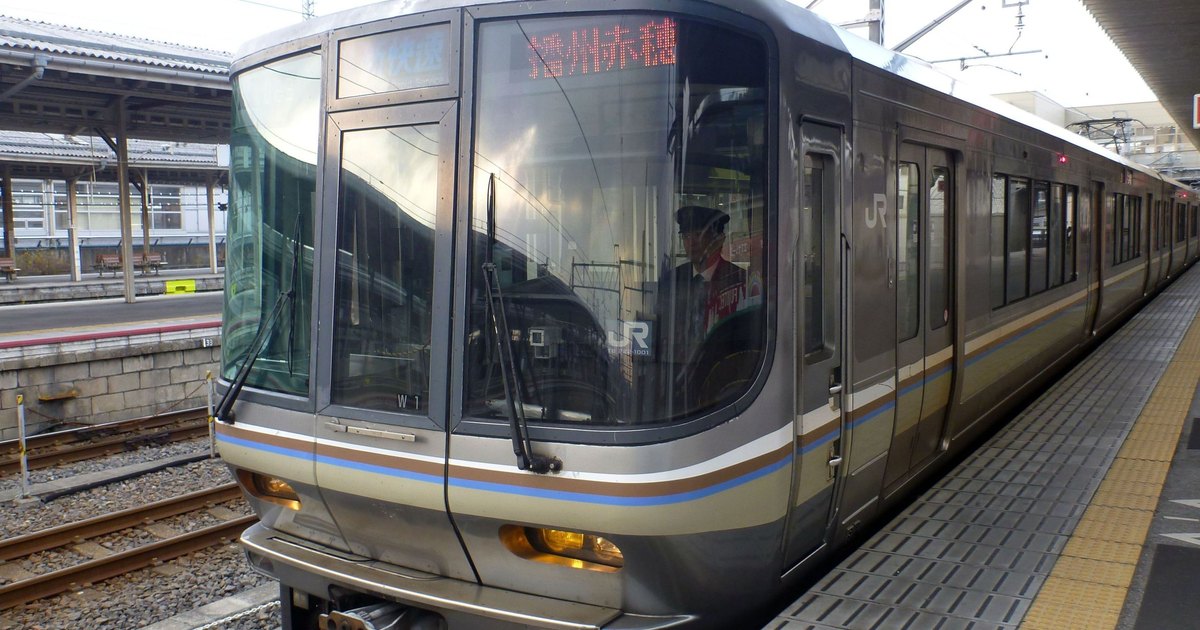
Mechanically, in booking terms. PRiVACE is the newest system — one dedicated car (the fourth from the Osaka end) on Hankyu's Kyoto-line expresses, web-reserved with in-car purchase as fallback. Keihan's Premium Car is the established one, with an English-language booking site and distance-based pricing. JR's A-Seat is the lightest-touch: ticketless through e5489 on selected Special Rapids. None is luxury; all three are the difference between arriving composed and arriving compressed.
Are the paid seats worth it on a sub-hour hop?
On this corridor's crush-hour trains, emphatically — and the systems are brand new enough that pre-2024 guides don't know they exist. Hankyu's PRiVACE (from July 2024; 159 weekday runs since the August 2025 expansion) puts a hushed reserved car — car 4 — on Kyoto-line expresses for a flat ¥500, bookable from 14 days out with in-car purchase when seats remain. Keihan's Premium Car charges ¥400–500 by distance (¥500 to Gion-Shijo), same 14-day window, English booking site available. JR's A-Seat rides select Special Rapids at ¥600 ticketless through e5489. Strategy: outbound morning crush and the 17:00–19:00 return are when ¥500 buys the most sanity; midday, the free cars are civilized. One retired detail worth unlearning: Keihan abolished its 10-yen barrier-free surcharge in the October 2025 revision — old fare breakdowns no longer apply.
Fares, passes and the fine print of 2025's changes
What's the smartest same-day combination?
Ride the triangle asymmetrically. Morning: Keihan from Yodoyabashi straight to Fushimi-Inari (¥480) before the crowds thicken, then hop north to Gion-Shijo. Evening: walk Gion into downtown, dine near Kawaramachi, and return on Hankyu (¥410) into Umeda nightlife. Two railways, both endpoints of your Osaka day covered, no backtracking — total rail spend about ¥1,400 for the whole loop, less than one shinkansen leg.
Why do so many guides have these numbers wrong?
Because two revisions landed within six months and neither made English-language news. Keihan's October 1, 2025 revision moved every fare on the line (Gion-Shijo now ¥490, Fushimi-Inari ¥480, Demachiyanagi ¥550) while leaving Premium Car prices alone — and at our check even Keihan's English pages still carried pre-revision example fares, which is why we read the Japanese fare-table PDF as the authority. JR West's April 2025 restructuring, meanwhile, is misreported in the opposite direction: the Osaka–Kyoto special fare survived at ¥580 (the revision annex lists it explicitly), so neither "JR raised it" nor the ¥750 standard-band figure applies here. Pass math stays honest: the Kansai Area Pass (¥2,800/day) needs more than this round trip to pay off, and Hankyu/Keihan sit outside JR passes entirely. Coming down from the capital first? The long-haul half of the journey lives in our Tokyo-to-Kyoto guide, the Kyoto end in how many days in Kyoto, and fare-change bookkeeping on the 2026 tracker.
(Coming from Tokyo first? Our Tokyo–Osaka shinkansen guide has the four seasonal fare tiers and the one genuinely large advance discount.)
(Arriving by air instead? Our Kansai Airport to Kyoto guide covers JR West’s 2,200-yen discounted HARUKA ticket, who qualifies, and why it cannot be bought inside Japan.)
FAQ
What’s the cheapest way from Osaka to Kyoto?
Did fares change recently?
Which railway goes closest to Fushimi Inari?
What are PRiVACE, Premium Car and A-Seat?
Is the shinkansen worth it for this hop?
Which Kyoto station should I aim for?
How long does the trip take?
Do rail passes cover this route?
What about late-night returns to Osaka?
Bottom line (2026) — Osaka to Kyoto is a three-railway contest the shinkansen mostly loses. Hankyu from ¥410 drops you into the Kawaramachi shopping heart; Keihan from ¥480 runs straight to Fushimi Inari and Gion (fares quietly revised October 2025 — most guides are stale); JR’s ¥580 Special Rapid is the JR option. Pick by destination, not by speed.
Sources
JR's ¥580 special fares (Osaka–Kyoto and Shin-Osaka–Kyoto): JR West's official April 2025 revision press annex. Hankyu's ¥410 band: the official revised fare table (2023) and the official FAQ's no-new-revision statement. Keihan fares: the official station fare table PDF marked "revised 2025/10/01," with Premium Car prices from the official conditions annex and the revision press release. PRiVACE terms and expansion: Hankyu's official pages and releases. A-Seat pricing: JR West's official ticket database. Shinkansen composition: JR fare rules articles 57 and 125, read in the original. Kansai Area Pass: JR West's official English page. First/last trains: JR's official Osaka Station timetable. Keihan durations: its official English pages. All read on August 20, 2026. The embedded video is by its creator.
Tokyo to Osaka, Tokyo to Kyushu, Tokyo to Hokkaido — day by day — plus seven places most visitors never reach.
- 12 pages, 80 photographs, every stop linked to its guide
- Every price and opening hour read from the official page
- Re-issued monthly, so it does not go stale in your inbox
Free. One email a month, plus the rare change that matters. Unsubscribe with one click in any email. By subscribing you agree to our privacy policy.